Allen Bradley PLC

  1. Home
  2. Products
  3. Allen Bradley PLC
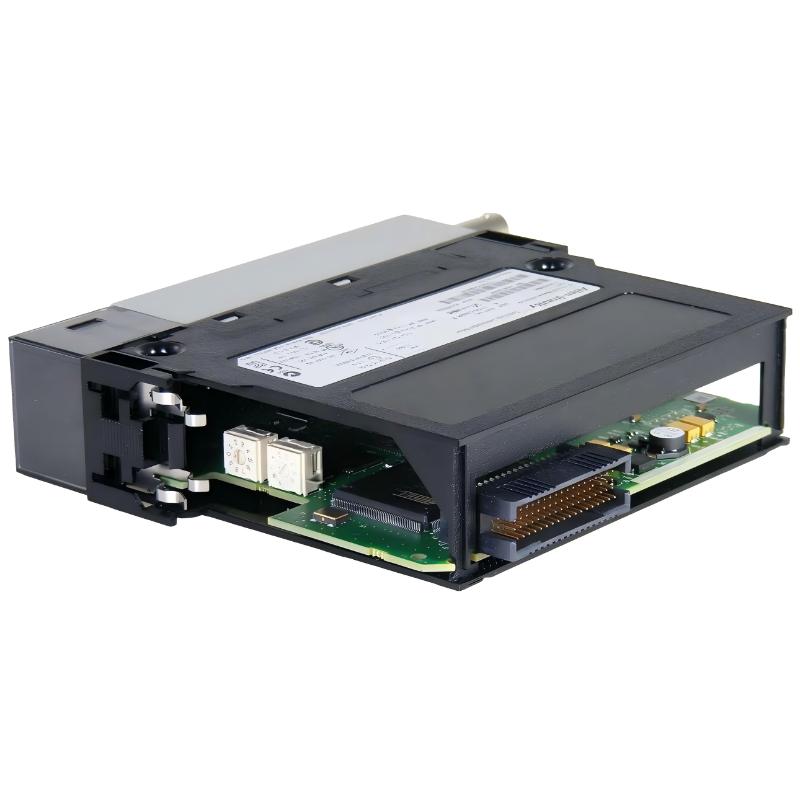
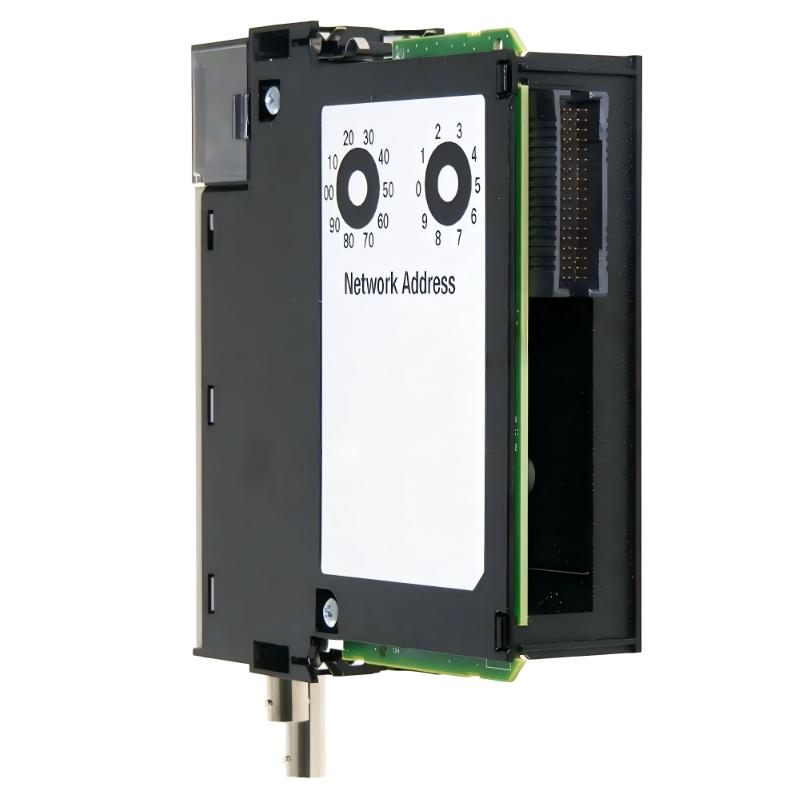
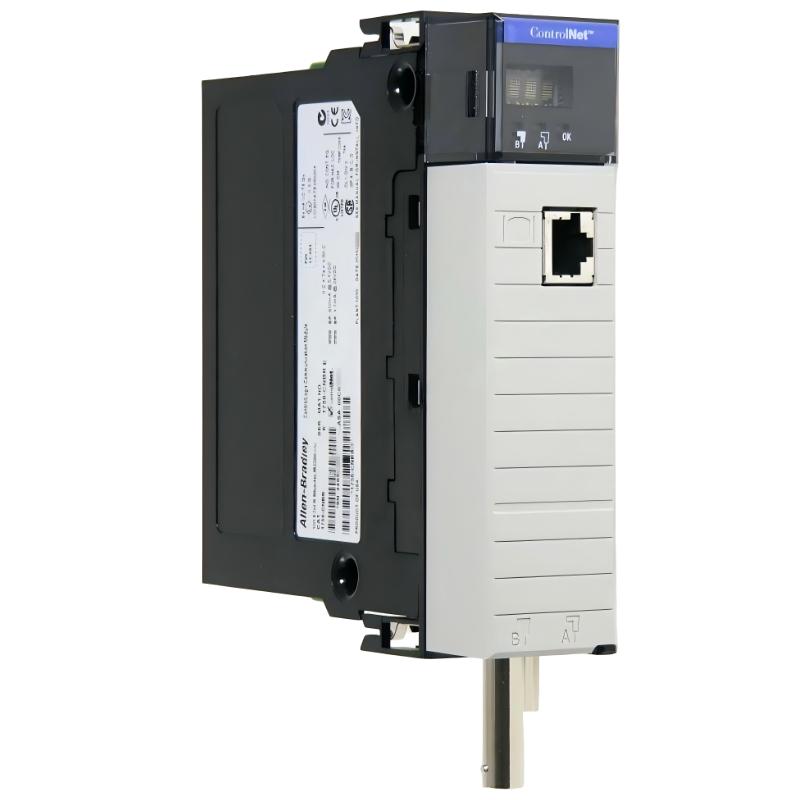
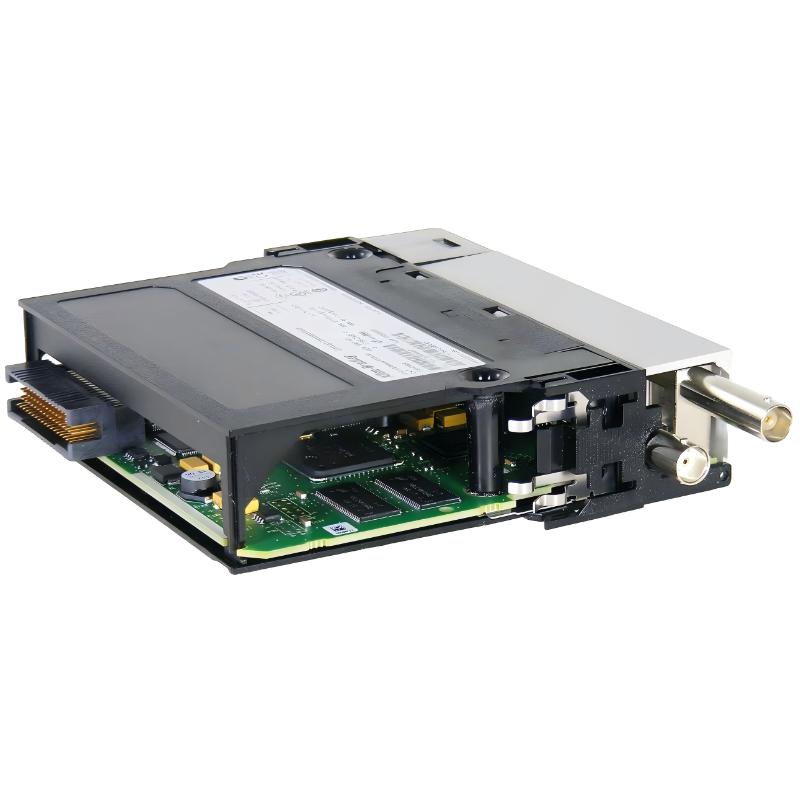
  4. Allen-Bradley 1756-CNBR ControlNet Redundant Bridge Module
Allen-Bradley 1756-CNBR ControlNet Redundant Bridge Module

Allen-Bradley 1756-CNBR ControlNet Redundant Bridge Module

0.0
Points

Brand:Allen Bradley PLC
Item No.:Allen-Bradley 1756-CNBR
Product Origin:USA
Product Dimensions:55 mm × 218 mm × 181 mm
Product Weight:0.39 kg
Payment:T/T, Western Union, Credit Card
Goods_stock:15
Shipping Port:Xiamen, China
Lead Time:1-3 Days
Condition:Brand New And Original
Warranty:1 Year
Certificate:COO

Add to cart

1756-CNBR E-31756-CNBR E-21756-CNBR E-11756-CNBR E-4

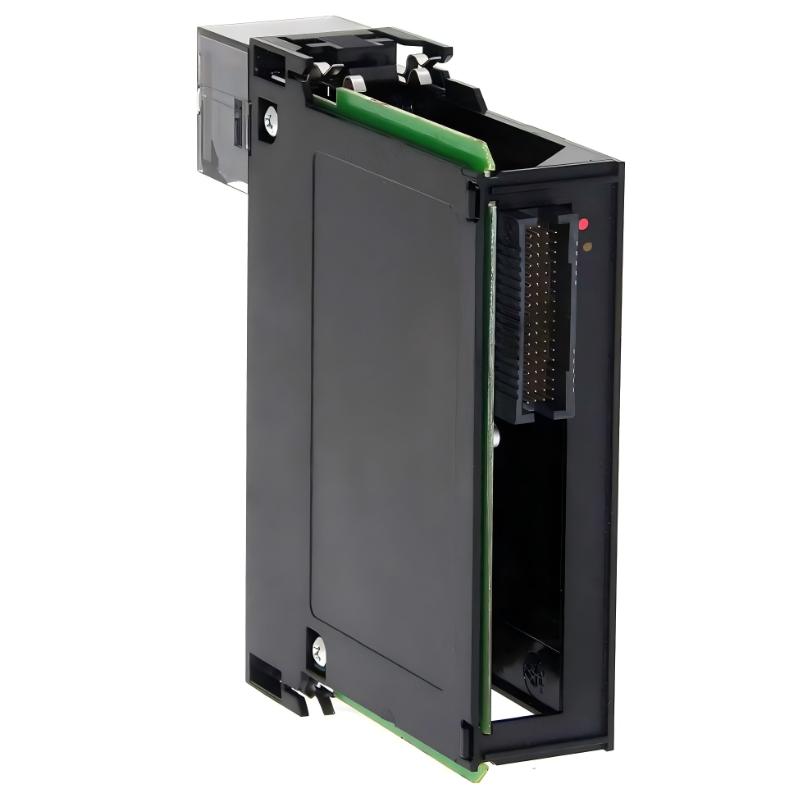
The Allen-Bradley 1756-CNBR is a ControlNet redundant communication bridge module used in the ControlLogix PLC system from Rockwell Automation. It provides high-speed, deterministic communication over the ControlNet network and supports dual-redundant media paths to improve system reliability and fault tolerance.

Compared with the standard CNB/CNB module, the CNBR is designed for applications where network redundancy is required to prevent communication loss due to cable or trunk failure.

It is widely used in mission-critical industrial systems such as power generation, oil & gas, petrochemical plants, and large-scale manufacturing automation.


Technical Specifications

ParameterDetails
Product TypeControlNet Redundant Bridge Module
Model1756-CNBR
System CompatibilityAllen-Bradley ControlLogix
Network TypeControlNet
Communication Speed5 Mbps
Channels2 ControlNet ports (redundant media A/B)
Data TransferScheduled & unscheduled messaging
Max Nodes99 nodes
Max Connections~40–48 Logix connections
Backplane InterfaceControlLogix chassis backplane
Power Consumption~5–6 W
Isolation Voltage30 V continuous
Installation TypeChassis slot-mounted module
Operating Temperature0°C to 60°C

The module is designed to support redundant coaxial ControlNet networks, ensuring continuous communication even if one media path fails.


Physical Dimensions & Weight

  • Dimensions (H × W × D): 55 mm × 218 mm × 181 mm
  • Weight: ~0.39 kg

The compact single-slot design allows installation in standard ControlLogix chassis systems.


Function in ControlLogix System

The 1756-CNBR is used to:

  • Provide redundant ControlNet communication (dual media paths)
  • Enable deterministic real-time I/O data exchange
  • Support scheduled and unscheduled messaging
  • Prevent communication loss from trunk or tap failure
  • Connect distributed I/O and controllers in ControlNet systems
  • Improve network reliability in critical automation systems

Recommended Related Models

  • Allen-Bradley 1756-CNB (non-redundant ControlNet bridge)
  • Allen-Bradley 1756-CN2 / CN2R modules
  • Allen-Bradley 1756-EN2T Ethernet communication module
  • Allen-Bradley 1756-L7x / L8x ControlLogix controllers
  • Allen-Bradley 1756-IB16 / OB16E I/O modules

Applications

The Allen-Bradley 1756-CNBR is used in:

  • Power generation control systems
  • Oil & gas processing facilities
  • Petrochemical plants
  • Large manufacturing automation systems
  • Distributed control systems (DCS integration)
  • Mission-critical industrial networks


Advantages

  • Dual-channel ControlNet redundancy (A/B media)
  • High-speed deterministic communication (5 Mbps)
  • Improved network reliability and fault tolerance
  • Supports real-time industrial control systems
  • Seamless integration with ControlLogix architecture
  • Reduces downtime caused by cable or trunk failures


Technical FAQs

1. What is the main function of 1756-CNBR?

It provides redundant ControlNet communication for ControlLogix systems.


2. What is the difference between CNB and CNBR?

CNB is standard single-channel communication, while CNBR supports dual redundant ControlNet media.


3. What communication speed does it support?

It supports 5 Mbps ControlNet communication.


4. Does it support redundancy?

Yes, it supports dual ControlNet network paths (A/B media).


5. Where is it installed?

Inside a ControlLogix chassis slot.


6. What happens if one network fails?

Communication automatically continues through the remaining ControlNet channel.


7. Is it still used today?

Yes, mainly in existing ControlNet-based industrial installations.


8. Can it connect to Ethernet networks?

No, it is dedicated to ControlNet only.


9. What industries use it?

Power, oil & gas, petrochemical, and manufacturing industries.


10. Why is it important?

It ensures high-availability, fault-tolerant communication in critical ControlLogix automation systems.


Look forward to your comments!Comment
Latest comments
Tags:
Need Assistance? Chat with Us on WhatsApp!
Need Assistance? Click to Inquire
Back to top