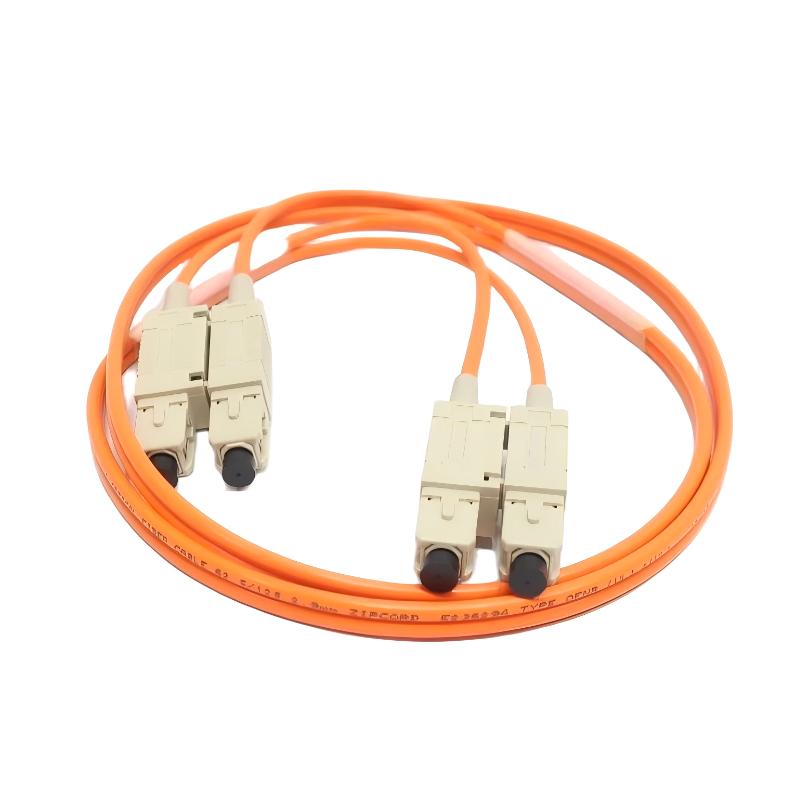
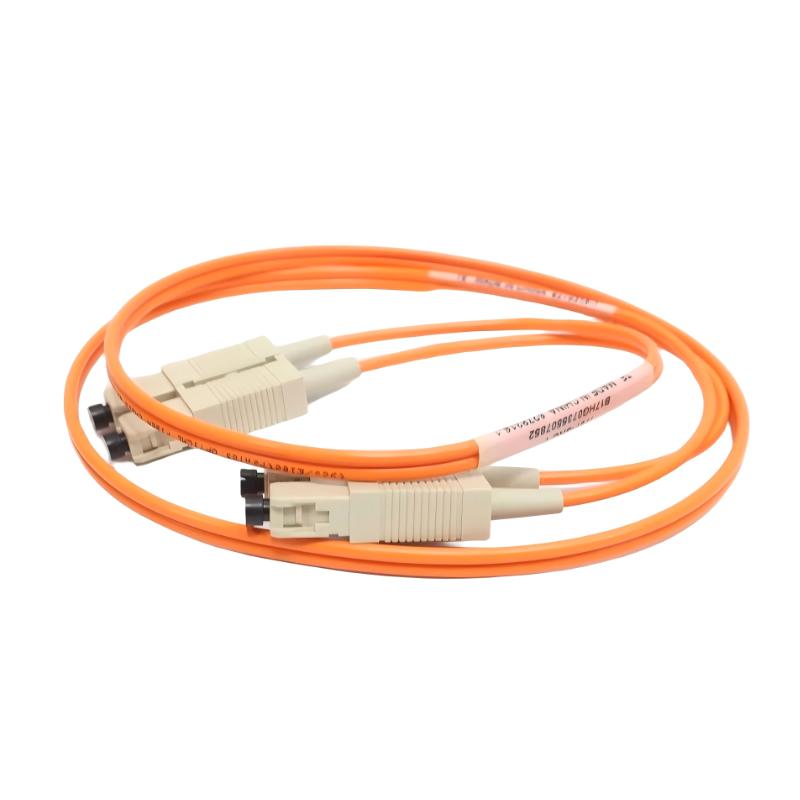
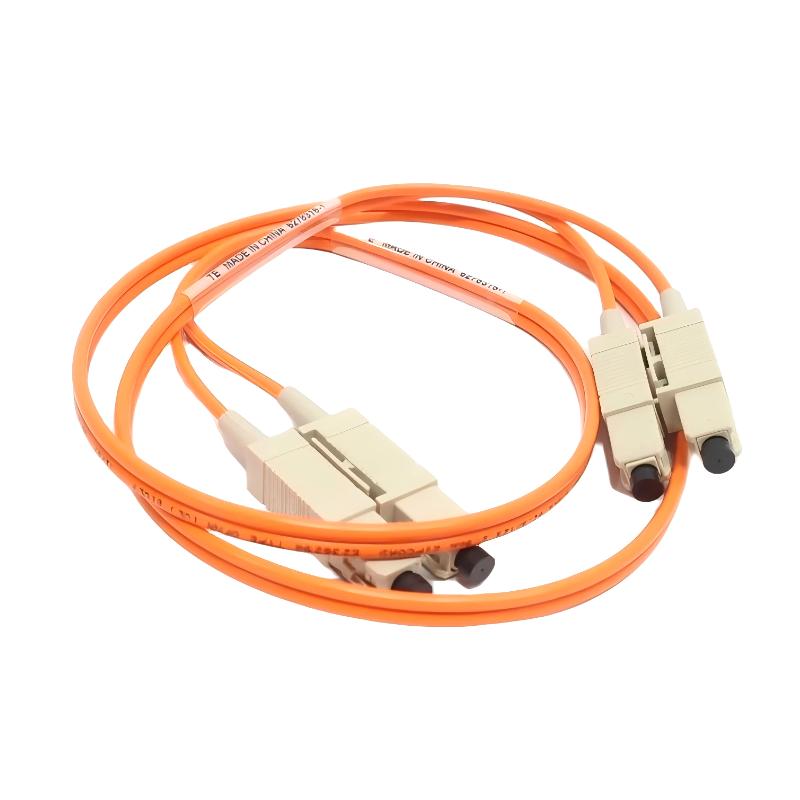
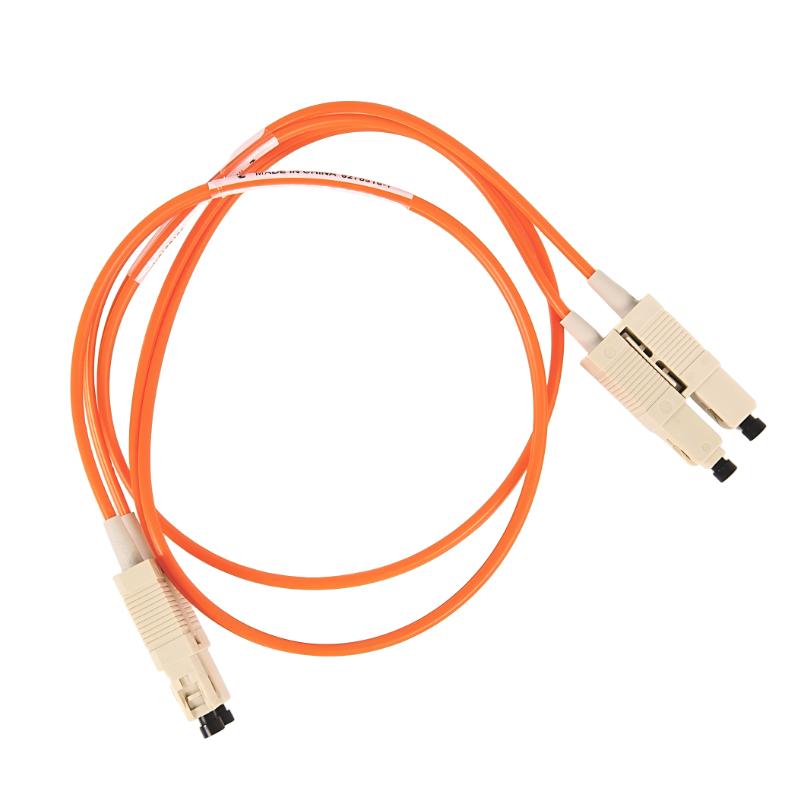
Brand:Allen Bradley PLC Item No.:1757-SRC1 Product Origin:USA Product Dimensions:Cable Length: 3 meters Product Weight:Shipping weight: 3 kg Payment:T/T, Western Union, Credit Card Goods_stock:15 Shipping Port:Xiamen, China Lead Time:1-3 Days Condition:Brand New And Original Warranty:1 Year Certificate:COO
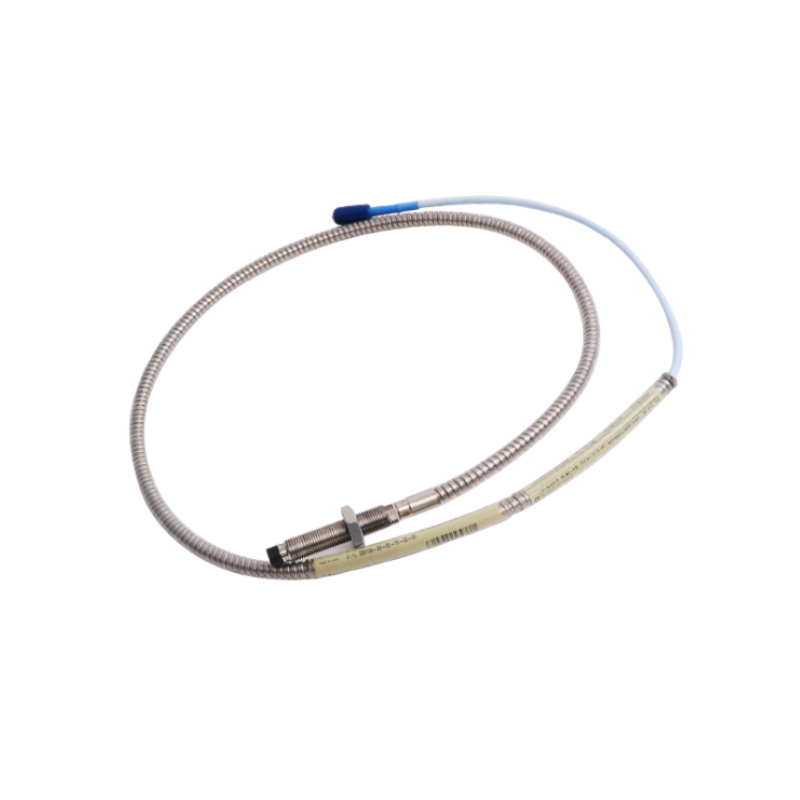
The Allen Bradley 1757-SRC1 redundant module cable is designed for high-availability ControlLogix systems where uninterrupted controller synchronization is essential. As part of a redundancy architecture, it connects dual controllers or redundancy modules to ensure continuous data exchange and coordinated system operation.
Technical Specifications
Specification
Details
Manufacturer
Allen Bradley
Product Series
ControlLogix
Model Number
1757-SRC1
Product Type
Redundancy Module Cable
Cable Type
Fiber-optic
Cable Length
3 meters
Connector Type
ST-type connectors
Application
Redundant controller communication
System Compatibility
1757-SRM redundancy modules
Installation
Plug-in redundancy connection
Weight (shipping)
3 kg
Recommended Related Models
Model Number
Product Name
1757-SRM
ControlLogix Redundancy Module
1756-L73
Logix5573 Controller
1756-EN2TR
EtherNet/IP Communication Module
1756-IB32
DC Digital Input Module
Popular Related Models
Model Number
Product Name
1756-OB16E
DC Digital Output Module
1756-IF8I
Isolated Analog Input Module
1756-PA75R
Redundant Power Supply Module
1756-CN2R
ControlNet Redundant Bridge Module
Typical Application Scenarios
• Redundant ControlLogix systems requiring high-reliability controller synchronization
• Industrial automation architectures using dual-controller failover designs
• Process industries (oil & gas, chemical, power generation) demanding continuous uptime
• Critical manufacturing systems where controller redundancy is required for safety and stability
• Distributed control systems integrating redundant chassis communication links
• High-availability production lines with zero-downtime operational requirements
• Infrastructure automation systems requiring fault-tolerant controller communication
• Large-scale PLC networks designed for mission-critical redundancy performance
Key Advantages
• Enables reliable communication between redundant ControlLogix controllers for seamless switchover
• Fiber-optic transmission design improves immunity to electromagnetic and radio frequency interference
• Supports stable high-speed synchronization between redundancy modules
• Industrial-grade construction ensures durability in harsh operating environments
• Designed for plug-and-play compatibility with 1757-SRM redundancy modules
• Enhances system availability by reducing single-point communication failure risks
• Maintains signal integrity over long-distance connections up to 3 meters
• Improves overall system uptime in mission-critical automation architectures
Technical FAQs
1. What is the main purpose of the 1757-SRC1 cable?
It is used to connect redundancy modules in ControlLogix systems, enabling controller synchronization.
2. What systems is it compatible with?
It is designed for Allen Bradley 1757-SRM redundancy module configurations.
3. What type of signal transmission does it use?
It uses fiber-optic communication for high-speed and noise-resistant data transfer.
4. What is the standard cable length?
The cable is typically supplied in a 3-meter configuration for extended cabinet flexibility.
5. Is the cable suitable for industrial environments?
Yes, it is built for harsh industrial conditions and high-interference environments.
6. Can it be replaced without shutting down the system?
Yes, redundancy systems often allow hot-swapping depending on configuration.
7. Why is fiber-optic used instead of copper wiring?
Fiber-optic reduces electromagnetic interference and ensures stable data integrity.
8. What happens if the cable fails?
Loss of communication may affect redundancy synchronization between controllers.
9. Does it support high-speed communication?
Yes, it is designed specifically for fast redundancy data exchange.
10. Is this cable considered a critical system component?
Yes, it is essential for maintaining controller redundancy and system uptime.