GE Fanuc PLC

  1. Home
  2. Products
  3. GE Fanuc PLC
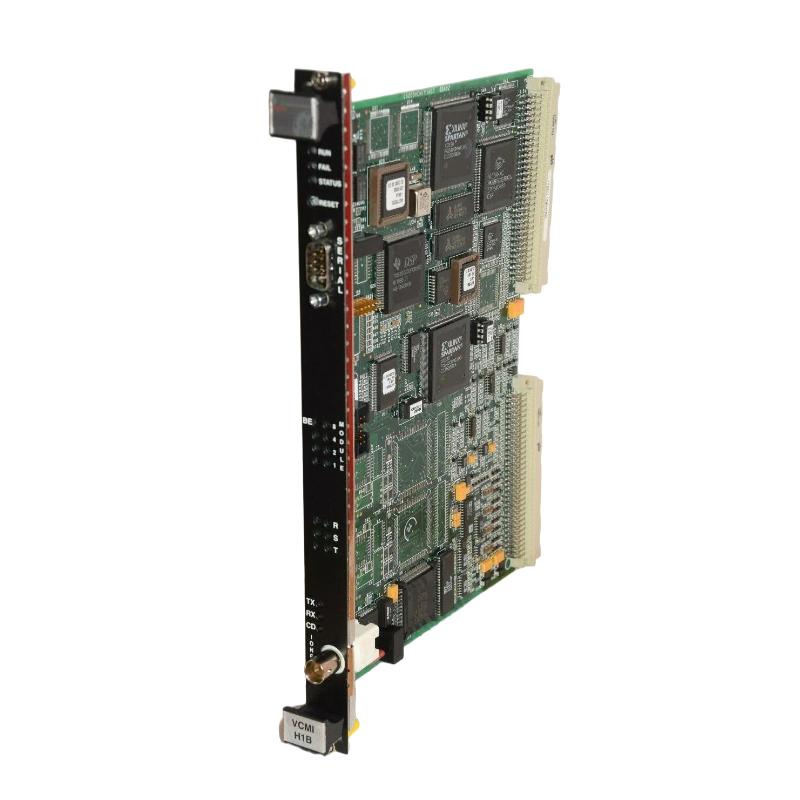
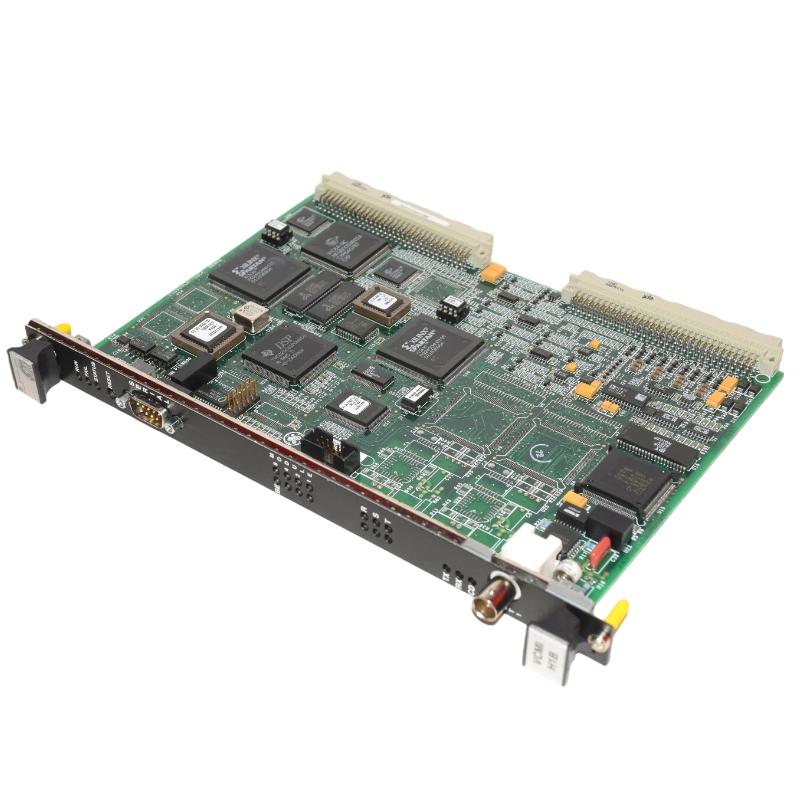
  4. GE IS200VCMIH1BCC VME Bus Main Controller Board
GE IS200VCMIH1BCC VME Bus Main Controller Board

GE IS200VCMIH1BCC VME Bus Main Controller Board

0.0
Points

Brand:GE Fanuc PLC
Item No.:IS200VCMIH1BCC
Product Origin:USA
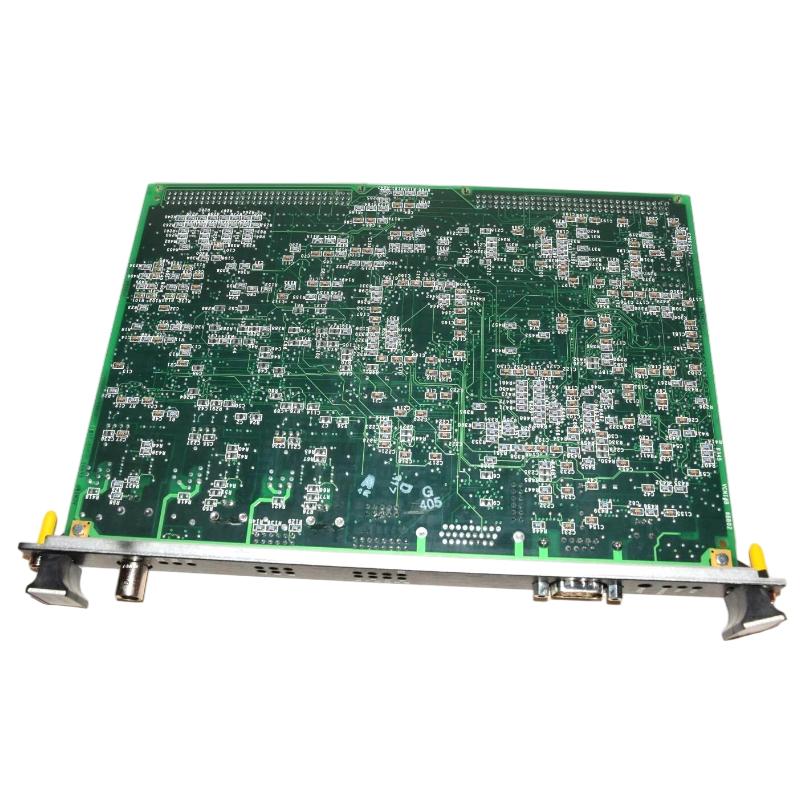
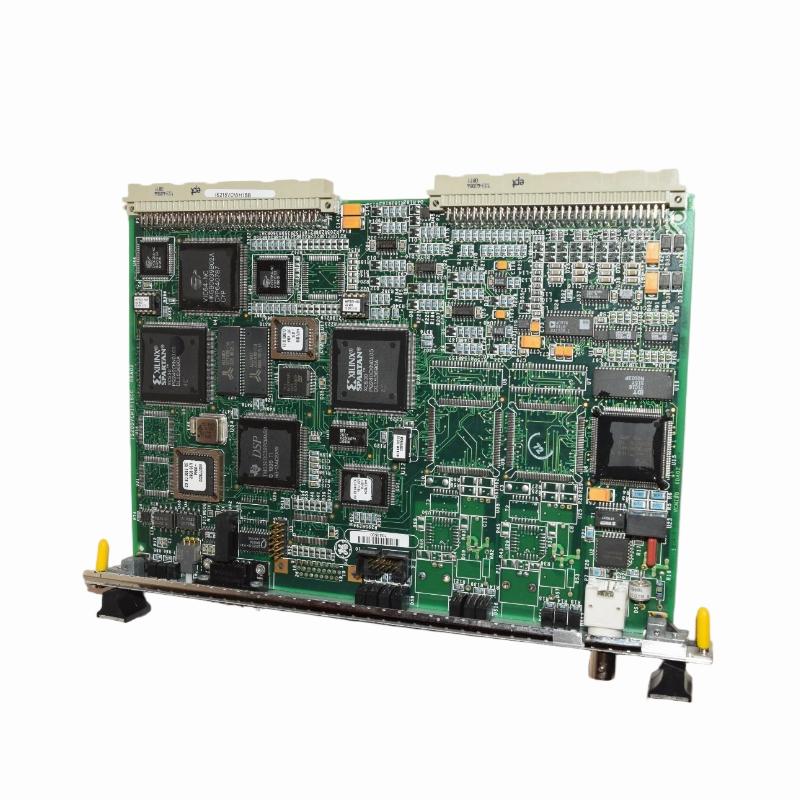
Product Dimensions:330.2 x 20 x 178 mm
Product Weight:0.49 kg
Payment:T/T, Western Union, Credit Card
Goods_stock:15
Shipping Port:Xiamen, China
Lead Time:1-3 Days
Condition:Brand New And Original
Warranty:1 Year
Certificate:COO

Add to cart


Introduction

The GE IS200VCMIH1BCC VME Bus Main Controller Board is a critical system component responsible for managing communication across GE Mark VI turbine control platforms. Acting as the central VME bus coordinator, it ensures that all connected modules—including I/O cards, controllers, and monitoring devices—operate in synchronized communication.

Built for industrial reliability, the module is designed to withstand harsh operating environments while maintaining deterministic system performance. Its role is essential in ensuring stable turbine operation, efficient signal exchange, and system-wide coordination in mission-critical power generation applications.


Technical Specifications

ParameterSpecification
Product ModelIS200VCMIH1BCC
Product TypeVME Bus Main Controller Board
BrandGE
FunctionSystem communication and VME bus control
ApplicationTurbine control, industrial automation, power generation
System RoleBus master controller
ArchitectureVME-based control system
InstallationRack-mounted control system
Dimensions330.2 × 20 × 178 mm
Weight0.49 kg (1.08 lb)


Applications

The GE IS200VCMIH1BCC VME Bus Main Controller Board is a core communication and control module used in GE Mark VI turbine control architectures. It functions as the central bus controller responsible for managing data exchange across VME-based control systems. Typical applications include:

  • Gas and steam turbine control systems
  • Power plant distributed control systems (DCS)
  • VME-based industrial automation platforms
  • Turbine I/O coordination and system communication management
  • Generator control and monitoring systems
  • Redundant control architectures in critical energy systems
  • High-speed data exchange between control and I/O modules
  • Industrial process control requiring deterministic communication


Advantages

  • Acts as the central communication backbone for VME system architecture
  • Ensures deterministic and synchronized data exchange between modules
  • High reliability design for continuous turbine operation environments
  • Supports redundant and fault-tolerant system configurations
  • Robust industrial construction for vibration and electrical noise resistance
  • Optimized for GE Mark VI control system integration
  • Enhances system stability through structured bus management
  • Reduces communication latency across control modules
  • Facilitates scalable system expansion in industrial automation setups
  • Proven architecture widely used in mission-critical power generation systems 


Technical FAQs

  1. What is the primary function of the IS200VCMIH1BCC?
    It serves as the main VME bus controller managing communication between system modules.
  2. Is it used in turbine control systems?
    Yes, it is widely used in GE Mark VI turbine control platforms.
  3. What does VME bus control mean in this context?
    It refers to managing structured data exchange between controller and I/O boards within the system.
  4. Does it support redundant system configurations?
    Yes, it is designed for use in redundant and fault-tolerant control architectures.
  5. Why is this module important in industrial automation?
    It ensures stable and synchronized communication across all control components.
  6. Can it operate in harsh environments?
    Yes, it is engineered for high vibration, heat, and electrical noise conditions.
  7. Does it interact with I/O modules directly?
    Yes, it coordinates data flow between controller and distributed I/O boards.
  8. Is it specific to GE systems?
    It is primarily designed for GE Mark VI control system architecture.
  9. What happens if the bus controller fails?
    It can disrupt system-wide communication, which is why redundancy is often used.
  10. Is it used in modern upgrades?
    Yes, it is still used in many installed turbine systems and retrofit environments. 


Look forward to your comments!Comment
Latest comments
Tags:
Need Assistance? Chat with Us on WhatsApp!
Need Assistance? Click to Inquire
Back to top