Brand:GE Fanuc PLC Item No.:GE IS210AEDBH3A Product Origin:USA Product Dimensions:16 cm × 16 cm × 12 cm Product Weight:1.0 kg Payment:T/T, Western Union, Credit Card Goods_stock:15 Shipping Port:Xiamen, China Lead Time:1-3 Days Condition:Brand New And Original Warranty:1 Year Certificate:COO
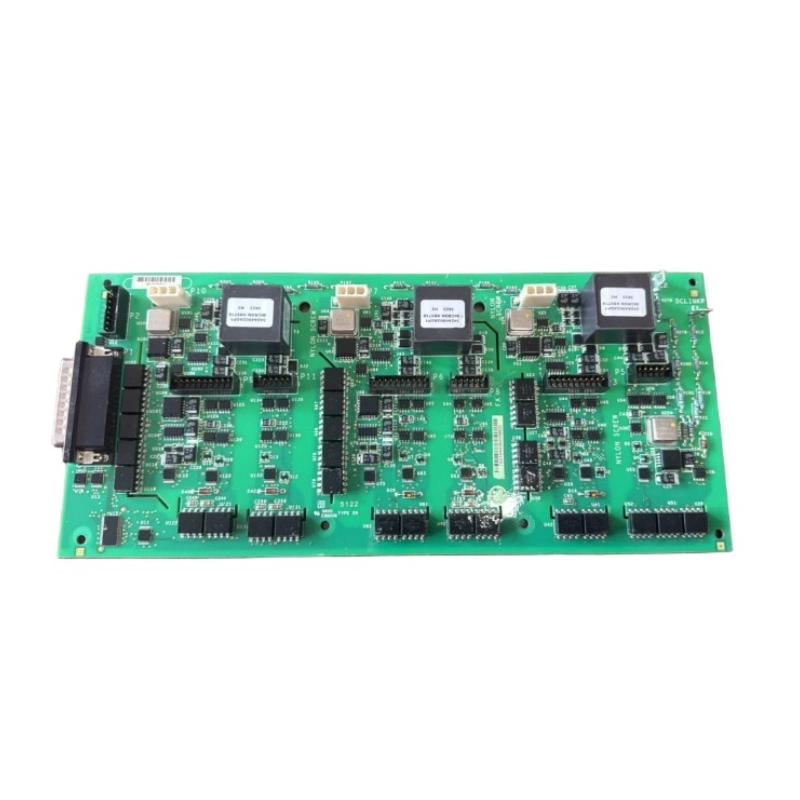
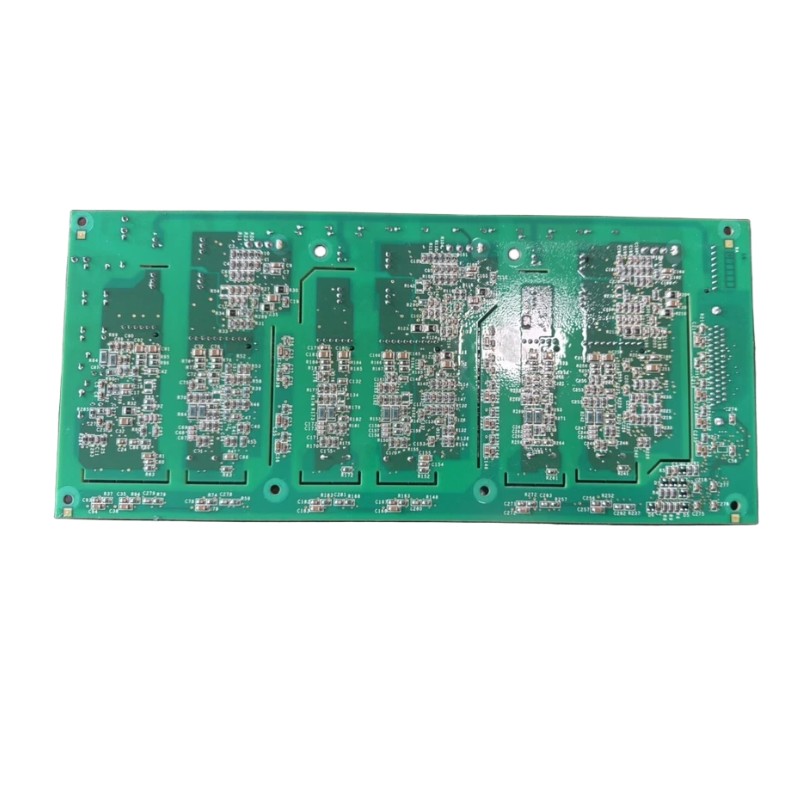
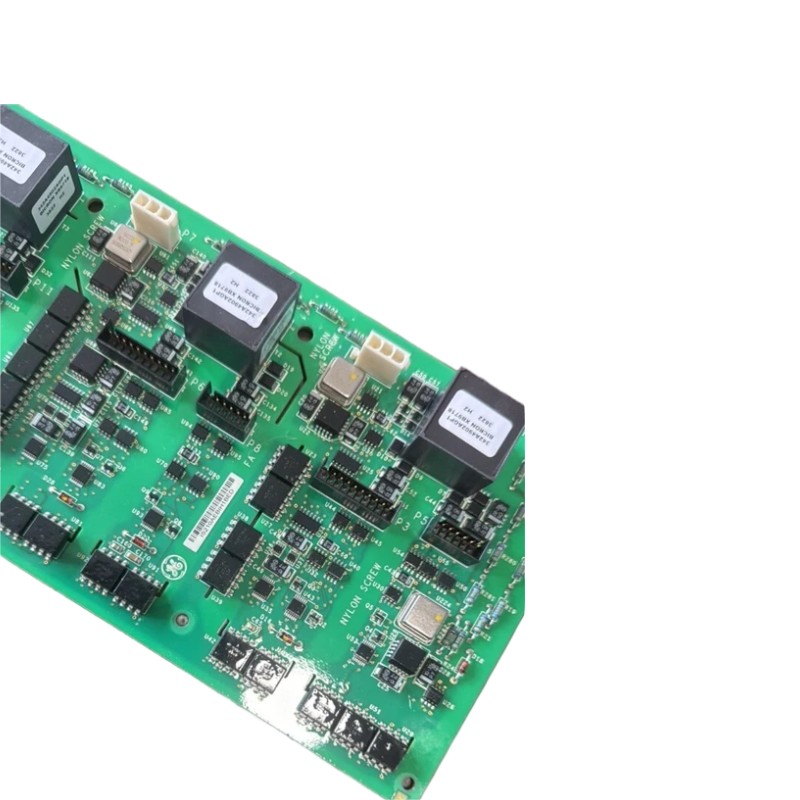
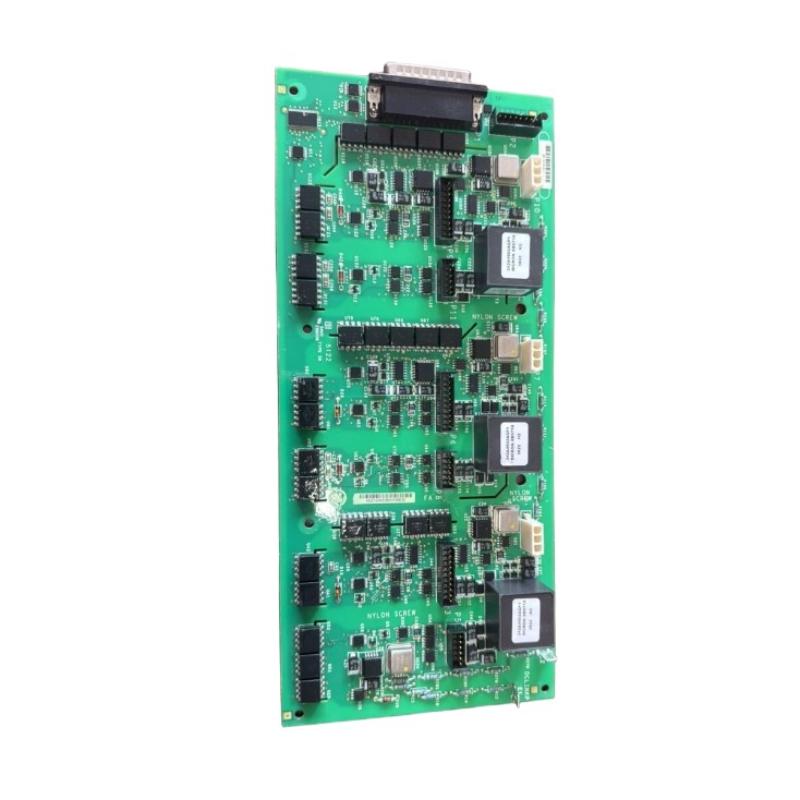
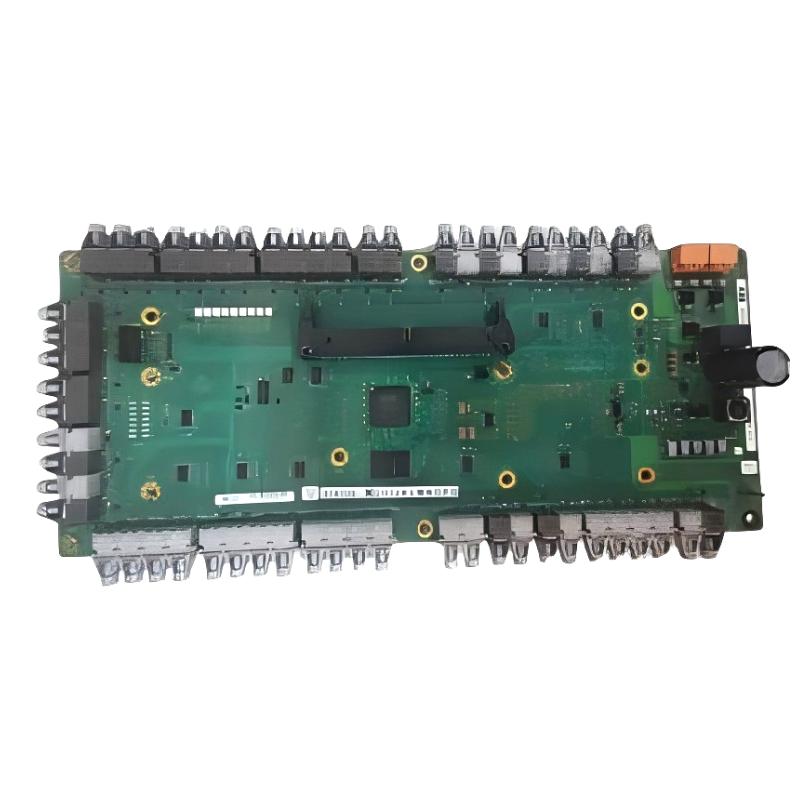
The GE IS210AEDBH3A is a Bridge Interface Board used in GE Speedtronic Mark VI / Mark VIe turbine control systems. It is designed to manage high-speed signal routing, data bridging, and system-level interface communication between control processors, I/O packs, and distributed turbine subsystems.
This module is commonly deployed in gas turbine, steam turbine, and combined-cycle power generation systems, where reliable data exchange between control layers is essential for stable operation, sequencing accuracy, and protection logic execution.
Built with industrial-grade components and conformal coating protection, the IS210AEDBH3A is engineered for continuous operation in harsh environments such as turbine control cabinets and power plant automation systems.
Inter-module data routing within turbine control architecture
Communication Path
Internal Mark VI / Mark VIe backplane bus
Processing Role
Signal coordination and interface logic support
Electrical Design
Industrial signal conditioning + isolation circuitry
Protection
Conformal-coated PCB for environmental durability
Redundancy Support
Compatible with redundant control architectures
Diagnostics
System-level status monitoring via controller
Mounting Type
Rack / control cabinet backplane installation
Operating Temperature
-30°C to +65°C
Storage Temperature
-40°C to +85°C
Humidity Range
5%–95% non-condensing
Dimensions
Approx. 16 cm × 16 cm × 12 cm (varies by revision)
Weight
Approx. 0.6–1.0 kg
Recommended Related Models
Model
Function
IS210AEBIH3BED
Analog I/O bridge interface module
IS200STCIH2A
System interface board
IS220UCSAH1A
Mark VIe controller module
IS220PAICH1A
Analog input I/O pack
IS220PDOAH1A
Digital output I/O pack
IS200WNPSH1A
Power supply interface board
Popular GE Mark VI / Mark VIe Modules
Model
Function
IS420UCSBH4A
Main turbine controller module
IS200EGDMH1A
Excitation control module
IS200TVIBH2A
Vibration monitoring terminal board
IS200TRLYH1A
Relay output board
IS220PPDAH1A
Power distribution assembly
IS200VAICH1C
Analog signal conditioning board
Industrial Applications
The IS210AEDBH3A Bridge Interface Module is used in turbine control systems where reliable communication between control layers is essential.
Typical applications include:
GE Mark VI / Mark VIe turbine control systems
Gas turbine automation and sequencing systems
Steam turbine generator control systems
Combined-cycle power plants
Industrial SCADA turbine communication layers
Generator control and protection coordination
Power plant distributed control architecture
In these environments, stable signal bridging ensures that turbine logic, field I/O data, and controller instructions remain synchronized and reliable.
Core Advantages
High-Speed Signal Bridging
Supports stable data and signal routing between turbine control subsystems, improving system coordination.
Industrial Reliability Design
Built for continuous operation in high-temperature, high-vibration, and electrically noisy environments.
Seamless System Integration
Fully compatible with GE Speedtronic Mark VI / Mark VIe distributed control systems.
Improved Control Coordination
Enhances communication flow between controllers, I/O modules, and protection systems.
Long Lifecycle Deployment
Designed for long-term use in installed turbine fleets worldwide, including legacy and modernized systems.
Technical FAQs
1. What is GE IS210AEDBH3A used for?
It is used as a bridge interface board for signal routing and communication in GE turbine control systems.
2. Which systems use it?
It is used in GE Mark VI and Mark VIe Speedtronic platforms.
3. Is it a controller module?
No, it is an interface/bridge module, not a CPU or processor.
4. What is its main function?
It manages signal bridging and internal communication between control system components.
5. Where is it installed?
Inside GE turbine control cabinets on rack/backplane assemblies.
6. Does it handle analog or digital signals?
It supports system-level control and communication signals (architecture dependent).
7. Is it used in power plants?
Yes, it is widely used in industrial power generation and turbine automation systems.
8. Does it support redundancy?
Yes, it is compatible with redundant turbine control configurations.
9. What happens if it fails?
It may disrupt internal communication between turbine control subsystems, affecting system coordination.
10. Why is it important?
Because it ensures stable and synchronized communication between turbine control modules, which is critical for safe and efficient operation.