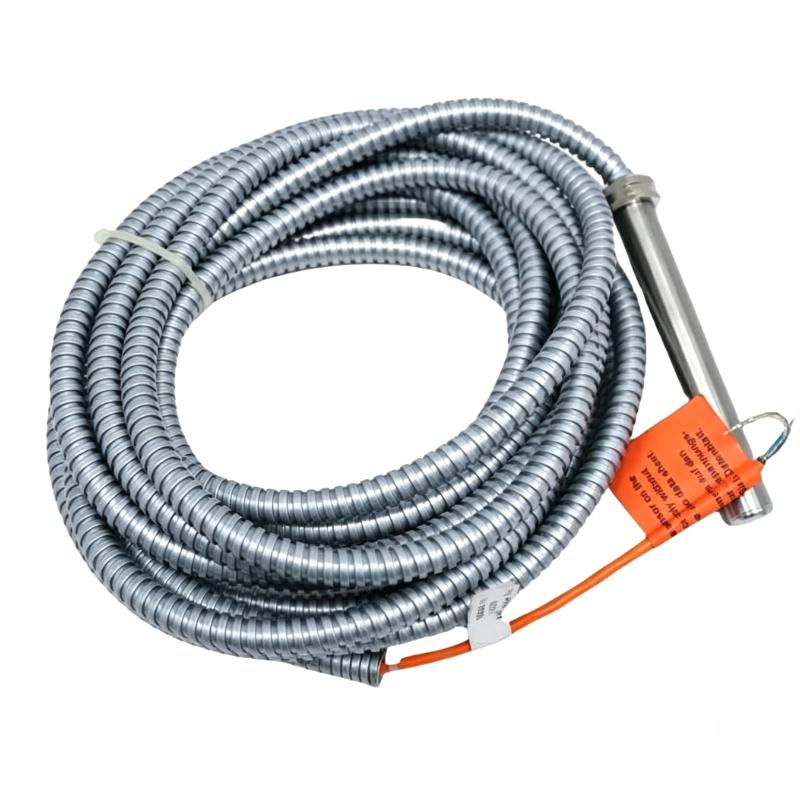
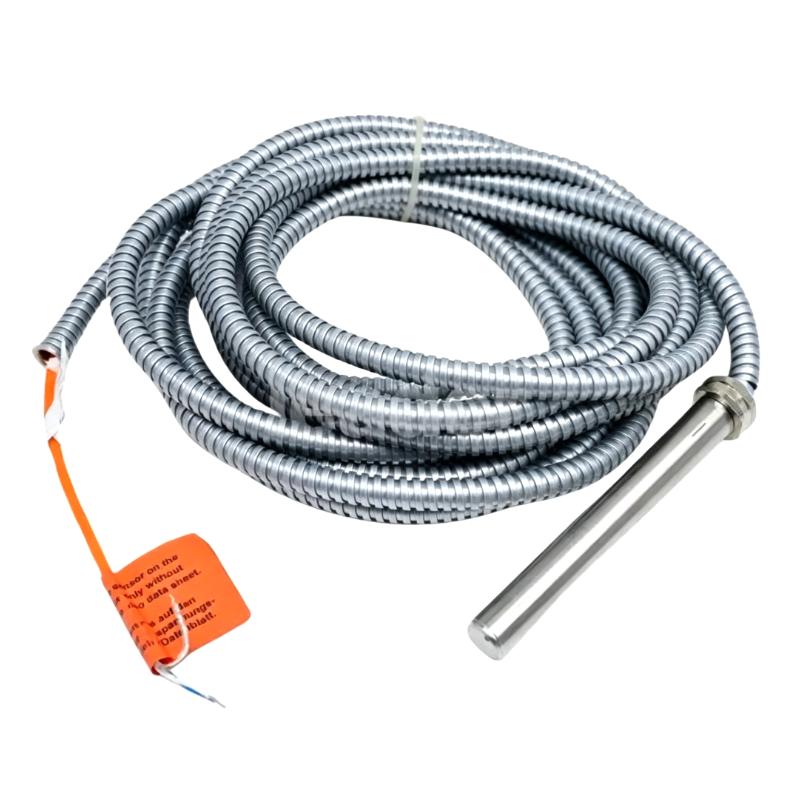
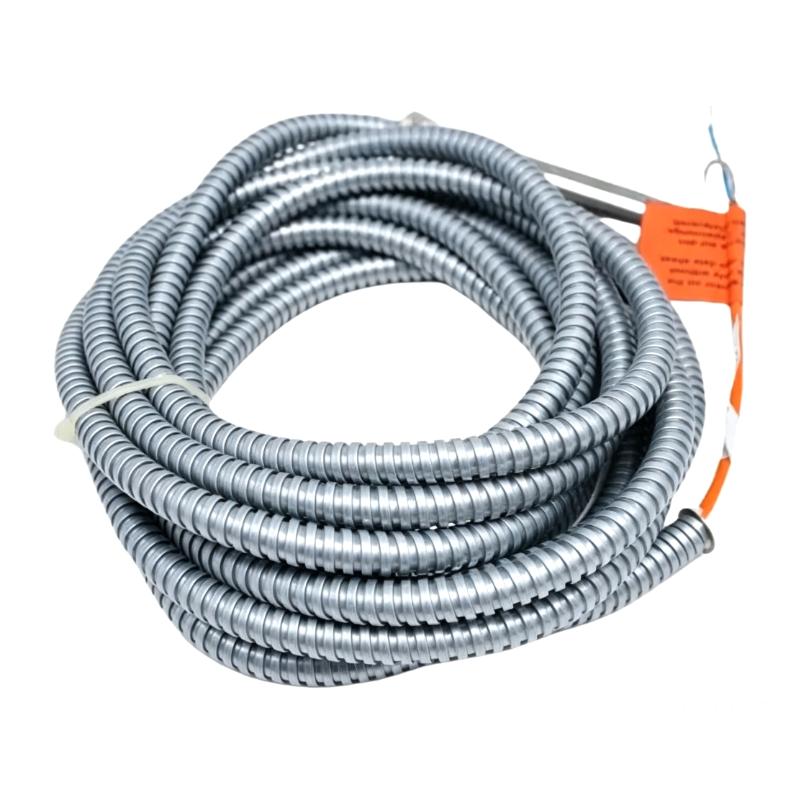
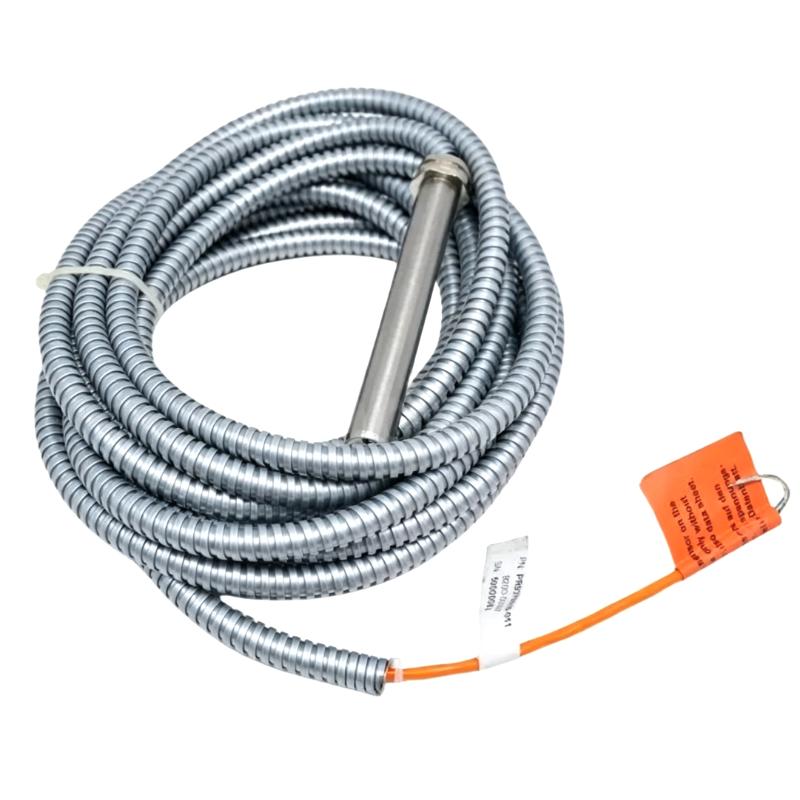
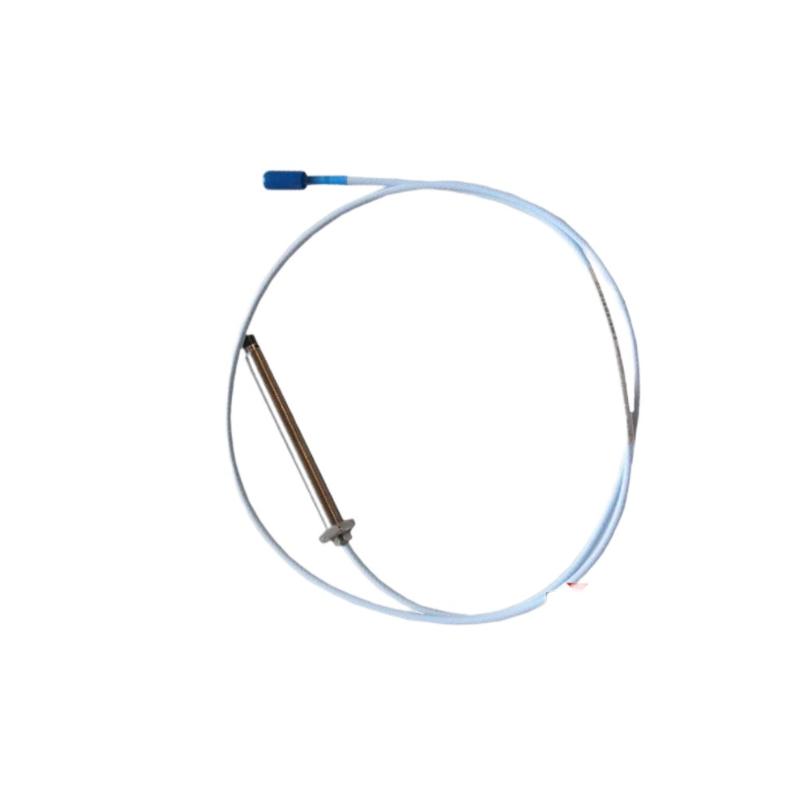
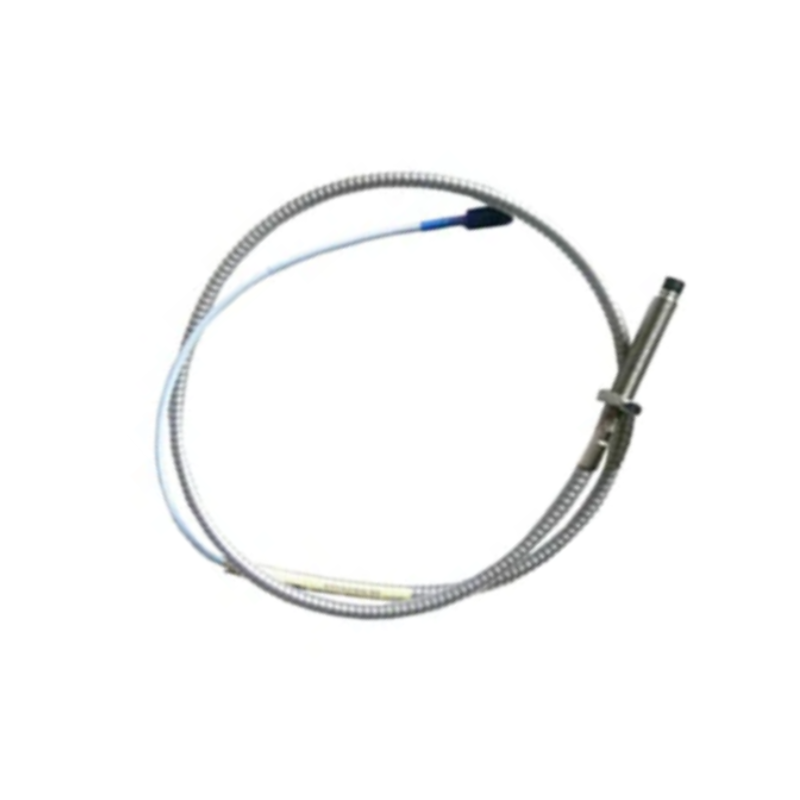
Brand:Epro PLC Item No.:PR9376/010-011 Product Origin:Germany Product Dimensions:Diameter: 14 mm Product Weight:0.21 kg Payment:T/T, Western Union, Credit Card Goods_stock:15 Shipping Port:Xiamen, China Lead Time:1-3 Days Condition:Brand New And Original Warranty:1 Year Certificate:COO
The Epro PR9376/010-011 Speed / Proximity Sensor is a high-performance non-contact sensing device designed for accurate rotational speed and proximity detection in industrial applications. It is widely used in turbines, compressors, pumps, fans, and gear systems where precise measurement is critical for operational safety and efficiency.
Technical Specifications
Parameter
Specification
Product Name
Speed / Proximity Sensor
Model Number
PR9376/010-011
Manufacturer
Epro
Sensor Type
Hall Effect Speed / Proximity Sensor
Measurement Type
Non-contact speed and proximity detection
Output Signal
1 AC cycle per revolution / gear tooth
Operating Voltage
10–30 VDC
Protection Rating
IP67
Operating Temperature
-25°C to 100°C
Storage Temperature
-40°C to 100°C
Maximum Frequency
12 kHz
Installation Area
Turbines, compressors, pumps, fans, gear systems
Weight
0.21 kg
Dimensions
14 mm sensor head diameter (max)
Recommended Related Models
Model
Product Name
PR9376/000-001
Speed / Proximity Sensor Basic Version
PR9376/010-001
Hall Effect Speed Sensor Standard Model
PR9268/302-100
Electric Speed Sensor Industrial Type
MMS6110
Machinery Monitoring Signal Processing Module
Popular Related Models
Model
Product Name
PR9376/020-011
Enhanced Speed / Proximity Sensor Version
PR9376/030-011
High-Temperature Speed Sensor Model
A6415
Machinery Protection Monitoring Module
A6500-UM
Universal Condition Monitoring System Module
Applications
• The PR9376/010-011 is used for precise speed and proximity monitoring in turbines, compressors, and other critical rotating machinery.
• It is widely applied in steam, gas, and hydro power systems to ensure stable and accurate rotational speed detection.
• The sensor supports condition monitoring in pumps, fans, and gear-driven systems by detecting real-time speed variations.
• It is suitable for industrial automation systems that require non-contact detection of rotating components and gear positions.
• It is commonly used in machinery protection systems to enhance operational safety and prevent mechanical failure.
Key Advantages
• Provides high-precision non-contact measurement for both speed and proximity detection applications.
• Delivers fast response signals with stable output performance even in high-speed rotating environments.
• Ensures reliable operation in harsh industrial conditions with strong anti-interference capability.
• Supports integration into turbine monitoring and machinery protection systems for improved reliability.
• Enables accurate detection of low and high rotational speeds with consistent signal quality.
Technical FAQs
1. What is the PR9376/010-011 used for?
It is used for measuring rotational speed and detecting proximity in industrial machinery systems.
2. What sensing technology does it use?
It is based on Hall effect technology for non-contact speed and position detection.
3. Which industries use this sensor?
It is widely used in power generation, oil and gas, petrochemical, and industrial automation sectors.
4. What types of machinery is it suitable for?
It is used on turbines, compressors, pumps, fans, and gear systems.
5. Does it require physical contact with the target?
No, it operates as a non-contact sensor, reducing wear and maintenance requirements.
6. Can it measure both speed and proximity?
Yes, it supports both rotational speed measurement and proximity detection functions.
7. Is it suitable for high-speed applications?
Yes, it is designed to handle both high and low rotational speed conditions.
8. Can it be used in turbine monitoring systems?
Yes, it is commonly integrated into turbine supervisory and protection systems.
9. Does it provide stable output signals?
Yes, it delivers stable and consistent electrical signals for monitoring systems.
10. Is it suitable for harsh industrial environments?
Yes, it is designed for reliable performance in demanding industrial conditions.