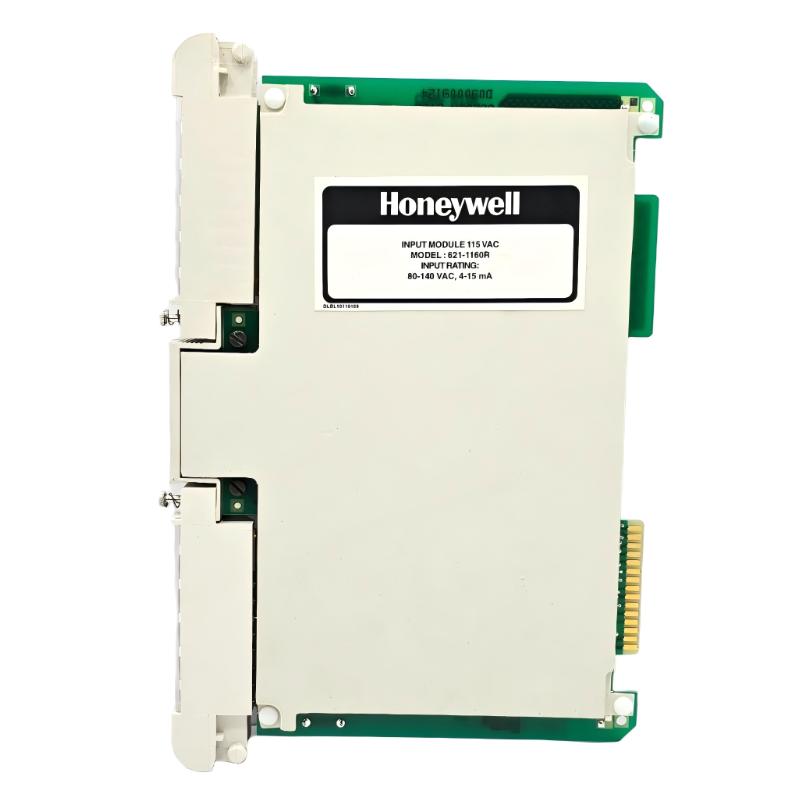
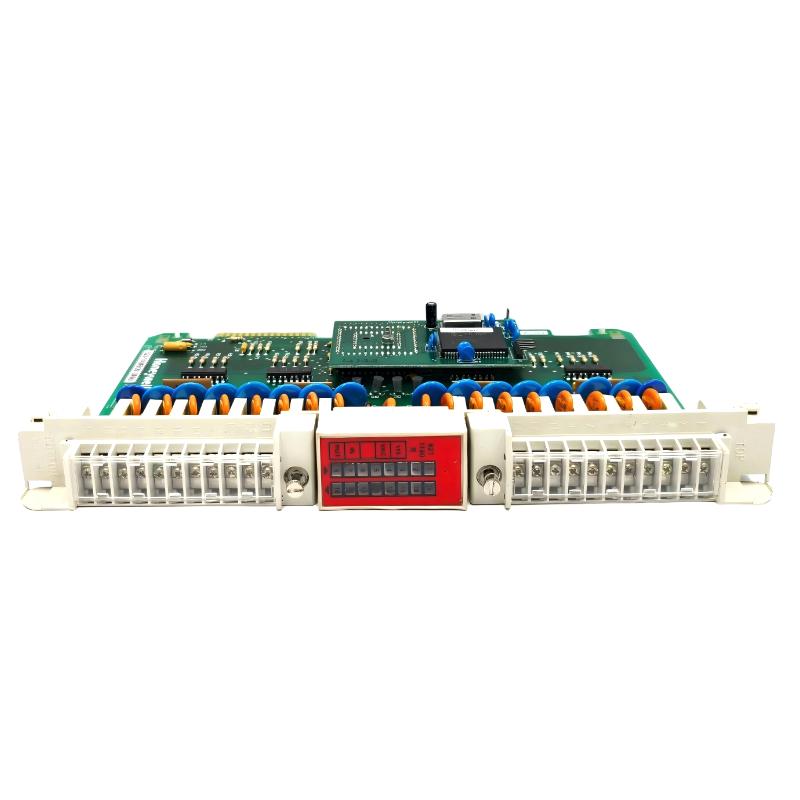
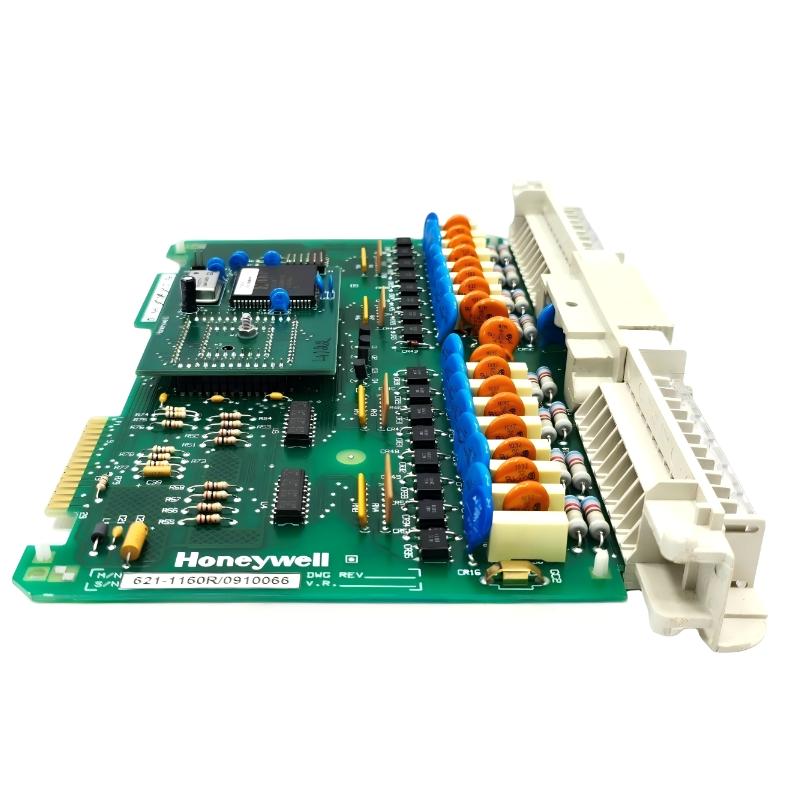
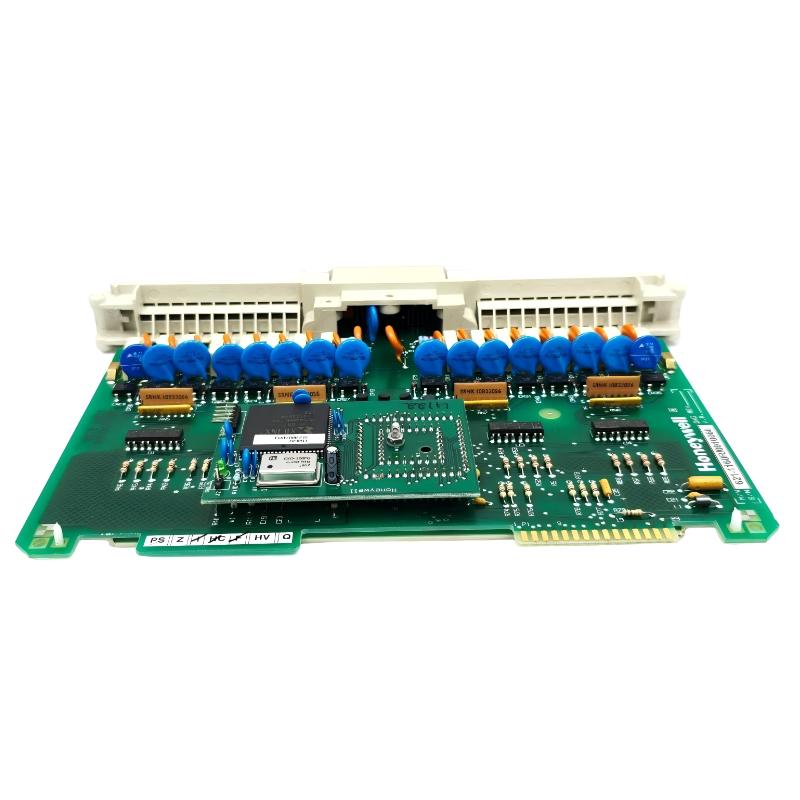
Brand:Honeywell DCS Item No.:621-1160R Product Origin:USA Product Dimensions:145 x 100 x 40 mm Product Weight:0.27 kg Payment:T/T, Western Union, Credit Card Goods_stock:15 Shipping Port:Xiamen, China Lead Time:1-3 Days Condition:Brand New And Original Warranty:1 Year Certificate:COO
The Honeywell 621-1160R Numeric Input Module is a legacy industrial control component designed for Honeywell IPC and LC automation systems. It provides reliable handling of operator-entered numeric data, enabling efficient interaction with process control applications. Built for durability and long-term stability, it remains widely used in installed industrial systems where maintaining existing control infrastructure is critical.
Technical Specifications
Parameter
Specification
Model
621-1160R
Function Type
Numeric Input / Operator Interface Module
System Compatibility
Honeywell IPC / LC series
Input Type
Numeric / operator control input
Dimensions
145 mm × 100 mm × 40 mm
Weight
0.27 kg
Operating Temperature
Industrial-grade PLC environment
Mounting Type
Rack-mounted module
Application Type
Industrial automation / process control
Recommended Related Models
Model
Product Name
621-1180
Honeywell Digital Input Module
621-1170
Honeywell Control Interface Module
620-3632C
Honeywell Control Processor Module
621-1150
Honeywell Signal Interface Module
Popular Related Models
Model
Product Name
621-1160R
Honeywell Numeric Input Module
621-1160
Honeywell Input Module Variant
621-1180R
Honeywell Digital Input Module
620-0050
Honeywell IPC Control Module
Applications
• Provides numeric input handling for Honeywell legacy industrial control systems.
Commonly used in operator stations for data entry, setpoint adjustment, and process parameter configuration.
• Integrates with Honeywell IPC / LC series automation architectures.
Supports reliable communication between operator input devices and control processors.
• Used in industrial process environments such as oil & gas, chemical plants, and power generation systems.
Enables structured manual input for control logic and monitoring functions.
• Supports human–machine interaction within distributed control systems.
Improves operational flexibility for field and control room operators.
Key Advantages
• Stable numeric input processing.
Ensures accurate and reliable operator data entry in industrial environments.
• Designed for legacy Honeywell automation systems.
Maintains compatibility with installed base IPC/LC control platforms.
• Compact and lightweight module design.
Simplifies installation within existing rack-based control systems.
• Industrial-grade reliability.
Built for continuous operation in environments with vibration, heat, and electrical noise.
• Improves operator control efficiency.
Enables fast and structured input of process values and system commands.
Technical FAQs
1. What is the main function of the 621-1160R module?
It processes numeric input signals used for operator interaction and control in Honeywell systems.
2. Is this module part of a PLC system?
Yes, it is used within Honeywell IPC/LC-based PLC and control architectures.
3. What type of input does it handle?
It is designed for numeric and operator-entered control data within industrial systems.
4. Is it still actively manufactured?
No, it is generally considered a legacy or discontinued module but still widely used in installed systems.
5. Can it operate in harsh environments?
Yes, it is built for industrial conditions including vibration, EMI, and temperature variation.
6. Does it require external configuration?
Configuration depends on the host Honeywell system architecture and control software.
7. Can it be replaced with modern Honeywell modules?
Replacement requires system evaluation due to legacy architecture differences.
8. Does it store input data internally?
No, input data is typically processed and managed by the system controller.
9. What industries commonly use this module?
Oil & gas, petrochemical, refining, and heavy industrial automation.
10. What is its main benefit in legacy systems?
It ensures continued usability of existing Honeywell control infrastructure without system redesign.