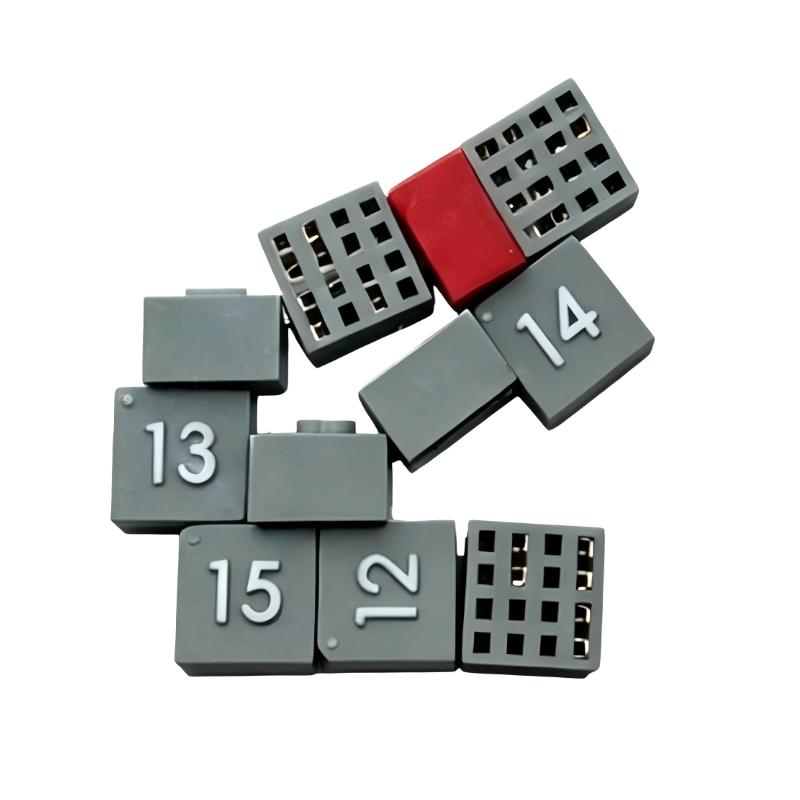
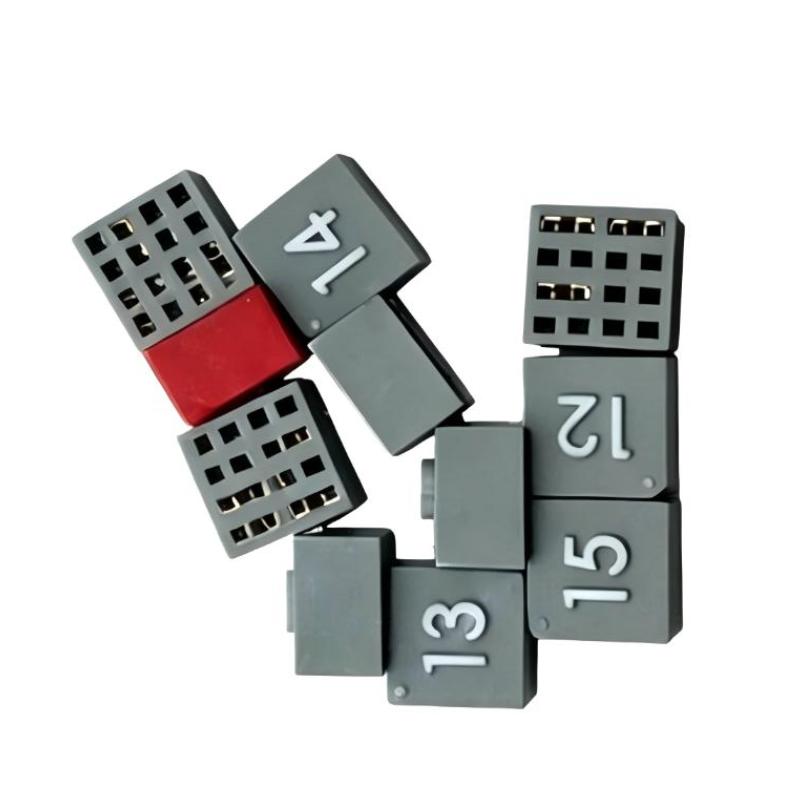
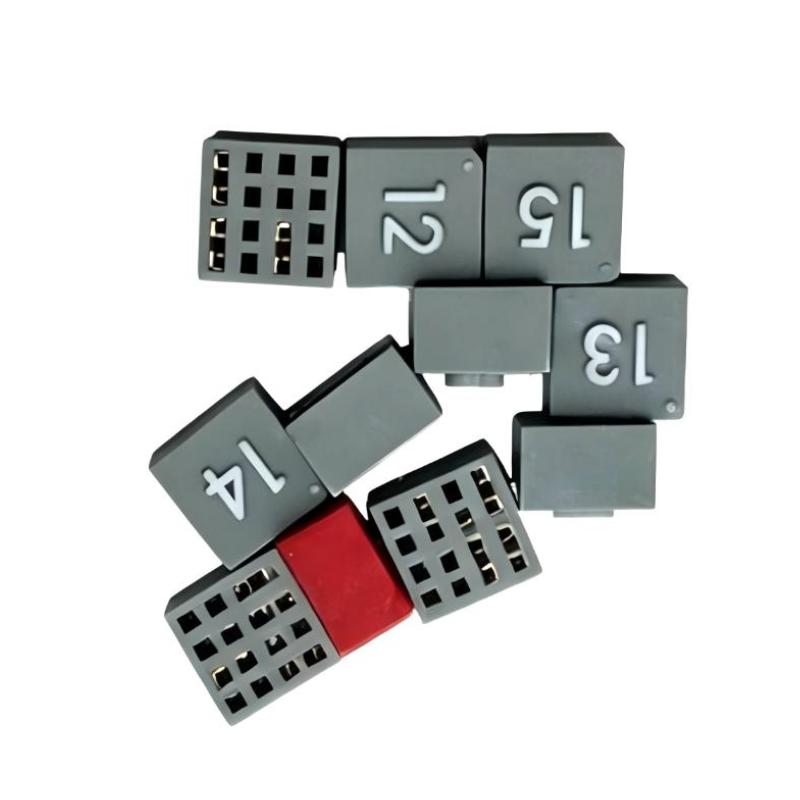
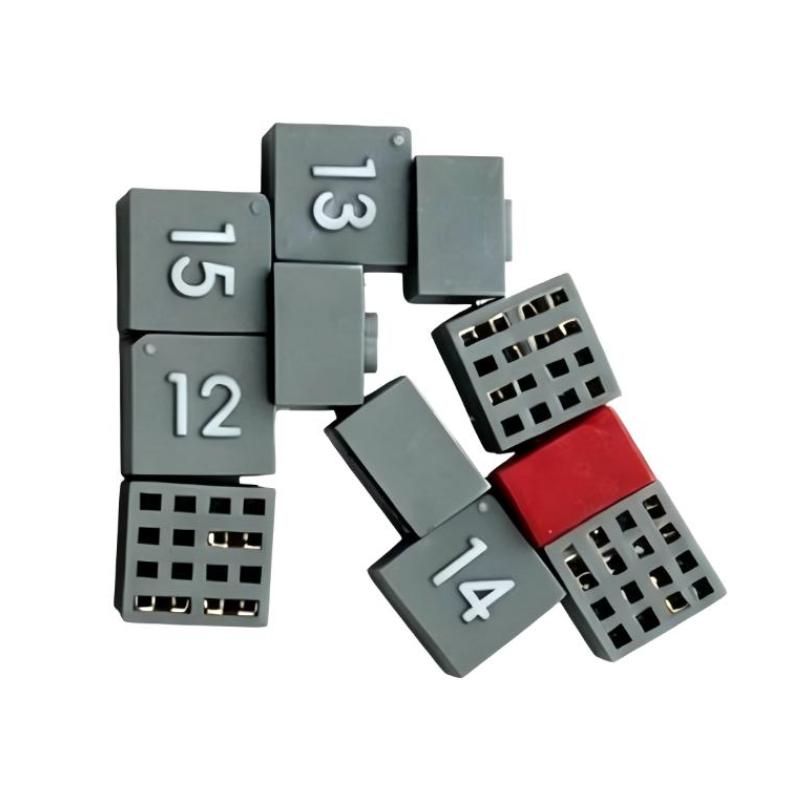
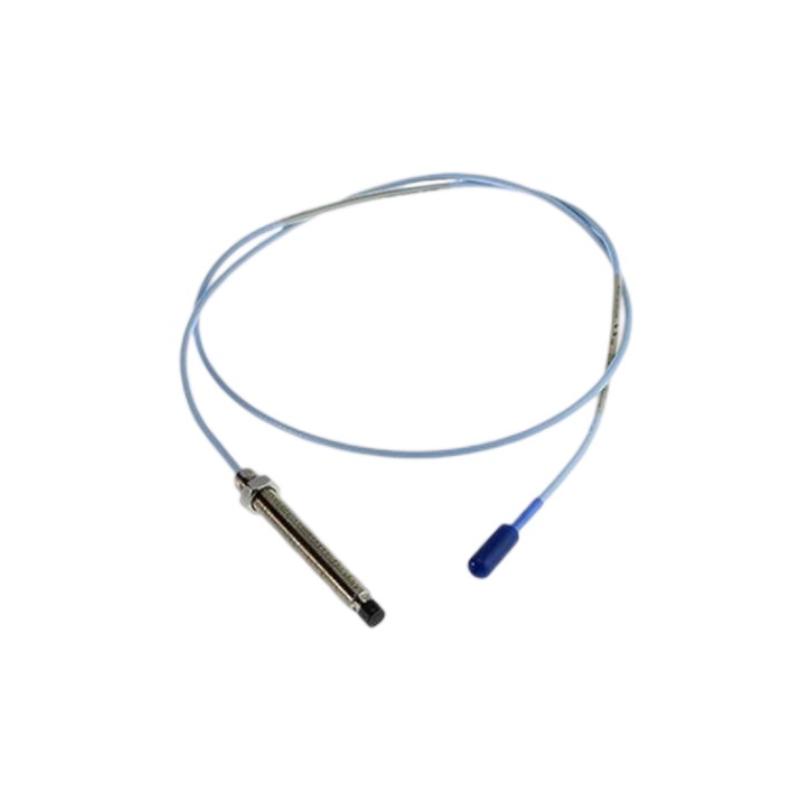
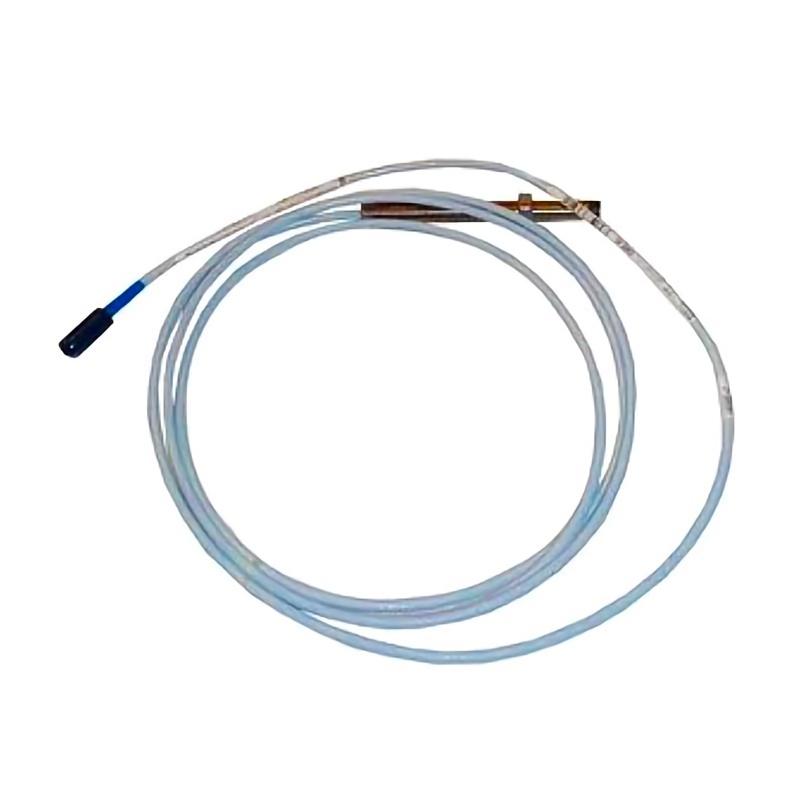
Brand:Honeywell DCS Item No.:51153818-202 Product Origin:USA Product Dimensions:50 x 20 x 30 mm Product Weight:0.1 kg Payment:T/T, Western Union, Credit Card Goods_stock:15 Shipping Port:Xiamen, China Lead Time:1-3 Days Condition:Brand New And Original Warranty:1 Year Certificate:COO
The Honeywell 51153818-202 Node Address Jumpers are industrial configuration accessories used to define and manage node addresses within Honeywell distributed control systems. Designed for Experion PKS and related architectures, they ensure each module is properly identified within the network. With a compact and durable design, they simplify system commissioning, reduce configuration errors, and support stable long-term operation in complex industrial automation environments.
Technical Specifications
Parameter
Specification
Model
51153818-202
Function Type
Node Address Jumper Kit
System Compatibility
Honeywell Experion PKS / DCS systems
Dimensions
50 mm × 20 mm × 30 mm
Weight
0.1 kg
Material
Industrial-grade plastic jumper assembly
Application
Node addressing configuration in control systems
Operating Environment
Industrial control cabinet systems
Recommended Related Models
Model
Product Name
51153818-102
Honeywell Jumper Kit
MC-TAOX02
Honeywell Analog Output Board
620-3632C
Honeywell Control Processor Module
MC-TAMT04
Honeywell Analog Input Module
Popular Related Models
Model
Product Name
51153818-202
Honeywell Node Address Jumper Kit
51153818-201
Honeywell Node Address Jumper Variant
51304476-175
Honeywell Analog Output Board
620-0073C
Honeywell Power Supply Module
Applications
• Provides node address configuration for Honeywell distributed control systems.
Used to assign and manage unique node IDs for modules within industrial automation networks.
• Supports Honeywell Experion PKS and related process control architectures.
Ensures correct device identification across communication loops and field subsystems.
• Applied in large-scale process plants including oil & gas, petrochemical, and power generation facilities.
Helps maintain stable and organized network addressing in complex control systems.
• Used during installation, commissioning, and system maintenance phases.
Allows technicians to quickly configure or reassign node addresses in control cabinets.
Key Advantages
• Reliable node addressing configuration.
Ensures each module in the system is correctly identified and communicates without conflicts.
• Simple plug-and-play jumper design.
Reduces configuration time during commissioning and system expansion.
• Industrial-grade durable construction.
Designed for long-term use in control cabinets with vibration and EMI exposure.
• Clear identification labeling.
Numbered jumpers simplify installation and reduce human configuration errors.
• Compatible with Honeywell automation platforms.
Integrates seamlessly into Experion-based control architectures.
Technical FAQs
1. What is the main function of the 51153818-202 node address jumper?
It assigns and configures node addresses for Honeywell control system modules.
2. Is it an active electronic device?
No, it is a passive configuration accessory used for addressing only.
3. Which systems commonly use it?
It is used in Honeywell Experion PKS and compatible distributed control systems.
4. Does it require software configuration?
No direct software configuration is required for the jumper itself.
5. What happens if a jumper is missing or incorrect?
The system may fail to recognize the node or generate communication errors.
6. Is it reusable?
Yes, it can typically be reused if not physically damaged.
7. Can it be installed without powering down the system?
Installation practices depend on system design and site safety procedures.
8. Does it affect signal transmission quality?
No, it only defines node addressing and does not directly transmit signals.
9. Is it compatible with all Honeywell modules?
It is compatible with specific Honeywell systems designed for this addressing scheme.
10. Why is node addressing important in industrial systems?
It ensures correct device identification and prevents communication conflicts across the control network.