Schneider Electric Launches Software-Defined DCS, Accelerating the Future of Industrial Automation in 2026
Introduction
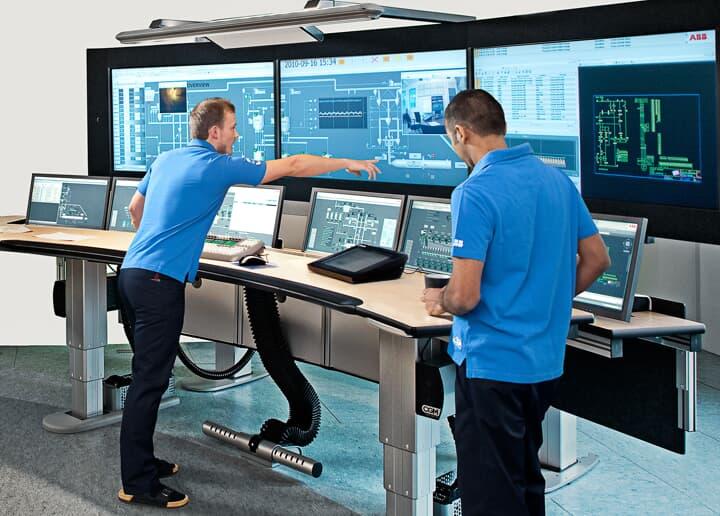
The industrial automation industry is undergoing a major transformation as leading technology providers shift from traditional hardware-based control systems to software-defined architectures. One of the most significant developments in 2026 is the launch of a new generation Distributed Control System (DCS) designed to increase flexibility, scalability, and cybersecurity in process industries.
Software-Defined Control Becomes the New Standard
The industrial automation industry is undergoing a major transformation as leading technology providers shift from traditional hardware-based control systems to software-defined architectures. One of the most significant developments in 2026 is the launch of a new generation Distributed Control System (DCS) designed to increase flexibility, scalability, and cybersecurity in process industries.
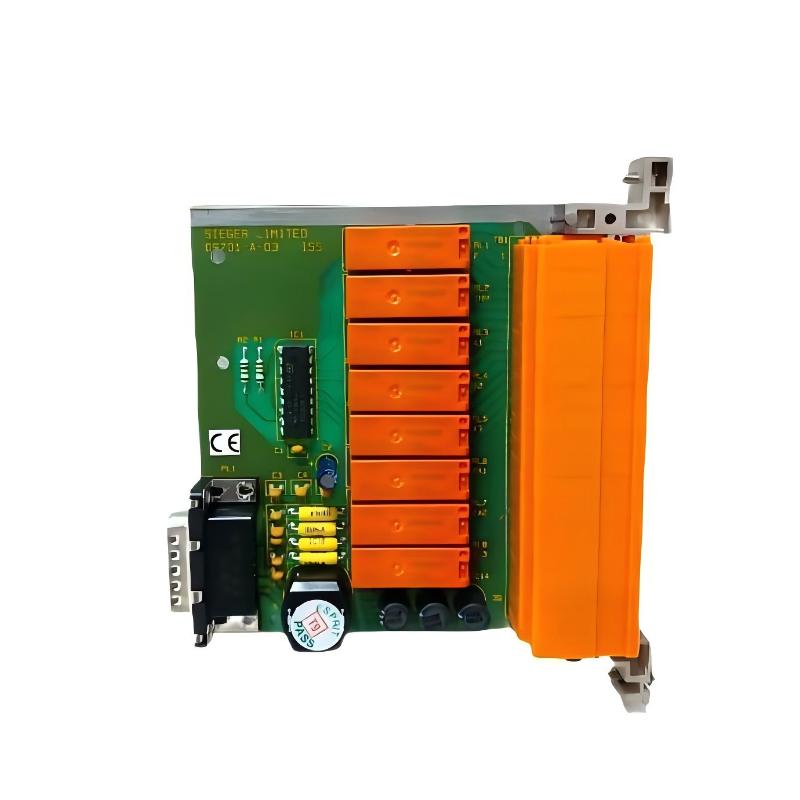
Traditional DCS platforms have long been known for reliability but are often limited by rigid hardware dependencies. The new model enables engineers to deploy control logic in a more flexible and modular way, significantly reducing downtime during upgrades and maintenance.
Key Advantages of the New DCS Architecture
Modern industrial operators are increasingly demanding systems that support digital transformation. The new software-defined approach delivers:
- Improved system scalability for large industrial plants
- Reduced lifecycle cost of automation infrastructure
- Enhanced cybersecurity through layered architecture
- Faster deployment of control updates
- Better integration with IIoT and cloud platforms
Industrial Impact and Market Trend
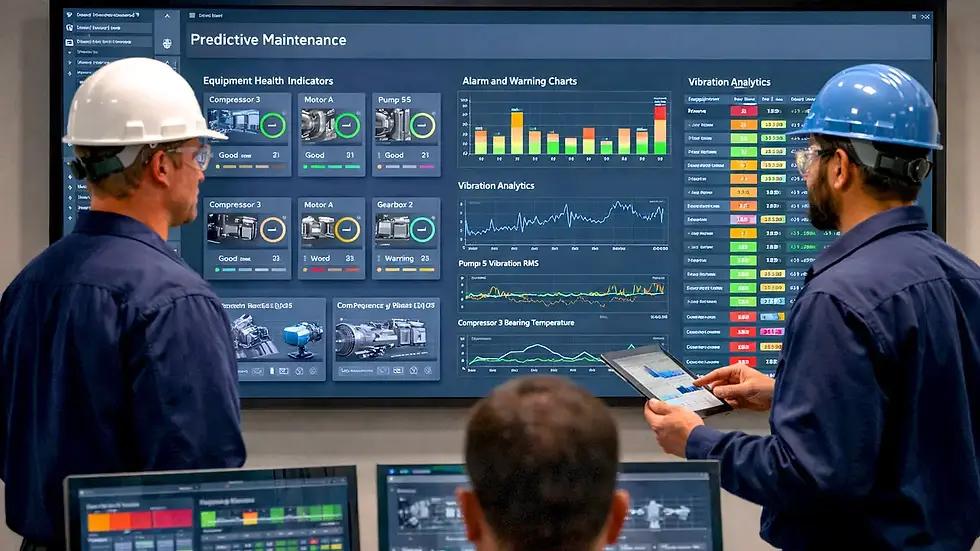
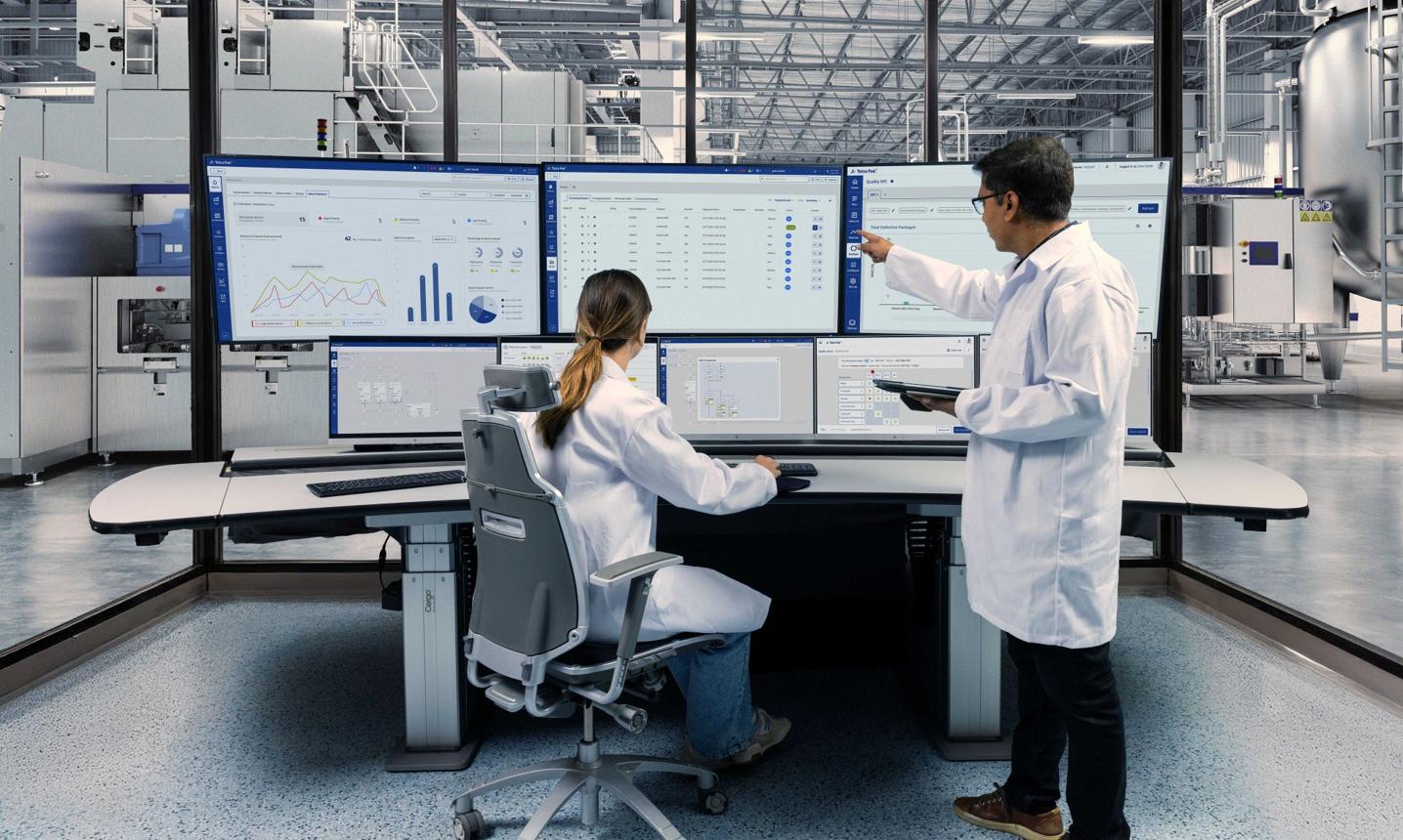
The move toward software-defined automation is part of a broader Industry 4.0 trend where industrial systems are becoming more connected, intelligent, and data-driven. Companies are now integrating DCS, SCADA, edge computing, and cloud analytics into unified ecosystems.
Experts expect that software-defined automation will become the dominant architecture within the next decade as companies aim to reduce dependency on legacy systems.