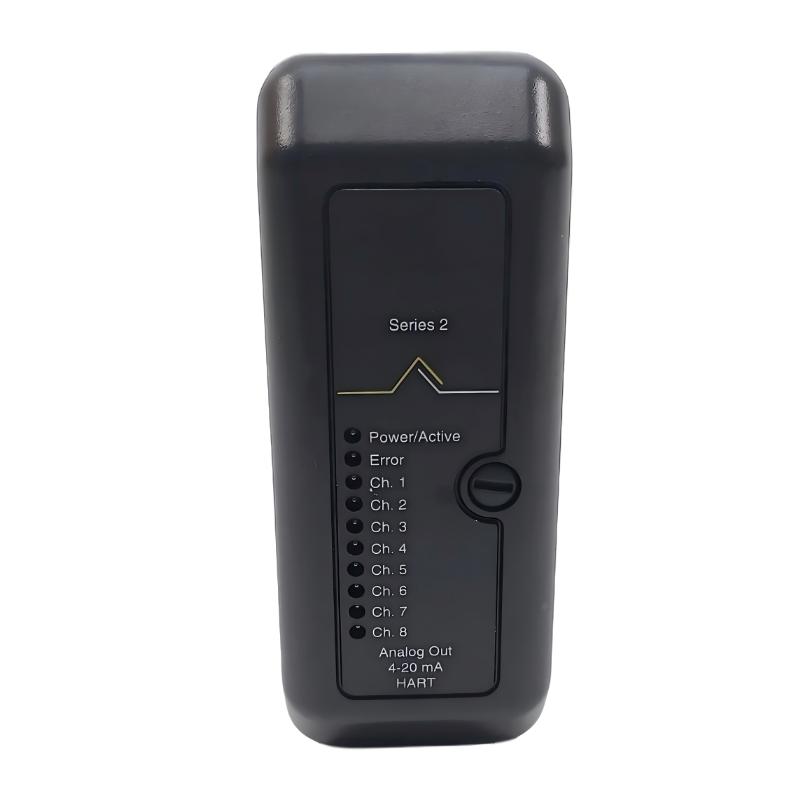
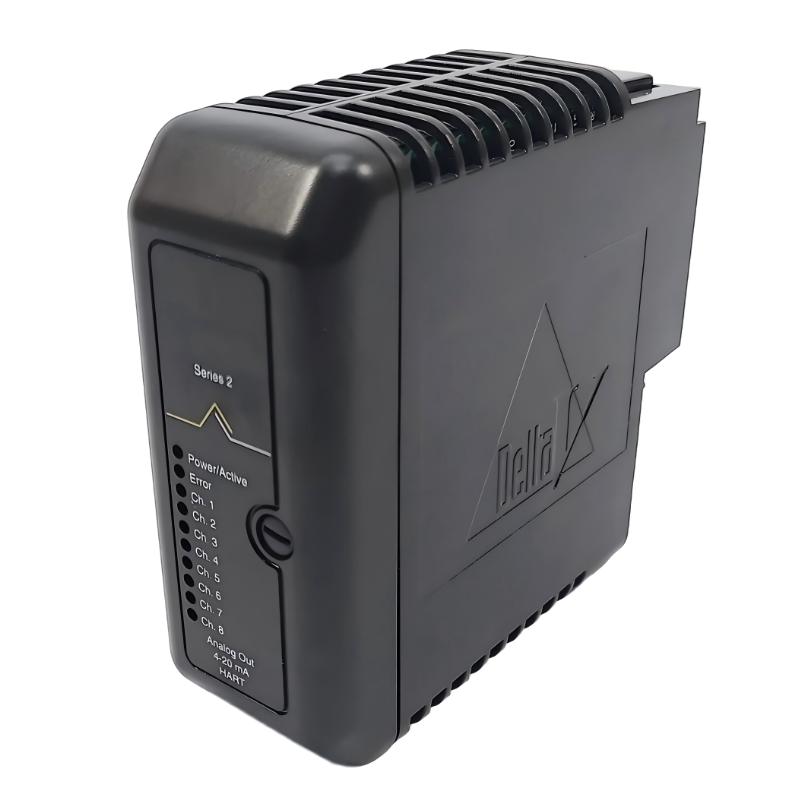
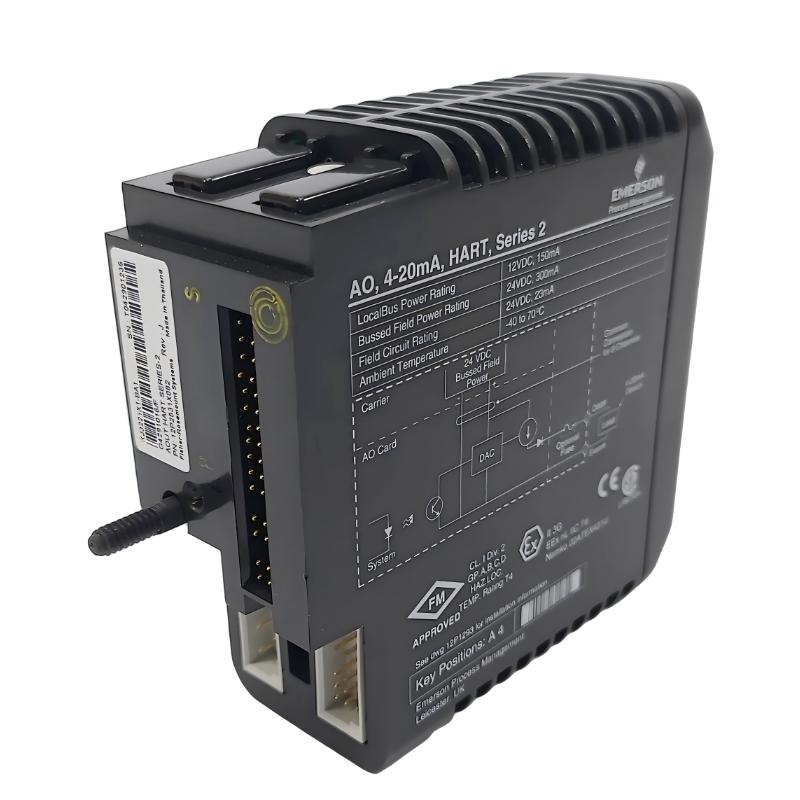
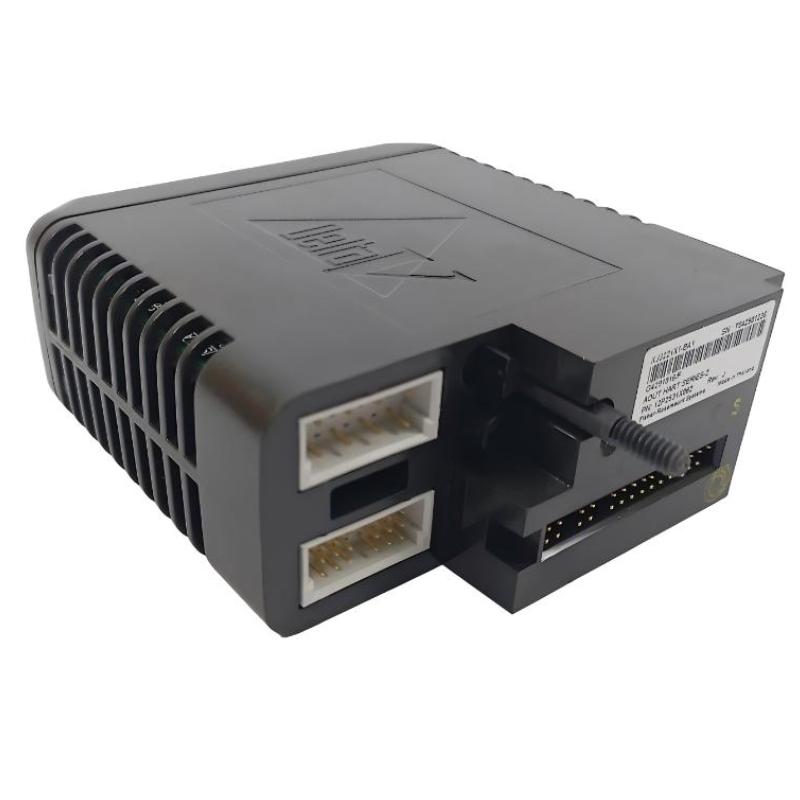
Applications • Emerson DeltaV distributed control systems used to integrate DeviceNet field devices such as drives, motor starters, and remote I/O modules.
• Industrial automation systems requiring gateway communication between DeltaV controllers and DeviceNet networks.
• Power generation plants where legacy DeviceNet-based subsystems are still used for auxiliary equipment control and monitoring.
• Oil and gas and petrochemical facilities where DeviceNet devices are integrated into modern DCS architectures.
• Process industries maintaining mixed-protocol environments where DeviceNet networks must coexist with DeltaV system communication.
Key Advantages • Enables seamless integration of DeviceNet field networks into Emerson DeltaV control architecture.
• Supports legacy system migration while preserving existing DeviceNet infrastructure.
• Provides stable communication between controllers and DeviceNet devices in industrial environments.
• Robust industrial design ensures reliable operation under vibration, temperature, and electrical noise conditions.
• Simplifies system expansion by bridging modern DCS with established DeviceNet networks.
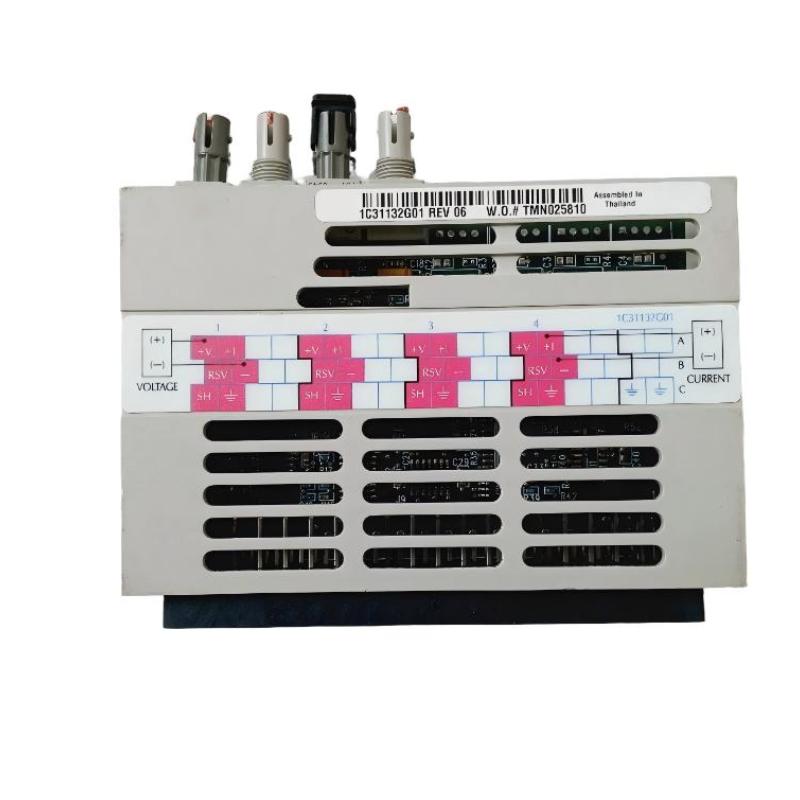
Technical FAQs 1. What is the main function of the VE4016 card?
It acts as a DeviceNet interface module for Emerson DeltaV systems, enabling communication with DeviceNet devices.
2. What system is it used with?
It is designed for Emerson DeltaV distributed control systems (DCS).
3. What is DeviceNet used for?
DeviceNet is an industrial communication protocol used to connect devices like drives, sensors, and I/O modules.
4. Is DeviceNet still widely used?
It is considered a legacy protocol but still exists in many installed industrial systems.
5. What devices can connect through this card?
It can connect DeviceNet-compatible devices such as motor starters, drives, and remote I/O.
6. Does it support real-time control?
Yes. It supports deterministic communication suitable for industrial control applications.
7. Can it be used in harsh environments?
Yes. It is designed for industrial conditions including vibration, heat, and electrical noise.
8. Is it part of DeltaV S-series or M-series?
It is typically associated with DeltaV M-series architecture.
9. Is it used for new system designs?
Mostly no. It is more commonly used in legacy system integration and upgrades.
10. What is its main benefit?
It allows older DeviceNet networks to be integrated into modern DeltaV systems without full replacement.
Look forward to your comments! Comment