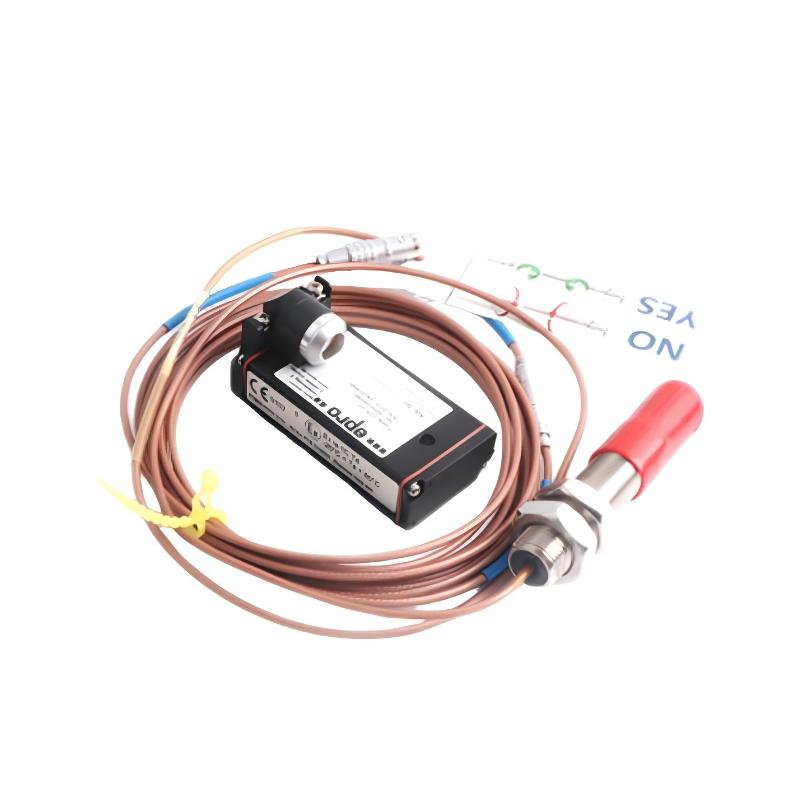
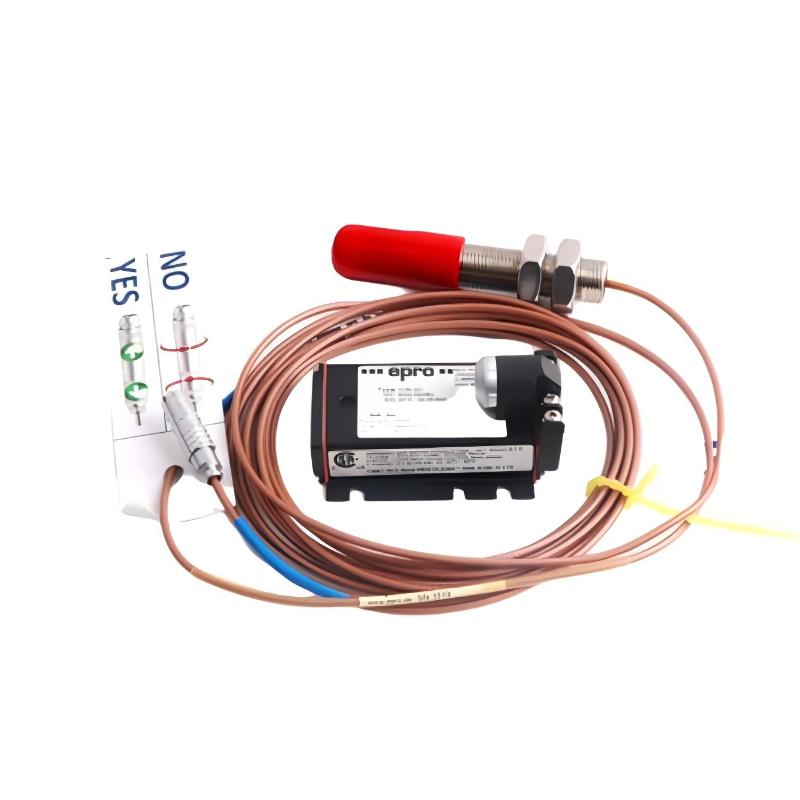
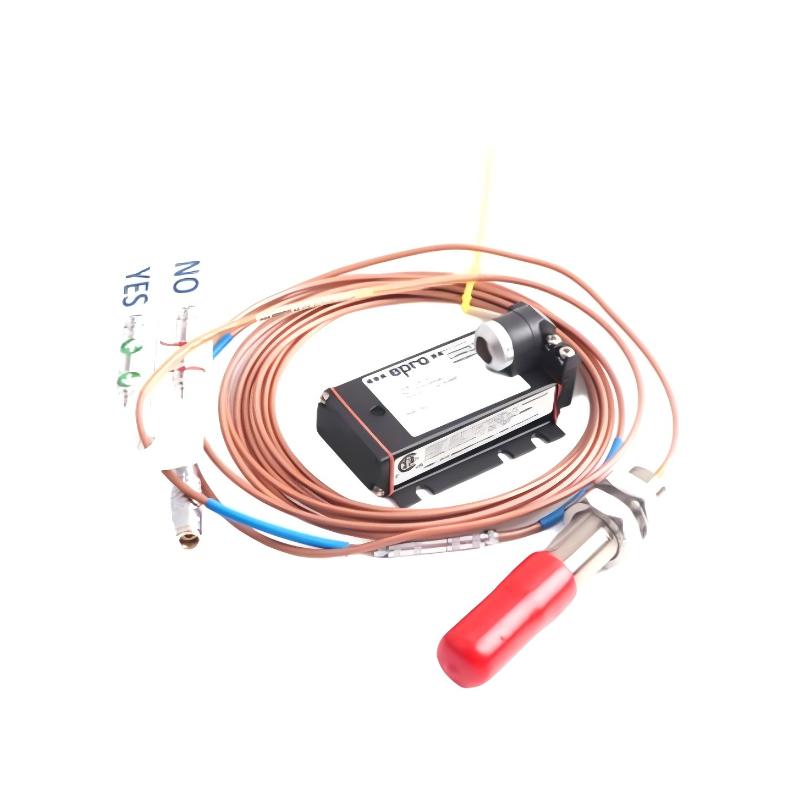
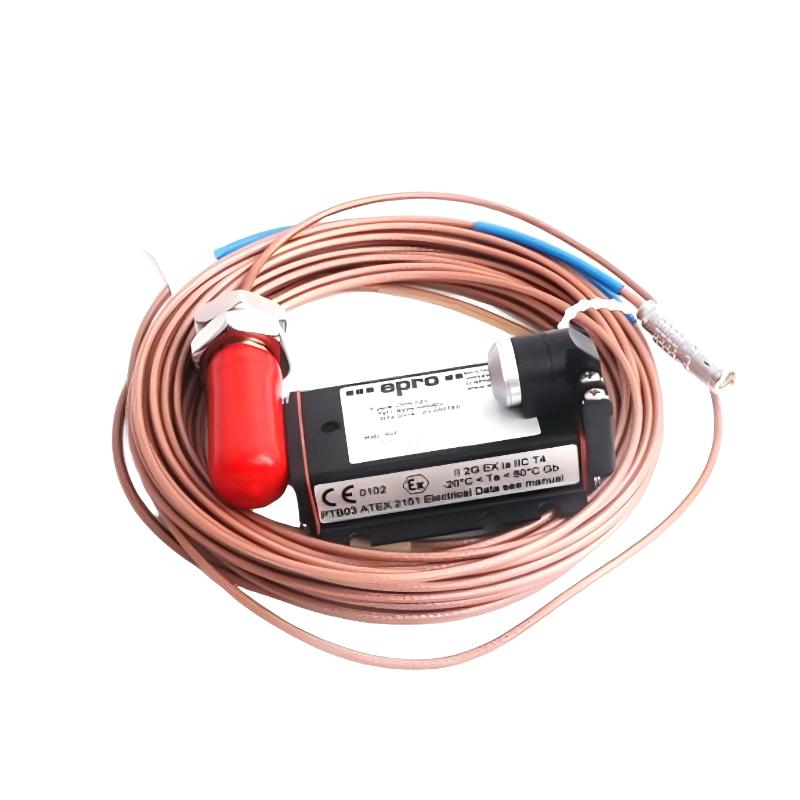
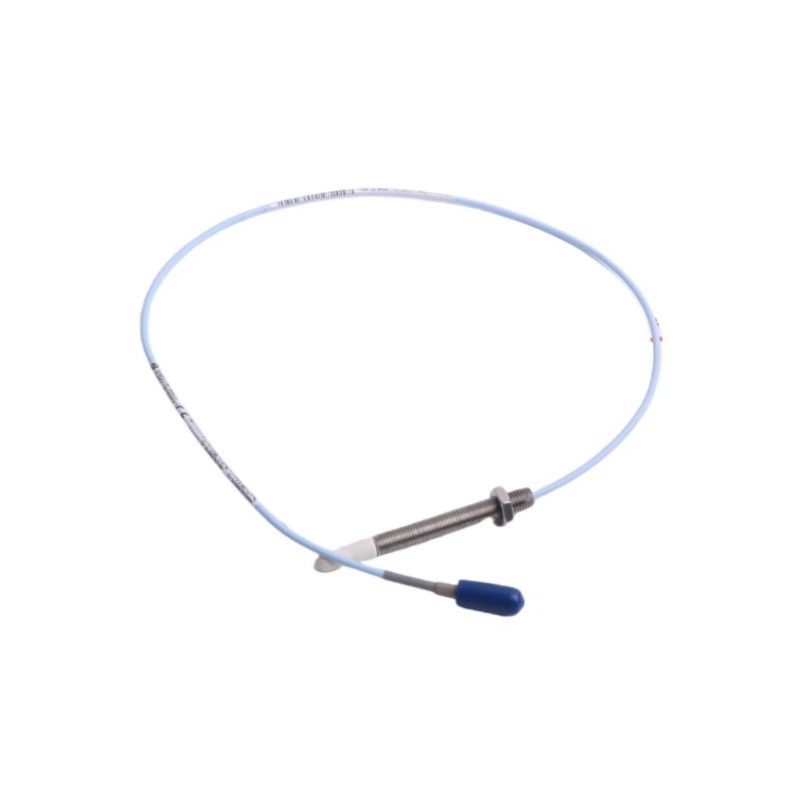
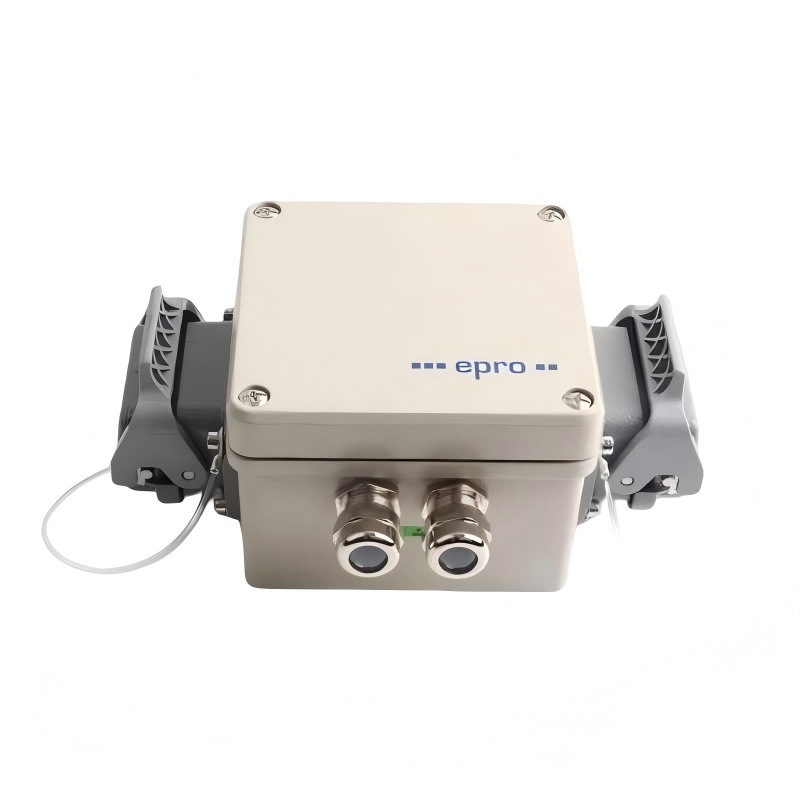
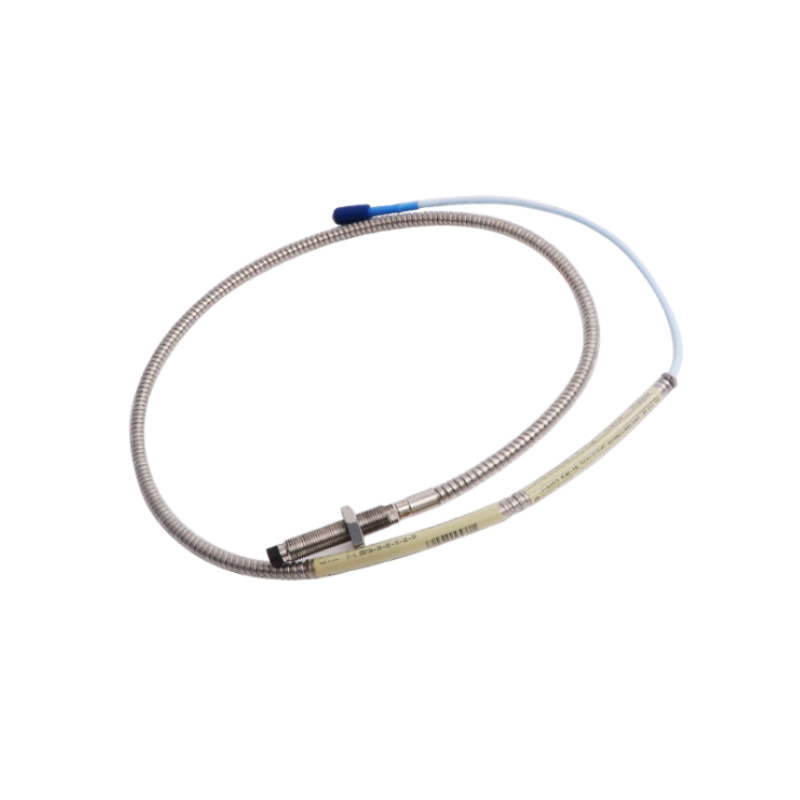
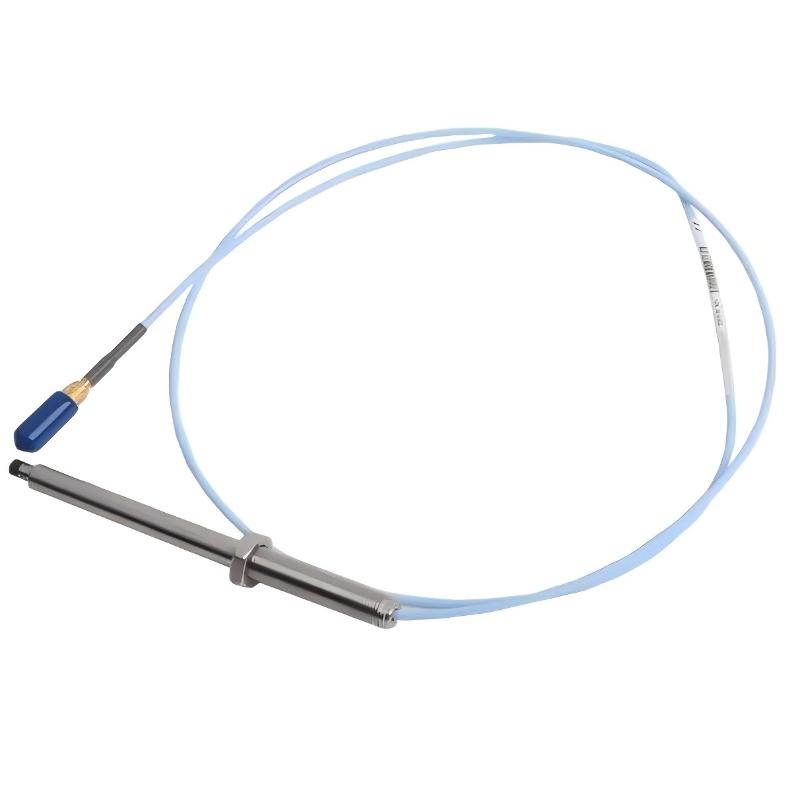
Brand:Epro PLC Item No.:PR6424/012-000 Product Origin:Germany Product Dimensions:Sensor Head Diameter: 16 mm Product Weight:0.2 kg Payment:T/T, Western Union, Credit Card Goods_stock:15 Shipping Port:Xiamen, China Lead Time:1-3 Days Condition:Brand New And Original Warranty:1 Year Certificate:COO
The Epro PR6424/012-000 is part of the widely adopted 16 mm eddy current sensor family used in industrial machinery protection and condition monitoring systems. It is engineered to deliver stable, high-resolution displacement and vibration measurements in demanding operating environments.
By providing non-contact measurement of shaft behavior, this sensor plays a critical role in early fault detection, helping operators reduce downtime, improve asset reliability, and extend equipment life in high-value industrial applications.
Compatible with industrial signal conditioning systems
Weight
0.2 kg (0.441 lb)
Applications
The Epro PR6424/012-000 16 mm Eddy Current Sensor is a precision non-contact proximity probe engineered for continuous condition monitoring of rotating machinery in industrial environments where measurement stability and long-term reliability are critical.
It is commonly applied in:
Steam turbine vibration and shaft displacement monitoring
Gas turbine rotor stability and eccentricity detection
Compressor shaft alignment and dynamic movement analysis
Pump and fan bearing condition monitoring systems
Hydro power generation equipment protection systems
Built around a 16 mm sensing architecture, this model is optimized for medium-to-large shaft applications where consistent signal integrity is essential under varying load and vibration conditions.
Advantages
High-precision 16 mm eddy current sensing for stable shaft measurement
Non-contact operation eliminates mechanical wear and long-term drift
Strong resistance to industrial vibration and thermal variation
Excellent EMI immunity for electrically noisy environments
Reliable 24/7 operation in mission-critical monitoring systems
High linearity ensures consistent diagnostic accuracy over time
Seamless integration with standard industrial signal conditioning systems
Technical FAQs (10 Technical Questions)
Q1: What is the main measurement principle of this sensor?
It uses eddy current induction to measure distance changes between the probe tip and a conductive metal surface.
Q2: Is this sensor suitable for continuous operation?
Yes, it is designed for permanent installation in 24/7 monitoring systems.
Q3: What types of machinery is it typically used on?
It is widely used on turbines, compressors, pumps, generators, and industrial rotating equipment.
Q4: Can it measure both vibration and displacement?
Yes, it provides both static position and dynamic vibration data.
Q5: Does it require a signal conditioning unit?
Yes, it is normally paired with an external signal conditioning module for output processing.
Q6: What does the 16 mm specification refer to?
It refers to the probe head diameter, optimized for stable measurement on larger shafts.
Q7: Is it affected by electromagnetic interference?
It has strong EMI resistance, making it suitable for harsh industrial environments.
Q8: Can it be used in high-temperature environments?
Yes, it is designed for industrial conditions including elevated temperature and vibration.
Q9: Is calibration required after installation?
Yes, system calibration is required to ensure accurate measurement output.
Q10: What is the key advantage over mechanical sensors?
It eliminates physical contact, reducing wear while improving long-term measurement stability.