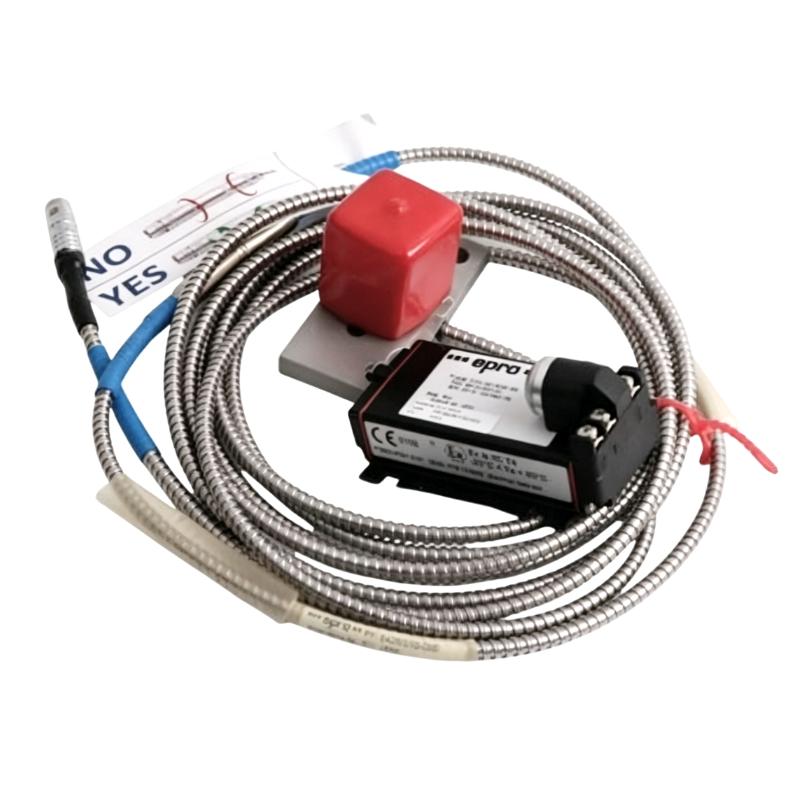
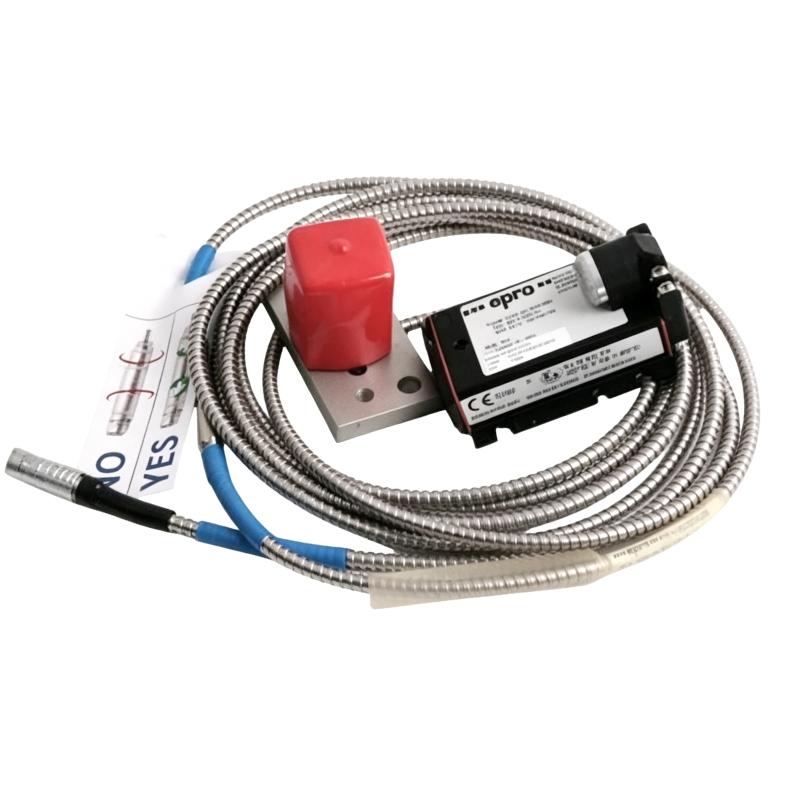
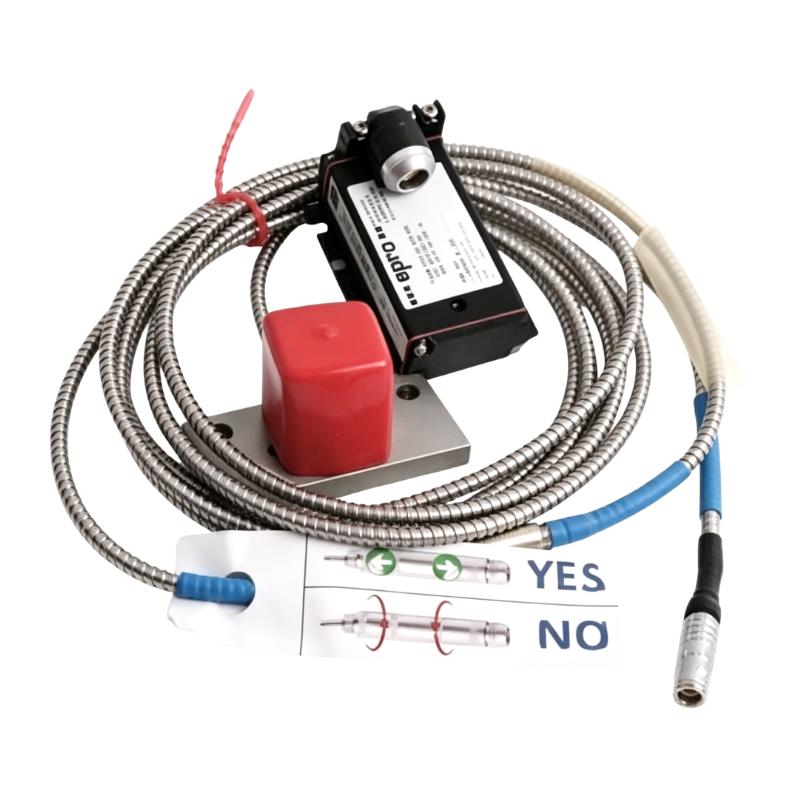
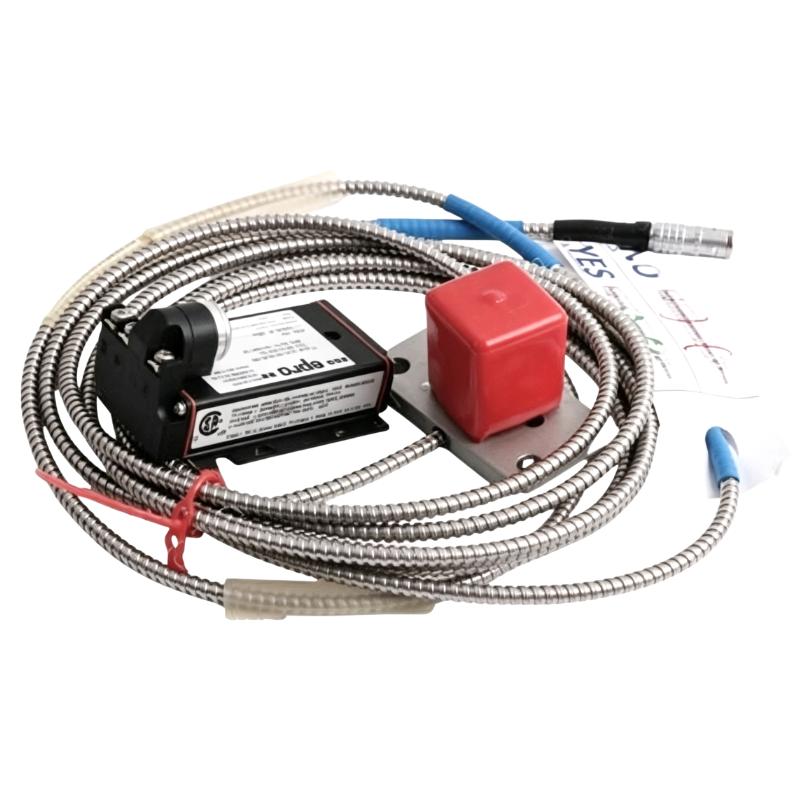
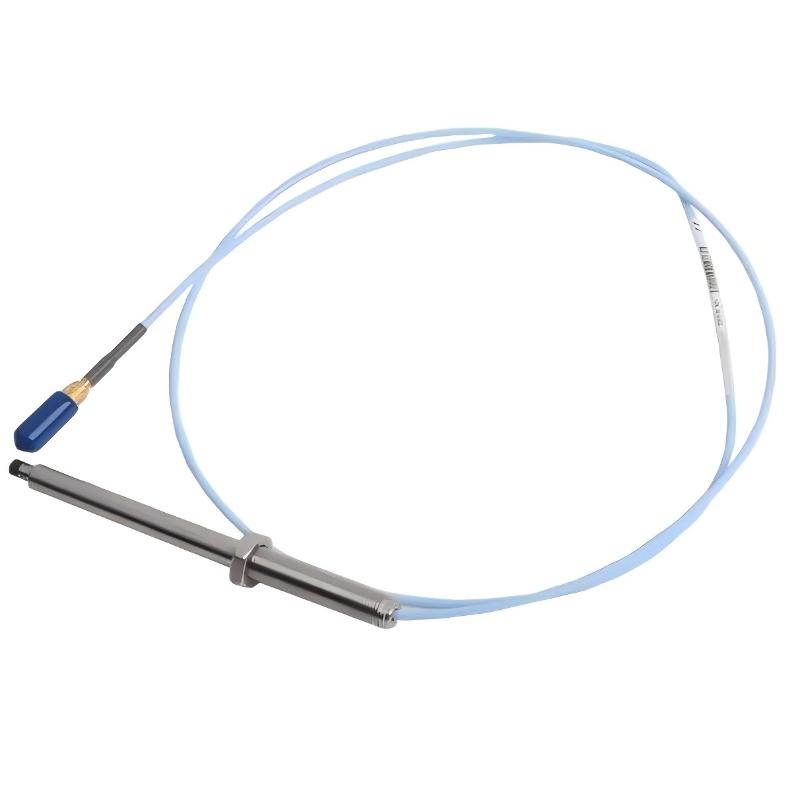
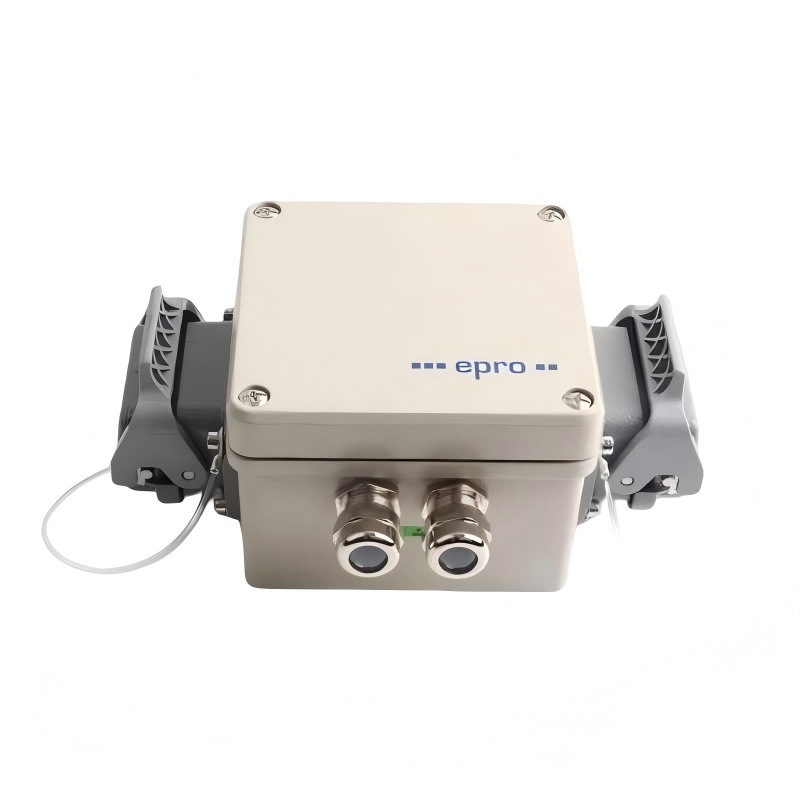
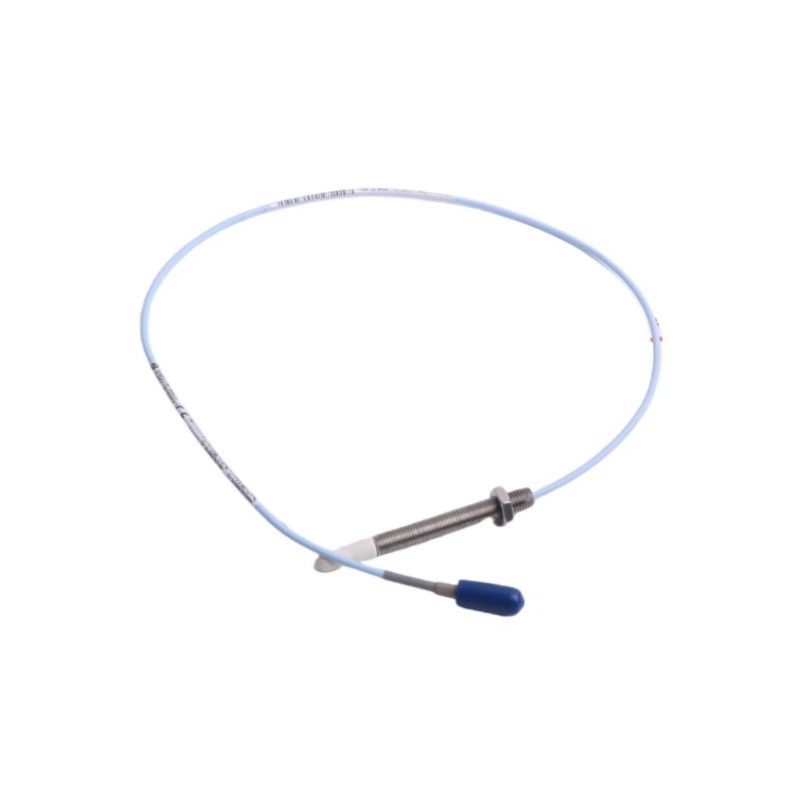
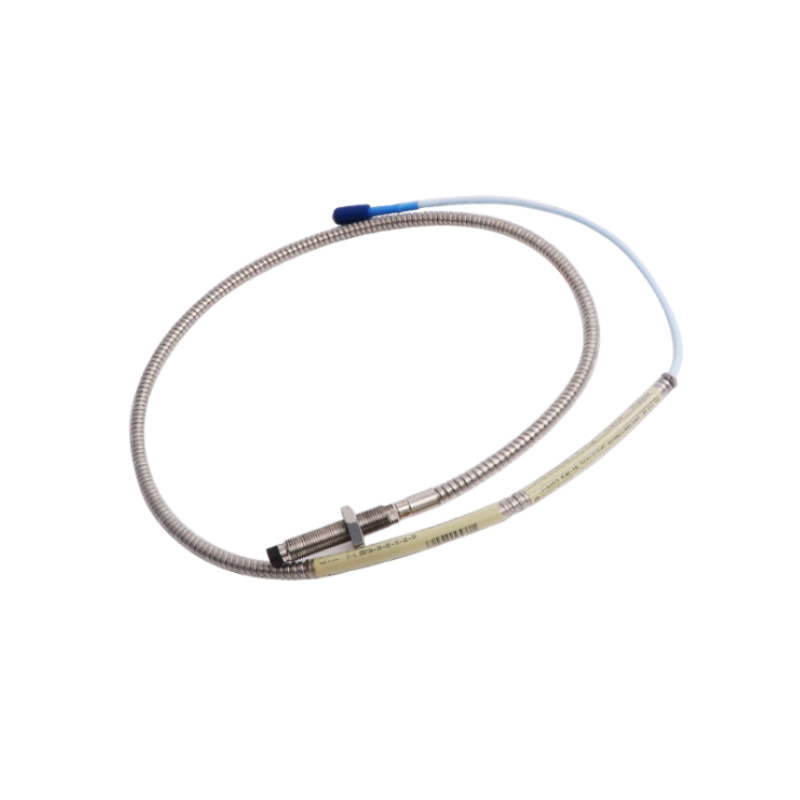
Epro PR6426/010-141+CON031/916-240 32 mm Eddy Current Sensor
Epro PR6426/010-141+CON031/916-240 32 mm Eddy Current Sensor
0.0
Points
Brand:Epro PLC Item No.:PR6426/010-141+CON031/916-240 Product Origin:Germany Product Dimensions:Sensor Head Diameter: 32 mm Product Weight:0.92 kg Payment:T/T, Western Union, Credit Card Goods_stock:15 Shipping Port:Xiamen, China Lead Time:1-3 Days Condition:Brand New And Original Warranty:1 Year Certificate:COO
The PR6426/010-141 + CON031/916-240 system is part of Epro’s industrial eddy current monitoring portfolio designed for high-reliability machinery protection. It delivers precise, real-time measurements of shaft behavior in critical rotating equipment, enabling early detection of mechanical issues before failure occurs.
Technical Specifications
Parameter
Specification
Model
PR6426/010-141 + CON031/916-240
Sensor Type
Eddy current proximity system
Probe Diameter
32 mm
Signal Converter
CON031/916-240
Measurement Principle
Non-contact eddy current
Static Range
±4.0 mm
Sensitivity
~2 V/mm (typical system value)
Frequency Response
Up to 20 kHz (converter dependent)
Shaft Diameter Range
≥200 mm
Operating Temperature
-35°C to +180°C (system dependent)
Target Material
Ferromagnetic steel
Weight
~0.92 kg
Recommended Related Models
Model
Product Name
PR6426/000-030 + CON21/916-200
Epro 32 mm Eddy Current System
PR6425/010-141 + CON021
Epro 16 mm Eddy Current System
PR6424/116-021 + CON021
Epro Turbomachinery Vibration Sensor
PR6423/010-040 + CON021
Epro 8 mm Eddy Current Sensor System
Popular Related Models
Model
Product Name
PR6426/006-030 + CON021
Epro 32 mm High Sensitivity Variant
PR6424/117-121 + CON021
Epro Shaft Vibration Monitoring Sensor
PR6425/005-010 + CON021
Epro Integrated Monitoring System
CON031/916-240
Epro Signal Converter Module
Applications
• Turbomachinery protection systems in power plants for continuous shaft vibration and eccentricity monitoring.
• Large industrial compressors and pumps used in oil & gas and petrochemical production lines.
• Heavy rotating equipment such as steam and gas turbines requiring high-range displacement measurement.
• Condition monitoring systems for early detection of bearing wear, misalignment, and rotor instability.
• Predictive maintenance platforms used in critical asset monitoring and machine health diagnostics.
• High-temperature and high-vibration industrial environments requiring stable long-term signal accuracy.
Key Advantages
• 32 mm probe design enables stable measurement on large shaft diameters with extended displacement range.
• Non-contact eddy current technology ensures zero mechanical wear and long operational life.
• CON031 signal converter provides stable signal conditioning and improved noise immunity in industrial environments.
• High linearity and repeatability support reliable long-term vibration trend analysis.
• Robust construction ensures stable performance under high temperature, oil mist, and vibration conditions.
• Suitable for 24/7 mission-critical machinery protection and condition monitoring systems.
Technical FAQs
Q1: What is the main function of this system?
It measures shaft vibration, displacement, and position in large rotating machinery.
Q2: What does the CON031/916-240 module do?
It converts raw eddy current sensor signals into stable industrial output signals for monitoring systems.
Q3: Is it suitable for turbine applications?
Yes, it is widely used in steam, gas, and hydro turbine monitoring systems.
Q4: What shaft size is recommended?
It is typically used for large shafts (generally ≥200 mm diameter).
Q5: Can it measure both static and dynamic movement?
Yes, it supports both static displacement and dynamic vibration measurement.
Q6: What is the typical measurement range?
It supports up to approximately ±4.0 mm depending on configuration.
Q7: Is it resistant to harsh environments?
Yes, it is designed for high-temperature, high-vibration industrial conditions.
Q8: Does it require contact with the shaft?
No, it uses non-contact eddy current sensing technology.
Q9: Is it used for predictive maintenance?
Yes, it is a core component in condition-based monitoring systems.
Q10: Does it require frequent calibration?
No, it is designed for long-term stability with minimal recalibration.