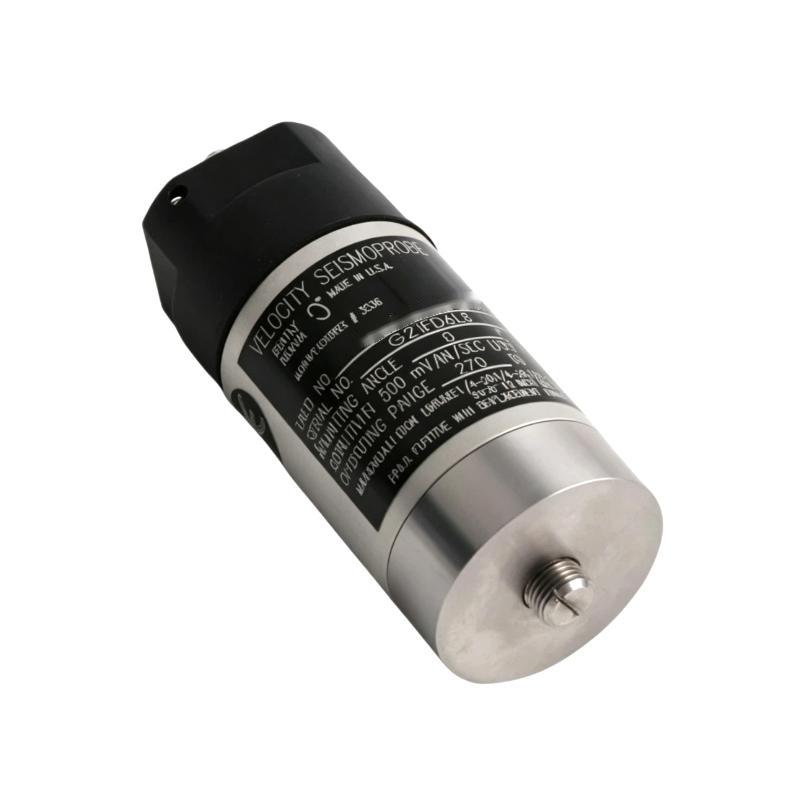
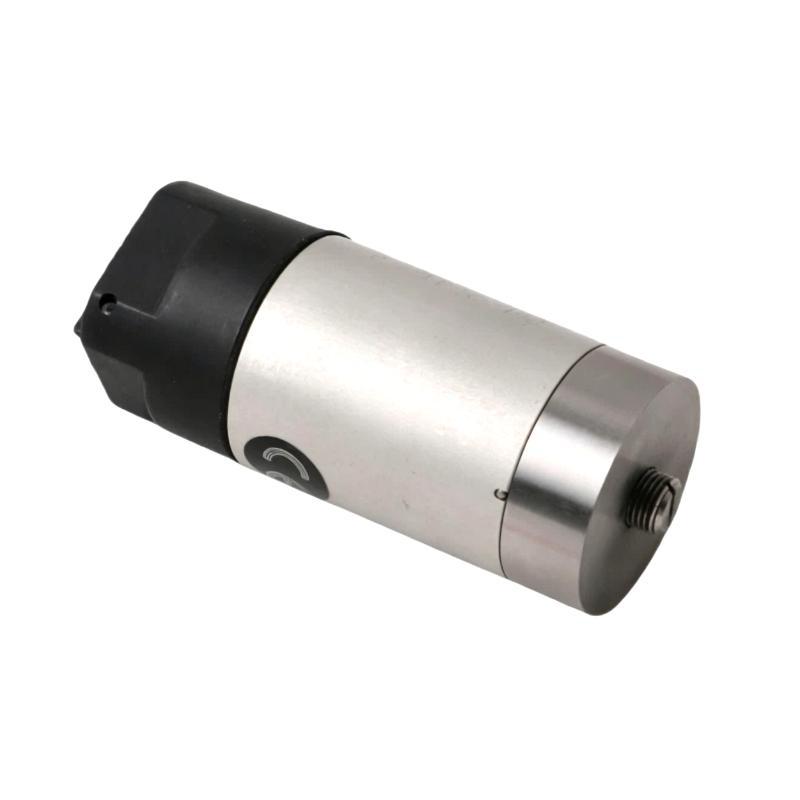
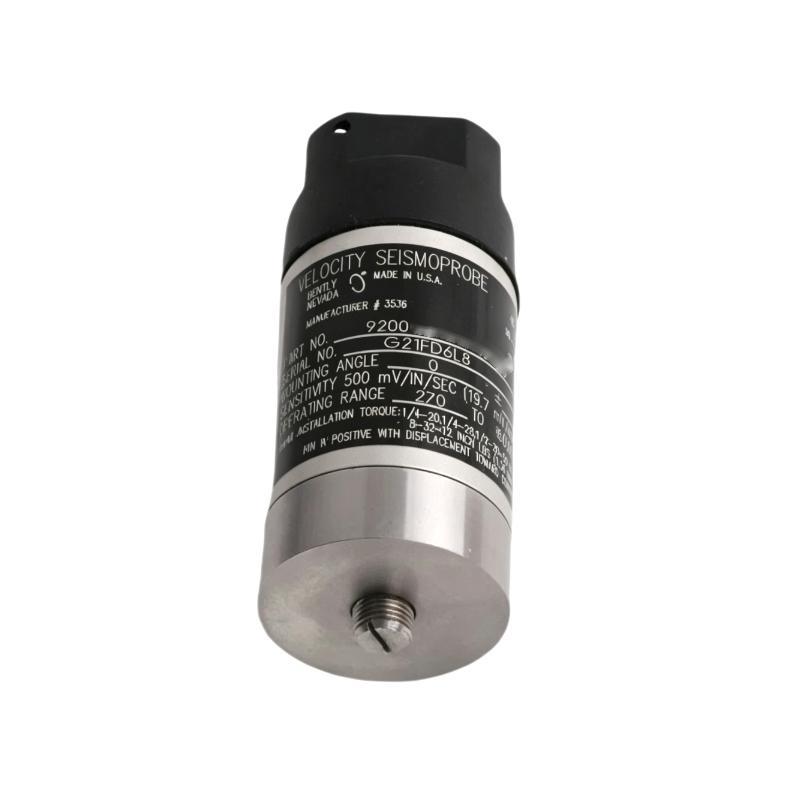
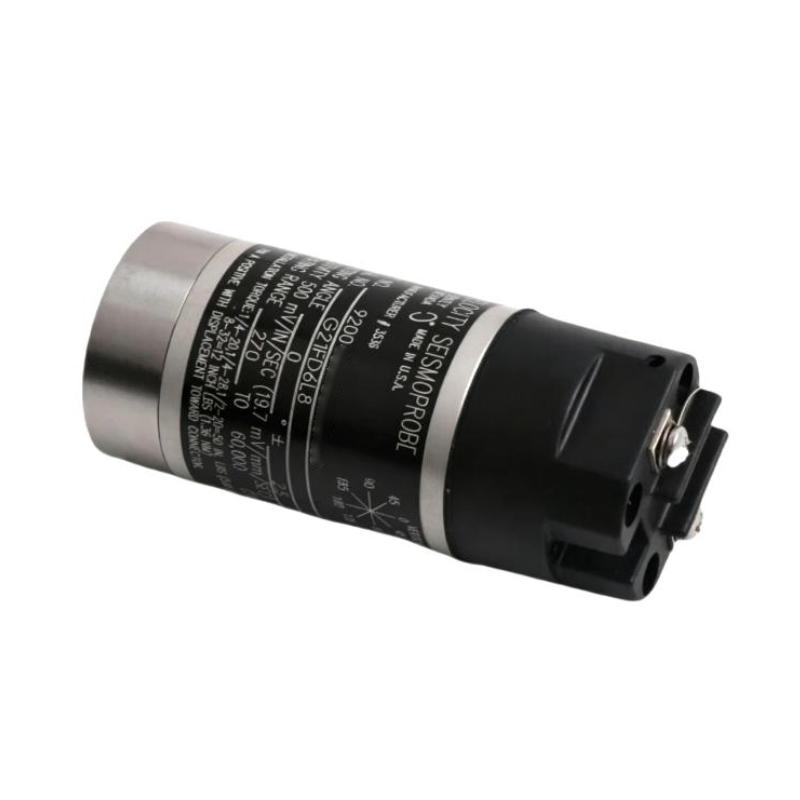
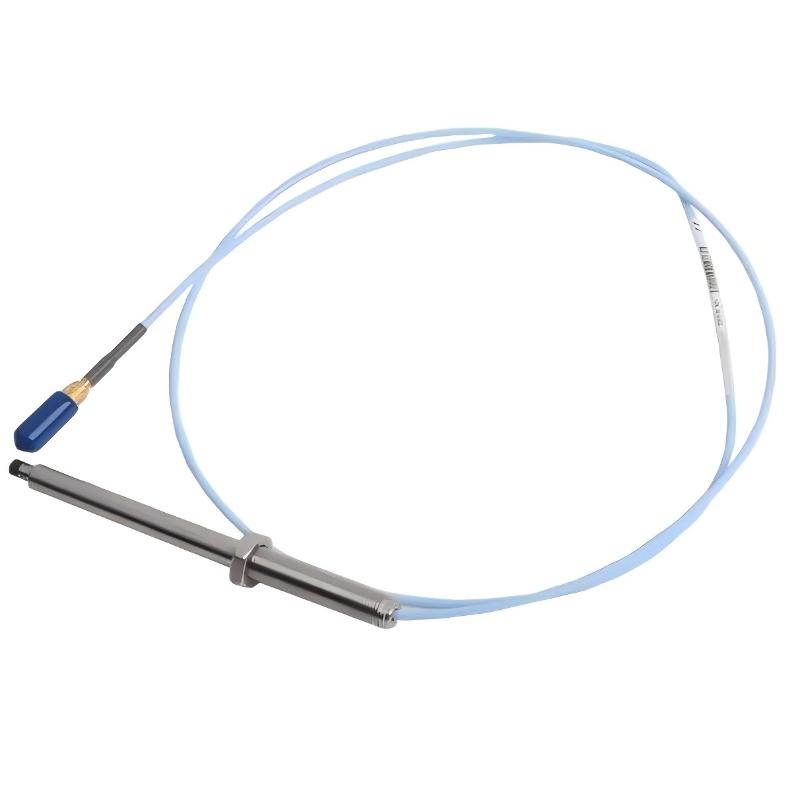
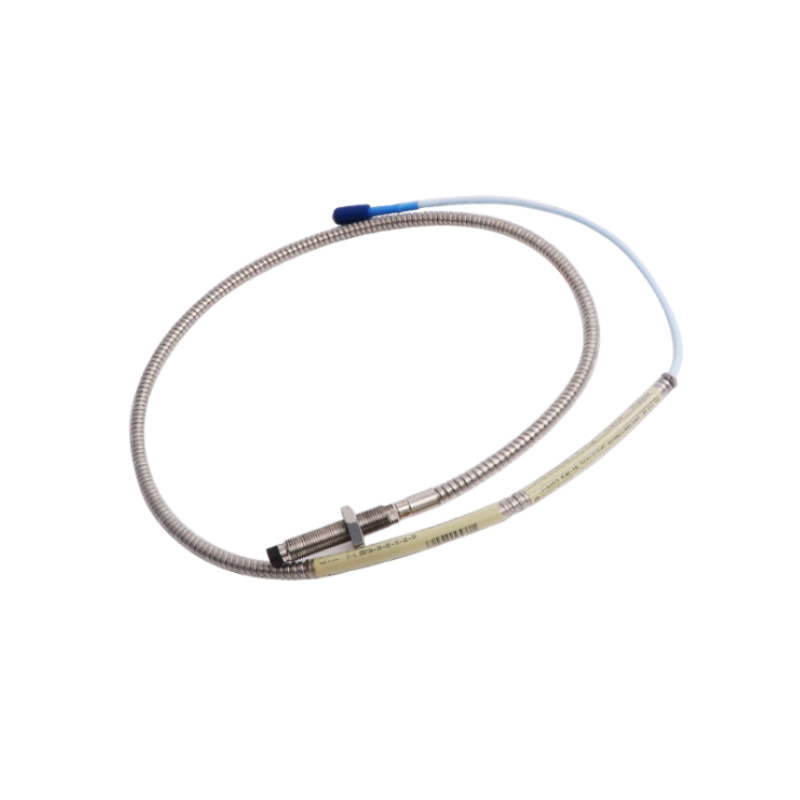
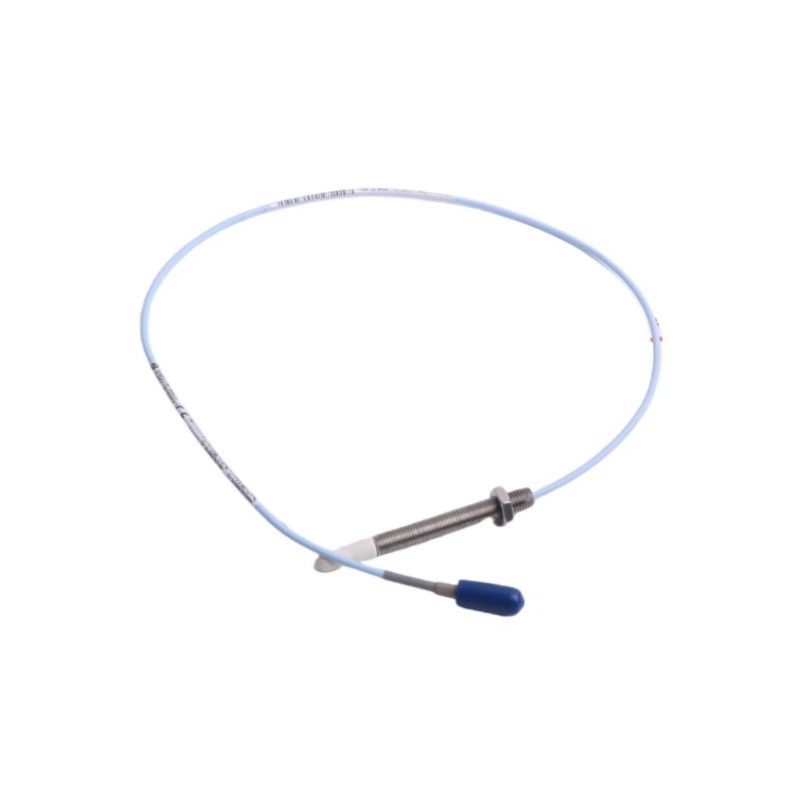
Bently Nevada 9200-03-01-10-00 Dual Linear Velocity Seismic Sensor
Bently Nevada 9200-03-01-10-00 Dual Linear Velocity Seismic Sensor
0.0
Points
Brand:Bently Nevada PLC Item No.:9200-03-01-10-00 Product Origin:USA Product Dimensions:Sensor Diameter: 41.4 mm Product Weight:0.3 kg Payment:T/T, Western Union, Credit Card Goods_stock:15 Shipping Port:Xiamen, China Lead Time:1-3 Days Condition:Brand New And Original Warranty:1 Year Certificate:COO
The Bently Nevada 9200-03-01-10-00 seismic velocity sensor is a key component in industrial vibration monitoring systems. It provides reliable casing vibration data that helps operators evaluate machine health and detect developing mechanical issues before failure occurs.
Technical Specifications
Parameter
Specification
Model
9200-03-01-10-00
Sensor Type
Dual linear velocity seismic sensor
Measurement Type
Casing vibration velocity
Sensor Diameter
41.4 mm
Output Signal
Analog velocity signal
Operating Principle
Electrodynamic seismic sensing
Frequency Range
Industrial vibration spectrum (low–mid frequency)
Mounting Type
Rigid surface mounting
Operating Temperature
-40°C to +120°C (typical range)
Housing Material
Industrial-grade metal alloy
Environmental Resistance
High vibration and EMI resistance
Weight
0.3 kg
Application
Machinery casing vibration monitoring
Recommended Related Models
Model
Product Name
9200-01-01-11-04
Bently Nevada Dual Linear Velocity Seismic Sensor
330780-51-00
Bently Nevada Proximity Probe System
330500-02-00
Bently Nevada Vibration Probe
330850-90-00
Bently Nevada Proximitor Sensor Module
Popular Related Models
Model
Product Name
330102-00-12-10-02-05
Bently Nevada 3300 XL 8 mm Proximity Probe
330180-X1-CN
Bently Nevada 3300 XL Preamplifier Sensor
330104-00-06-10-01-00
Bently Nevada 3300 XL Proximity Probe
330881-28-04-145-03-02
Bently Nevada PROXPAC XL System
Applications
• Machine casing vibration monitoring in turbines and compressors for overall condition assessment.
• Pump, fan, and gearbox vibration monitoring in oil & gas and industrial processing plants.
• General-purpose rotating machinery health monitoring where proximity probes cannot be installed.
• Power generation systems for detecting imbalance, looseness, and structural resonance issues.
• Predictive maintenance systems for long-term vibration trend analysis and fault prediction.
• Industrial automation systems integrated with PLC/DCS-based monitoring platforms.
Key Advantages
• Dual linear velocity sensing improves accuracy and stability across varying vibration conditions.
• High-sensitivity seismic design enables detection of low-amplitude vibration changes.
• Rugged industrial construction ensures reliable performance under harsh operating environments.
• Stable output signal supports seamless integration with monitoring and control systems.
• Excellent resistance to electromagnetic noise and mechanical shock.
• Designed for continuous 24/7 operation in critical machinery protection systems.
Technical FAQs
Q1: What is the main function of this sensor?
It measures casing vibration velocity in rotating machinery.
Q2: Does it measure shaft vibration directly?
No, it measures machine casing (structural) vibration.
Q3: What type of output signal does it provide?
It provides a velocity-proportional analog signal.
Q4: What is the benefit of dual linear design?
It improves measurement stability and reduces signal distortion.
Q5: Where is it typically installed?
It is mounted on machine housings such as turbines, pumps, and compressors.
Q6: Is it suitable for harsh environments?
Yes, it is designed for vibration, temperature variation, and industrial noise.
Q7: Does it require external power?
Yes, it operates with a vibration monitoring or signal conditioning system.
Q8: Can it detect early mechanical faults?
Yes, it is commonly used for early-stage fault trend detection.
Q9: Does it need frequent calibration?
No, it is designed for long-term stable performance.
Q10: What industries use it most?
Power generation, oil & gas, petrochemical, and heavy industrial sectors.