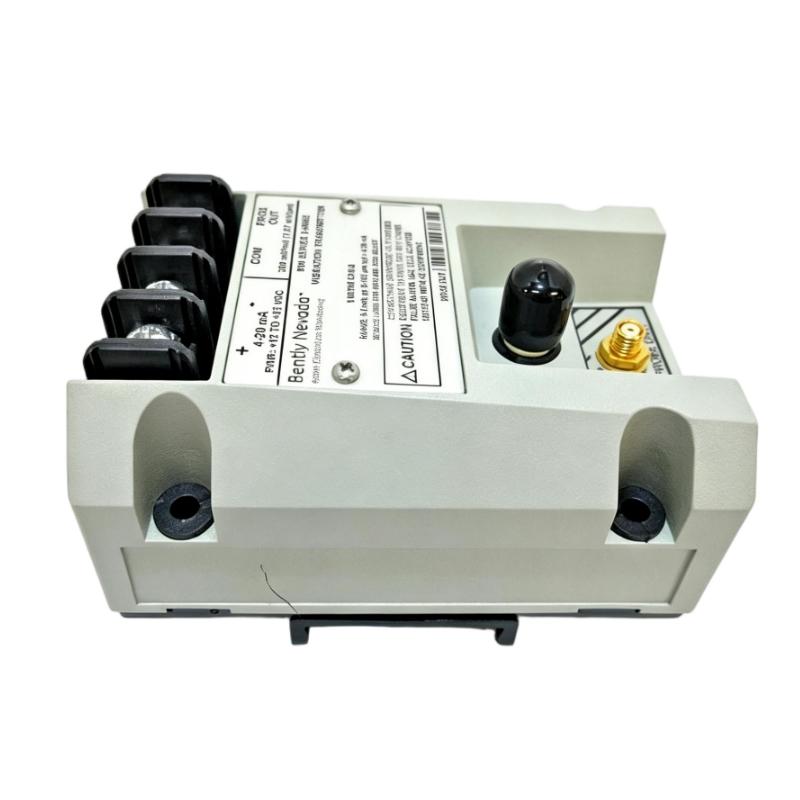
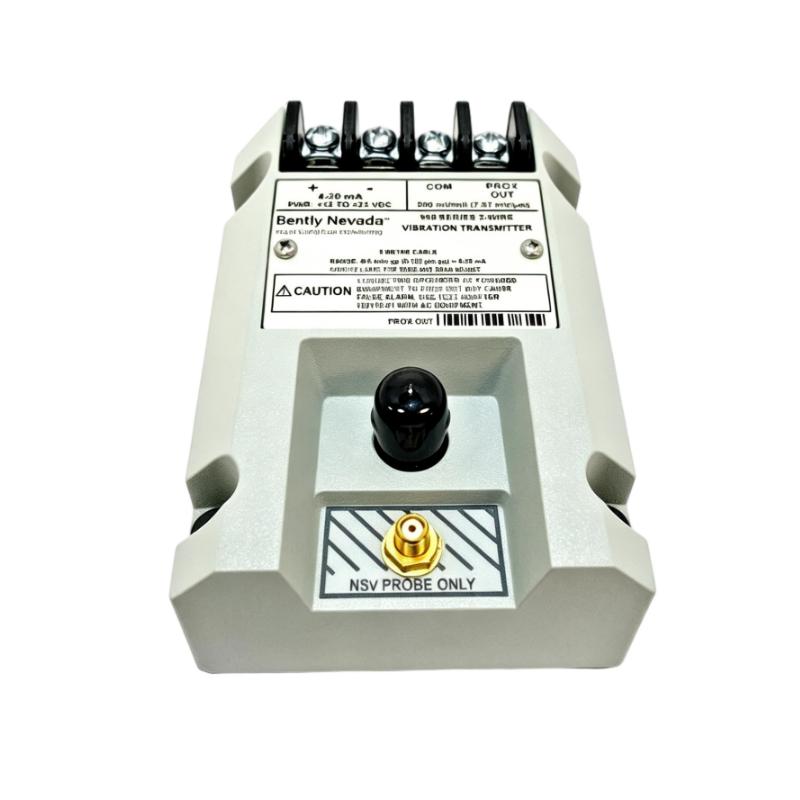
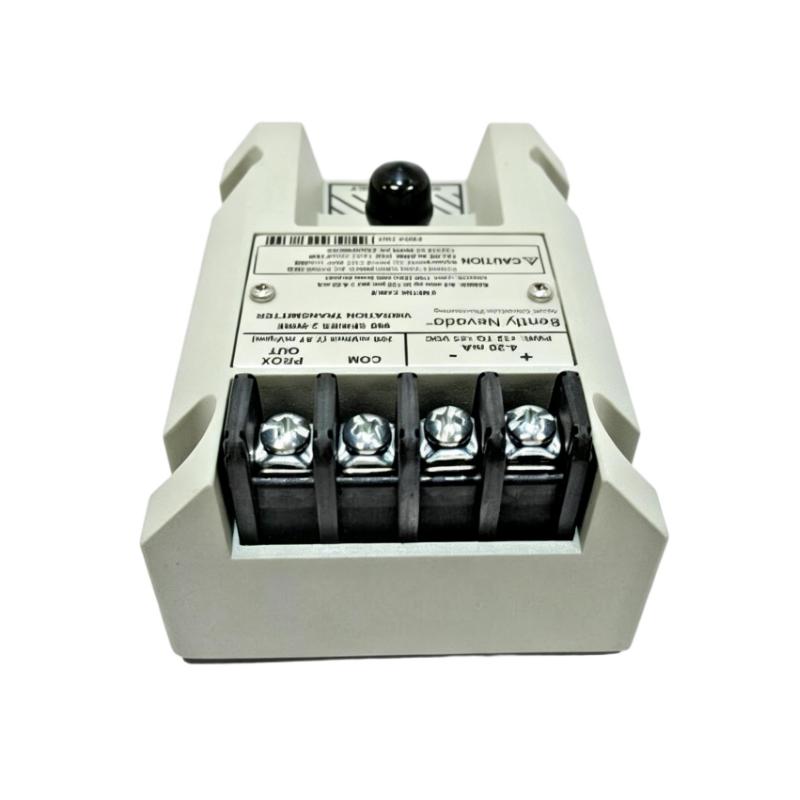
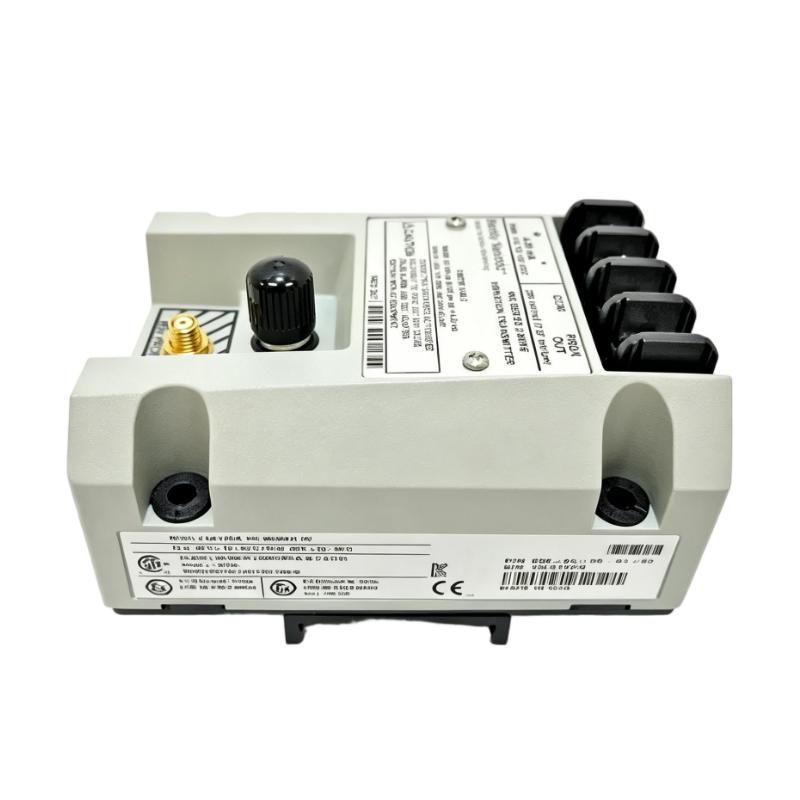
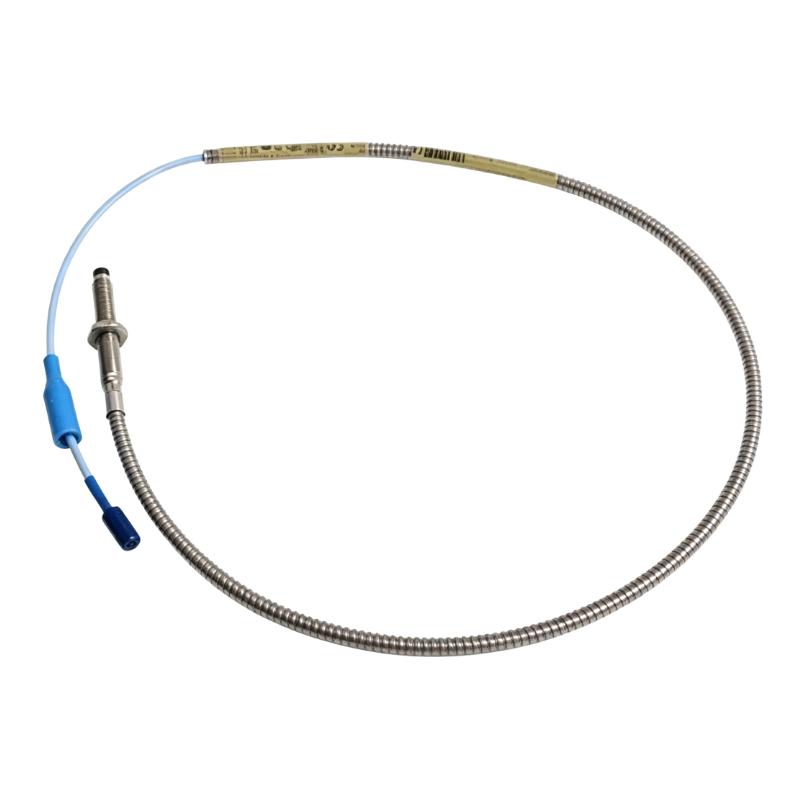
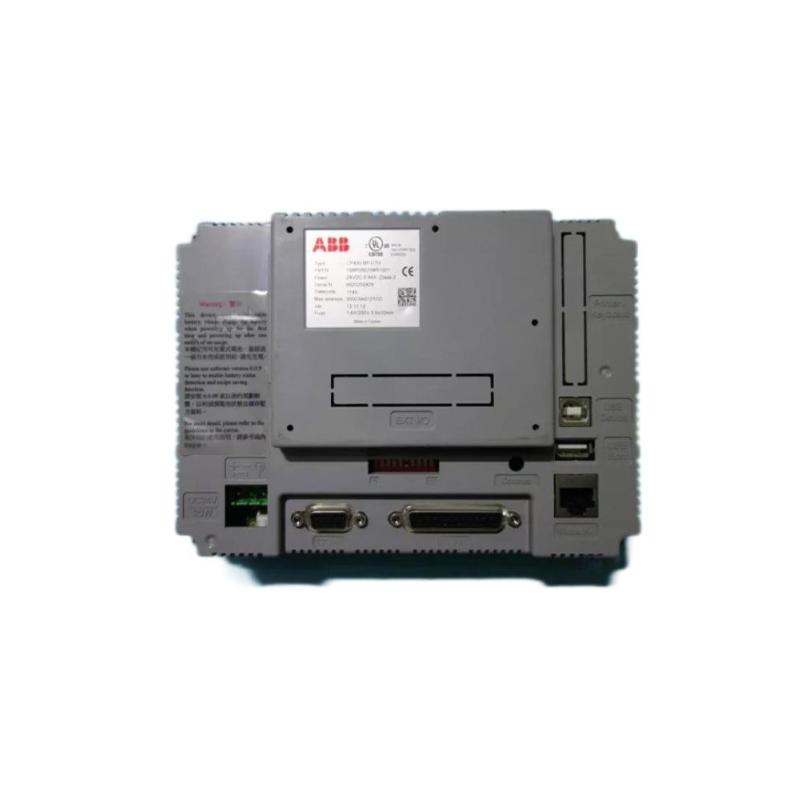
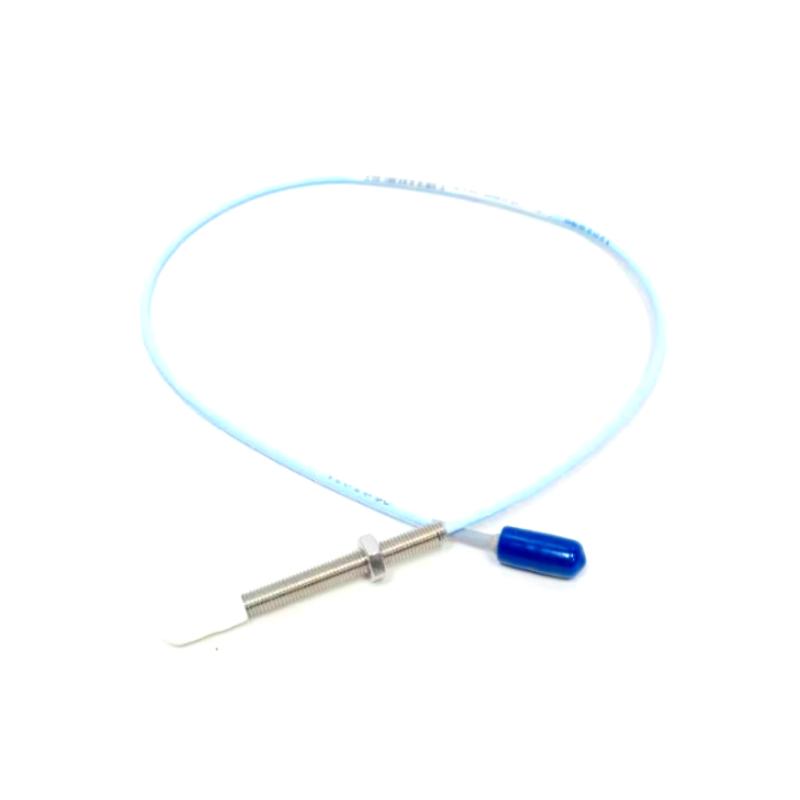
Brand:Bently Nevada PLC Item No.:991-25-70-01-05 Product Origin:USA Product Dimensions:100.1 x 73.9 x 53.3 mm Product Weight:0.43 kg Payment:T/T, Western Union, Credit Card Goods_stock:15 Shipping Port:Xiamen, China Lead Time:1-3 Days Condition:Brand New And Original Warranty:1 Year Certificate:COO
The Bently Nevada 991-25-70-01-05 Thrust Sensor is a compact industrial transmitter used for converting axial shaft displacement into a standard 4–20 mA signal.
It is designed for practical industrial use in pumps, compressors, and other rotating machinery where simple, reliable thrust monitoring is required. Instead of complex monitoring systems, it provides a direct and stable output that can be easily integrated into control systems.
Technical Specifications
Item
Specification
Product Type
991 Thrust Transmitter
System Compatibility
Bently Nevada 3300 NSv probe system
Function
Axial thrust measurement
Output Signal
4–20 mA
Input Type
Proximity probe input
Mounting
Panel / DIN rail
Application
Pumps, compressors, motors, fans
Dimensions
100.1 × 73.9 × 53.3 mm
Weight
0.43 kg
Recommended Related Models
Model
Product Name
991-25-50-03-05
991 Thrust Sensor Variant
991-06-XX-01-05
991 Thrust Transmitter Series
330180-X1-00
3300 XL Preamplifier Sensor
330104-02-24-10-01-00
3300 XL 8 mm Proximity Probe
Popular Related Models
Model
Product Name
330105-20-12-10-02-00
3300 XL Reverse Mount Probe
330106-05-30-10-02-CN
3300 XL Reverse Mount Probe
330130-080-10-CN
3300 XL Extension Cable 8 m
3300/16-01-01-00
3300 Series Monitoring Module
Applications
• Used on centrifugal compressors to monitor axial thrust and help prevent rotor-to-stator contact during unstable operating conditions
• Applied in pump systems where axial displacement needs to be translated into a standard control signal for PLC/DCS logic
• Used in fan and motor assemblies for basic thrust indication in packaged OEM machinery systems
• Integrated into skid-mounted industrial equipment where compact thrust monitoring is required without full vibration rack systems
• Used in general rotating machinery where reliable axial position feedback is needed for protection and shutdown logic
Key Advantages
• Converts axial shaft movement into a stable 4–20 mA output for direct control system use
• Works with Bently Nevada 3300 NSv proximity probe input for consistent measurement behavior
• Loop-powered design reduces wiring effort and simplifies field installation
• Compact transmitter housing fits easily into OEM panels and tight control cabinet spaces
• Signal conditioning is stable enough for continuous industrial operation
• Practical solution for applications that do not require full diagnostic monitoring systems
Technical FAQs
Q1: What is the main function of this sensor?
It converts axial thrust displacement into a 4–20 mA output signal.
Q2: What probe system does it require?
It is designed for use with Bently Nevada 3300 NSv proximity probes.
Q3: Is it a standalone measurement device?
No, it depends on an external proximity probe input.
Q4: What equipment is it typically used on?
Compressors, pumps, motors, and fan systems.
Q5: Does it measure vibration?
No, it measures axial thrust position only.
Q6: Is it suitable for OEM packages?
Yes, it is commonly used in OEM machinery systems.
Q7: Does it require external power supply?
It is loop-powered via 4–20 mA wiring.
Q8: Can it be used in protection systems?
Yes, it is often used for basic protection and shutdown logic.
Q9: Does it need recalibration after replacement?
Typically no recalibration is needed if installed correctly.
Q10: What is the main limitation?
It provides basic thrust monitoring without advanced diagnostic features.