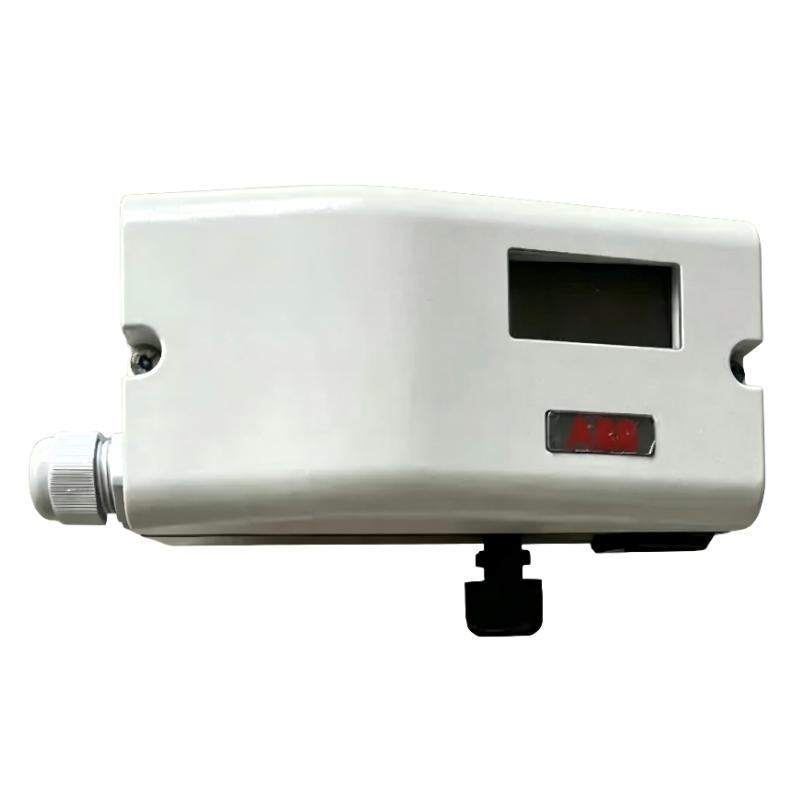
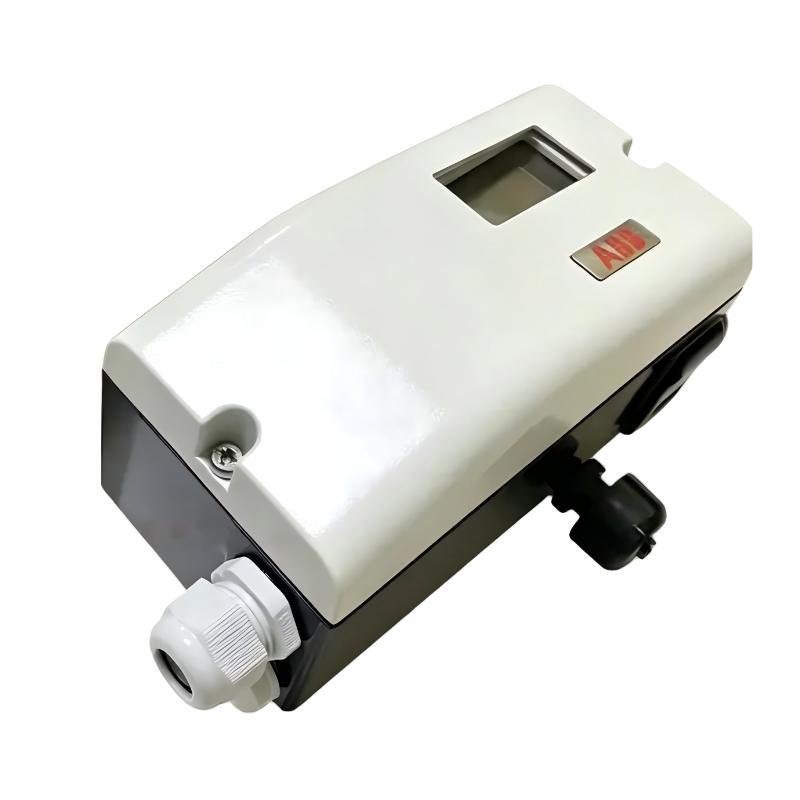
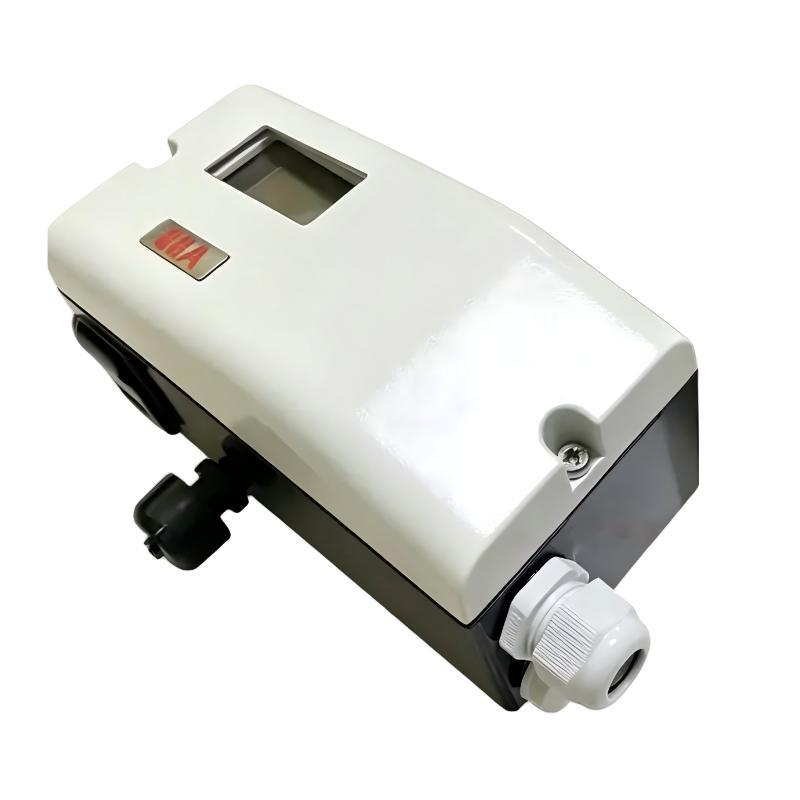
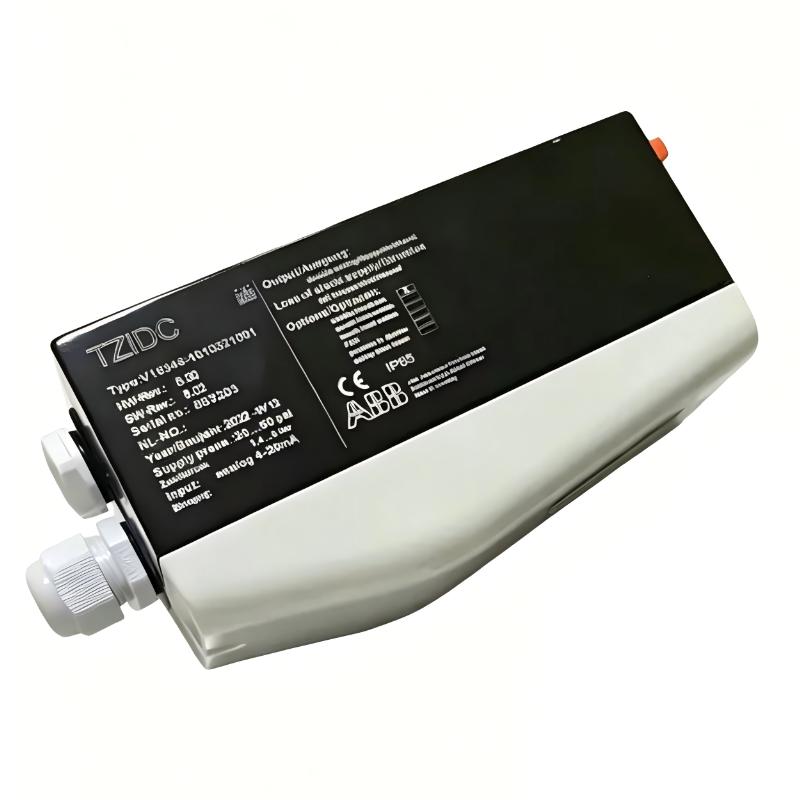
Brand:ABB PLC Item No.:V18345-1020520001 Product Origin:Sweden (SE) Product Dimensions:168.5 × 101 × 114.5 mm Product Weight:1.7 kg Payment:T/T, Western Union, Credit Card Goods_stock:15 Shipping Port:Xiamen, China Lead Time:1-3 Days Condition:Brand New And Original Warranty:1 Year Certificate:COO
The ABB V18345-1020520001 is a TZIDC intelligent valve positioner engineered for high-precision control of industrial process valves. It ensures accurate and stable valve positioning by continuously adjusting pneumatic output based on real-time control signals.
Built with a rugged industrial housing and intelligent microprocessor control system, it delivers consistent performance even in environments with vibration, humidity, and temperature variation. Its adaptive control algorithms enable fast commissioning and reliable long-term operation, making it suitable for critical process automation applications.
Technical Specifications
Parameter
Specification
Product Model
V18345-1020520001
Brand
ABB
Series
TZIDC
Device Type
Electro-pneumatic valve positioner
Control Signal
4–20 mA (two-wire)
Communication
HART (depending on configuration)
Mounting Standard
NAMUR / VDI-VDE 3845
Enclosure Protection
IP65 / IP66
Housing Material
Aluminum alloy
Dimensions
168.5 × 101 × 114.5 mm
Weight
1.7 kg (3.75 lb)
Shipping Weight
5 kg (typical packaging)
Operating Pressure Range
~1.4–6 bar (typical)
Application
Industrial valve automation and process control
Recommended Related Models
V18345-1010261001
V18345-1010120001
V18345-1010121001
V18345-1010251001
V18345-2010460001
Popular Related Models
V18345-1020520001
V18345-1010261001
V18345-1010120001
V18345-1010251001
V18345-2010121001
Applications
The ABB V18345-1020520001 Valve Positioner is an intelligent electro-pneumatic positioner used for precise control of process valves in industrial automation systems. It converts control signals into accurate pneumatic output to regulate valve position with high stability and repeatability.
Oil & gas flow and pressure control systems
Chemical dosing and reactor valve automation
Power plant steam and boiler regulation loops
Water treatment and distribution networks
Refinery process control systems
Industrial HVAC and energy management systems
General process automation and valve actuation
Advantages
This positioner is designed for stable control performance and intelligent diagnostics in demanding process environments.
High-accuracy valve positioning with adaptive control
Microprocessor-based intelligent control architecture
Automatic calibration and fast commissioning
Strong resistance to vibration and harsh environments
HART communication support for diagnostics and configuration
Compatible with both linear and rotary actuators
Low air consumption with efficient pneumatic design
Technical FAQs (10 Questions)
Q1: What is the main function of this device?
It converts a 4–20 mA control signal into pneumatic actuator movement for precise valve positioning.
Q2: What types of valves does it support?
It supports both linear and rotary control valves.
Q3: Does it support HART communication?
Yes, it supports HART for configuration and diagnostics depending on setup.
Q4: Is it suitable for hazardous environments?
Yes, with appropriate certification variants, it can be used in hazardous zones.
Q5: Does it require manual calibration?
No, it supports automatic calibration and self-tuning functions.
Q6: What happens during power loss?
It moves the valve to a fail-safe position or holds position depending on configuration.
Q7: What mounting standards does it use?
It supports NAMUR and VDI/VDE 3845 mounting standards.
Q8: Can it be installed outdoors?
Yes, with proper enclosure and installation practices.
Q9: What control signal does it use?
It typically uses a 4–20 mA analog input signal.
Q10: What industries commonly use it?
Oil & gas, chemical processing, power generation, water treatment, and general process industries.