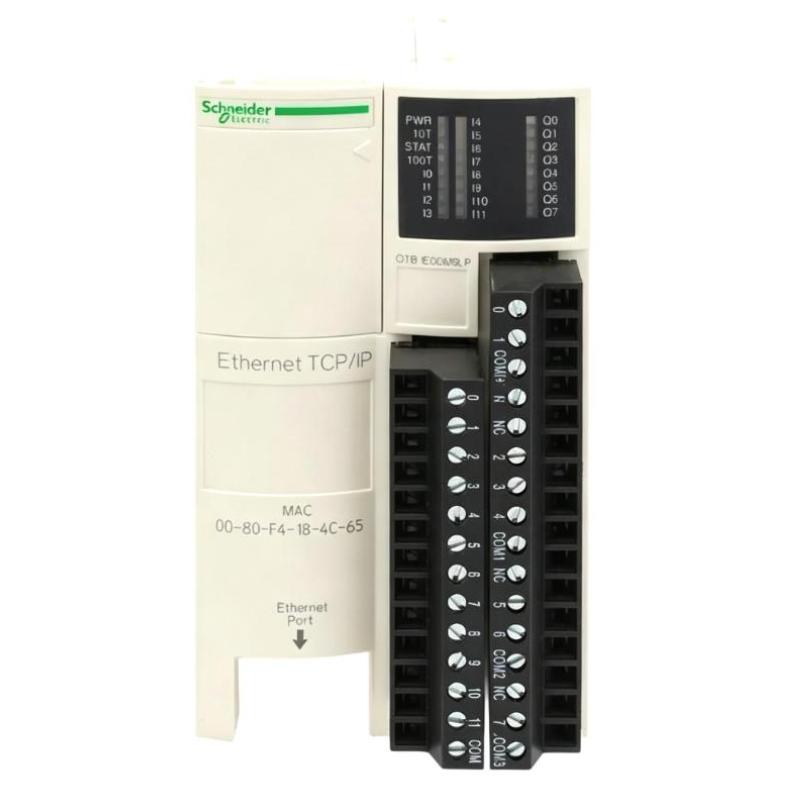
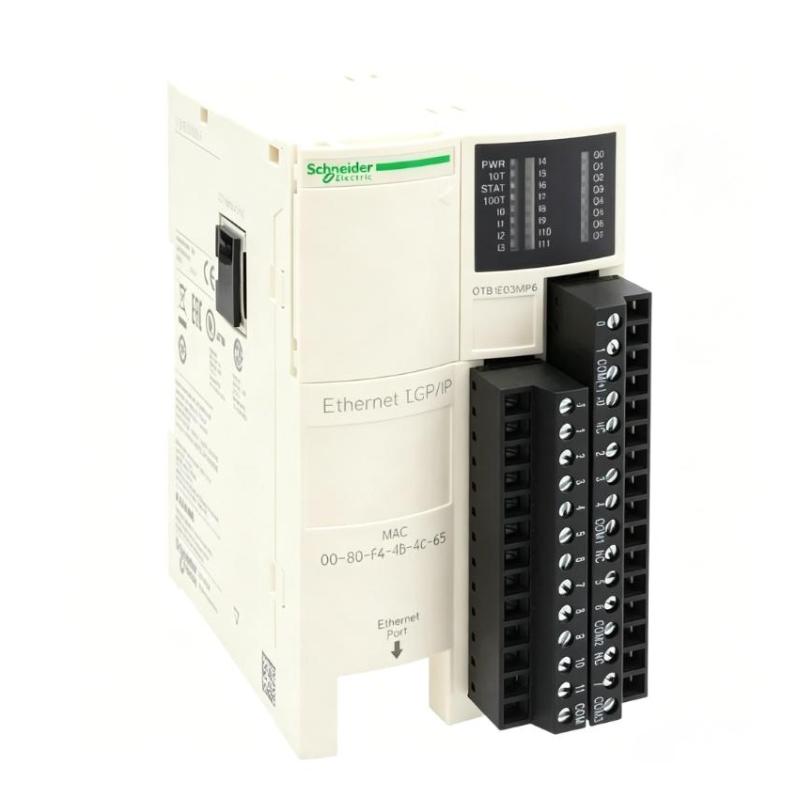
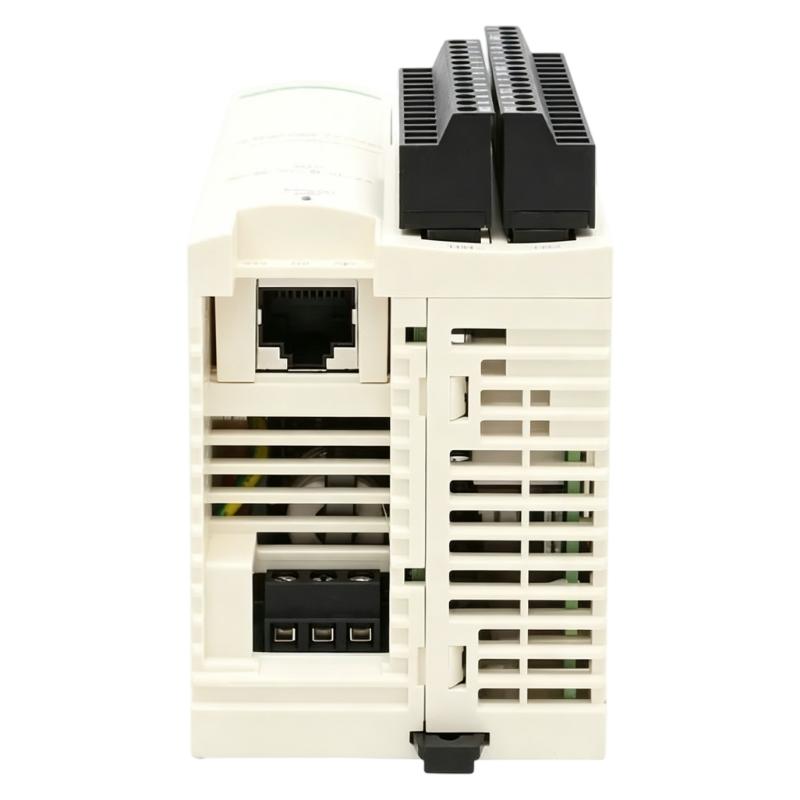
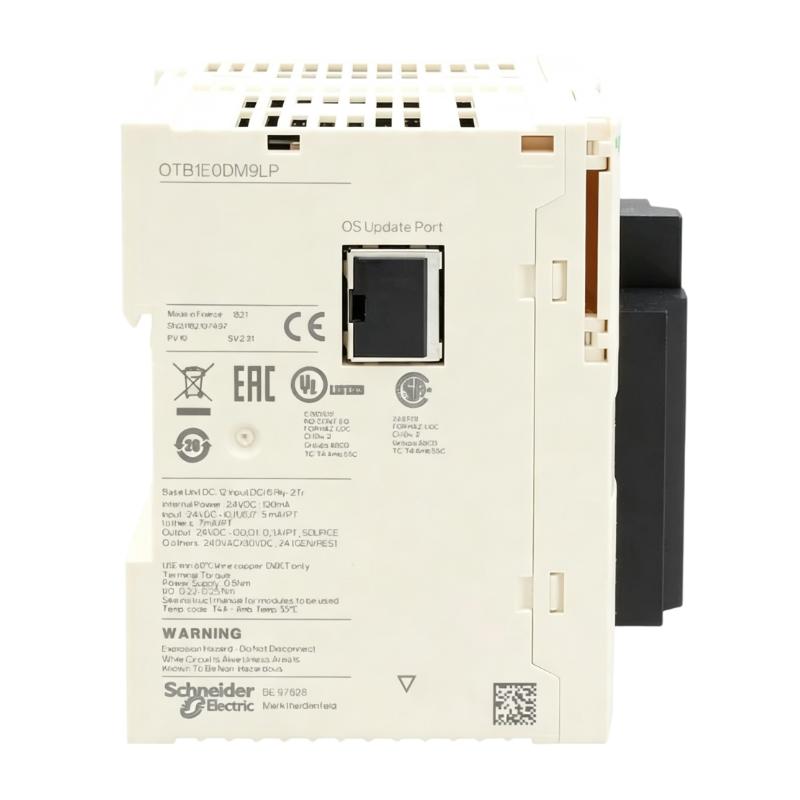
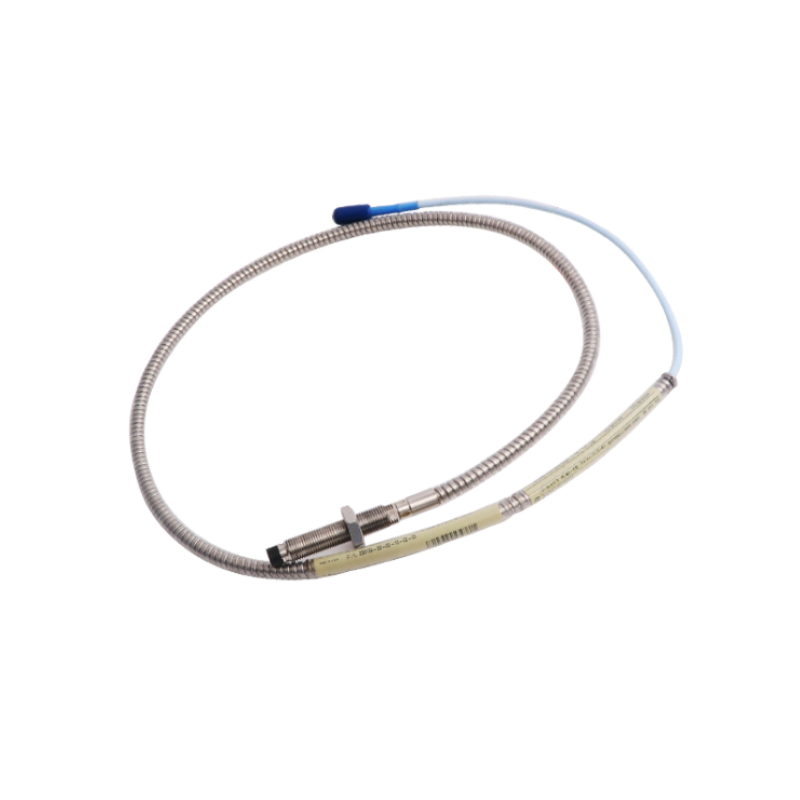
Brand:Schneider PLC Item No.:OTB1E0DM9LP Product Origin:France Product Dimensions:55 x 90 x 70 mm Product Weight:0.185 kg Payment:T/T, Western Union, Credit Card Goods_stock:15 Shipping Port:Xiamen, China Lead Time:1-3 Days Condition:Brand New And Original Warranty:1 Year Certificate:COO
The Schneider OTB1E0DM9LP I/O Distributed Module is a reliable automation component designed to simplify field signal management and improve industrial system flexibility.
In modern manufacturing environments, distributed control architectures are increasingly important for reducing wiring complexity and improving machine efficiency. Instead of connecting every field device directly to a central control cabinet, distributed I/O modules allow signals to be processed closer to the equipment.
The OTB1E0DM9LP provides efficient Ethernet communication and flexible I/O expansion, making it suitable for machine builders, system integrators, and industrial automation professionals.
Its compact structure and reliable communication capability make it a valuable choice for applications requiring organized wiring, easy system expansion, and stable industrial operation.
Technical Specifications
Parameter
Details
Manufacturer
Schneider Electric
Model Number
OTB1E0DM9LP
Product Type
I/O Distributed Module
Series
Advantys OTB
Communication Protocol
Ethernet TCP/IP
Application
Distributed Industrial I/O Control
Function
Remote Signal Acquisition and Expansion
Installation Type
DIN Rail Mount
Connection Method
Industrial I/O Interface
Dimensions
55 x 90 x 70 mm
Weight
0.19 kg (0.41 lb)
Operating Environment
Industrial Automation Applications
Recommended Related Models
Model
Product Type
Description
Schneider TM3BCEIP
Ethernet Bus Coupler Module
Distributed I/O communication interface for Modicon systems
Schneider TM3DI16
Digital Input Module
Digital signal expansion module
Schneider TM3DQ16
Digital Output Module
Digital output expansion module
Schneider TM3AI4
Analog Input Module
Analog signal acquisition module
Popular Related Models
Model
Category
Schneider OTB1E0DM9LP
I/O Distributed Module
Schneider TM3BCEIP
Ethernet Communication Module
Schneider TM3DI16
Digital Input Module
Schneider TM3DQ16
Digital Output Module
Schneider Modicon TM3 Series
Distributed I/O System
Applications
The Schneider OTB1E0DM9LP I/O Distributed Module is a compact distributed automation interface designed to expand digital and analog I/O capabilities in industrial control systems. It provides Ethernet TCP/IP communication and allows field devices to be connected closer to machines, reducing wiring complexity and improving system flexibility.
The OTB1E0DM9LP is commonly used in distributed automation architectures where remote signal acquisition and efficient communication between controllers and field equipment are required.
It is widely applied in:
Application Area
Description
Industrial Automation Systems
Provides distributed I/O expansion for PLC-based control applications
Machine Automation
Connects sensors, actuators, and field devices near machines
Packaging Equipment
Supports decentralized signal processing for automated production
Material Handling Systems
Improves wiring efficiency and equipment communication
Factory Control Networks
Enables reliable Ethernet-based I/O communication
The Schneider OTB1E0DM9LP provides a practical solution for engineers seeking flexible I/O expansion, simplified installation, and improved automation system efficiency.
Advantages
The Schneider OTB1E0DM9LP I/O Distributed Module combines compact design, reliable communication, and flexible expansion capability to support modern industrial automation requirements.
Advantage
Description
Distributed I/O Architecture
Allows field signals to be collected closer to machines
Ethernet TCP/IP Communication
Provides efficient data exchange with automation controllers
Reduced Wiring Complexity
Minimizes long cable runs between control cabinets and field devices
Compact Installation Design
Saves valuable space in industrial control environments
Flexible System Expansion
Supports additional I/O requirements for automation upgrades
Reliable Industrial Performance
Designed for stable operation in demanding applications
With its distributed control capability and efficient communication design, the Schneider OTB1E0DM9LP helps improve system organization, reduce installation costs, and enhance automation reliability.
Technical FAQs
Q1: What is the main function of the Schneider OTB1E0DM9LP?
A: The OTB1E0DM9LP is a distributed I/O module used to collect and exchange field signals with industrial control systems through Ethernet communication.
Q2: What communication method does the OTB1E0DM9LP use?
A: It uses Ethernet TCP/IP communication for connection with compatible automation controllers.
Q3: Why are distributed I/O modules used in industrial systems?
A: Distributed I/O modules reduce wiring distance, simplify installation, and improve system flexibility.
Q4: What devices can be connected to this I/O module?
A: Sensors, actuators, switches, and other industrial field devices can be connected according to system requirements.
Q5: What are common causes of I/O communication faults?
A: Common causes include network connection problems, incorrect configuration, power issues, and damaged field wiring.
Q6: How can technicians troubleshoot communication problems?
A: Check Ethernet connections, module status indicators, controller settings, power supply, and field device wiring.
Q7: Can the OTB1E0DM9LP be used for machine expansion projects?
A: Yes, it is suitable for expanding I/O points in industrial machines and automation systems.
Q8: What should be checked before replacing an OTB1E0DM9LP module?
A: Confirm communication requirements, I/O configuration, wiring connections, and system compatibility.
Q9: What maintenance is recommended for distributed I/O modules?
A: Regular inspection of network connections, terminal wiring, module status, and environmental conditions is recommended.
Q10: What problems can occur when I/O modules lose communication?
A: Signal loss, incorrect machine operation, delayed responses, and automation interruptions may occur.