Technical Questions & Answers
1. What is the primary function of the UR9KH module?
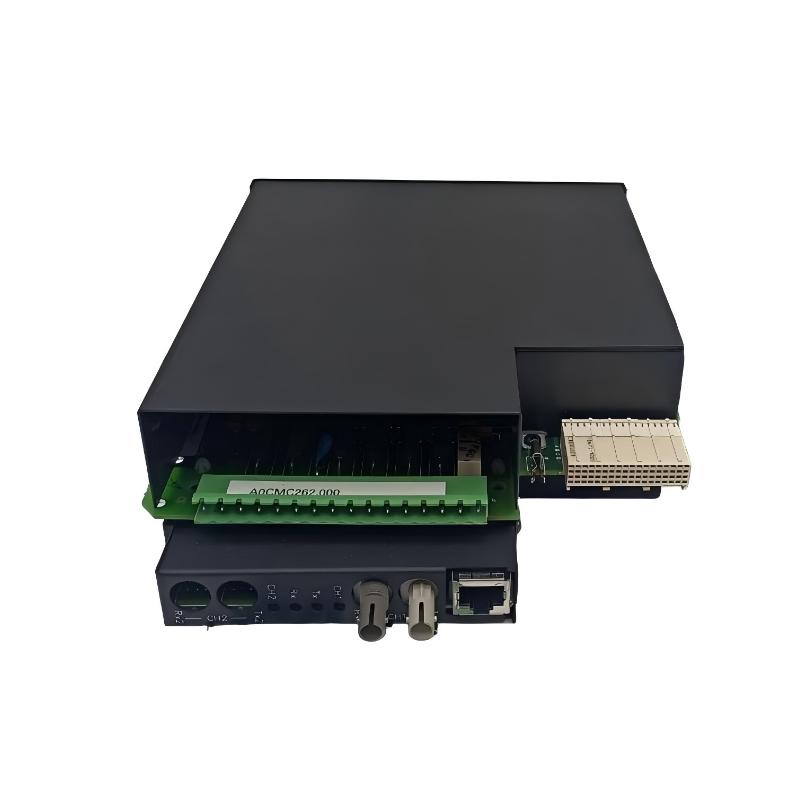
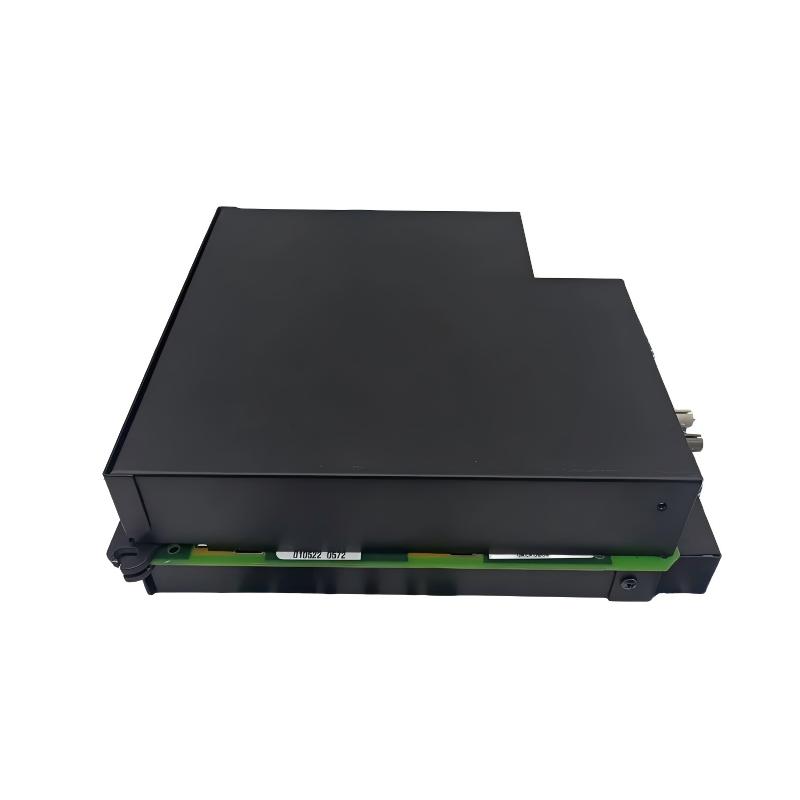
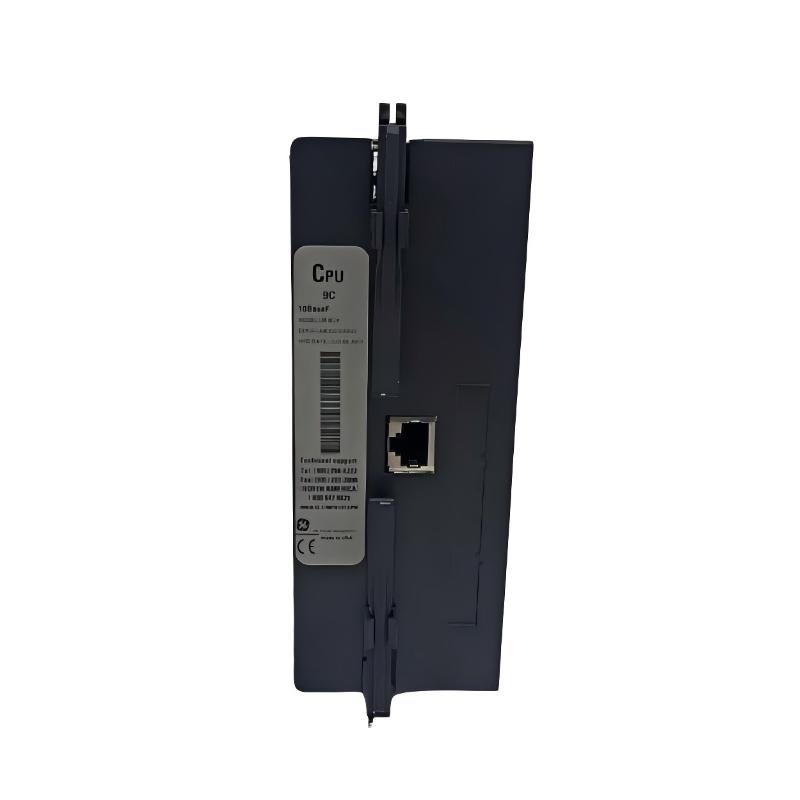
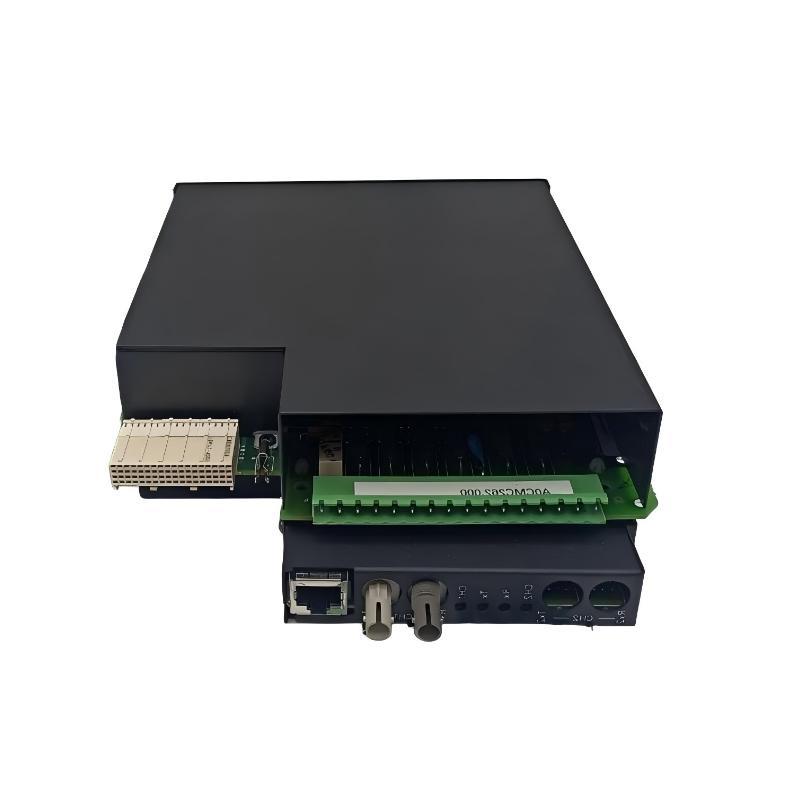
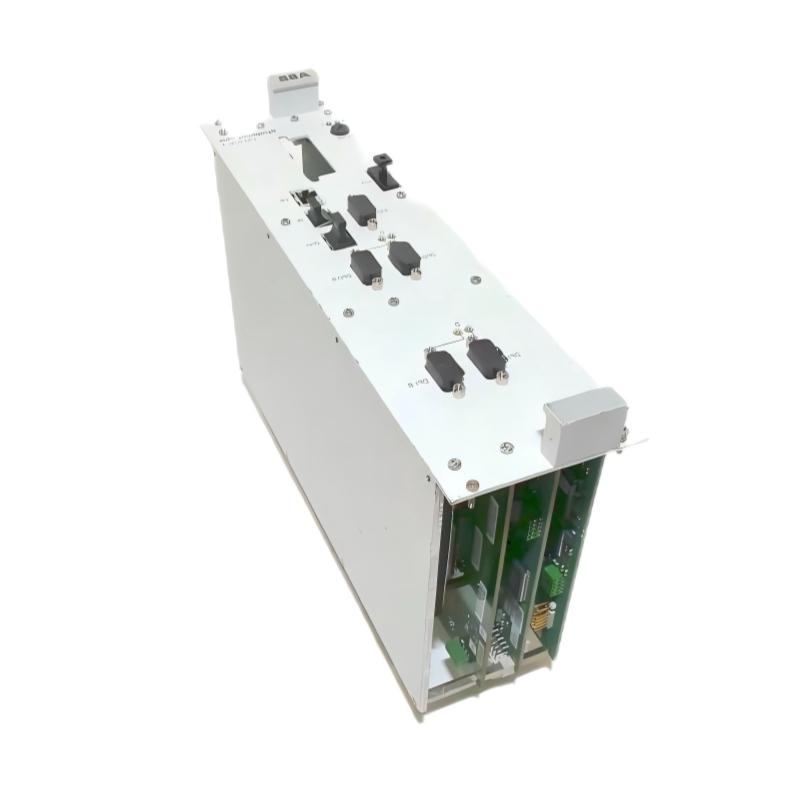
The UR9KH serves as the central processing module for GE Multilin Universal Relay systems, executing protection logic, control functions, communications, and system diagnostics.
2. Which communication interfaces are supported?
The module provides a 10/100Base-T Ethernet interface together with an RS-485 serial communication port for system integration and engineering access.
3. Can the UR9KH support multiple protection applications simultaneously?
Yes. Its processing architecture is designed to execute multiple protection, monitoring, automation, and communication tasks concurrently within the Universal Relay platform.
4. Is the module compatible with different UR relay hardware configurations?
Yes. The UR9KH is designed for the GE Multilin Universal Relay platform and operates with compatible plug-in I/O, CT/VT, communication, and power supply modules.
5. Does firmware compatibility need to be verified before replacement?
Yes. Verifying the installed firmware version helps ensure proper compatibility with the relay hardware and installed option modules.
6. How does the CPU module improve relay performance?
It manages high-speed protection calculations, event recording, communications, and logic execution to deliver dependable response during electrical disturbances.
7. Can the UR9KH communicate with supervisory control systems?
Yes. Through its communication interfaces, the module supports integration with plant monitoring and supervisory automation systems when configured within the relay platform.
8. Is the module intended for continuous industrial operation?
Yes. It is engineered for continuous operation in demanding utility and industrial power protection environments where high system availability is required.
9. How are diagnostics performed on the UR9KH?
Diagnostic information is available through the Universal Relay platform, allowing engineers to monitor CPU status, communication health, and overall relay operation.
10. What advantages does the modular CPU design provide?
The modular architecture simplifies maintenance, supports future hardware expansion, and reduces system downtime during upgrades or servicing.