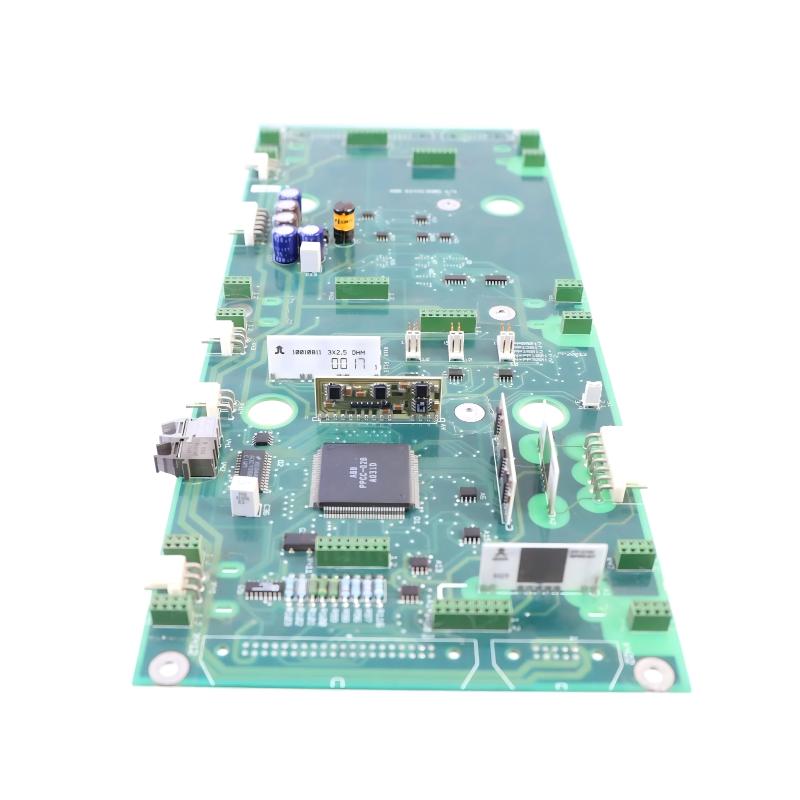
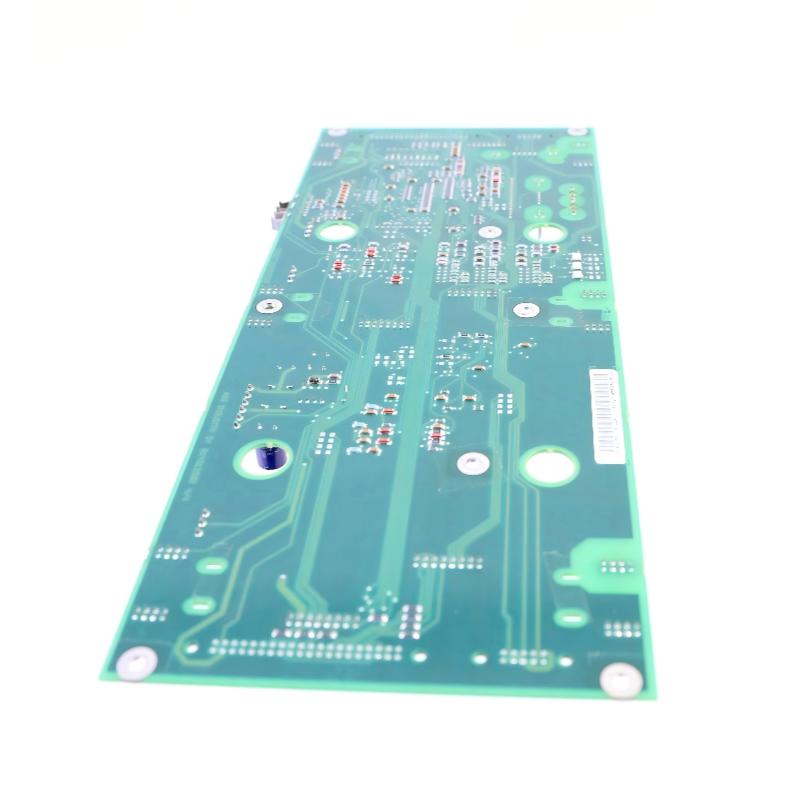
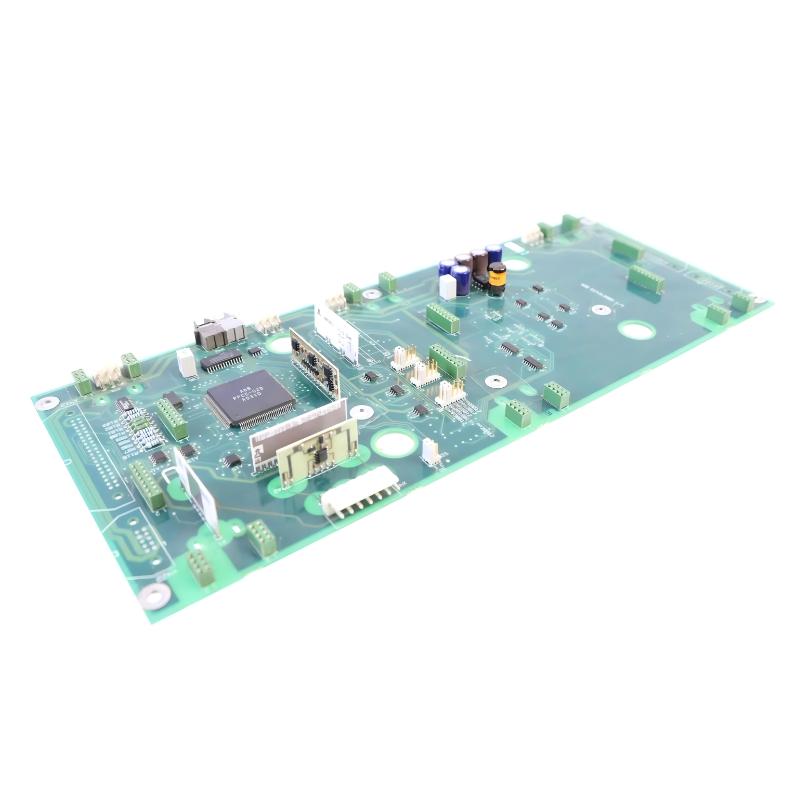
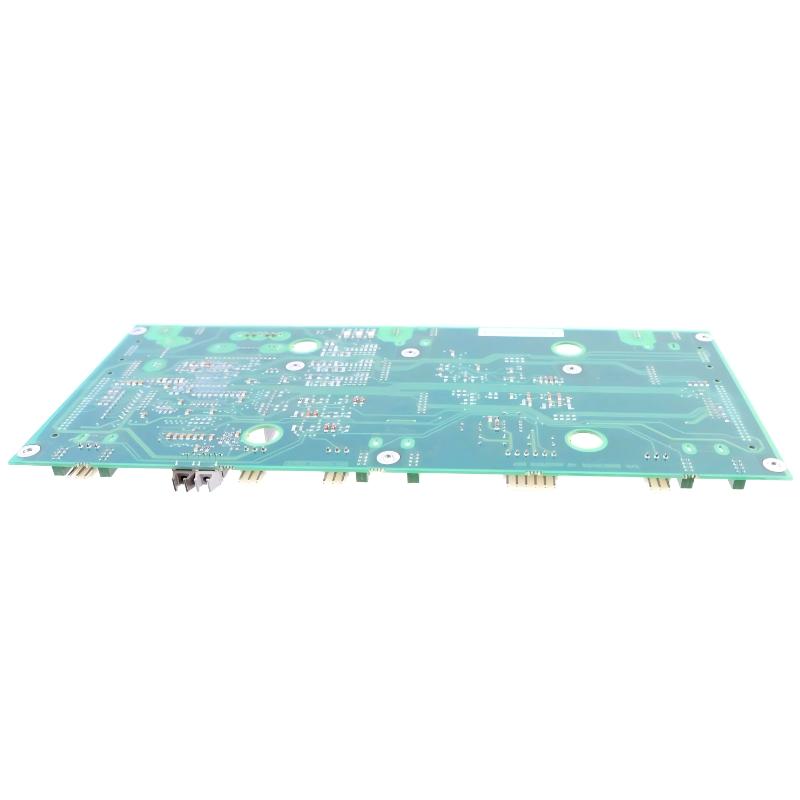
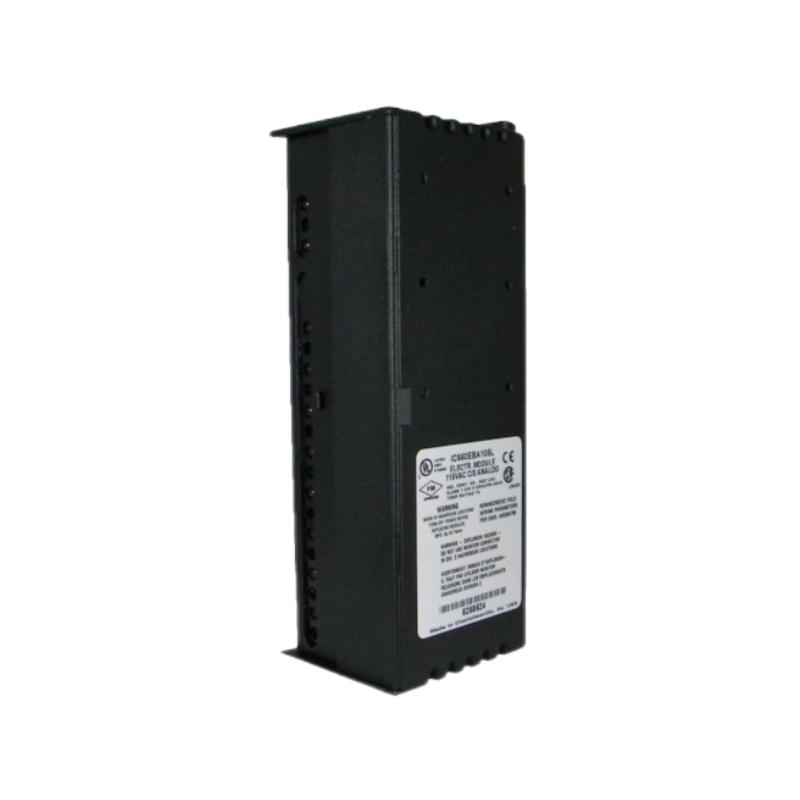
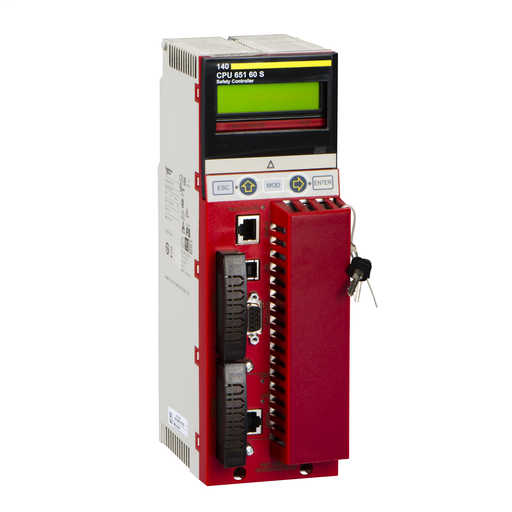
ABB NINT-67 61426833 Main Circuit Board Interface Board
ABB NINT-67 61426833 Main Circuit Board Interface Board
0.0
Points
Brand:ABB PLC Item No.:NINT-67 Product Origin:Sweden (SE) Product Dimensions:180 × 35 × 130 mm Product Weight:0.15 kg Payment:T/T, Western Union, Credit Card Goods_stock:15 Shipping Port:Xiamen, China Lead Time:1-3 Days Condition:Brand New And Original Warranty:1 Year Certificate:COO
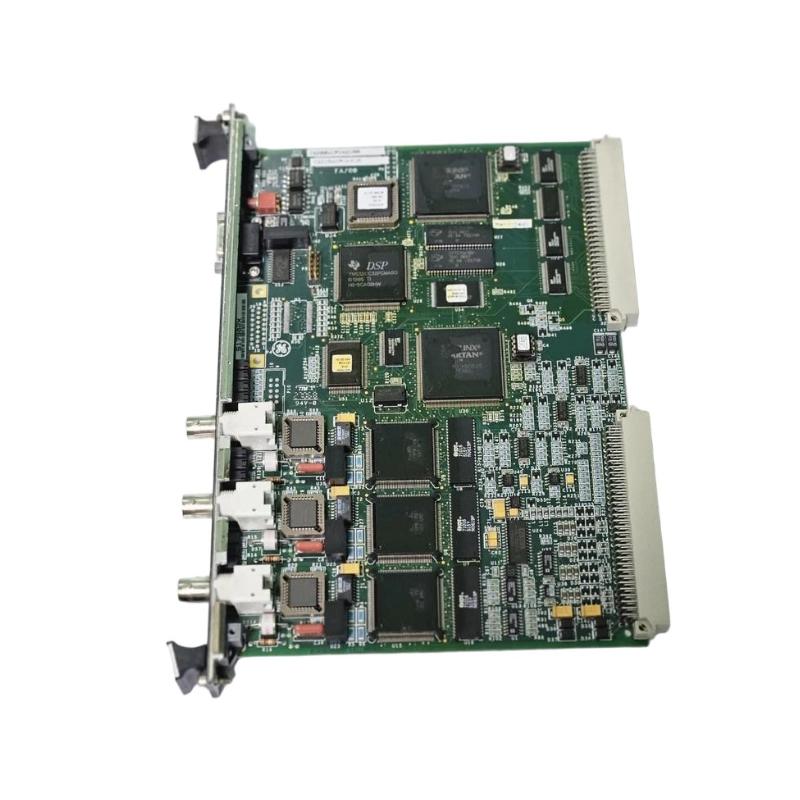
The ABB NINT-67 61426833 Main Circuit Board Interface Board is an important electronic component designed to support communication between different sections of ABB industrial power systems. It acts as a reliable interface point that helps transfer control and monitoring signals between the main circuit and internal electronics.
Industrial drive equipment relies on accurate signal coordination to maintain efficient motor control and safe operation. The NINT-67 contributes to this process by providing stable interface performance in applications requiring dependable power management and automation control.
For industrial users, OEM maintenance providers, and system integrators, this ABB interface board offers a reliable spare part solution for extending equipment service life and improving maintenance efficiency.
Technical Specifications and Engineering Data
Parameter
Description
Product Type
Main Circuit Board Interface Board
Manufacturer
ABB
Model Number
NINT-67
Part Number
61426833
Application
ABB Industrial Drive and Power Control Systems
Function
Main Circuit Signal Interface
Board Type
Electronic Interface PCB
Dimensions
180 × 35 × 130 mm
Weight
0.15 kg (0.33 lb)
Installation Method
Internal Equipment Mounting
Service Application
Industrial Repair and Replacement
Recommended Related Models
Model
Description
ABB NINT-63
Inverter Amplifier Board
ABB NINT-62C
Main Circuit Board Interface Board
ABB NINT-62
Main Circuit Interface Board
ABB NINT-46
Interface Control Board
ABB NGDR-03
Gate Circuit Card
Popular Related ABB Automation Models
Model
Product Type
ABB ACS800
Industrial AC Drive Series
ABB ACS880
High Performance Drive Platform
ABB DCS800
DC Drive Controller System
ABB ACS580
General Purpose Variable Frequency Drive
ABB ACS550
Industrial Motor Control Drive
Industrial Applications and Integration Areas
The ABB NINT-67 61426833 Main Circuit Board Interface Board is a specialized electronic interface module designed for ABB industrial drive and power control systems. It provides dependable signal connection and coordination between main circuit components and control electronics, supporting stable operation of inverter and power conversion equipment.
This interface board is commonly used in industrial automation environments where precise internal communication, reliable signal transmission, and continuous equipment operation are required. It is suitable for motor drive systems, industrial converters, production machinery, and ABB equipment maintenance applications.
For service engineers and plant maintenance teams, the ABB NINT-67 provides a practical replacement solution that helps restore drive system performance while maintaining the original hardware architecture of existing ABB installations.
Advantages and Technical Strengths
Reliable Main Circuit Communication
The NINT-67 enables stable interaction between power circuits and control modules, helping maintain accurate system operation.
Optimized ABB System Compatibility
Designed for ABB industrial equipment platforms, this interface board supports dependable integration with compatible drive assemblies.
Enhanced Signal Transmission Stability
The board helps maintain consistent electrical communication, reducing the possibility of internal control interruptions.
Effective Maintenance Component
The NINT-67 is an ideal replacement choice for repairing ABB drive systems affected by aging or damaged interface boards.
Industrial Application Reliability
Built for demanding automation environments, the board supports long-term operation in professional industrial installations.
Reduced Equipment Downtime
Fast replacement of a defective interface board can help shorten repair cycles and improve production continuity.
Technical FAQs and Troubleshooting Guide
1. What is the function of the ABB NINT-67 Main Circuit Board Interface Board?
The NINT-67 provides signal interface functions between the main power circuit and control electronics, supporting proper communication within ABB drive systems.
2. What are common failure symptoms of an NINT-67 interface board?
Typical symptoms include drive fault alarms, unstable operation, abnormal internal communication, incorrect feedback signals, or unexpected system stops.
3. How can technicians verify whether the NINT-67 is defective?
Engineers should analyze fault codes, inspect board connections, check related modules, and verify signal transmission paths before replacement.
4. Does the NINT-67 require software configuration after installation?
The interface board generally does not require independent software programming, but system testing should be performed after replacement.
5. What precautions are needed before replacing the NINT-67?
The equipment must be fully powered down, stored electrical energy must be discharged, and appropriate ESD protection should be applied.
6. Can the NINT-67 affect inverter or drive output performance?
Yes. A faulty interface board can interrupt communication between control and power sections, potentially affecting system operation.
7. Which components should be inspected during NINT-67 troubleshooting?
Related control boards, inverter modules, wiring connectors, auxiliary power circuits, and communication paths should be checked.
8. How can maintenance teams improve NINT-67 operating reliability?
Regular inspection of cabinet conditions, cooling performance, electrical connections, and contamination levels can help prevent failures.
9. Is the NINT-67 compatible with all ABB drive systems?
No. Compatibility depends on the specific ABB equipment model and hardware configuration. Correct model verification is required before installation.
10. What conditions may cause premature damage to the NINT-67?
High temperature, electrical stress, moisture, dust accumulation, vibration, and unstable power conditions may reduce board reliability.