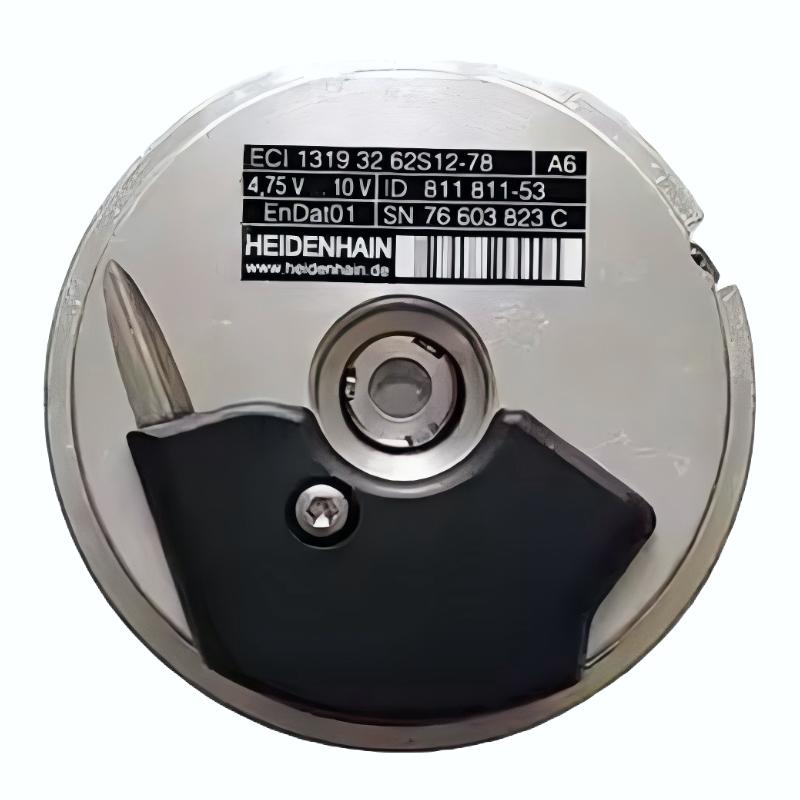
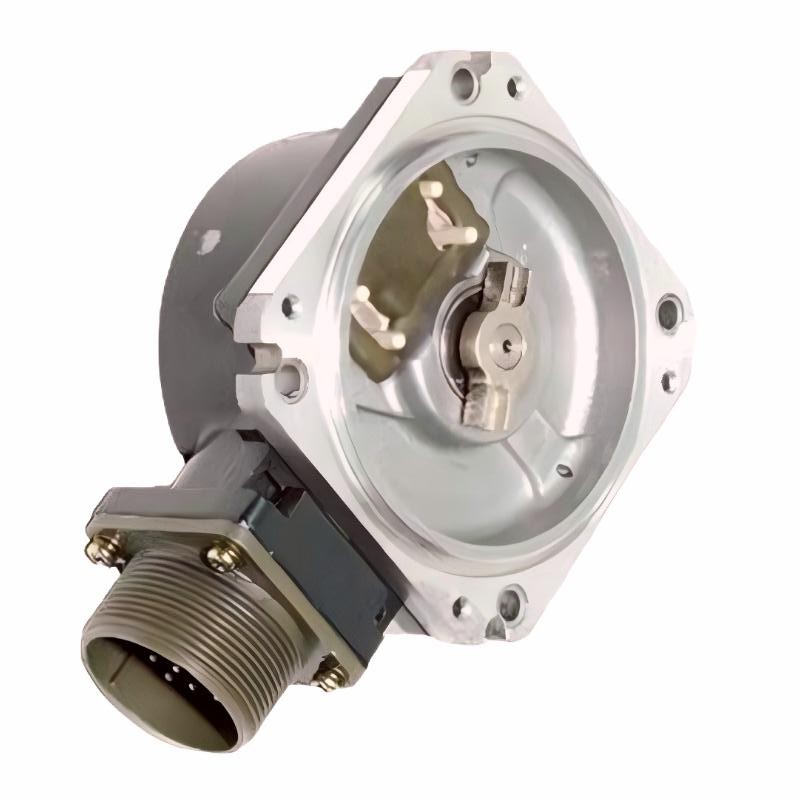
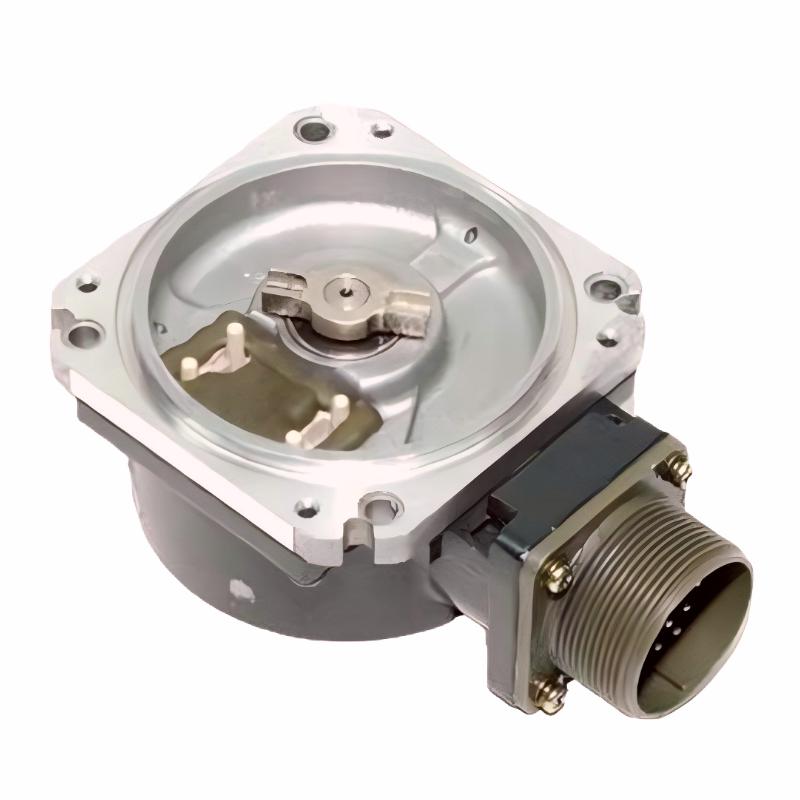
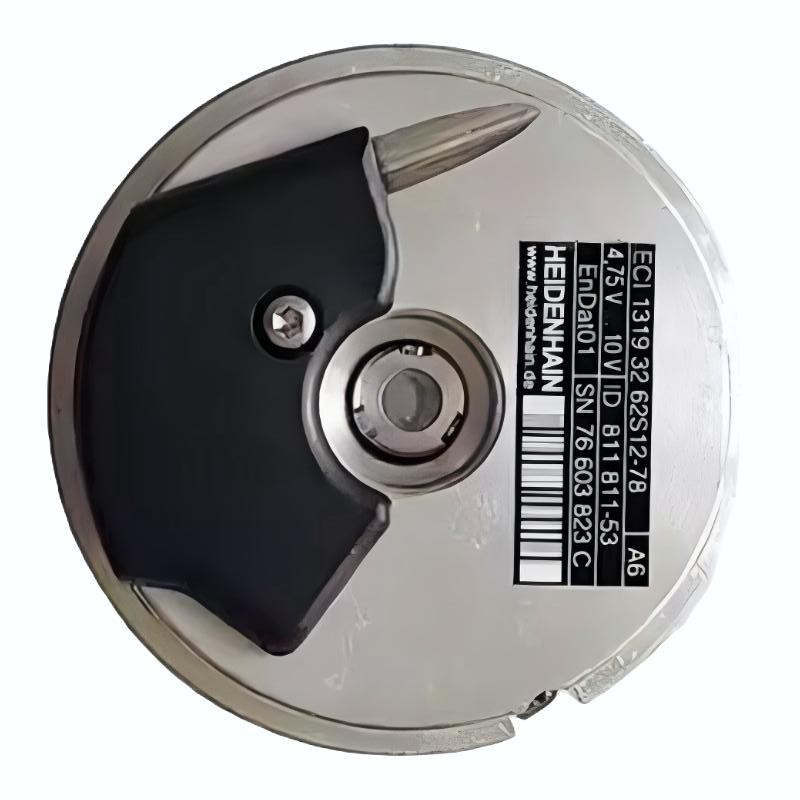
Brand:Schneider PLC Item No.:XCC-1930TS36KN Product Origin:France Product Dimensions:Diameter: 90 mm Product Weight:0.96 kg Payment:T/T, Western Union, Credit Card Goods_stock:15 Shipping Port:Xiamen, China Lead Time:1-3 Days Condition:Brand New And Original Warranty:1 Year Certificate:COO
The Schneider XCC-1930TS36KN XCC Incremental Encoder is an industrial feedback component developed for applications where accurate rotary measurement and dependable motion control are essential. It provides continuous pulse feedback to automation systems, enabling precise monitoring of machine speed and position.
In modern manufacturing environments, reliable motion feedback plays an important role in improving production efficiency and maintaining consistent product quality. The XCC series encoder supports these requirements by providing stable operation and accurate signal generation in industrial conditions.
With its durable design and professional automation performance, the Schneider XCC-1930TS36KN is an ideal choice for machine builders and industrial users seeking a dependable encoder solution for long-term operation.
Technical Specifications and Engineering Data
Parameter
Description
Product Type
XCC Incremental Encoder
Manufacturer
Schneider Electric
Model Number
XCC-1930TS36KN
Encoder Type
Incremental Rotary Encoder
Series
XCC Series
Application
Industrial Motion Control
Function
Speed and Position Feedback
Diameter
90 mm
Output Type
Incremental Pulse Signal
Weight
0.96 kg (2.12 lb)
Installation Method
Industrial Machine Mounting
Usage
Automation Equipment and Motion Systems
Recommended Related Models
Model
Description
Schneider XCC-1912PS10KN
XCC Incremental Encoder
Schneider XCC-1930TS10KN
XCC Incremental Encoder
Schneider XCC-1930TS36KN
XCC Incremental Encoder
Schneider XCC-1406TR10K
XCC Incremental Encoder
Schneider XCC Series Accessories
Encoder Connection and Mounting Components
Popular Related Schneider Automation Models
Model
Product Type
Schneider Modicon M262
Motion Controller Platform
Schneider Modicon M580
Programmable Automation Controller
Schneider Lexium Series
Servo Motion Control System
Schneider Altivar Series
Variable Speed Drive Platform
Schneider Harmony Series
Industrial Control Components
Applications and Industrial Motion Control
The Schneider XCC-1930TS36KN XCC Incremental Encoder is a reliable rotary feedback device designed for industrial automation systems requiring precise speed, position, and movement detection. It converts mechanical rotation into electrical pulse signals, providing essential feedback information for controllers, drives, and motion control equipment.
This 90 mm diameter incremental encoder is suitable for various industrial applications, including automated manufacturing equipment, conveyor systems, machine tools, packaging machinery, and motor-driven systems. Its stable feedback performance helps improve machine synchronization, positioning accuracy, and operational efficiency.
For automation engineers, system integrators, and maintenance teams, the Schneider XCC-1930TS36KN offers a dependable motion feedback solution that supports continuous operation and enhances the reliability of industrial automation processes.
Advantages and Industrial Performance Features
Precise Incremental Feedback Output
The XCC-1930TS36KN provides accurate pulse signals for monitoring rotational speed and position, helping control systems achieve stable motion performance.
Robust Industrial Design
The encoder is designed for demanding automation environments where reliable feedback and long-term operation are required.
Large Diameter Configuration
The 90 mm structure provides a practical solution for applications requiring a larger encoder format and stable mechanical integration.
Improved Machine Control Accuracy
Reliable feedback signals help reduce positioning errors and improve synchronization between mechanical components.
Wide Automation Application Range
Suitable for industrial machinery, production lines, motor systems, and automated equipment requiring rotary measurement.
Reliable Replacement and Maintenance Option
The encoder provides an effective solution for replacing aging feedback components and restoring automation system performance.
Technical FAQs and Troubleshooting Guide
1. What is the primary function of the Schneider XCC-1930TS36KN encoder?
The encoder detects rotary movement and generates incremental pulse signals used for speed and position feedback in automation systems.
2. What types of machines commonly use incremental encoders?
They are widely applied in motors, conveyors, packaging equipment, machine tools, robotics, and industrial production systems.
3. What are the common symptoms of an encoder failure?
Typical symptoms include incorrect positioning, unstable speed feedback, missing pulses, unexpected machine stops, or controller alarms.
4. How can technicians troubleshoot encoder signal problems?
Engineers should check the power supply, inspect wiring connections, test output signals, and verify the controller input channel.
5. Can incorrect mechanical installation affect encoder performance?
Yes. Shaft misalignment, improper coupling, or excessive vibration may cause unstable feedback and reduce measurement accuracy.
6. How does electrical noise influence encoder operation?
Electrical interference can introduce signal distortion, causing incorrect pulse counting or unstable feedback readings.
7. Which components should be inspected during encoder fault diagnosis?
Technicians should check the encoder, coupling, mounting structure, signal cable, power supply, PLC input module, and drive controller.
8. How can users improve the service life of the XCC-1930TS36KN?
Proper installation, vibration control, cable protection, and regular inspection can help maintain reliable encoder performance.
9. Is the XCC-1930TS36KN compatible with all Schneider automation platforms?
Compatibility depends on the controller interface, electrical requirements, mounting conditions, and specific application configuration.
10. What causes unstable encoder feedback signals?
Common causes include damaged cables, loose wiring, mechanical vibration, electrical interference, incorrect installation, and unstable power supply.