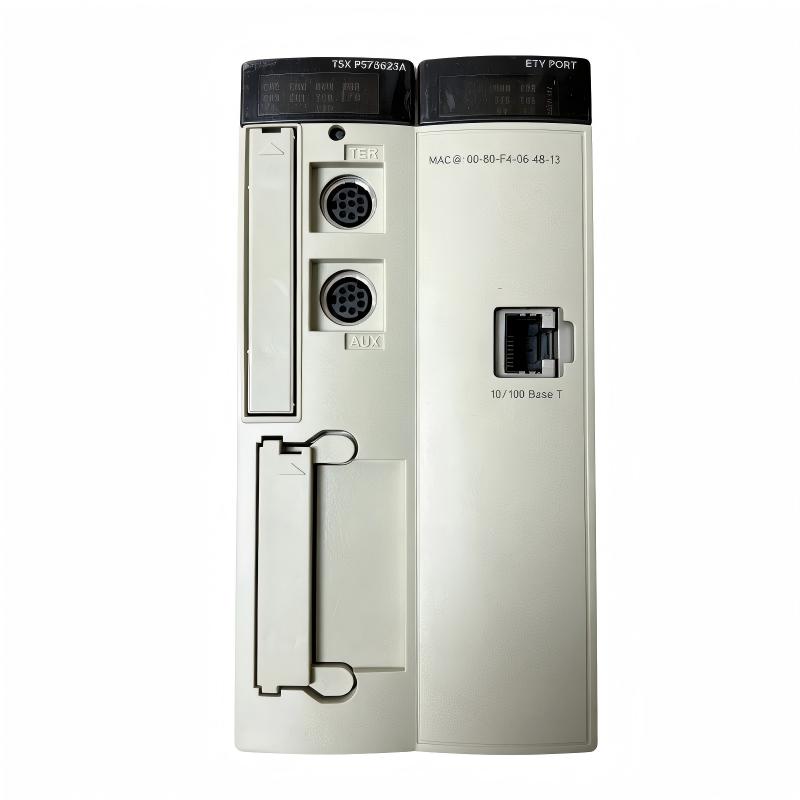
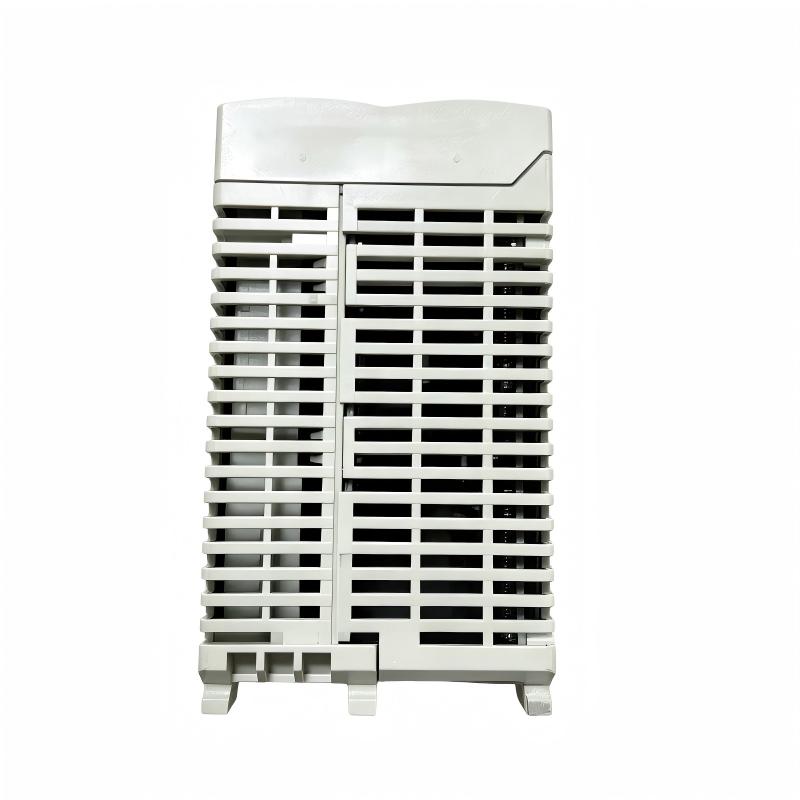
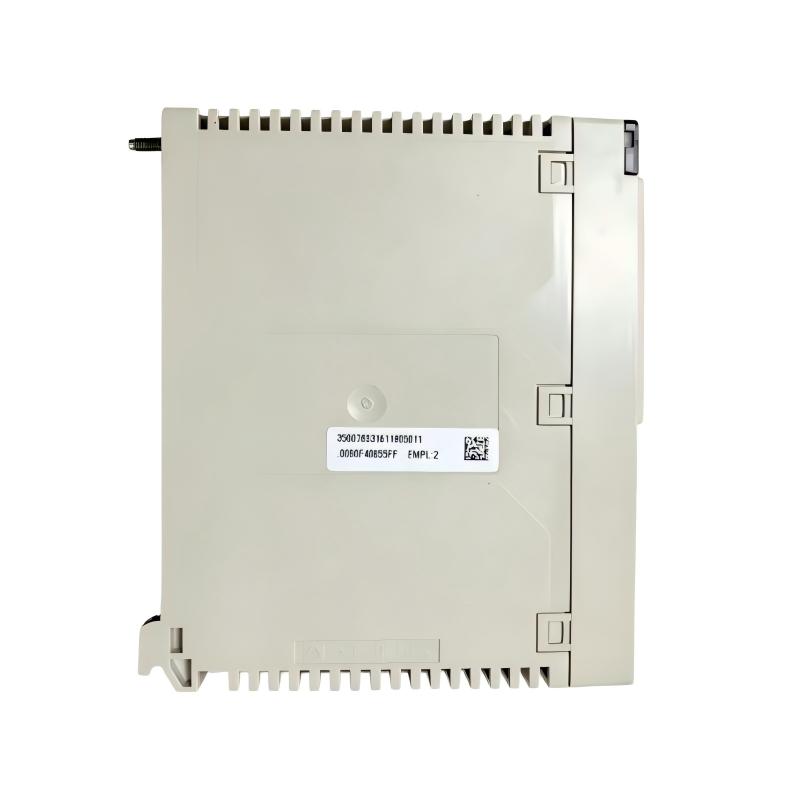
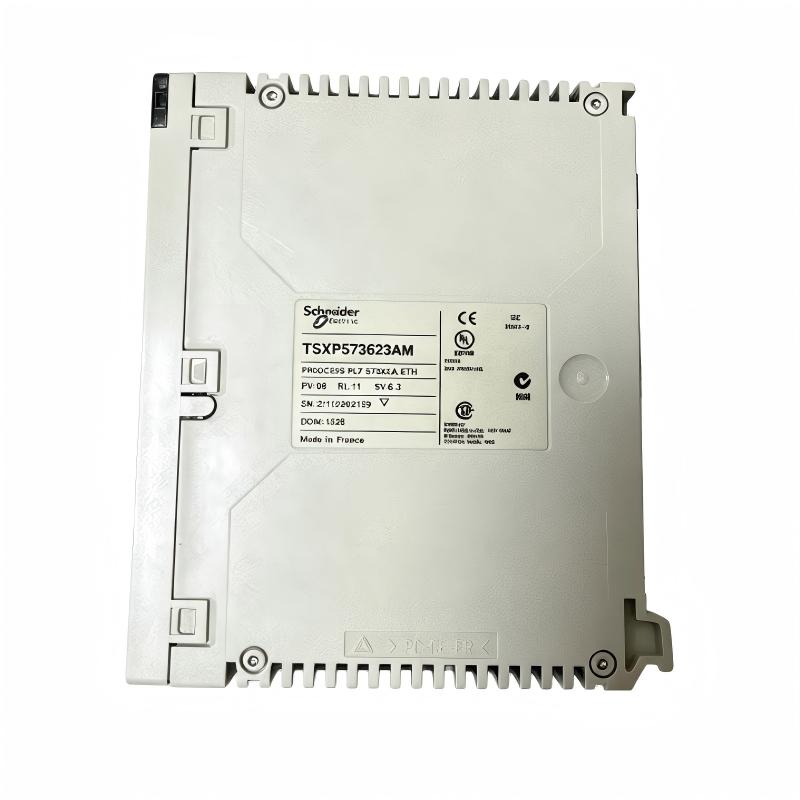
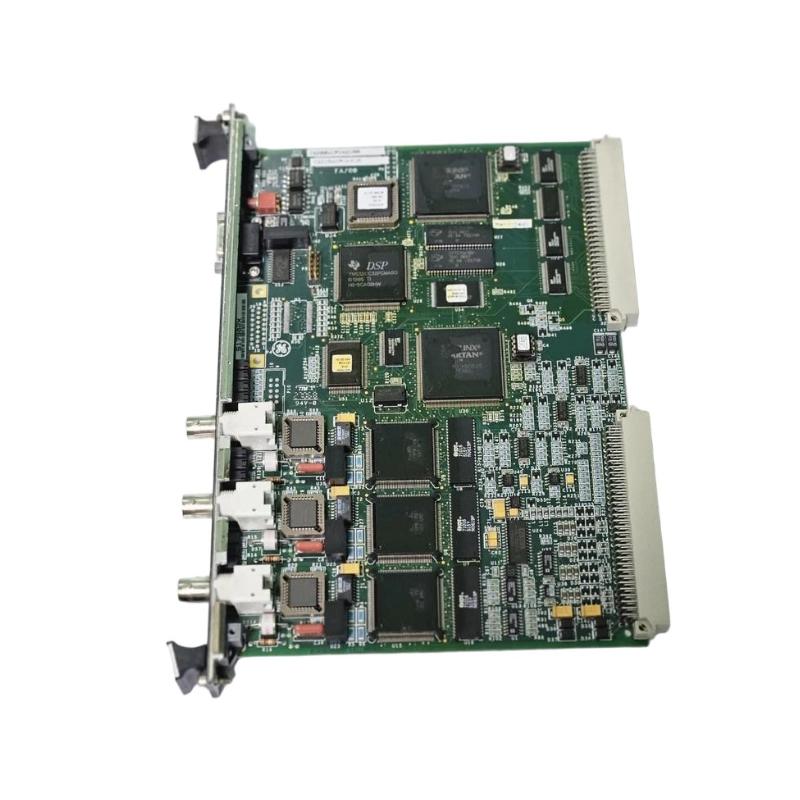
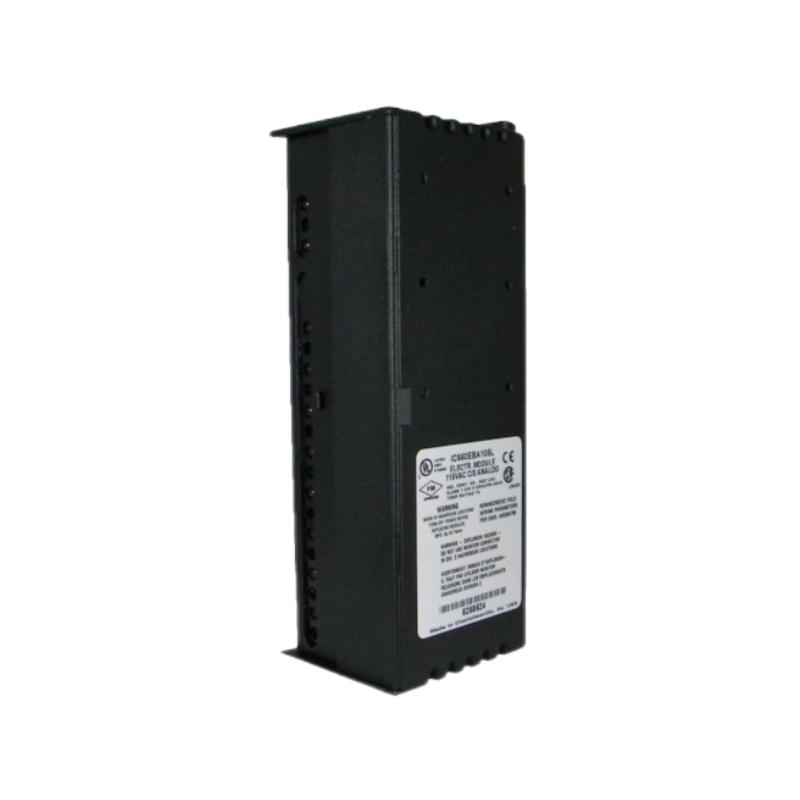
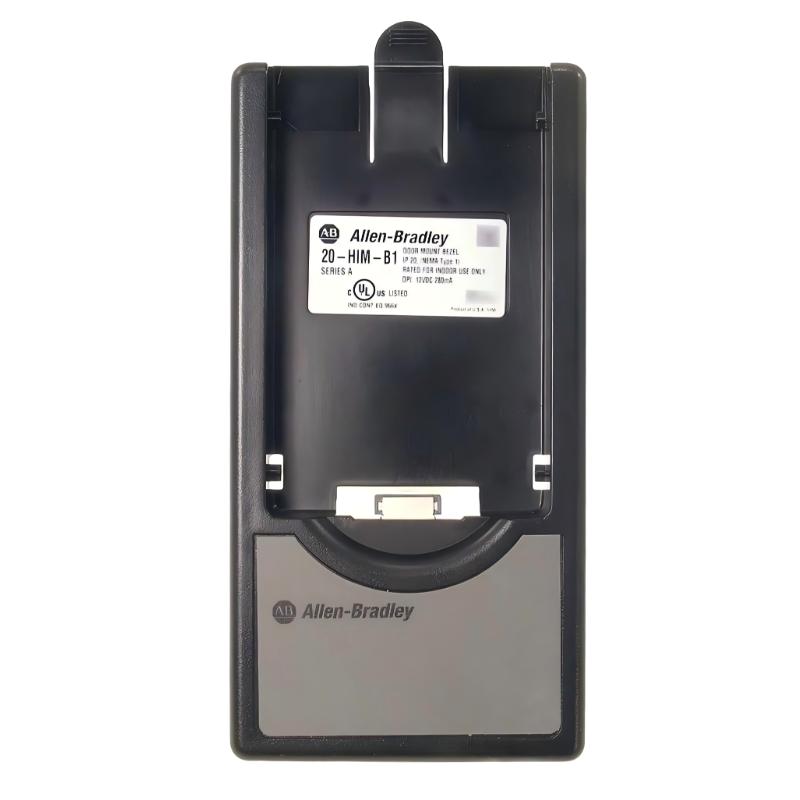
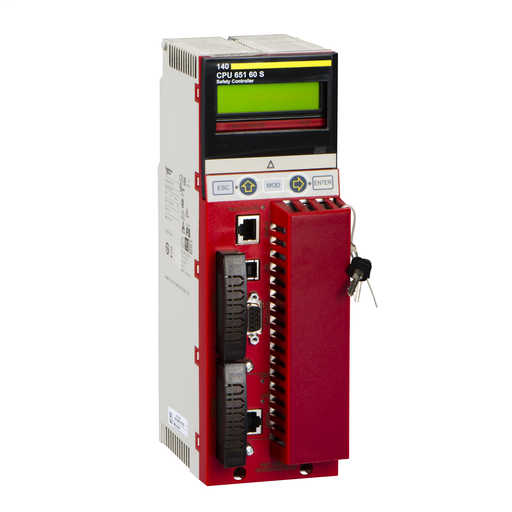
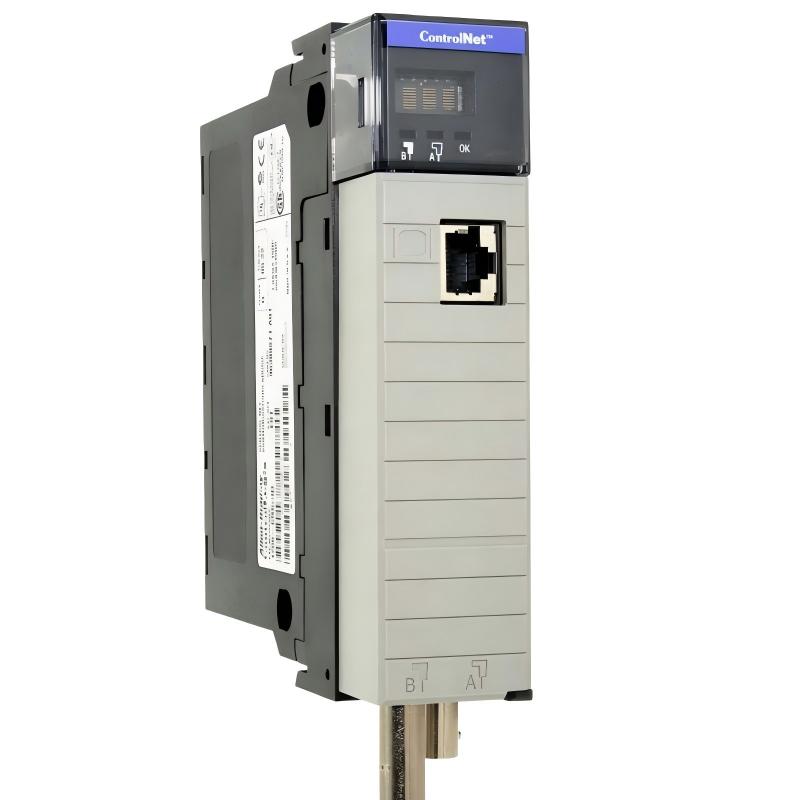
Brand:Schneider PLC Item No.:TSXP573623AM Product Origin:France Product Dimensions:95 x 180 x 260 mm Product Weight:0.76 kg Payment:T/T, Western Union, Credit Card Goods_stock:15 Shipping Port:Xiamen, China Lead Time:1-3 Days Condition:Brand New And Original Warranty:1 Year Certificate:COO
The Schneider TSXP573623AM Dual-Format PL7 Processor is an industrial PLC processing module designed to provide reliable control performance for Schneider Premium automation systems. It serves as the central processing unit responsible for executing user programs, managing automation sequences, and coordinating connected modules.
In industrial environments where production continuity is critical, a dependable PLC processor is essential for maintaining efficient operations. The TSXP573623AM helps ensure stable machine control by providing consistent processing performance and flexible integration capabilities.
With its proven industrial design and compatibility with Schneider Premium automation platforms, this processor module is a valuable component for system upgrades, maintenance projects, and automation equipment refurbishment.
Technical Specifications and Engineering Data
Parameter
Description
Product Type
Dual-Format PL7 Processor Module
Manufacturer
Schneider Electric
Model Number
TSXP573623AM
Automation Platform
Schneider Premium PLC
Processor Type
PLC Central Processing Unit
Programming Environment
PL7 Software Platform
Application
Industrial Automation Control
Dimensions
95 × 180 × 260 mm
Weight
0.76 kg (1.68 lb)
Installation Method
PLC Rack Mounting
Function
Program Execution and System Control
Usage
Machine Automation and Process Control
Recommended Related Models
Model
Description
Schneider TSXP57303M
Premium PL7 Processor Module
Schneider TSXP57353M
Premium Processor Module
Schneider TSXP572623M
Premium PLC Processor
Schneider TSXPCI57
Premium Communication Processor
Schneider TSXPSY3610M
Premium Power Supply Module
Popular Related Schneider Automation Models
Model
Product Type
Schneider Modicon Premium
PLC Automation Platform
Schneider Modicon M340
Modular PLC System
Schneider Modicon M580
Programmable Automation Controller
Schneider Modicon Quantum
High-Performance PLC Platform
Schneider Unity Pro Software
PLC Programming Environment
Applications and Industrial Control Systems
The Schneider TSXP573623AM Dual-Format PL7 Processor is a high-performance automation controller module designed for industrial control applications requiring reliable processing capability and flexible system integration. As part of the Schneider Premium automation platform, this processor provides the computing power required for PLC program execution, communication management, and machine control operations.
The TSXP573623AM is widely used in manufacturing automation, process control systems, production lines, material handling equipment, and industrial infrastructure applications. Its dual-format architecture allows integration into different Premium PLC configurations, providing users with a flexible solution for upgrading and maintaining existing automation systems.
For automation engineers, system integrators, and industrial maintenance teams, the Schneider TSXP573623AM delivers dependable PLC processing performance, helping improve equipment efficiency, reduce downtime, and maintain stable control operations.
Advantages and Automation Performance Features
Reliable PLC Processing Capability
The TSXP573623AM provides stable program execution and control processing for demanding industrial automation tasks.
Premium Platform Compatibility
Designed for Schneider Premium PLC systems, the processor supports reliable integration with existing automation architectures.
Flexible Dual-Format Design
The dual-format configuration improves system adaptability and provides additional options for automation system installation.
Efficient Control Management
The processor handles application logic, communication tasks, and control operations to support complex industrial processes.
Supports Existing System Maintenance
The module provides an effective replacement solution for maintaining operational PLC installations without major system redesign.
Industrial Reliability and Stability
Designed for continuous automation environments where dependable operation is essential.
Technical FAQs and Troubleshooting Guide
1. What is the main function of the Schneider TSXP573623AM processor?
The processor executes PLC programs, manages automation tasks, and controls communication between connected system components.
2. What are common symptoms of a processor module failure?
Typical symptoms include PLC startup failure, communication loss, program execution errors, unexpected machine stops, or processor diagnostic alarms.
3. How can technicians troubleshoot a TSXP573623AM processor fault?
Engineers should check power supply status, processor diagnostics, PLC configuration, communication connections, and application program conditions.
4. Which PLC systems use the TSXP573623AM processor?
The processor is designed for Schneider Premium PLC automation platforms and compatible system configurations.
5. Can incorrect PLC configuration affect processor operation?
Yes. Incorrect hardware settings, software parameters, or communication configuration may prevent proper processor operation.
6. How can communication problems with the processor be diagnosed?
Technicians should verify network connections, communication modules, addressing settings, and PLC diagnostic information.
7. What should be checked before replacing a processor module?
Engineers should confirm fault conditions, back up PLC programs, verify compatibility, and inspect related hardware components.
8. Can power instability damage PLC processor operation?
Yes. Unstable power conditions may cause processor resets, data errors, or unexpected system shutdowns.
9. Is the TSXP573623AM compatible with all Schneider PLC systems?
No. Compatibility depends on the PLC platform, rack configuration, software version, and system requirements.
10. How can users improve processor module reliability?
Maintaining stable power, proper cabinet conditions, regular diagnostics, and scheduled maintenance can improve system reliability.