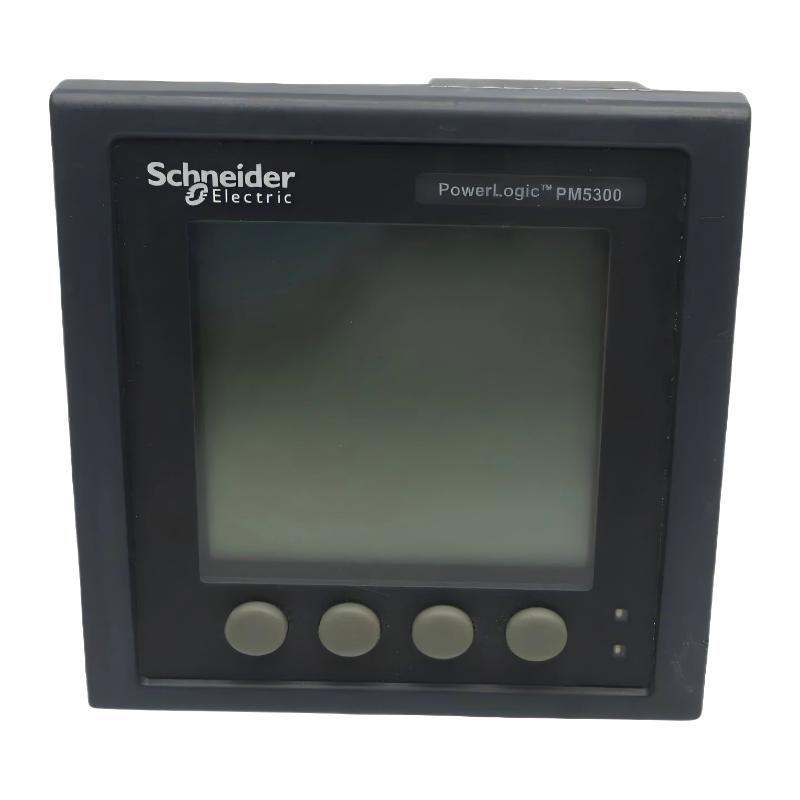
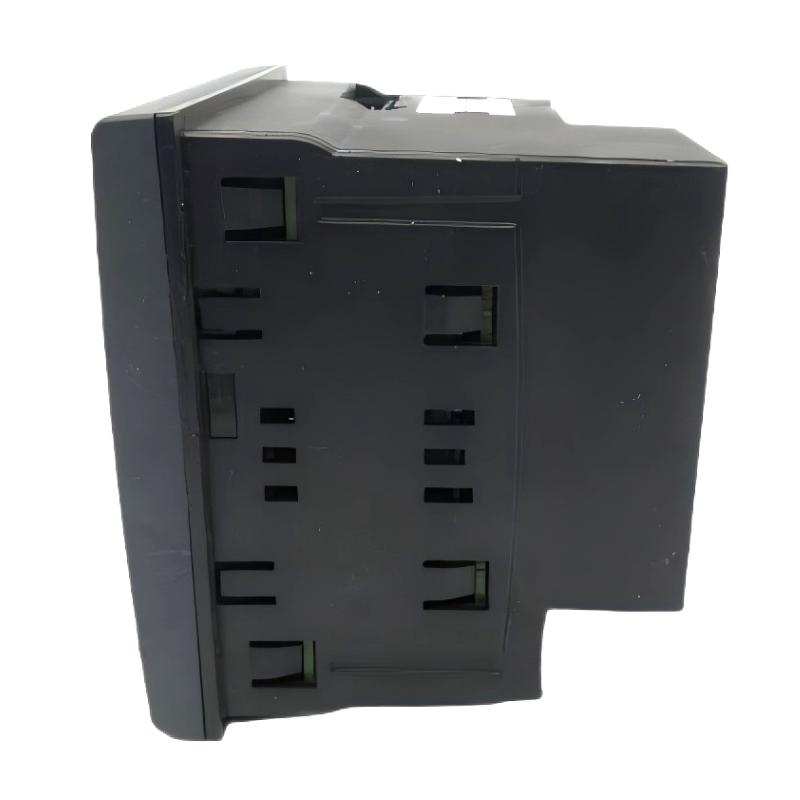
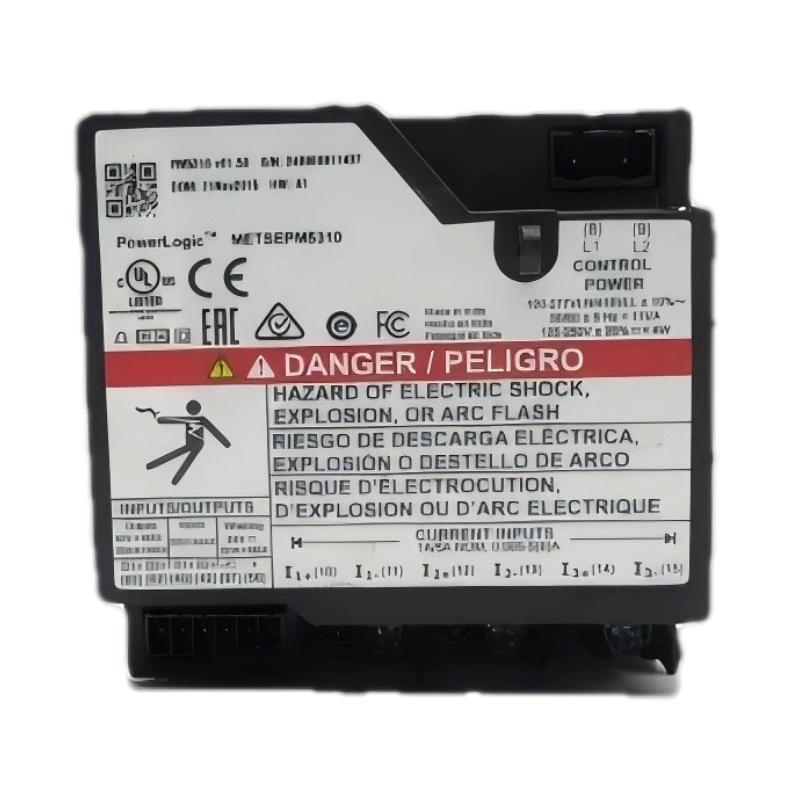
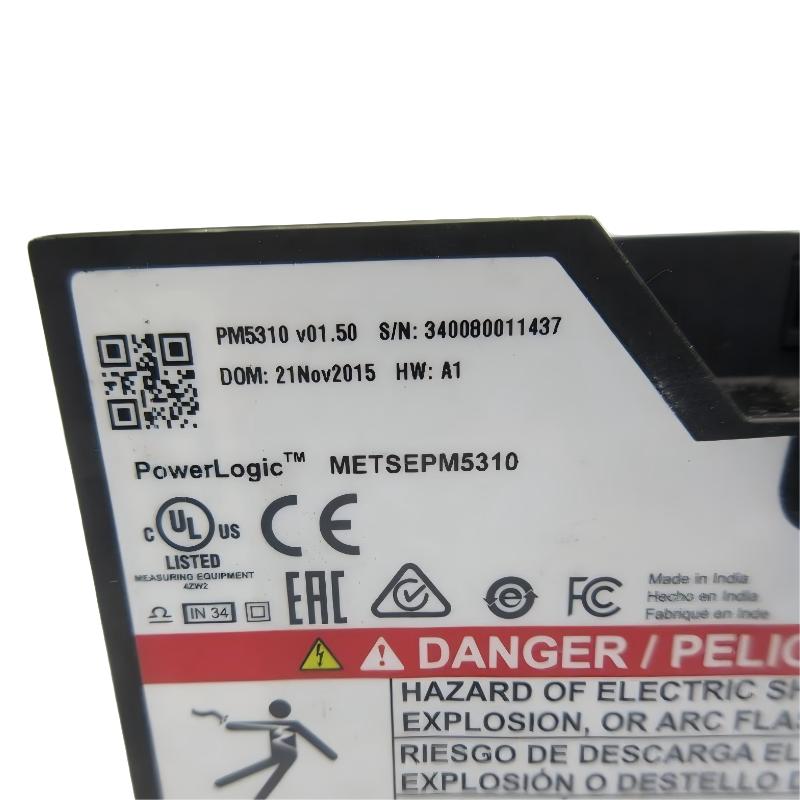
Brand:Schneider PLC Item No.:METSEPM5310 Product Origin:France Product Dimensions:96 x 72 x 96 mm Product Weight:0.43 kg Payment:T/T, Western Union, Credit Card Goods_stock:15 Shipping Port:Xiamen, China Lead Time:1-3 Days Condition:Brand New And Original Warranty:1 Year Certificate:COO
The Schneider METSEPM5310 Power Meter is a reliable electrical measurement device developed for industrial and commercial power monitoring applications. It provides engineers with valuable electrical data to evaluate system performance, manage energy usage, and improve operational efficiency.
In modern automation and facility management systems, accurate electrical measurement plays an important role in maintaining equipment reliability and reducing unnecessary energy consumption. The METSEPM5310 helps create better visibility into electrical networks by delivering dependable monitoring information for operators and maintenance teams.
With its compact panel-mounted structure, professional measurement capability, and suitability for diverse applications, this power meter is an effective choice for industrial control panels, distribution systems, and energy management solutions.
Technical Specifications of Schneider METSEPM5310
Specification
Details
Brand
Schneider Electric
Model
METSEPM5310
Product Type
Power Meter
Application
Electrical Measurement, Energy Monitoring, Power Management
Installation Type
Panel Mounting
Display Format
Digital Measurement Display
Panel Size
96 × 72 mm
Product Dimensions
96 × 72 × 96 mm
Weight
0.43 kg (0.95 lb)
Recommended Related Models
Model
Product Type
Schneider METSEPM5110
Power Meter
Schneider METSEPM5330
Power Meter
Schneider METSEPM5340
Power Meter
Schneider METSEPM8240
Power Meter
Schneider METSEPM5560
Power Meter
Popular Related Schneider Automation Models
Model
Product Type
Schneider BMXP342020
Modicon M340 Processor Module
Schneider TM241CE40R
Modicon M241 PLC Controller
Schneider ATV630D15N4
Altivar Process Variable Speed Drive
Schneider LXM32AD18N4
Lexium Servo Drive
Schneider HMISTU855
Magelis Touch Panel
Applications and Energy Monitoring Solutions
The Schneider METSEPM5310 Power Meter is designed for professional electrical measurement and energy monitoring applications where accurate power data, reliable system analysis, and efficient facility management are required. It provides essential electrical parameters that help engineers monitor equipment performance, optimize energy consumption, and improve power management strategies.
This power meter is widely used in industrial plants, commercial buildings, power distribution systems, and automation environments. By providing real-time electrical information, the METSEPM5310 supports preventive maintenance, load management, and energy efficiency improvements.
Typical application areas include:
Industrial power distribution monitoring
Factory energy management systems
Motor and machine power analysis
Building electrical monitoring
Control cabinet measurement applications
Low-voltage distribution systems
Energy optimization projects
Key Performance Features and Engineering Benefits
The Schneider METSEPM5310 combines compact panel-mounted design with dependable electrical measurement capability, making it a practical solution for modern power monitoring requirements.
Main advantages include:
Comprehensive electrical measurement capability
Provides important power parameters for analyzing electrical system performance and operating conditions.
Reliable energy monitoring
Helps engineers identify consumption trends and improve energy management efficiency.
Compact panel installation design
The 96 × 72 mm front panel format allows convenient integration into control cabinets and electrical panels.
Improved system visibility
Enables operators to better understand equipment power behavior and detect abnormal operating conditions.
Suitable for industrial environments
Designed for continuous monitoring applications in factories, facilities, and automation systems.
Supports efficient maintenance strategies
Provides valuable electrical data that helps reduce downtime and improve equipment management.
Technical FAQs About Schneider METSEPM5310 Power Meter
1. What is the primary function of the Schneider METSEPM5310 Power Meter?
The METSEPM5310 measures electrical parameters and provides monitoring data for power distribution and energy management applications.
2. What types of electrical systems can use this power meter?
It is suitable for industrial, commercial, and automation electrical systems where power monitoring and measurement are required.
3. How does a power meter help improve energy efficiency?
By providing detailed electrical information, the meter helps identify energy usage patterns and potential optimization opportunities.
4. What should be checked if the meter displays incorrect readings?
Engineers should verify wiring connections, voltage and current input configuration, measurement settings, and installation conditions.
5. Can the METSEPM5310 be integrated into building energy management systems?
Yes. When supported communication interfaces are configured correctly, it can be integrated into energy monitoring platforms.
6. What causes unstable measurement values on a power meter?
Possible causes include incorrect wiring, unstable power supply, current transformer issues, electrical interference, or configuration errors.
7. Why is correct current transformer installation important?
Proper current transformer connection ensures accurate current measurement and prevents incorrect power calculations.
8. How can communication problems with the power meter be diagnosed?
Check communication parameters, wiring connections, network configuration, and controller or monitoring software settings.
9. What maintenance checks are recommended for installed power meters?
Regular inspection should include terminal connections, wiring conditions, measurement accuracy, and communication performance.
10. Why is real-time power monitoring important in industrial facilities?
Real-time monitoring helps detect abnormal energy usage, improve operational decisions, and support preventive maintenance activities.