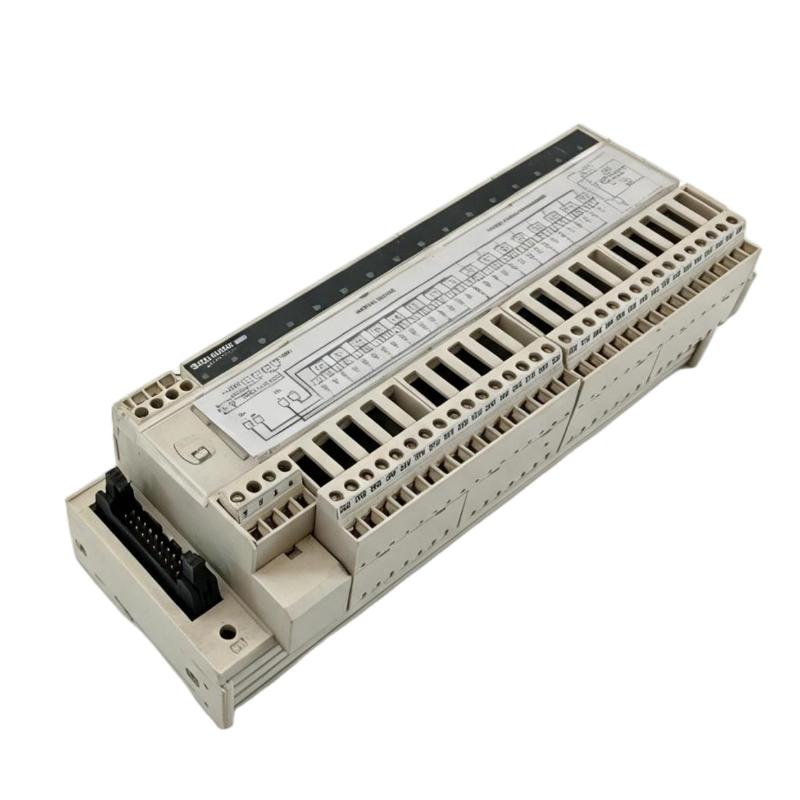
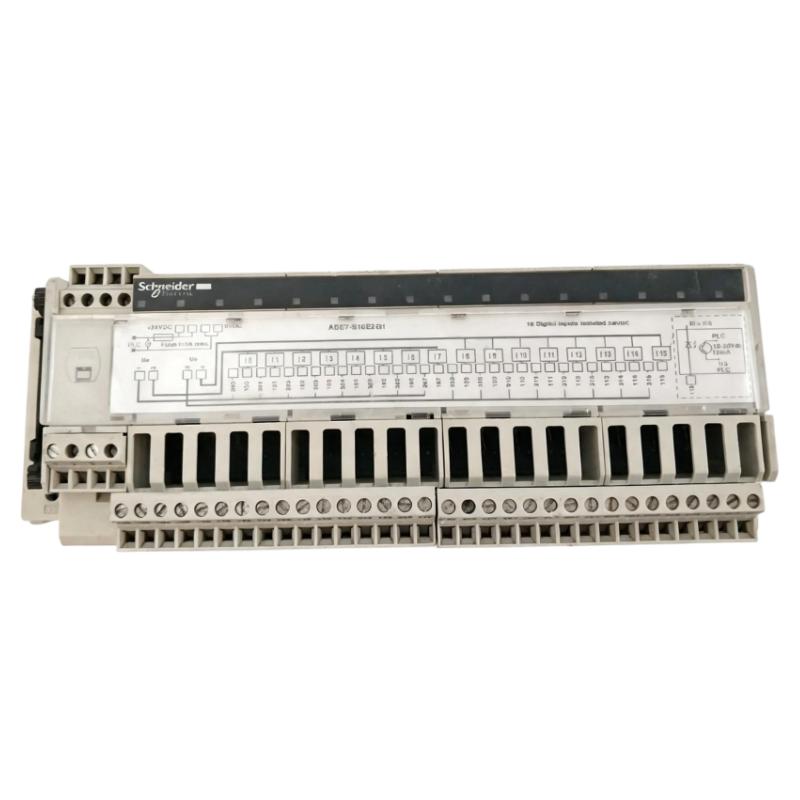
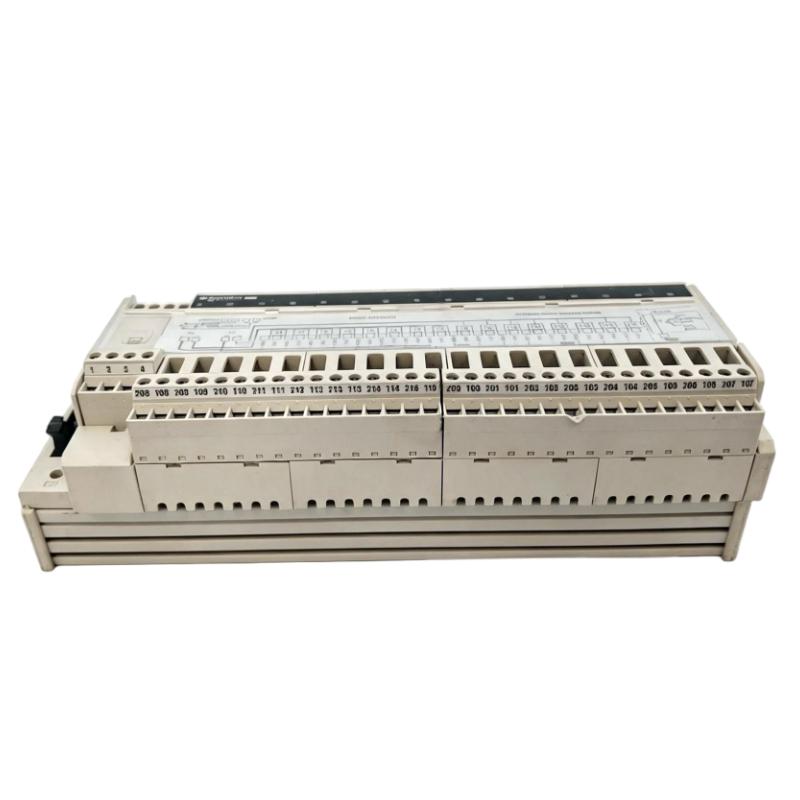
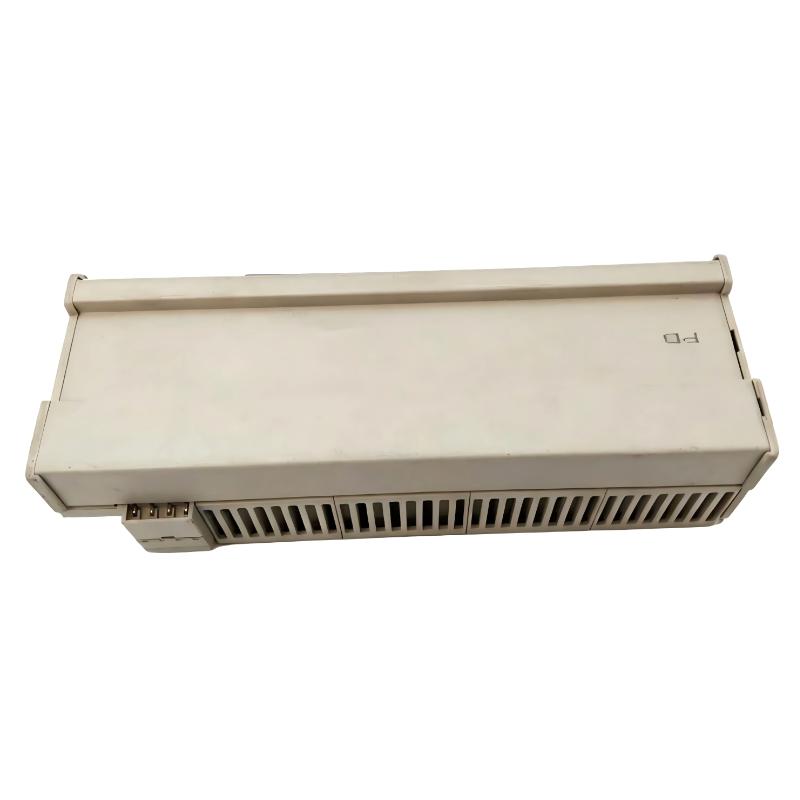
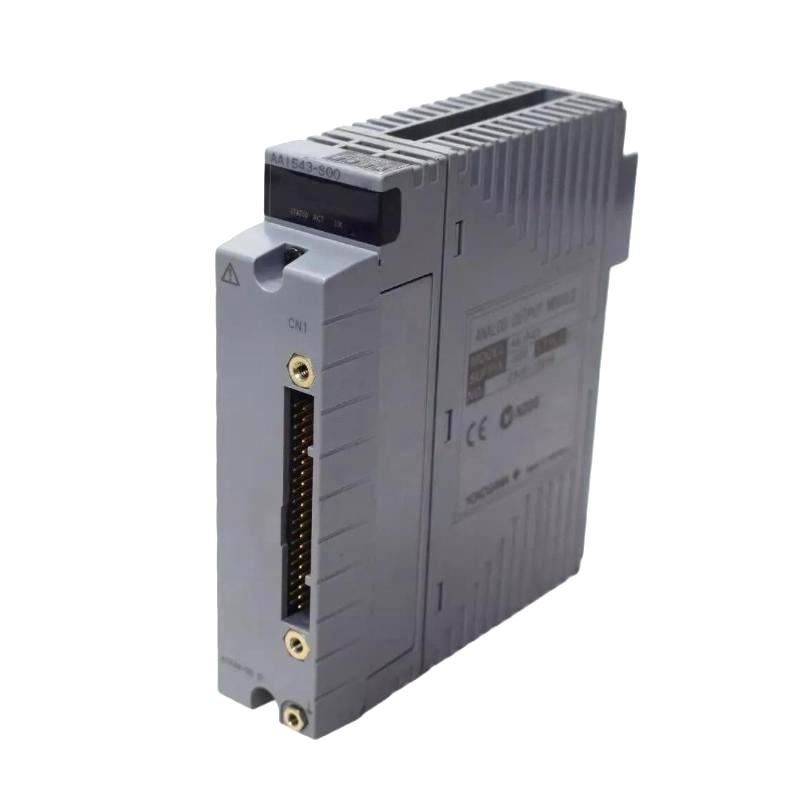
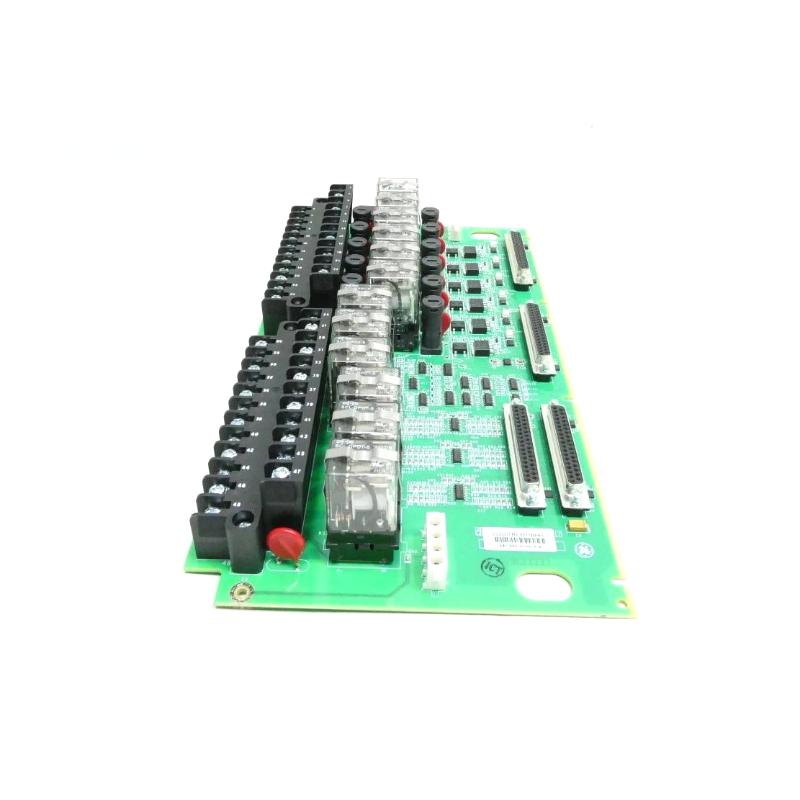
Brand:Schneider PLC Item No.:ABE7S16E2B1 Product Origin:France Product Dimensions:206 x 71 x 77 mm Product Weight:0.37 kg Payment:T/T, Western Union, Credit Card Goods_stock:15 Shipping Port:Xiamen, China Lead Time:1-3 Days Condition:Brand New And Original Warranty:1 Year Certificate:COO
Introduction to Schneider ABE7S16E2B1 Welded Solid-State Output Relay
The Schneider ABE7S16E2B1 Welded Solid-State Output Relay is a professional industrial interface component designed to improve the reliability and efficiency of automation control systems. It provides a dependable switching solution for connecting PLC outputs with external electrical loads in industrial environments.
Modern automation equipment requires high-performance interface components to ensure accurate signal transmission and stable operation. The ABE7S16E2B1 supports these requirements through solid-state switching technology, reliable electrical isolation, and a design optimized for industrial control applications.
With its durable construction, compact installation format, and compatibility with automation systems, this output relay is a practical choice for machine builders, control engineers, and maintenance professionals seeking dependable signal switching performance.
Technical Specifications of Schneider ABE7S16E2B1
Specification
Details
Brand
Schneider Electric
Model
ABE7S16E2B1
Product Type
Welded Solid-State Output Relay
Application
PLC Interface, Industrial Switching, Signal Control
Technology
Solid-State Relay Output
Installation Type
Industrial Control Panel Mounting
Product Dimensions
206 × 71 × 77 mm
Weight
0.37 kg (0.82 lb)
Recommended Related Models
Model
Product Type
Schneider ABE7S16E0B1
Solid-State Output Relay
Schneider ABE7S16E1B1
Output Relay Interface Module
Schneider ABE7S16S1B1
Solid-State Interface Module
Schneider ABE7S16E2B0
Output Relay Module
Schneider ABE7P16T330
Telefast Interface Module
Popular Related Schneider Automation Models
Model
Product Type
Schneider BMXDDO1602H
Modicon M340 Digital Output Module
Schneider BMXDDM16022
Modicon M340 Mixed Digital Module
Schneider TM3DQ16R
Modicon TM3 Digital Output Module
Schneider TM241CE40R
Modicon M241 PLC Controller
Schneider BMXP342020
Modicon M340 Processor Module
Applications and Industrial Switching Solutions
The Schneider ABE7S16E2B1 Welded Solid-State Output Relay is designed for industrial automation applications requiring reliable electrical switching, fast response performance, and stable control signal transmission. As part of Schneider Electric’s interface and automation component portfolio, this solid-state output relay provides an efficient connection between control systems and field devices.
The ABE7S16E2B1 is commonly integrated into PLC control panels, machine automation systems, and industrial electrical cabinets where dependable switching operation is required. Its solid-state technology helps improve switching durability and reduce mechanical wear compared with traditional relay solutions.
Typical application areas include:
PLC output interface systems
Industrial machine control panels
Automated production equipment
Motor and actuator control circuits
Packaging and assembly machinery
Industrial signal isolation applications
Factory automation systems
Performance Features and Engineering Advantages
The Schneider ABE7S16E2B1 provides a reliable interface solution for industrial control applications by combining solid-state switching technology with a compact automation-oriented design.
Key advantages include:
Long service life with solid-state switching
Eliminates mechanical contact wear and supports high-frequency switching operations.
Fast response capability
Provides rapid switching performance for applications requiring reliable control signal execution.
Improved electrical isolation
Helps protect PLC outputs and control systems from field-side electrical disturbances.
Compact industrial structure
Designed for efficient installation within automation cabinets and interface assemblies.
Enhanced system reliability
Supports stable communication between controllers and connected devices.
Simplified maintenance requirements
Solid-state operation reduces the need for frequent relay replacement caused by mechanical degradation.
Technical FAQs About Schneider ABE7S16E2B1 Solid-State Output Relay
1. What is the primary function of the Schneider ABE7S16E2B1?
The ABE7S16E2B1 provides an interface between PLC output signals and field devices, enabling reliable electrical switching control.
2. Why are solid-state relays used in industrial automation systems?
Solid-state relays provide faster switching response, longer operational life, and reduced mechanical wear compared with traditional electromechanical relays.
3. Can the ABE7S16E2B1 be integrated with PLC systems?
Yes. It is designed for use with compatible PLC output interfaces and industrial automation control systems.
4. What causes a solid-state relay output failure?
Possible causes include overload conditions, incorrect wiring, excessive current, thermal stress, or improper application settings.
5. How can engineers troubleshoot an output relay that does not switch?
They should check input control signals, power supply conditions, wiring connections, load characteristics, and system configuration.
6. What factors affect the service life of a solid-state relay?
Operating temperature, switching frequency, load current, installation conditions, and proper heat management influence service life.
7. Why is electrical isolation important in PLC interface applications?
Isolation helps protect sensitive control electronics from voltage fluctuations and electrical disturbances from field devices.
8. Can solid-state relays switch inductive loads?
They can support certain inductive applications when the load characteristics and protection requirements are properly considered.
9. What maintenance checks should be performed on the ABE7S16E2B1?
Regular checks should include wiring integrity, operating temperature, connection quality, and load conditions.
10. What are common symptoms of an overloaded solid-state relay?
Typical symptoms include abnormal heating, unstable output switching, reduced performance, or complete output failure.