Introduction
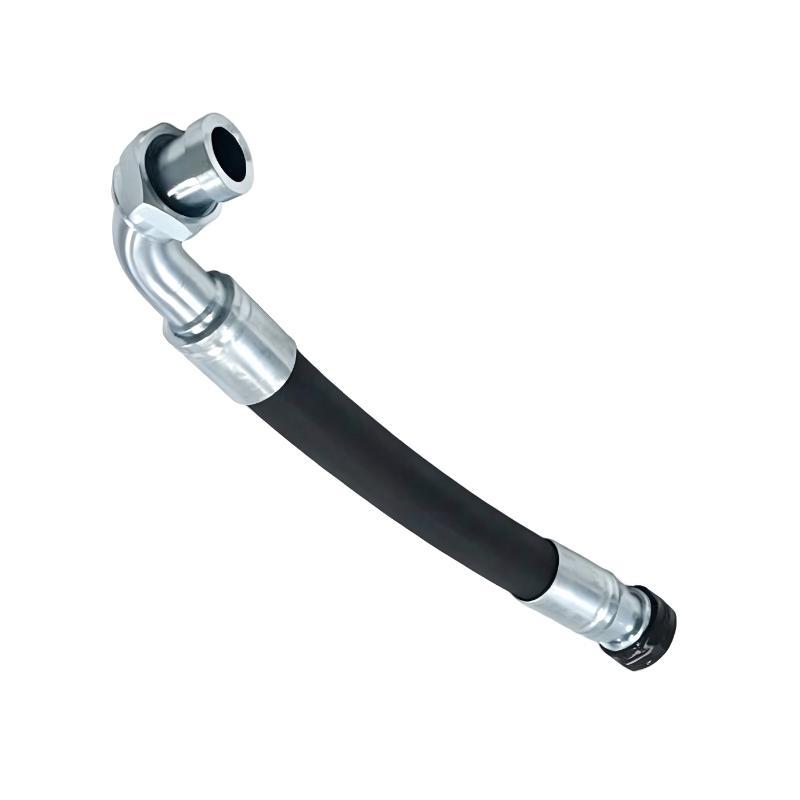
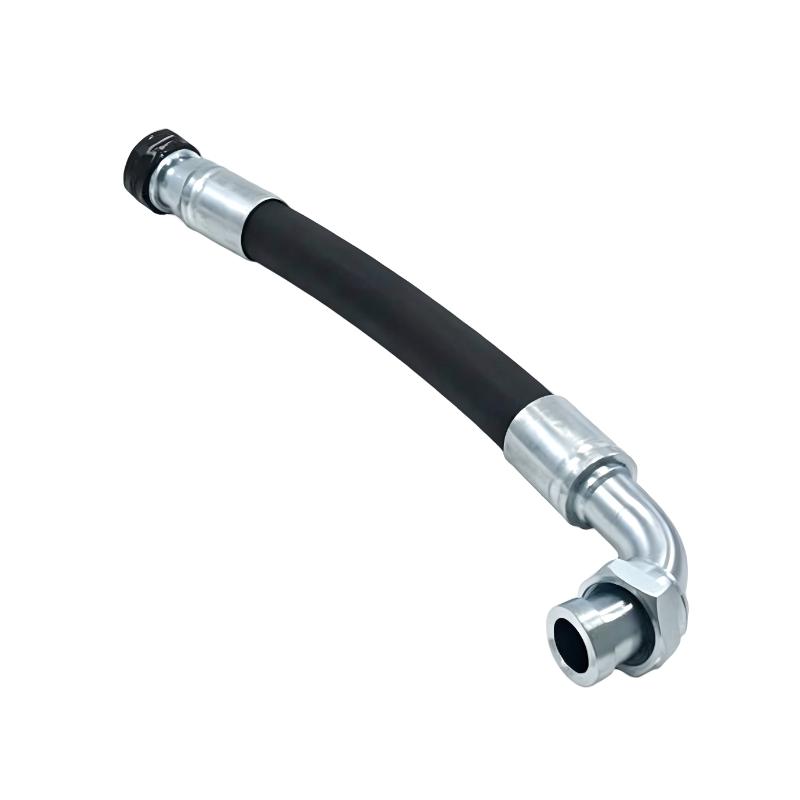
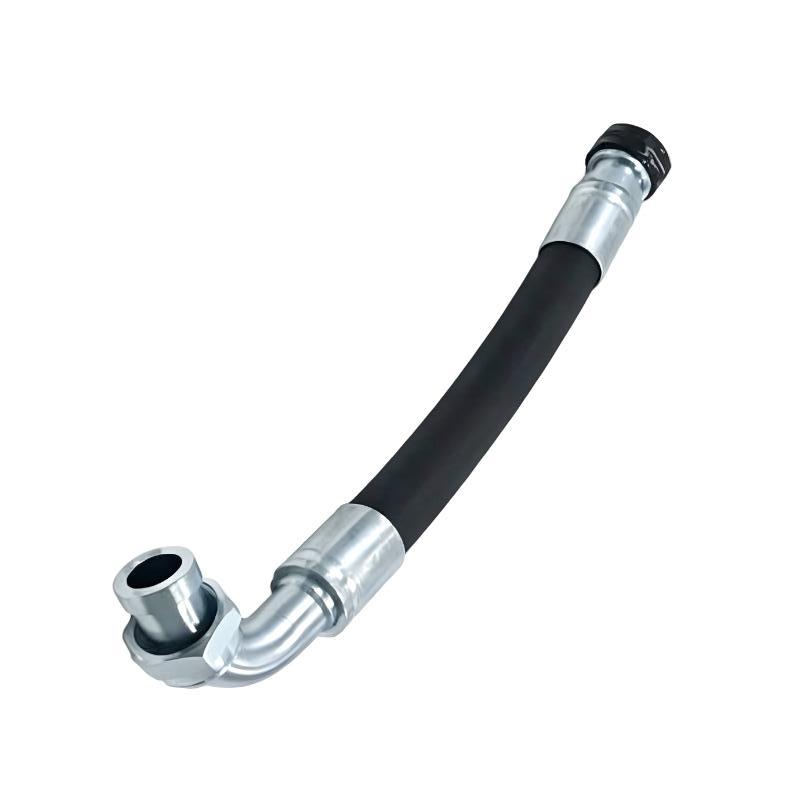
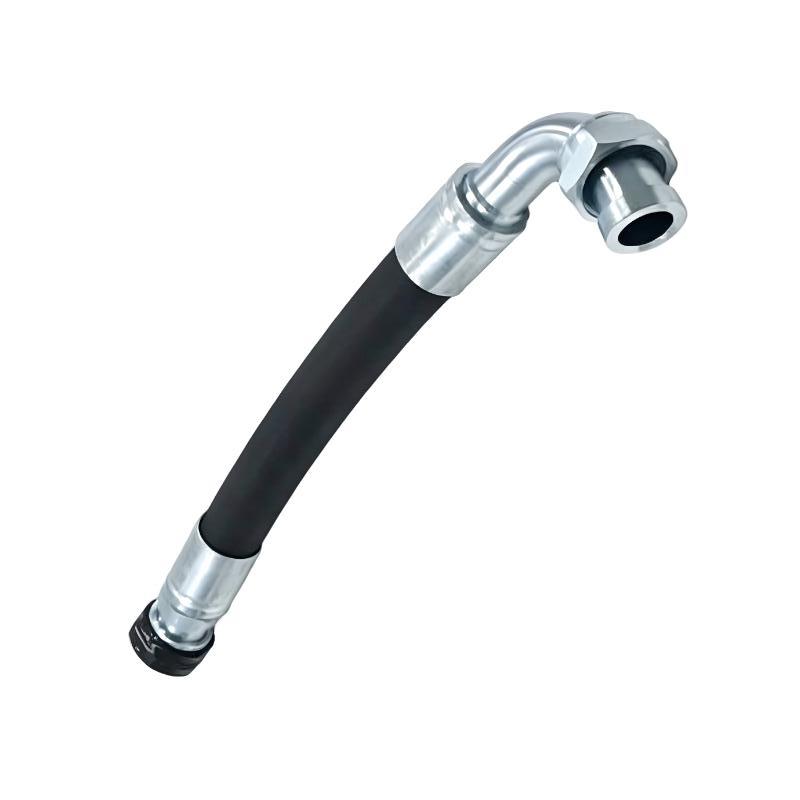
The Ingersoll Rand 47588567001 85575009 Hydraulic Hose Module is a service component intended for applicable compressor fluid-system applications. Hydraulic hoses provide essential flexible connections within industrial equipment, allowing fluid to move between components while accommodating vibration and normal mechanical movement.
In compressor environments, hose assemblies are exposed to demanding operating conditions. Pressure fluctuations, elevated temperatures, vibration, abrasion, and repeated operating cycles can gradually affect hose integrity. When deterioration occurs, timely replacement helps protect the fluid circuit and prevent a relatively small component issue from developing into a larger maintenance problem.
The 85575009 provides a dedicated replacement option for the applicable Ingersoll Rand maintenance configuration. Using the correct component helps ensure that the hose construction, connection arrangement, and installation characteristics are appropriate for the intended compressor system.
For maintenance professionals, the best results come from combining accurate part identification with careful installation. Proper routing, secure connections, and inspection of adjacent components can significantly improve the reliability of a replacement hose and support consistent compressor operation.
Technical Specifications
| Specification | Details |
|---|
| Brand | Ingersoll Rand |
| Maintenance Kit Number | 47588567001 |
| Component Number | 85575009 |
| Product Type | Hydraulic Hose Module |
| Component Description | Hydraulic Hose |
| Application | Ingersoll Rand compressor maintenance |
| Service Function | Fluid routing and containment |
| System Role | Compressor fluid circuit |
| Operating Environment | Industrial compressed-air equipment |
| Maintenance Use | Repair, replacement, overhaul, preventive maintenance |
| Hose Construction | Application-specific hydraulic hose |
| Connection Type | Application-specific; verify original assembly |
| Installation | Professional compressor service recommended |
| Dimensions | Application-specific; verify applicable parts documentation |
| Weight | Application-specific; verify applicable parts documentation |
| Compatibility | Confirm compressor model, configuration, and fitting arrangement before installation |
Recommended Companion Models
| Model | Product Name |
| 85574952 | Hydraulic Hose |
| 85574960 | Hydraulic Hose |
| 85575025 | Hydraulic Hose |
| 23626443 | EHT-32 Hose |
Frequently Selected Alternatives
| Model | Product Name |
| 85574945 | Hydraulic Hose |
| 85574937 | Hydraulic Hose |
| 85574929 | Hydraulic Hose |
| 95028502 | O-Ring |
Technical FAQs
1. What is the primary function of Ingersoll Rand 85575009?
The 85575009 is a hydraulic hose component associated with the Ingersoll Rand 47588567001 service reference. It provides a controlled fluid path between compatible points within the applicable compressor system.
2. What is the relationship between 47588567001 and 85575009?
47588567001 identifies the relevant Ingersoll Rand maintenance-kit or service reference, while 85575009 identifies the individual hose component used within the applicable system.
3. Why are hydraulic hoses important in compressor equipment?
Hydraulic and fluid-system hoses provide flexible connections between fixed components while accommodating vibration and movement. Their ability to maintain pressure and fluid containment is important for reliable compressor operation.
4. What can cause premature failure of 85575009?
Excessive pressure, high temperature, abrasion, vibration, repeated flexing, improper routing, chemical exposure, and long-term aging can contribute to hydraulic hose deterioration.
5. How should a replacement hose be routed?
The hose should follow the intended routing path without twisting, sharp bends, excessive tension, or unnecessary contact with abrasive or high-temperature surfaces. Adequate clearance should be maintained around moving components.
6. What should be inspected before installing 85575009?
The technician should inspect the mating fittings, sealing surfaces, clamps or supports, routing path, and surrounding components. Any contamination, burrs, corrosion, or mechanical damage should be addressed before installation.
7. Can a generic hydraulic hose replace 85575009?
Only when the substitute fully matches the required hose construction, pressure rating, temperature range, fluid compatibility, length, fitting type, and fitting orientation. Part-number verification is preferable for application-specific compressor service.
8. What are common signs of hydraulic hose deterioration?
Leakage, cracking, abrasion, bulging, hardened sections, damaged outer covering, fitting deformation, and unusual hose movement can indicate deterioration and should be investigated promptly.
9. Why should hose fittings be checked during replacement?
A damaged or contaminated fitting can compromise the sealing interface even when the replacement hose is in good condition. Inspecting the complete connection helps prevent repeat leakage after service.
10. What should be verified after installing the hose?
The technician should confirm correct routing, fitting engagement, clearance, and support. Controlled compressor operation should then be used to check for leakage, abnormal vibration, or other installation-related problems.