Yokogawa Expands Industrial Automation Solutions with Advanced Process Measurement and Digital Transformation Technologies Intelligent Process Control, Industrial Measurement Systems and Digital Automation Platforms Improve Modern Manufacturing Efficiency
Yokogawa Advances Industrial Automation Through Precision Measurement and Digital Innovation
The global industrial automation industry is experiencing rapid development as manufacturers and process industries continue adopting advanced measurement technologies, intelligent control systems and digital transformation solutions.
Industries such as energy, chemical processing, pharmaceuticals, food production and water management require highly reliable automation systems to maintain stable operations and improve efficiency.
Modern industrial facilities depend on accurate measurement and intelligent control technologies to manage increasingly complex processes.
Yokogawa continues expanding its industrial automation solutions by combining process measurement instruments, distributed control systems, industrial software platforms and digital operation technologies.
The evolution of industrial automation is creating new requirements for:
- Higher measurement accuracy
- Better process visibility
- Improved operational reliability
- Faster fault detection
- More efficient resource management
Advanced measurement and control technologies are becoming essential foundations for modern industrial production.
Process Measurement Technology Supports Reliable Industrial Operations
Accurate measurement is one of the most important elements in process automation.
Industrial facilities depend on measurement technologies to monitor:
- Temperature
- Pressure
- Flow
- Liquid level
- Chemical composition
- Energy consumption
Reliable measurement information allows automation systems to make accurate control decisions.
Applications include:
- Oil and gas processing
- Chemical manufacturing
- Power generation
- Pharmaceutical production
- Water treatment
High-quality measurement systems improve:
- Product consistency
- Process safety
- Production efficiency
- Equipment reliability
As industrial processes become more complex, measurement technology continues playing a critical role.
Distributed Control Systems Improve Process Automation
Distributed Control Systems remain widely used in large industrial facilities.
DCS platforms manage complex processes by coordinating thousands of field devices and control points.
Modern DCS solutions provide:
- Process monitoring
- Automatic control
- Alarm management
- Data collection
- Equipment diagnostics
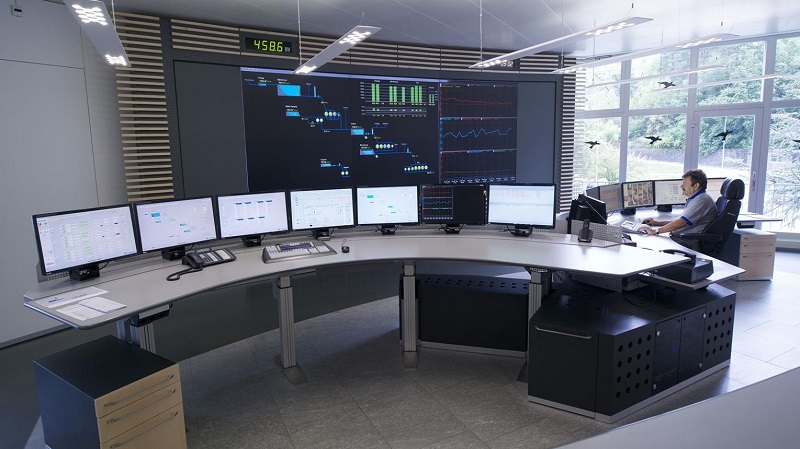
DCS technology helps operators maintain stable production while improving operational visibility.
The integration of DCS systems with digital technologies is creating more intelligent industrial environments.
Digital Transformation Improves Industrial Data Utilization
Industrial facilities generate large amounts of operational information every day.
However, collecting data is only the first step.
Digital transformation technologies help companies analyze and utilize industrial data effectively.
Data sources include:
- Sensors
- Control systems
- Field instruments
- Production equipment
Digital platforms support:
- Production optimization
- Equipment monitoring
- Maintenance planning
- Energy management
Better data utilization allows companies to improve operational decisions.
Industrial Analytics Supports Predictive Maintenance
Predictive maintenance is becoming increasingly important in industrial operations.
Traditional maintenance strategies often depend on fixed schedules.
Modern automation systems analyze equipment conditions continuously.
Industrial analytics can monitor:
- Equipment performance
- Process changes
- Operating trends
- Abnormal conditions
Benefits include:
- Reduced unexpected downtime
- Improved equipment availability
- Lower maintenance costs
- Longer equipment life
Data-based maintenance strategies are becoming standard practices in advanced industries.
Energy Efficiency Drives Automation Innovation
Industrial companies are focusing more on energy management and sustainability.
Automation technologies help optimize energy usage through:
- Better process control
- Real-time monitoring
- Equipment optimization
- Automated adjustments
Energy-efficient operation helps companies reduce costs while improving environmental performance.
Sustainable automation will remain an important development direction.
Industrial Communication Enables Integrated Automation
Modern automation systems require communication between multiple devices.
Industrial networks connect:
- Sensors
- Controllers
- DCS systems
- PLC equipment
- Monitoring platforms
Reliable communication improves:
- Data exchange
- System coordination
- Remote diagnostics
- Operational visibility
Connected industrial systems provide a stronger foundation for digital manufacturing.
Future Trends in Process Automation
Industrial automation will continue developing toward intelligence and integration.
Key trends include:
AI-Based Process Optimization
Artificial intelligence will improve industrial decision-making.
Advanced Measurement Technology
Sensors will become more intelligent.
Digital Twin Applications
Virtual models will improve process analysis.
Autonomous Industrial Operations
Factories will become more self-optimizing.
Sustainable Automation
Energy efficiency will become a core requirement.