Siemens PLC Cybersecurity Alert Highlights Growing Risks for Connected Industrial Control Systems
Industrial Automation Engineers Face New Challenges as PLC, SCADA and OT Networks Become More Connected
Industrial cybersecurity has become a critical issue for PLC, DCS and SCADA professionals as manufacturing and critical infrastructure systems become increasingly connected.
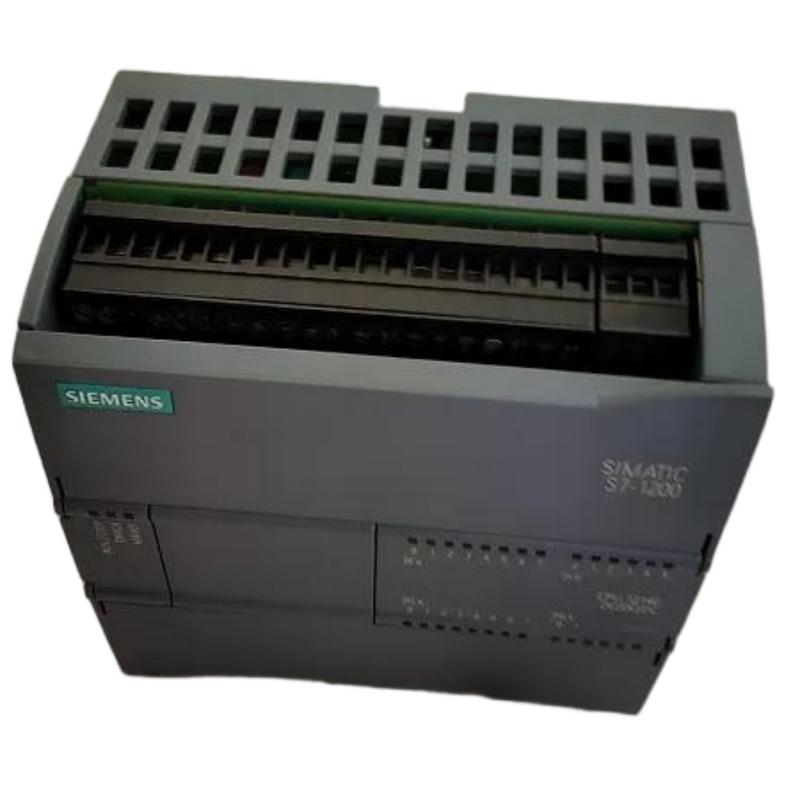
Recent cybersecurity warnings from U.S. government agencies have highlighted targeting of Siemens S7-series programmable logic controllers used in industrial and critical infrastructure environments.
The situation is significant for the automation industry because PLC systems are responsible for controlling physical industrial processes.
A PLC may control pumps, motors, valves, conveyors, production machines and other equipment. If unauthorized access reaches an industrial controller, the consequences can potentially extend beyond information technology and affect real-world operations.
The latest developments demonstrate why cybersecurity must be considered an essential part of industrial automation engineering.
PLC Security Is Becoming an Engineering Priority
For many years, industrial control systems were designed around isolated networks.
A typical automation system might have operated without direct connectivity to external networks.
Modern factories are very different.
Today, automation systems may connect PLCs with:
- HMIs
- SCADA servers
- Engineering workstations
- Industrial Ethernet
- Remote maintenance systems
- Manufacturing software
- Cloud platforms
These connections improve visibility and efficiency.
Engineers can monitor machines remotely, collect production information and diagnose equipment without being physically present.
However, increased connectivity also increases the potential attack surface.
Connected PLC Networks Require Better Protection
A modern production environment can contain hundreds or thousands of connected devices.
These may include PLCs, remote I/O modules, sensors, drives, HMIs and industrial computers.
Each device has a specific function.
The challenge is ensuring that communication between these devices is controlled and secure.
Industrial organizations should identify:
- Which devices are connected
- Which systems have remote access
- Which devices communicate with external networks
- Which accounts have administrative privileges
- Which systems require software updates
Asset visibility is one of the first steps in improving industrial cybersecurity.
Legacy PLC Systems Present Special Challenges
Industrial automation equipment is often designed for long operating lifetimes.
A PLC system may remain in service for many years because replacing a complete control architecture can be expensive and disruptive.
This creates a challenge for manufacturers.
Older automation systems may still provide reliable machine control, but their cybersecurity capabilities may not match modern requirements.
Companies therefore need to balance modernization with production continuity.
A practical approach can involve phased upgrades.
For example, an organization may initially improve network segmentation and remote-access controls before replacing older PLC hardware.
This allows security improvements without immediately shutting down an entire production line.
Network Segmentation Helps Protect Industrial Systems
Network segmentation is an important concept in industrial cybersecurity.
Instead of allowing all systems to communicate freely, organizations can separate networks into different zones.
For example, a factory may separate:
- Field devices
- PLC networks
- HMI systems
- SCADA infrastructure
- Engineering workstations
- Enterprise IT networks
Communication between these areas can then be controlled.
Segmentation can limit unnecessary communication and reduce the potential impact of a security incident.
It can also help security teams identify unusual network activity.
Remote Maintenance Requires Strong Access Controls
Remote access is becoming increasingly common in industrial automation.
It provides major benefits for maintenance teams.
Engineers can diagnose a PLC or industrial drive without traveling to a production site.
However, remote access must be properly controlled.
Industrial companies should consider:
- Strong authentication
- User permissions
- Secure communication
- Session monitoring
- Temporary access
- Access logging
Remote maintenance should provide only the access necessary for the specific task.
HMI and SCADA Systems Are Also Important Security Points
Cybersecurity cannot focus only on PLC controllers.
HMIs and SCADA systems are also important components of industrial networks.
An HMI may provide operators with access to:
- Machine parameters
- Production settings
- Alarm functions
- Process information
SCADA systems can provide even broader visibility across industrial operations.
If these systems are not properly protected, they may create pathways toward other parts of the automation network.
Industrial cybersecurity therefore needs to consider the complete control architecture.
DCS Systems Face Similar Security Requirements
The same principles apply to distributed control systems.
DCS platforms are widely used in:
- Chemical plants
- Oil and gas facilities
- Power generation
- Water treatment
- Pharmaceutical manufacturing
These systems can contain large numbers of controllers and field devices.
Protecting a DCS requires coordination between automation engineers, maintenance teams and cybersecurity professionals.
Security controls must also be designed without interfering with real-time industrial processes.
Industrial Automation Engineers Need New Skills
The growing importance of OT cybersecurity is changing the role of automation engineers.
Traditional automation skills remain essential.
Engineers still need to understand:
- PLC programming
- Control logic
- Industrial communication
- HMI configuration
- Equipment troubleshooting
However, cybersecurity knowledge is becoming increasingly valuable.
Automation engineers may also need to understand:
- Network segmentation
- User authentication
- Secure remote access
- Device hardening
- Firmware management
- Industrial network monitoring
The future automation workforce will require both control engineering and cybersecurity awareness.
AI Creates New Cybersecurity Challenges
Artificial intelligence is changing cybersecurity on both sides.
Security teams can use AI technologies to analyze:
- Network traffic
- System logs
- Device behavior
- Security alerts
At the same time, attackers can potentially use AI to accelerate technical research and automate parts of the attack-development process.
This creates a more complex cybersecurity environment.
Industrial companies need continuous monitoring rather than relying only on traditional perimeter protection.
Automation Suppliers Also Need to Consider Security
Industrial automation suppliers and equipment distributors have an important role in the modernization process.
When customers purchase replacement PLC modules, communication cards, HMIs or industrial computers, hardware compatibility is only one consideration.
Companies should also evaluate:
- Product lifecycle
- Firmware support
- Security capabilities
- Communication architecture
- Compatibility with current infrastructure
Replacing an obsolete automation component can provide an opportunity to improve the security of the surrounding system.
Cybersecurity and Industrial Equipment Lifecycle Management
Industrial automation equipment is often purchased with a long-term operating plan.
Lifecycle management should therefore consider cybersecurity.
Companies need to know:
- Which products remain supported
- Which components have reached end-of-life
- Which firmware versions are being used
- Which systems require modernization
This information helps companies plan upgrades before equipment becomes a major operational or security risk.
The Importance of Industrial Network Monitoring
Network monitoring provides visibility into industrial communications.
Security teams can establish a baseline of normal system behavior.
If unusual communication occurs, it can trigger further investigation.
Monitoring can help identify:
- Unexpected connections
- Abnormal traffic
- Unauthorized devices
- Unusual communication patterns
For large industrial facilities, continuous monitoring can provide an additional layer of protection.
Future Industrial Automation Will Be Security-Aware
The development of Industry 4.0 is increasing connectivity between factory equipment and digital systems.
Future automation architectures will increasingly incorporate:
- Secure industrial communication
- Identity management
- Network segmentation
- Device monitoring
- Secure remote access
- Automated security analysis
Cybersecurity will become part of system architecture from the beginning rather than something added after installation.