Honeywell Develops Smart Factory Technologies with Industrial Cybersecurity and Autonomous Manufacturing Solutions Intelligent Automation Platforms, Secure Industrial Networks and Autonomous Operations Drive the Future of Connected Manuf
Honeywell Accelerates Smart Manufacturing Development Through Intelligent Automation Technologies
The manufacturing industry is undergoing a major transformation as companies worldwide continue adopting intelligent automation, industrial cybersecurity solutions and autonomous operation technologies.
Modern factories are becoming increasingly connected through advanced control systems, industrial networks, sensors and digital platforms.
However, increased connectivity also creates new challenges related to:
- Production efficiency
- Equipment reliability
- Data security
- Operational complexity
- System integration
Manufacturers are looking for automation solutions that can provide both intelligent operation and strong protection.
Honeywell continues developing smart factory technologies by combining industrial control systems, process automation platforms, cybersecurity technologies and digital operation solutions.
The next generation of manufacturing will depend on automation systems capable of collecting data, analyzing information and improving production performance automatically.
Smart Factories Become the New Direction of Industrial Development
Traditional factories mainly focused on automated production processes.
Modern smart factories are moving toward connected and intelligent environments.
A smart factory integrates:
- Industrial controllers
- Sensors
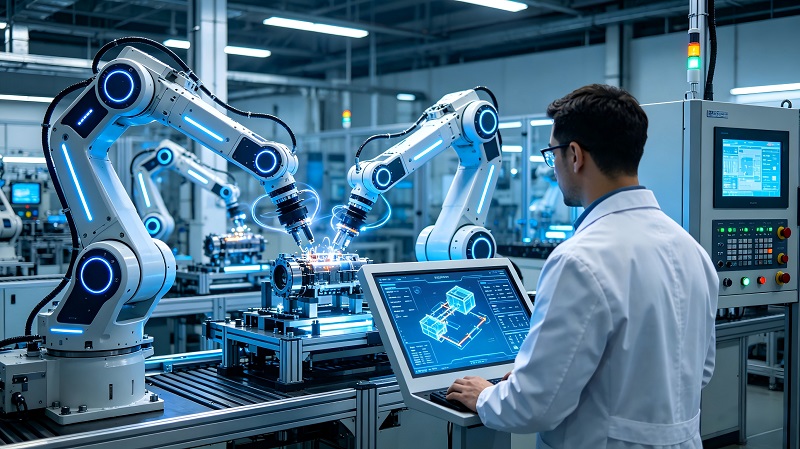
- Robotics systems
- Automation software
- Industrial communication networks
- Data analytics platforms
These technologies work together to improve manufacturing operations.
Smart factories provide advantages including:
- Real-time production monitoring
- Improved quality control
- Faster problem detection
- Better resource utilization
- Reduced operational costs
As global competition increases, intelligent manufacturing has become an important strategy for industrial companies.
Industrial Automation Systems Support Autonomous Operations
Autonomous operations represent a major development trend in industrial automation.
Traditional automation systems execute predefined programs.
Modern intelligent systems can analyze operating conditions and support automated optimization.
Autonomous industrial solutions use:
- Real-time process data
- Advanced analytics
- Artificial intelligence
- Automated control strategies
Applications include:
- Production optimization
- Equipment monitoring
- Energy management
- Process adjustment
Autonomous technologies help companies improve efficiency while reducing dependence on manual intervention.
Industrial Cybersecurity Becomes Essential for Connected Factories
As industrial systems become more connected, cybersecurity has become a critical requirement.
Modern factories connect:
- PLC systems
- DCS platforms
- Industrial computers
- Remote monitoring systems
- Enterprise networks
This connectivity improves efficiency but also increases security challenges.
Industrial cybersecurity protects:
- Control systems
- Production data
- Communication networks
- Critical infrastructure
Security strategies include:
- Network protection
- Access management
- Secure communication
- System monitoring
Future smart factories must combine advanced automation with strong cybersecurity protection.
Digital Control Systems Improve Manufacturing Visibility
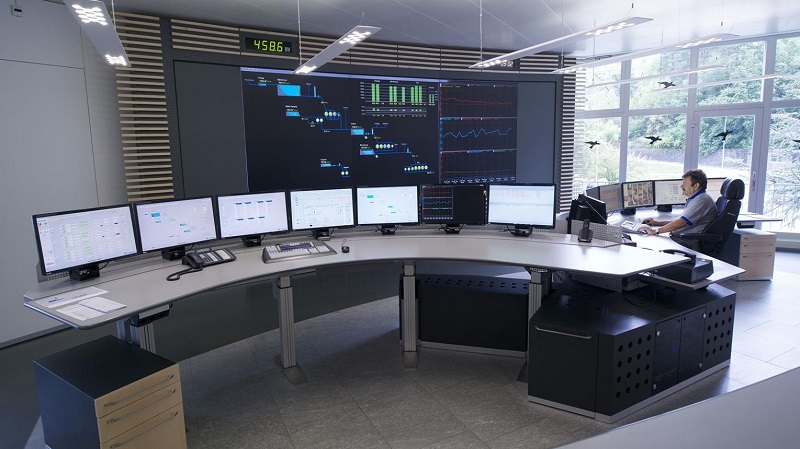
Modern industrial facilities require better visibility into production processes.
Digital automation platforms collect information from:
- Machines
- Sensors
- Controllers
- Production equipment
This information helps engineers understand:
- Equipment conditions
- Production performance
- Process efficiency
- Maintenance requirements
Improved visibility allows companies to make faster decisions and optimize operations.
Digital control technologies are becoming an essential part of smart manufacturing.
Artificial Intelligence Improves Industrial Decision-Making
Artificial intelligence is creating new opportunities for automation.
Industrial AI technologies analyze production data to identify patterns and improvement opportunities.
Applications include:
Predictive Maintenance
AI identifies abnormal equipment conditions before failures occur.
Quality Improvement
AI helps detect manufacturing problems.
Production Optimization
AI recommends better operating strategies.
Energy Management
AI improves resource efficiency.
The combination of AI and automation allows factories to achieve higher levels of intelligence.
Industrial IoT Connects Equipment and Production Systems
Industrial Internet of Things technology is transforming manufacturing environments.
IIoT connects:
- Sensors
- Machines
- Controllers
- Automation systems
- Digital platforms
Connected equipment provides real-time operational information.
Benefits include:
- Better equipment monitoring
- Faster troubleshooting
- Improved production analysis
- Enhanced operational control
Industrial IoT creates the foundation for connected smart factories.
Predictive Maintenance Reduces Equipment Downtime
Equipment reliability is one of the most important factors in manufacturing performance.
Unexpected failures can cause:
- Production interruptions
- Increased maintenance costs
- Delivery delays
Predictive maintenance technologies analyze equipment information continuously.
Monitoring systems evaluate:
- Machine performance
- Operating conditions
- Temperature changes
- Equipment behavior
Advantages include:
- Reduced downtime
- Improved maintenance planning
- Longer equipment lifespan
- Increased production availability
Data-driven maintenance strategies are becoming increasingly common in modern factories.
Energy Management Supports Sustainable Manufacturing
Manufacturers are focusing more on energy efficiency and sustainability.
Automation technologies help companies optimize energy usage through:
- Intelligent control
- Energy monitoring
- Production analysis
- Automated adjustment
Energy management systems allow companies to identify inefficient processes and reduce unnecessary consumption.
Sustainable automation helps improve both environmental performance and operational efficiency.
Industrial Communication Builds Connected Automation Networks
Reliable communication is essential for modern industrial systems.
Industrial networks connect:
- Controllers
- Sensors
- Robots
- HMIs
- Monitoring platforms
Communication technologies support:
- Real-time information exchange
- Remote diagnostics
- System integration
- Production optimization
Connected networks allow automation systems to work together more effectively.
Demand for Industrial Automation Equipment Continues Growing
The expansion of smart factories creates increasing demand for automation products.
Manufacturers require:
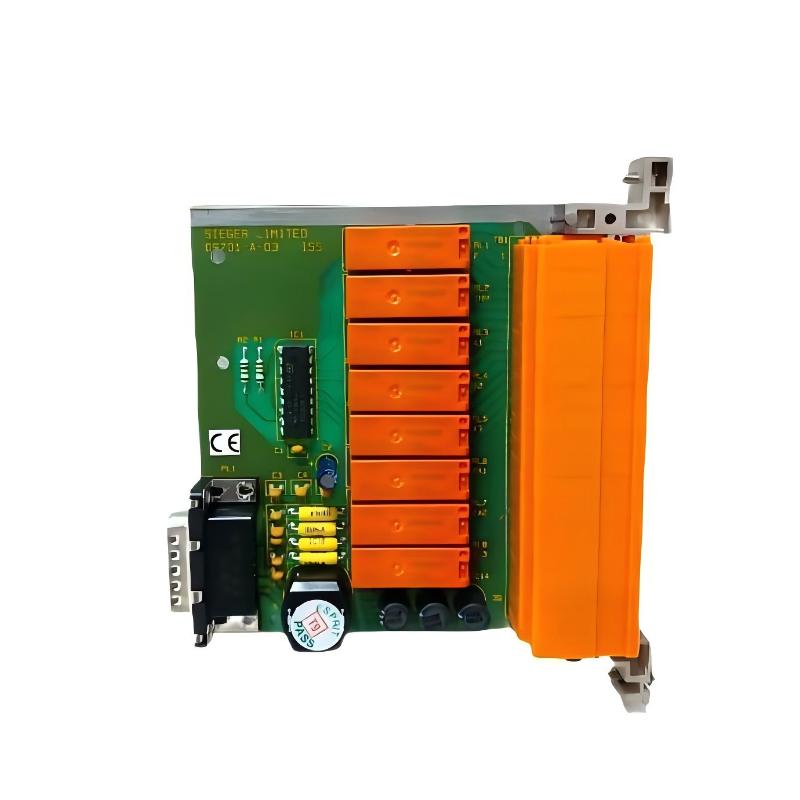
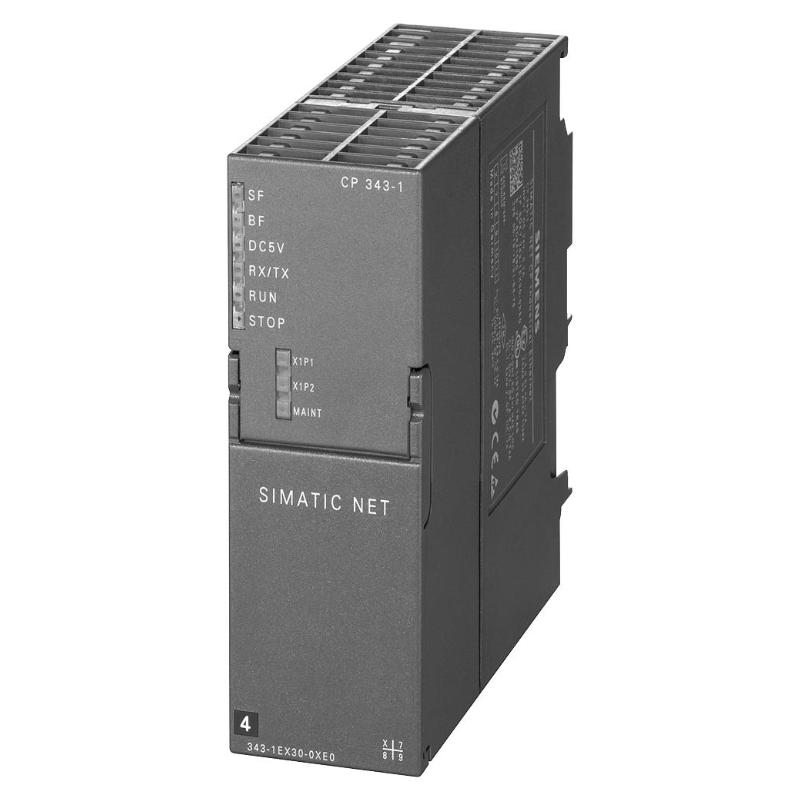
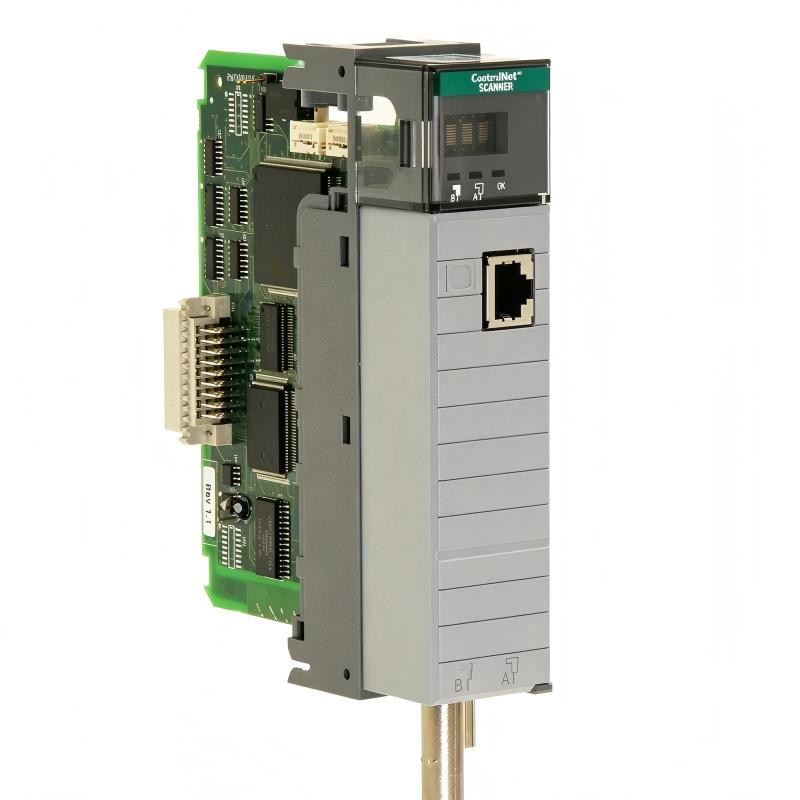
- PLC modules
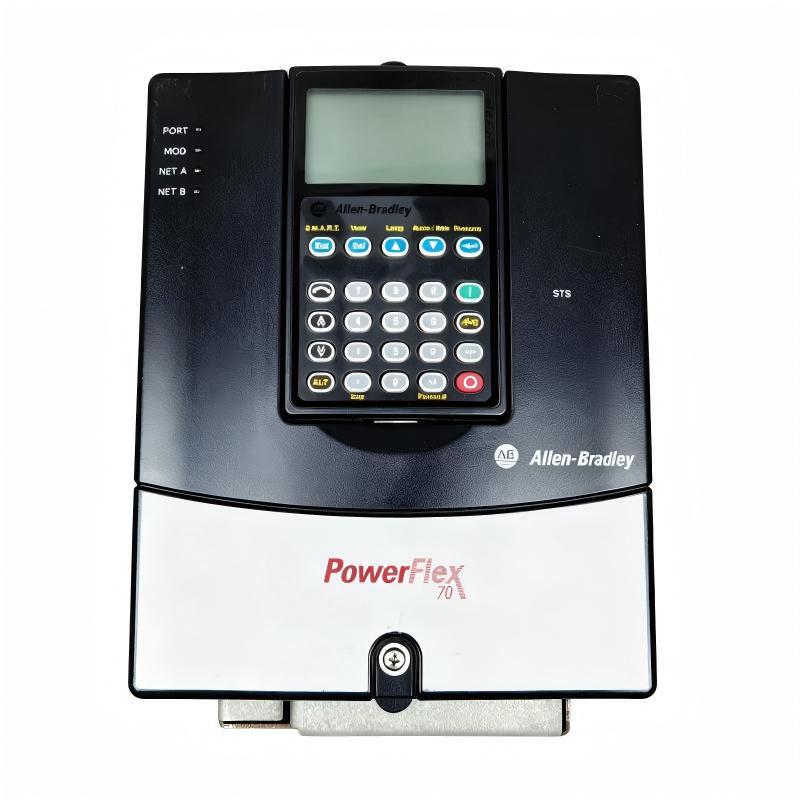
- Industrial controllers
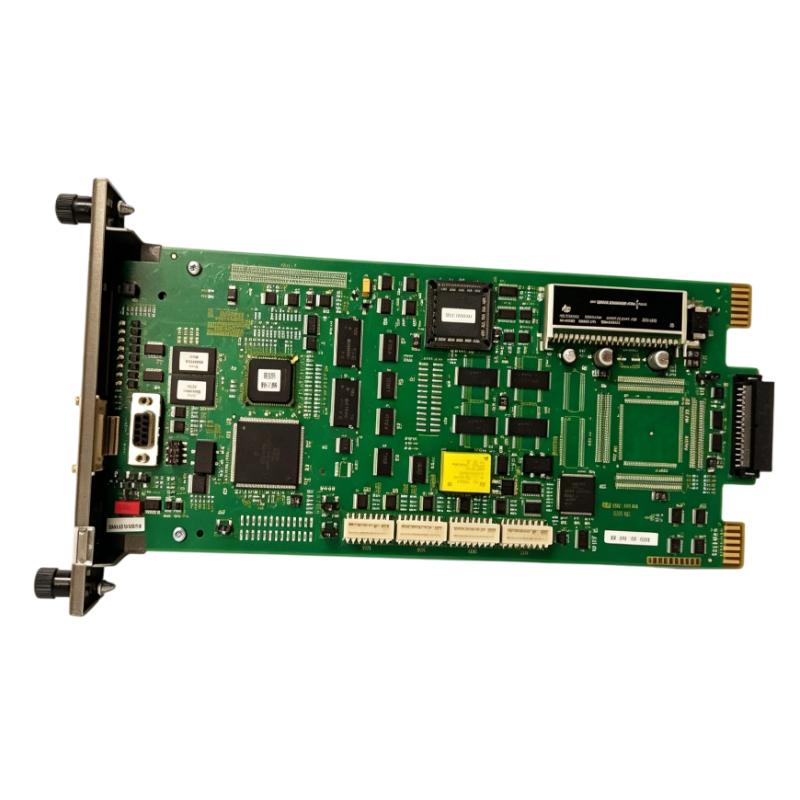
- DCS components
- Communication modules
- HMI systems
- Industrial sensors
- Automation replacement parts
Many companies upgrade existing facilities gradually.
This creates long-term opportunities for automation suppliers and international industrial equipment distributors.
Future Trends of Smart Manufacturing
The future of manufacturing automation will focus on intelligence, security and flexibility.
Major trends include:
Autonomous Production Systems
Factories will become more self-adjusting.
AI-Based Industrial Control
Artificial intelligence will support better decisions.
Advanced Cybersecurity
Industrial protection will become a core requirement.
Digital Twin Technology
Virtual simulation will improve engineering.
Human-Machine Collaboration
Workers and intelligent systems will cooperate more closely.