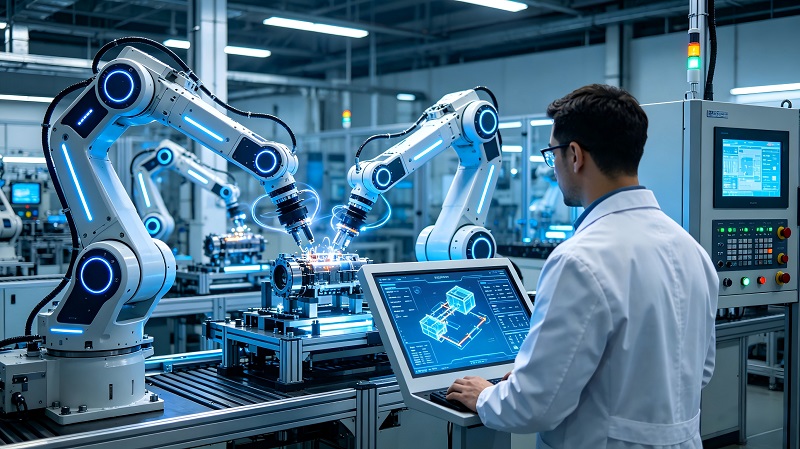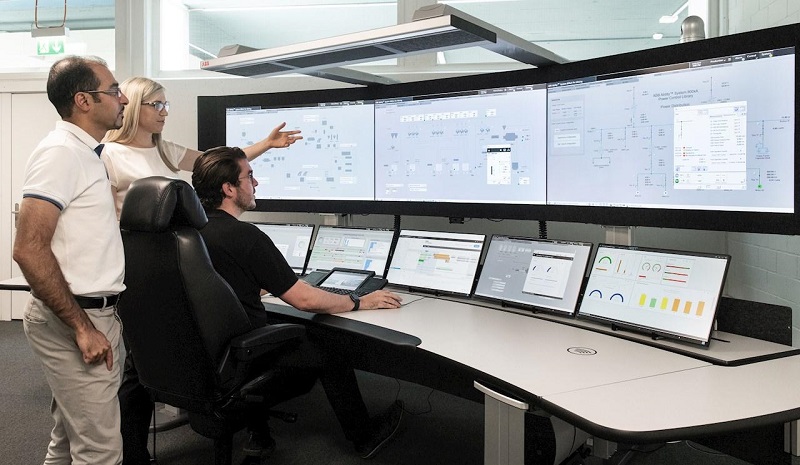
Delta Electronics Strengthens Industrial Automation Market with Servo Systems, PLC Controllers and Energy-Efficient Manufacturing Solutions Advanced Motion Control, Industrial PLC Technologies and Smart Energy Solutions Support the Future of Intelligent Manufacturing
Delta Electronics Expands Industrial Automation Development Through Intelligent Manufacturing Technologies
The global industrial automation market continues evolving as manufacturers increasingly adopt intelligent control systems, advanced motion technologies and energy-efficient automation solutions.
Industries worldwide are facing growing demands for:
- Higher production efficiency
- Improved product quality
- Faster manufacturing cycles
- Reduced energy consumption
- More flexible production systems
Traditional manufacturing models are gradually changing toward intelligent factories where machines, controllers and digital systems work together.
Delta Electronics continues expanding its industrial automation solutions by developing programmable logic controllers, servo systems, motion control technologies, industrial communication products and energy management solutions.
The integration of automation control and energy-efficient technologies is becoming an important direction for modern manufacturing.
Advanced automation systems help companies improve:
- Production accuracy
- Equipment reliability
- Operational efficiency
- Manufacturing flexibility
As Industry 4.0 continues developing, intelligent automation technologies are becoming essential for global manufacturers.
PLC Controllers Remain the Foundation of Industrial Automation Systems
Programmable Logic Controllers continue serving as the core control technology in industrial applications.
PLC systems are widely used in:
- Manufacturing equipment
- Packaging machines
- Assembly lines
- Textile machinery
- Electronics production
- Process automation
Modern PLC controllers provide:
- High-speed processing
- Flexible programming
- Industrial communication
- System expansion capability
- Real-time equipment control
PLC technology allows manufacturers to build reliable and adaptable automation architectures.
By integrating PLC systems with sensors, drives and digital platforms, factories can achieve higher levels of automation performance.
Servo Systems Improve Manufacturing Precision and Productivity
Motion control technology plays a critical role in modern automated production.
Servo systems are widely used in applications requiring accurate movement control.
Common applications include:
- Robotics
- CNC equipment
- Packaging machinery
- Semiconductor manufacturing
- Precision assembly systems
Advanced servo solutions provide:
- High positioning accuracy
- Fast response speed
- Smooth operation
- Improved production consistency
Compared with traditional motor control methods, servo technology enables more precise and efficient machine operation.
Manufacturers use servo systems to increase production speed while maintaining high quality standards.
Motion Control Technologies Support Smart Factory Development
Modern manufacturing requires machines that can perform complex movements with high accuracy.
Motion control systems coordinate:
- Servo motors
- Controllers
- Sensors
- Mechanical systems
These technologies support:
- Position control
- Speed regulation
- Synchronization
- Automated machine operation
Integrated motion control solutions help manufacturers improve production flexibility.
For industries requiring high precision, advanced motion technologies have become an essential part of automation systems.
Industrial Communication Creates Connected Automation Environments
Modern factories depend on reliable communication between automation devices.
Industrial communication networks connect:
- PLC controllers
- Servo drives
- Sensors
- HMIs
- Industrial computers
Connected automation systems provide:
- Real-time equipment information
- Faster troubleshooting
- Better production management
- Improved system coordination
Industrial communication allows different automation components to operate as an integrated system.
This connectivity is a key requirement for smart manufacturing development.
Energy-Efficient Automation Supports Sustainable Manufacturing
Energy efficiency has become a major priority for industrial companies.
Manufacturers are looking for automation technologies that can improve productivity while reducing energy consumption.
Energy-efficient automation solutions support:
- Optimized machine operation
- Intelligent power management
- Reduced idle operation
- Better resource utilization
By improving equipment efficiency, companies can reduce operating costs and support sustainability objectives.
The combination of automation and energy management will continue influencing future industrial development.
Industrial IoT Improves Equipment Monitoring and Data Collection
Industrial Internet of Things technology is transforming manufacturing operations.
IIoT connects:
- Machines
- Sensors
- Controllers
- Production systems
- Digital platforms
Connected devices collect valuable information about:
- Equipment performance
- Production conditions
- Energy usage
- Maintenance requirements
Industrial data helps companies make better operational decisions.
IIoT technologies provide the foundation for intelligent manufacturing environments.
Predictive Maintenance Improves Equipment Reliability
Manufacturers are increasingly adopting predictive maintenance strategies to reduce unexpected failures.
Automation systems collect operational data to monitor equipment conditions.
Analysis can include:
- Motor performance
- Servo system status
- Operating cycles
- Temperature changes
- Machine behavior
Benefits include:
- Reduced production interruptions
- Improved equipment lifespan
- Lower maintenance expenses
- Better production planning
Predictive maintenance allows companies to move from reactive repair strategies toward proactive equipment management.
Artificial Intelligence Creates New Automation Opportunities
Artificial intelligence is becoming an important technology in industrial automation.
AI systems analyze production information and provide intelligent recommendations.
Applications include:
Intelligent Quality Control
AI improves defect detection and product inspection.
Machine Performance Analysis
AI identifies abnormal operating conditions.
Production Optimization
AI helps improve manufacturing efficiency.
Energy Management
AI supports smarter resource utilization.
The combination of AI and automation will continue creating more intelligent manufacturing systems.
Smart Manufacturing Increases Demand for Industrial Components
The growth of intelligent factories is increasing demand for automation equipment.
Manufacturers require:
- PLC modules
- Servo drives
- Motion controllers
- Industrial communication modules
- HMI panels
- Industrial sensors
- Automation spare parts
Many factories choose gradual modernization strategies.
They upgrade key automation components while maintaining existing production infrastructure.
This creates continuous opportunities for global automation suppliers and industrial equipment distributors.
Industrial Safety Becomes an Important Automation Requirement
As automation systems become more advanced, industrial safety continues receiving greater attention.
Modern factories require technologies that protect:
- Operators
- Machines
- Production processes
- Control systems
Safety automation solutions help companies maintain reliable and secure operations.
The integration of safety functions into automation systems is becoming a standard practice.
Future Trends of Industrial Automation Development
The future of industrial automation will focus on intelligence, efficiency and connectivity.
Important trends include:
AI-Enhanced Automation
Artificial intelligence will improve machine decision-making.
Advanced Motion Control
Machines will achieve higher precision.
Smart Energy Management
Automation will support sustainable production.
Edge Computing Integration
More data processing will occur near equipment.
Autonomous Manufacturing
Factories will become more adaptive.