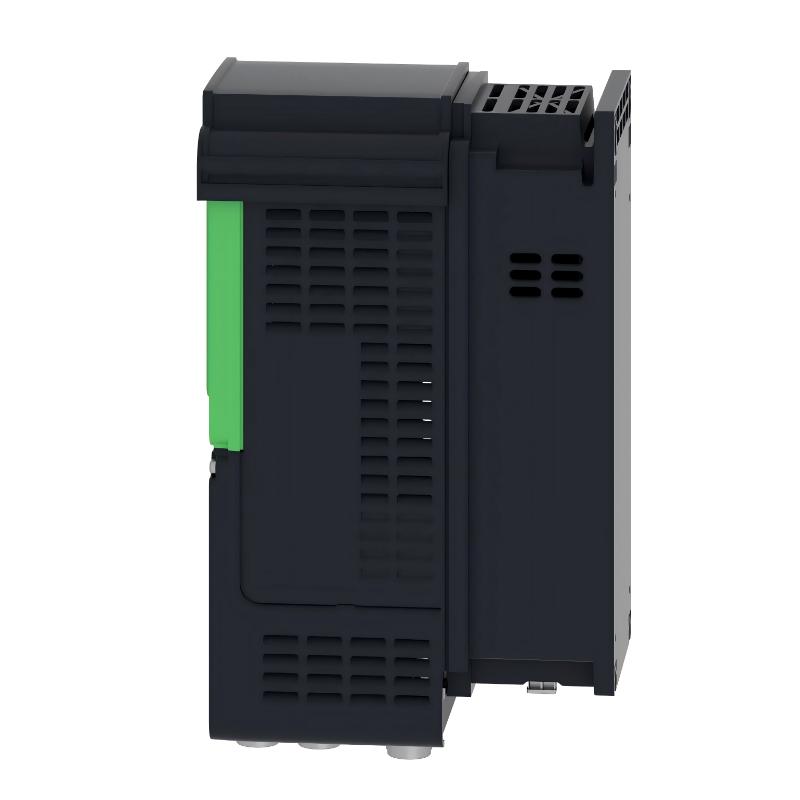
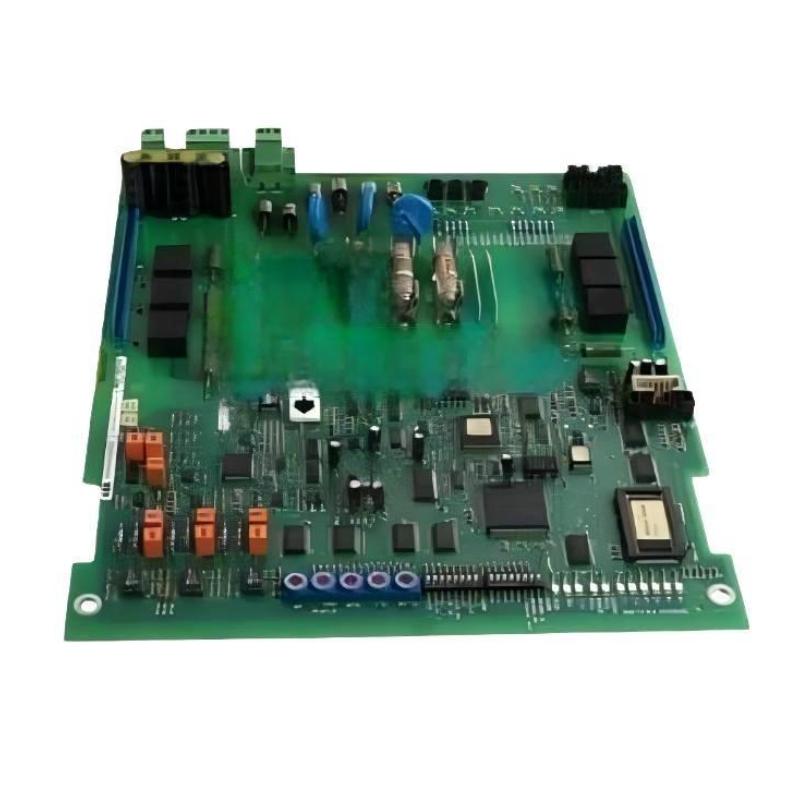
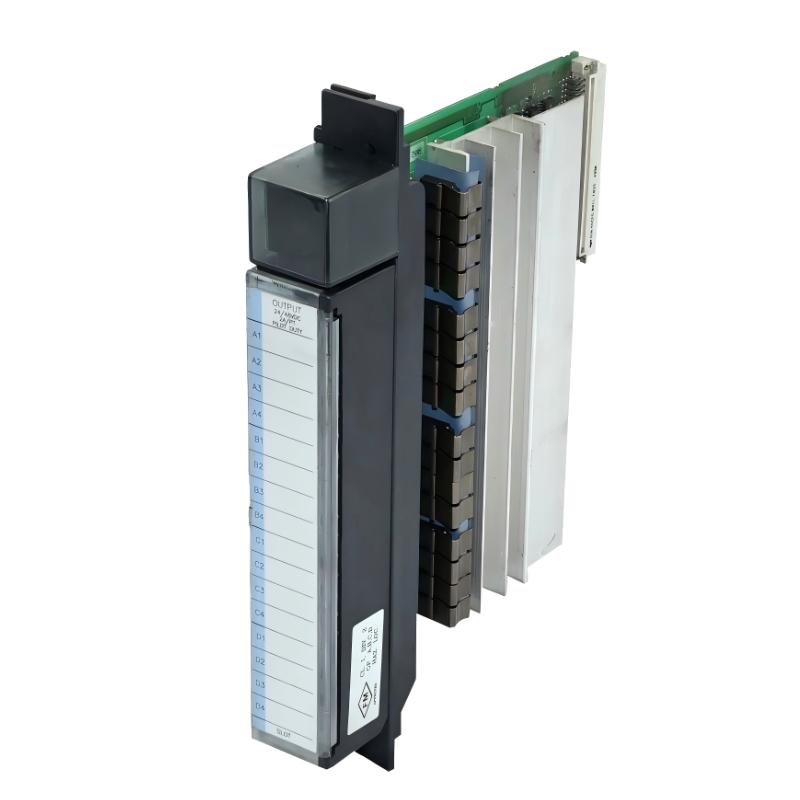
Brand:Foxboro Module Item No.:FBM207b Product Origin:USA Product Dimensions:114 x 45 x 104 mm Product Weight:0.284 kg Payment:T/T, Western Union, Credit Card Goods_stock:15 Shipping Port:Xiamen, China Lead Time:1-3 Days Condition:Brand New And Original Warranty:1 Year Certificate:COO
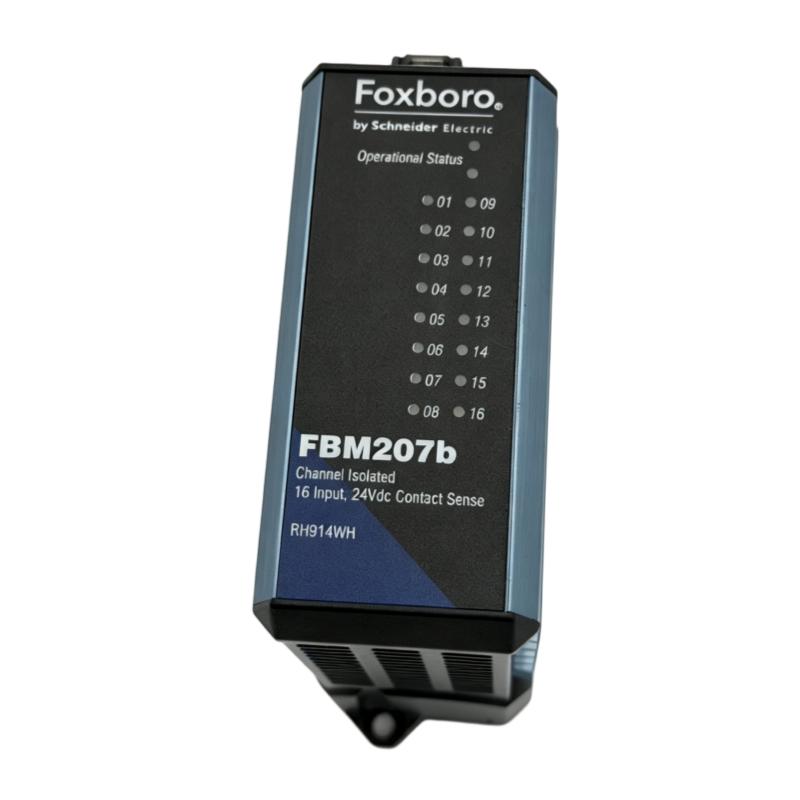
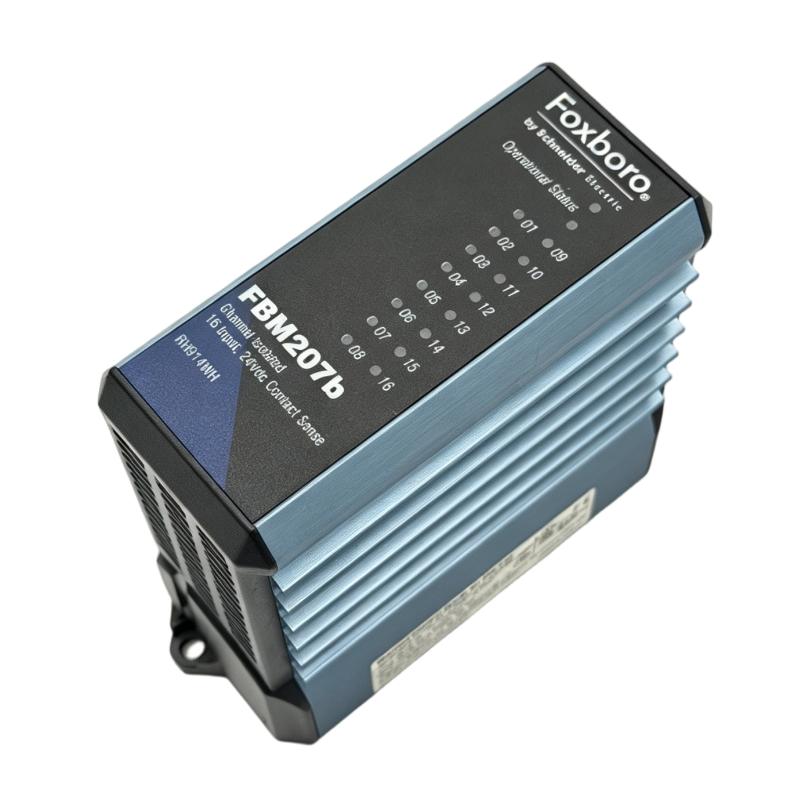
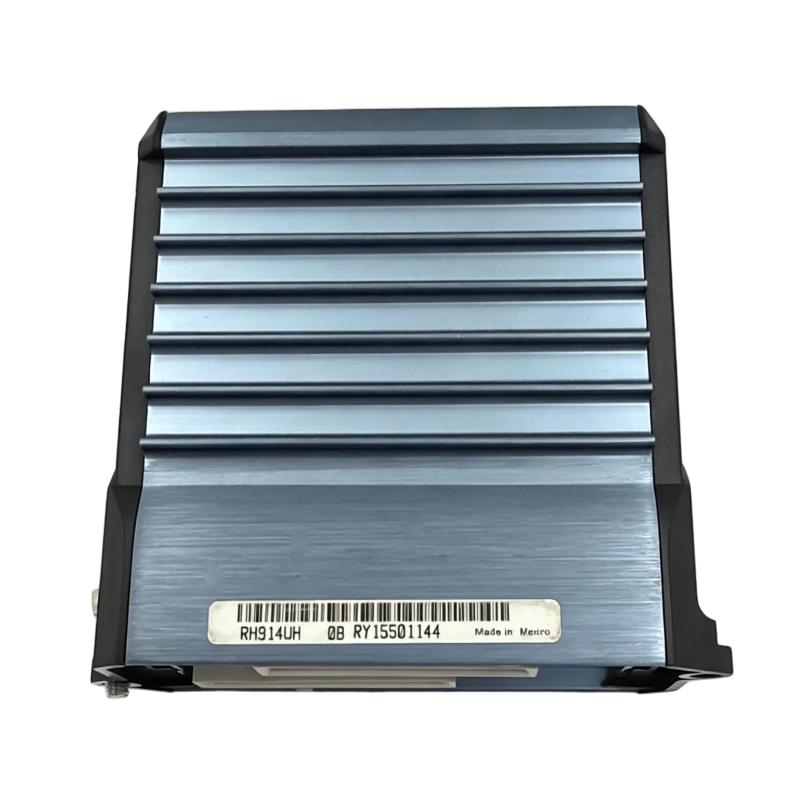
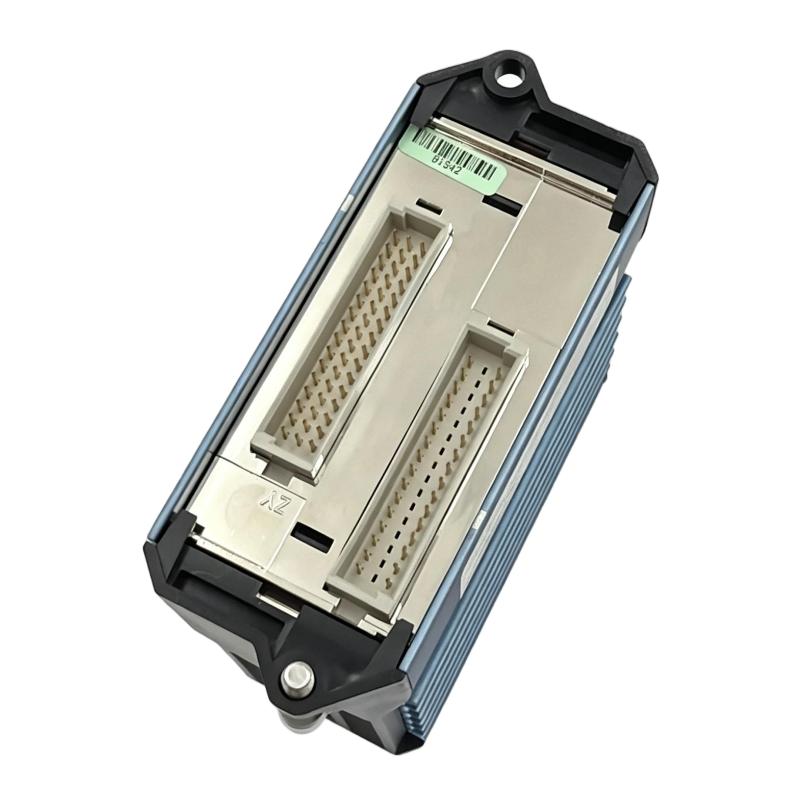
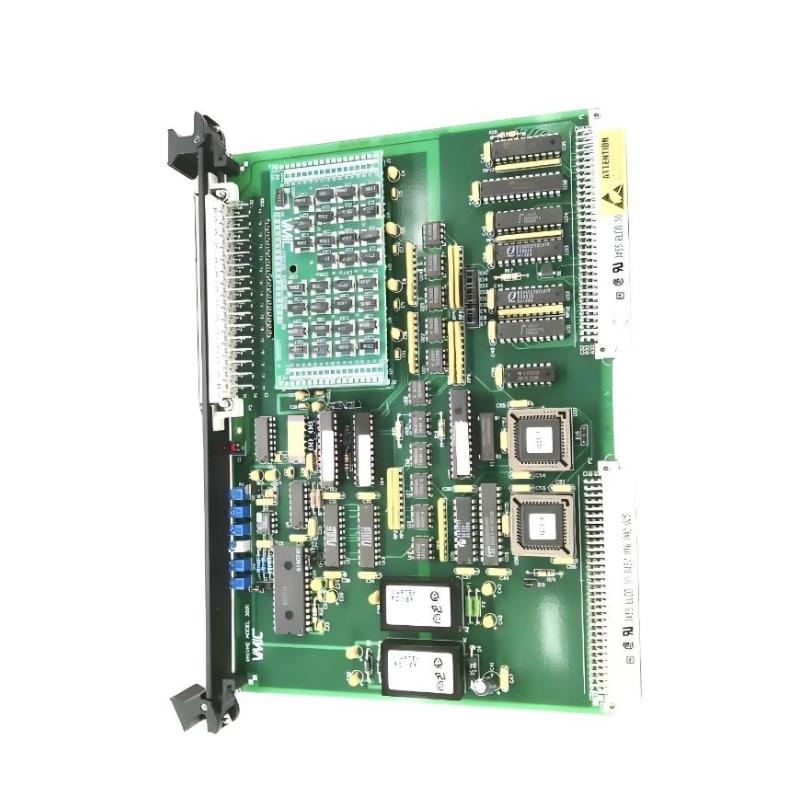
The Foxboro FBM207b RH914WH Contact Sensor Input Interface Module is a compact field interface component intended for discrete signal acquisition in industrial process-control environments.
In a typical automation installation, field devices such as switches, contactors, equipment-status contacts, and position indicators generate discrete information. The input interface provides the connection between these field signals and the control system, allowing application logic to use the resulting ON/OFF status for monitoring, sequencing, alarms, permissives, and equipment control.
The FBM207b RH914WH is particularly useful where dependable contact-state acquisition is required as part of a distributed control architecture. Its compact 114 × 45 × 104 mm form factor allows it to fit into structured control-system installations without requiring excessive panel space.
For troubleshooting, the module should be considered one part of the complete signal path. A missing input indication can originate from the field device, wiring, terminal connection, input channel, communication path, or control-system configuration. A systematic check of each stage is therefore more effective than immediately replacing the module.
When sourcing a replacement, maintenance teams should use the complete catalog designation FBM207b RH914WH and verify system compatibility before installation.
Technical Specifications
Parameter
Specification
Brand
Foxboro
Model
FBM207b RH914WH
Product Type
Contact Sensor Input Interface Module
Module Function
Discrete Contact Input Interface
Application
Industrial Process Control
Signal Type
Contact / Discrete Input
Installation
Distributed Control System
Dimensions
114 × 45 × 104 mm
Weight
0.28 kg (0.63 lb)
Dimensions: 114 × 45 × 104 mm Weight: 0.28 kg (0.63 lb)
Before installation, confirm the module's electrical compatibility, system configuration, field wiring requirements, and mounting arrangement. Field cables should be securely terminated and routed appropriately for the plant environment.
Recommended Related Models
Model
Product Type
Application Relationship
FBM207b RH914WH
Contact Sensor Input Interface Module
Primary model
FBM201
Discrete Input Interface Module
Related field input application
FBM202
Discrete Output Interface Module
Related discrete signal interface
FBM203
Contact Input Interface Module
Related contact monitoring application
FBM206
Analog Input Interface Module
Related Foxboro field interface
These models serve different signal-interface functions. The appropriate selection depends on the required field signal type, channel configuration, system architecture, and control-system compatibility.
Popular Related Models
FBM201 — Discrete Input Interface Module
FBM202 — Discrete Output Interface Module
FBM203 — Contact Input Interface Module
FBM206 — Analog Input Interface Module
FBM207 — Contact Sensor Input Interface Module
For replacement projects, the module's complete model designation should be matched with the existing control-system configuration. Signal type, field wiring, channel requirements, and system compatibility should be verified before commissioning.
Industrial Input Applications
The Foxboro FBM207b RH914WH Contact Sensor Input Interface Module is designed for industrial control systems that need reliable acquisition of discrete contact signals from field devices.
It provides an interface between field-level contact sensors and the control system, making it suitable for applications where the operating state of switches, contacts, alarms, and other discrete devices needs to be monitored continuously.
Typical applications include:
Process control systems
Industrial alarm monitoring
Limit switch monitoring
Equipment status detection
Interlock signal acquisition
Pump and motor status monitoring
Valve position indication
Field contact monitoring
Distributed control systems
Plant automation and instrumentation
For process plants with large numbers of discrete field signals, a properly selected input interface module can simplify field wiring while providing a dependable path for status information to the control system.
Practical Advantages for Process Automation
Reliable contact-signal acquisition
The FBM207b provides a dedicated interface for contact-type field inputs, helping the control system distinguish equipment states and switching conditions accurately.
Designed for distributed architectures
Its interface-module format makes it suitable for distributed process-control installations where field signals are collected close to the equipment and integrated into the wider control architecture.
Efficient field integration
Using a dedicated contact input interface can simplify the connection between field devices and the control system, particularly when multiple discrete signals must be monitored.
Compact installation format
With a compact 114 × 45 × 104 mm form factor, the module can be incorporated into equipment assemblies where panel space is an important consideration.
Suitable for continuous process monitoring
Discrete status information can be used by control logic for alarms, permissives, interlocks, sequencing, and equipment-state monitoring.
Useful for maintenance diagnostics
When a field contact does not produce the expected state, the module provides an important point for separating field-device problems from control-system or wiring problems.
Industrial-grade integration
The module is intended for professional process-control environments where dependable signal acquisition and predictable system behavior are essential.
Straightforward replacement identification
The complete FBM207b RH914WH designation should be retained when ordering a replacement to avoid confusion with similar Foxboro fieldbus modules.
Technical FAQs
1. What is the primary function of the Foxboro FBM207b RH914WH?
It provides an interface for acquiring discrete contact signals from field devices and transferring their status into the associated industrial control system.
2. What types of field devices can be connected to a contact input interface?
Typical devices include mechanical switches, limit switches, dry contacts, equipment status contacts, alarm contacts, and other discrete field devices compatible with the module's electrical input requirements.
3. What is a dry contact input?
A dry contact is a switching contact that does not independently provide the sensing voltage. The input interface supplies or detects the appropriate circuit condition so that an open or closed contact can be interpreted by the control system.
4. What should be checked if an input remains permanently ON?
Inspect the field contact, wiring for unintended continuity, terminal connections, input-channel condition, and the corresponding control-system configuration. A short circuit or failed field device can produce a continuously active indication.
5. What can cause an input to remain OFF even when the field device is activated?
Possible causes include an open circuit, incorrect wiring, defective field contacts, loose terminals, insufficient input signal, channel problems, or incorrect control-system configuration.
6. How should intermittent contact signals be diagnosed?
Check the field device for mechanical wear, inspect terminal tightness, examine the cable route, and monitor the channel while operating the field device repeatedly. Contact bounce or unstable wiring can also create intermittent indications.
7. Why is correct polarity and field wiring important?
Incorrect wiring can prevent the input circuit from detecting the expected contact state and may create abnormal or misleading channel indications. Wiring should follow the approved system design.
8. What should be checked before replacing the input module?
Verify the field device, wiring continuity, terminal connections, channel configuration, system diagnostics, and module power or communication status. Replacing the module should normally be performed after simpler field-side causes have been eliminated.
9. Can a contact input be used for process interlocks?
Discrete contact information can be used by control logic for permissives and interlock functions when the complete system has been appropriately engineered. Critical safety functions should use the designated safety architecture rather than relying solely on a standard input module.
10. What is a sensible commissioning procedure for the FBM207b?
Confirm the module identity and system compatibility, inspect installation and wiring, verify channel configuration, activate each field contact individually, and confirm that the expected state is correctly displayed in the control system.