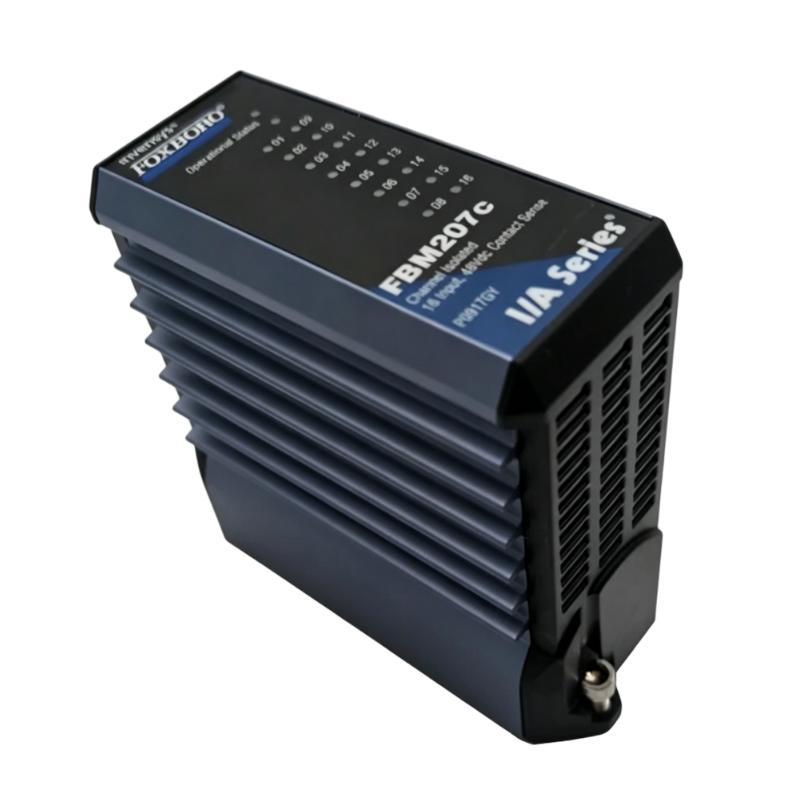
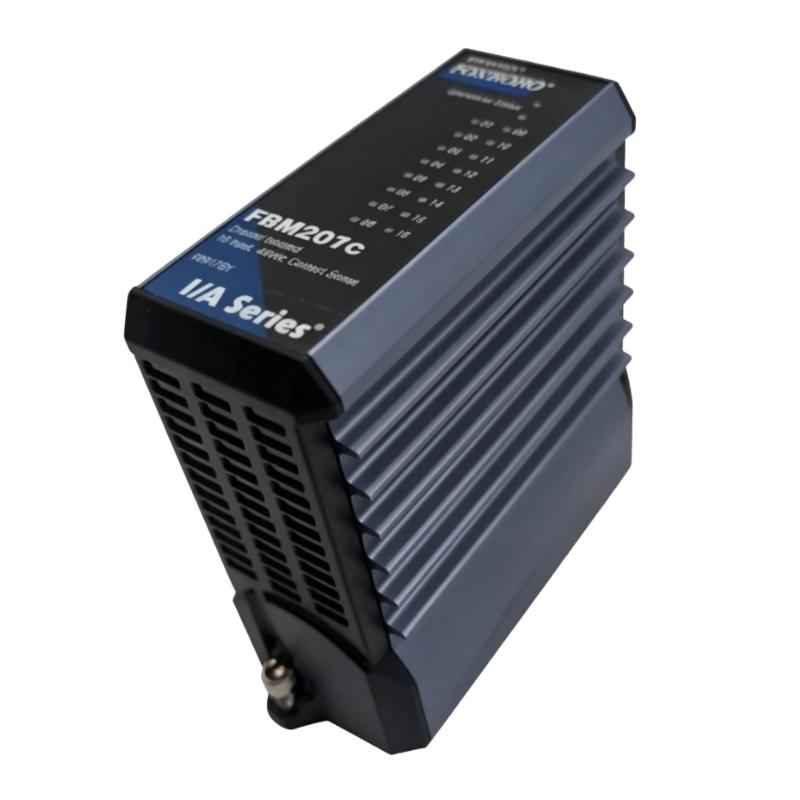
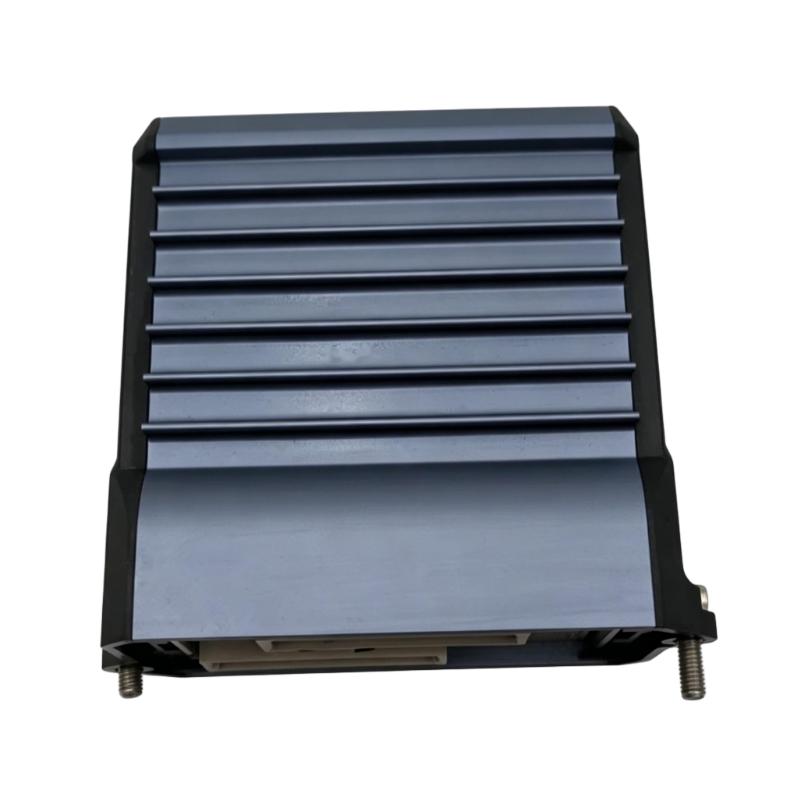
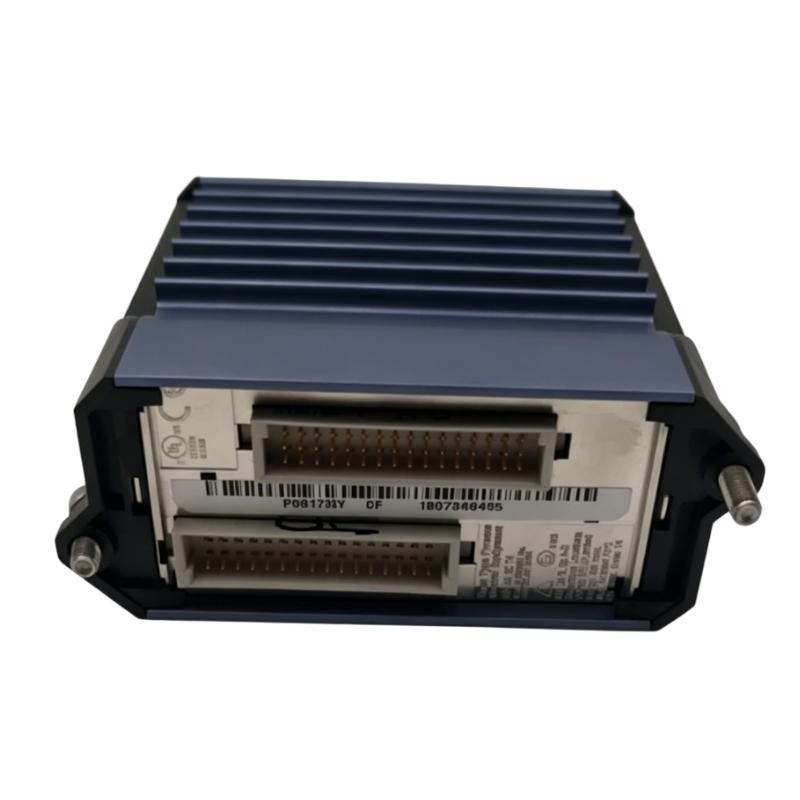
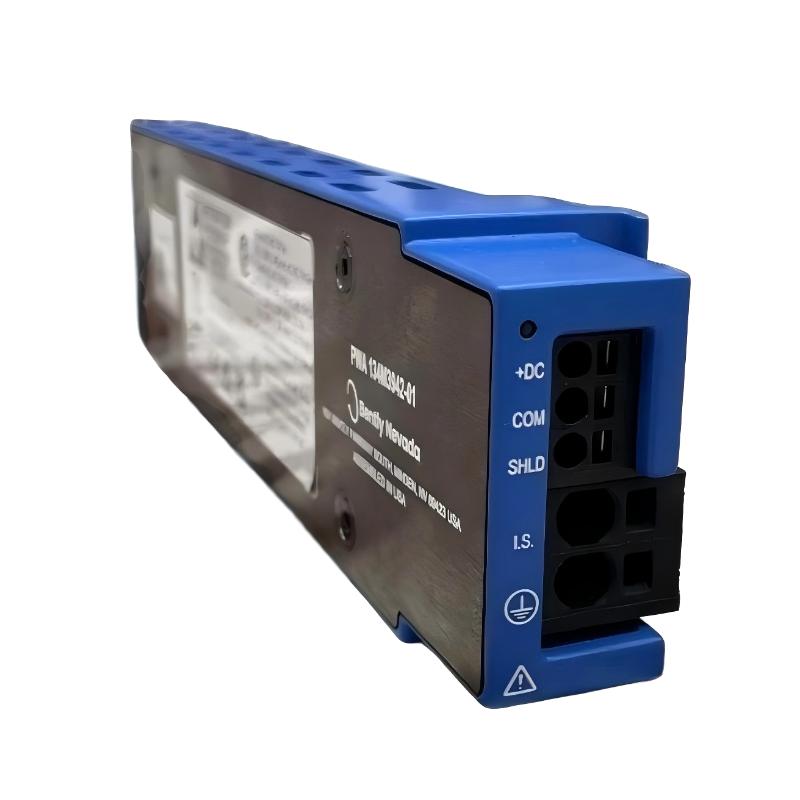
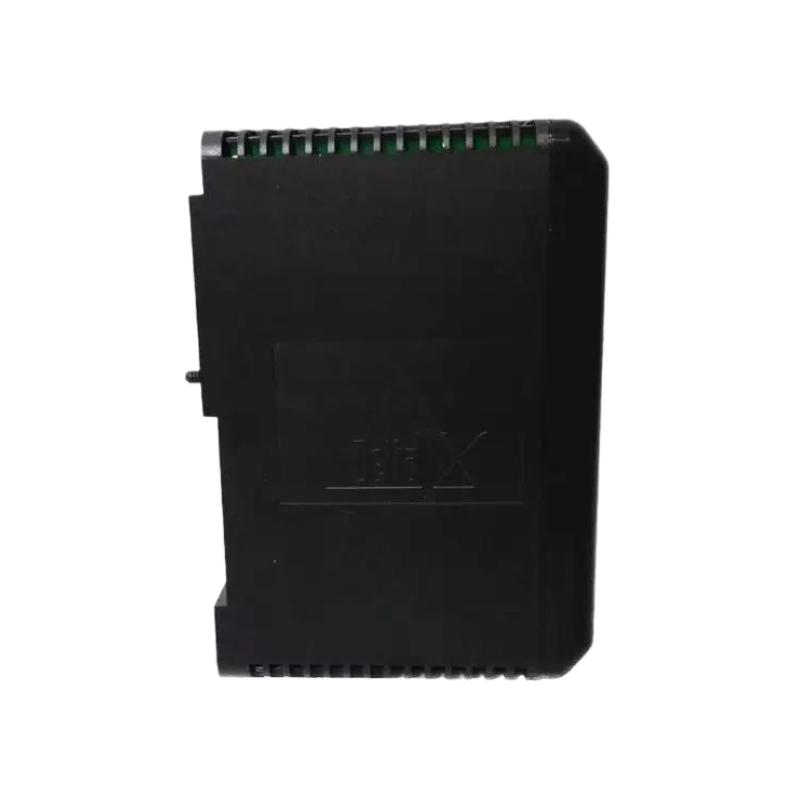
Brand:Foxboro Module Item No.:FBM207c Product Origin:USA Product Dimensions:114 x 45 x 104 mm Product Weight:0.284 kg Payment:T/T, Western Union, Credit Card Goods_stock:15 Shipping Port:Xiamen, China Lead Time:1-3 Days Condition:Brand New And Original Warranty:1 Year Certificate:COO
The Foxboro FBM207c RH917GY Contact Sensor Input Interface Module is intended for discrete field-signal acquisition within industrial process-control and automation systems.
Contact signals may appear simple, but they often carry important operational information. A field switch can confirm that a valve has reached its commanded position, indicate that a pump is running, report an equipment fault, or provide a permissive required before the next process step can begin.
The FBM207c RH917GY provides an interface for these types of contact-based signals, allowing the control system to incorporate field conditions into monitoring, alarm handling, sequencing, and equipment-status logic.
Its 114 × 45 × 104 mm dimensions make it suitable for compact and organized control installations. The module's relatively small physical footprint is useful when control-system hardware must be arranged efficiently within a cabinet or equipment assembly.
For maintenance personnel, troubleshooting should focus on the complete signal path rather than assuming the module is automatically responsible for an abnormal input. Field contacts, cables, terminals, channel configuration, and control logic can all contribute to an incorrect indication.
When replacing an installed unit, the full designation FBM207c RH917GY should be checked against the existing hardware and system configuration before commissioning.
Technical Specifications
Parameter
Specification
Brand
Foxboro
Model
FBM207c RH917GY
Product Type
Contact Sensor Input Interface Module
Module Function
Discrete Contact Signal Input
Signal Type
Contact / Discrete Input
Application
Industrial Process Control
System Architecture
Distributed Control System
Field Interface
Contact Sensor Signals
Dimensions
114 × 45 × 104 mm
Weight
0.28 kg (0.63 lb)
Dimensions: 114 × 45 × 104 mm Weight: 0.28 kg (0.63 lb)
The module should be installed according to the system's approved hardware arrangement. Verify field wiring, terminal identification, grounding, and system configuration before restoring normal operation.
Recommended Related Models
Model
Product Type
Application Relationship
FBM207c RH917GY
Contact Sensor Input Interface Module
Primary model
FBM207c P0917GY
Contact Sensor Input Interface Module
Closely related FBM207c configuration
FBM207b P0916JS
Contact Sensor Input Interface Module
Related contact input configuration
FBM207b RH914WH
Contact Sensor Input Interface Module
Related FBM207-series configuration
FBM203
Contact Input Interface Module
Related contact monitoring application
The models above may have different hardware or system configurations. Before substitution, verify the complete catalog number and ensure that the signal and control-system requirements are compatible.
For replacement applications, matching the complete model designation is important. Signal type, channel configuration, field wiring, control-system compatibility, and installation requirements should be verified before commissioning.
Discrete Signal Acquisition Applications
The Foxboro FBM207c RH917GY Contact Sensor Input Interface Module is designed for industrial automation and process-control systems that require dependable monitoring of discrete contact signals.
In a distributed control environment, field contacts provide essential information about equipment condition, operating status, position, and alarm states. The FBM207c RH917GY serves as an interface between these field-level signals and the control system, allowing discrete conditions to be incorporated into monitoring and control logic.
Typical applications include:
Valve position monitoring
Pump and motor status feedback
Limit switch monitoring
Equipment interlock signals
Alarm contact acquisition
Process equipment status detection
Industrial sequencing
Field switch monitoring
Distributed process-control systems
Plant instrumentation systems
For continuous-process facilities, accurate discrete-state information can be critical to equipment sequencing and operator awareness.
Engineering Advantages
Reliable contact signal interfacing
The FBM207c RH917GY provides a dedicated interface for compatible contact-based field signals, helping control systems recognize equipment states consistently.
Efficient field-to-control integration
The module provides a practical connection point between field devices and distributed control functions, making discrete signals available to application logic.
Useful for equipment monitoring
Contact states can be used to represent operating conditions, valve positions, alarm states, limit conditions, and permissive signals.
Compact physical format
At 114 × 45 × 104 mm, the module provides a compact form factor for organized control-system installations.
Supports systematic troubleshooting
The module can be used as a diagnostic checkpoint when tracing a signal from a field contact through the wiring system and into the control architecture.
Suitable for process environments
Its application within industrial control architectures makes it appropriate for continuous monitoring of field-device states.
Simplifies maintenance identification
Using the complete FBM207c RH917GY model designation helps maintenance teams distinguish this module from other related FBM configurations.
Practical automation investment
For process plants maintaining distributed control infrastructure, dependable discrete input hardware can contribute to stable monitoring and predictable equipment operation.
Technical FAQs
1. What is the purpose of the FBM207c RH917GY?
The module provides a contact-signal interface for acquiring discrete field information and transferring the resulting status into the associated control system.
2. What field devices can be connected to a contact input interface?
Typical devices include mechanical switches, limit switches, alarm contacts, position switches, equipment-status contacts, and other compatible discrete field devices.
3. What does a discrete contact signal represent?
A discrete contact generally represents one of two defined states, such as open/closed, running/stopped, or normal/alarm. The control application determines the meaning assigned to each state.
4. What could cause an input to remain continuously active?
A stuck field contact, shorted wiring, incorrect terminal connection, incorrect configuration, or an input-channel problem can cause a continuously active indication.
5. What should be checked when a field contact changes but the control system does not?
Check the field device, cable continuity, terminal connections, input channel, module status, and control-system configuration. Testing the signal path one stage at a time helps isolate the problem.
6. How can intermittent input behavior be diagnosed?
Monitor the channel while repeatedly operating the field device. Inspect the contact mechanism, wiring, terminals, and connectors for mechanical wear or unstable electrical connections.
7. Can electrical interference affect contact signal acquisition?
Yes. Poor cable routing, inadequate grounding, nearby high-power equipment, or unsuitable shielding practices can contribute to unwanted signal behavior. Installation practices should follow the requirements of the overall control system.
8. Should a module be replaced immediately when one input fails?
Not necessarily. Field-device condition, wiring, terminals, channel configuration, and module status should be checked first. A structured fault-isolation procedure can prevent unnecessary replacement.
9. Can standard contact inputs be used as safety inputs?
A standard process-control input should not automatically be considered safety-rated. Safety functions require the appropriate certified safety hardware, architecture, and engineering practices.
10. What should be tested after installing a replacement module?
Verify module identification and configuration, inspect field wiring, test individual input channels, operate the associated field devices, and confirm that the control system displays the expected states.