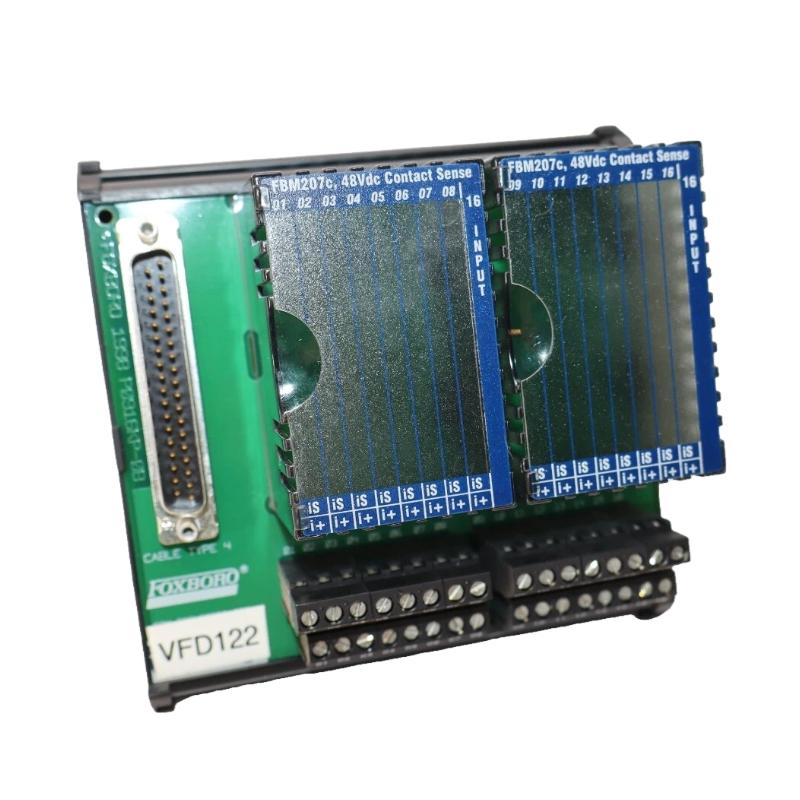
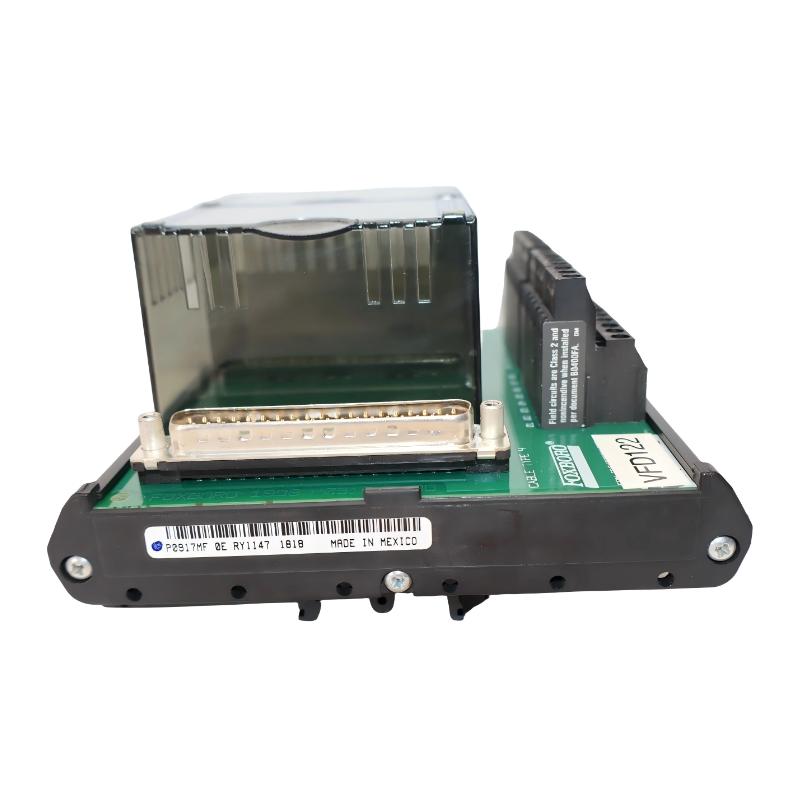
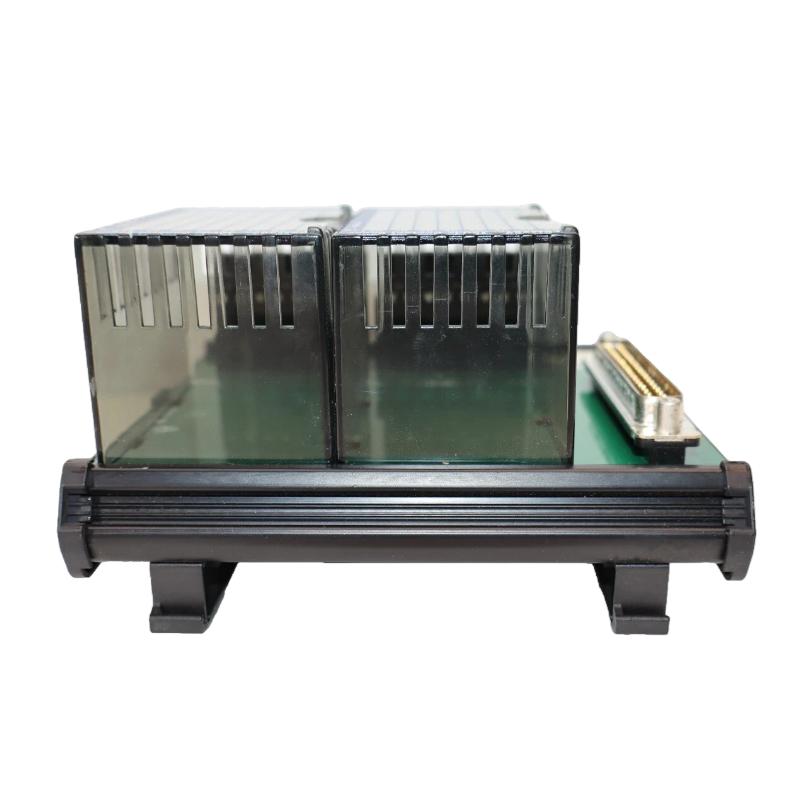
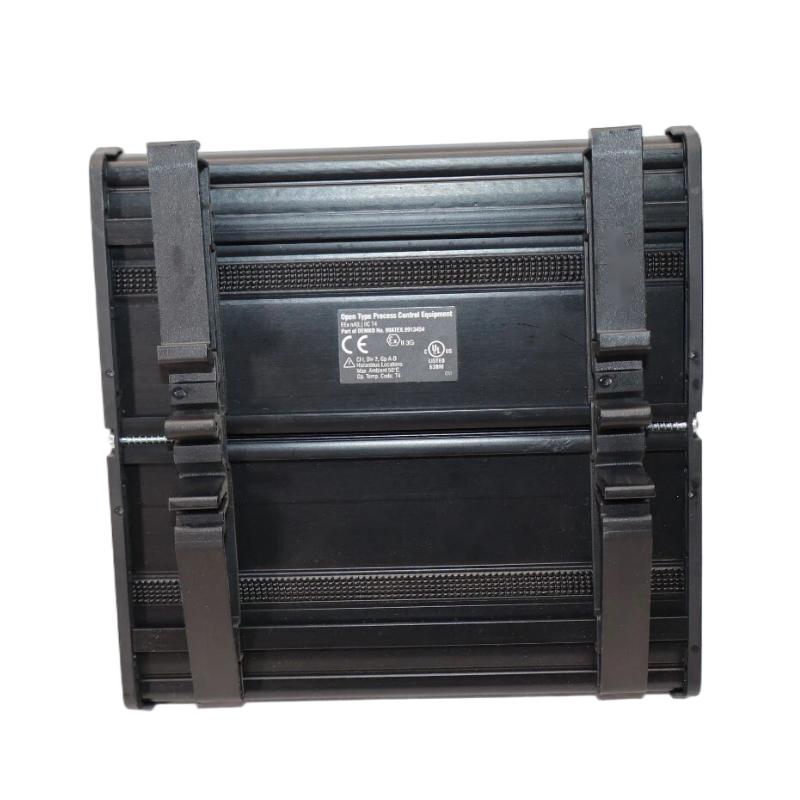
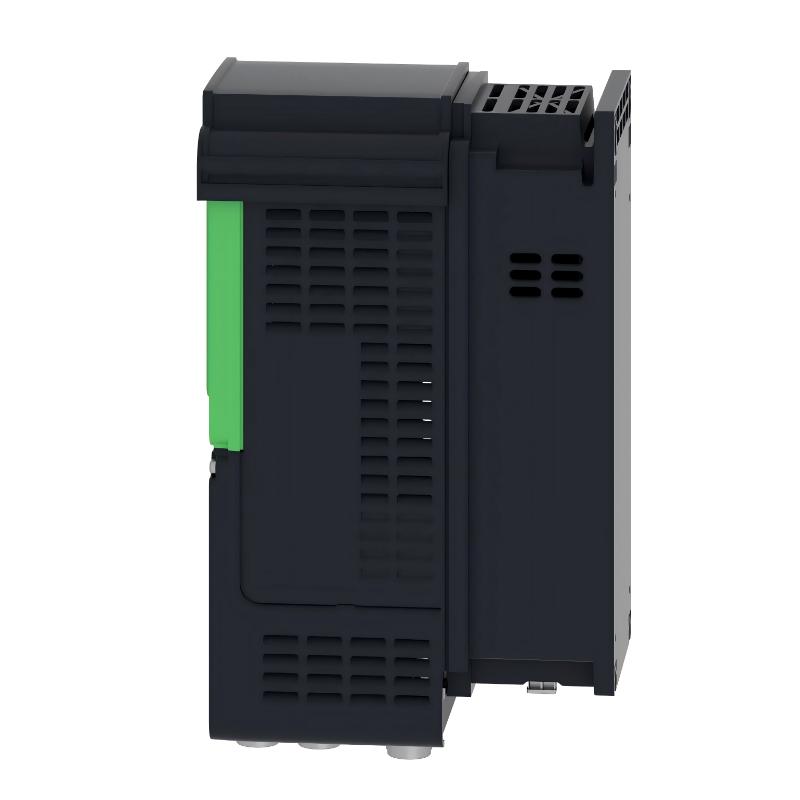
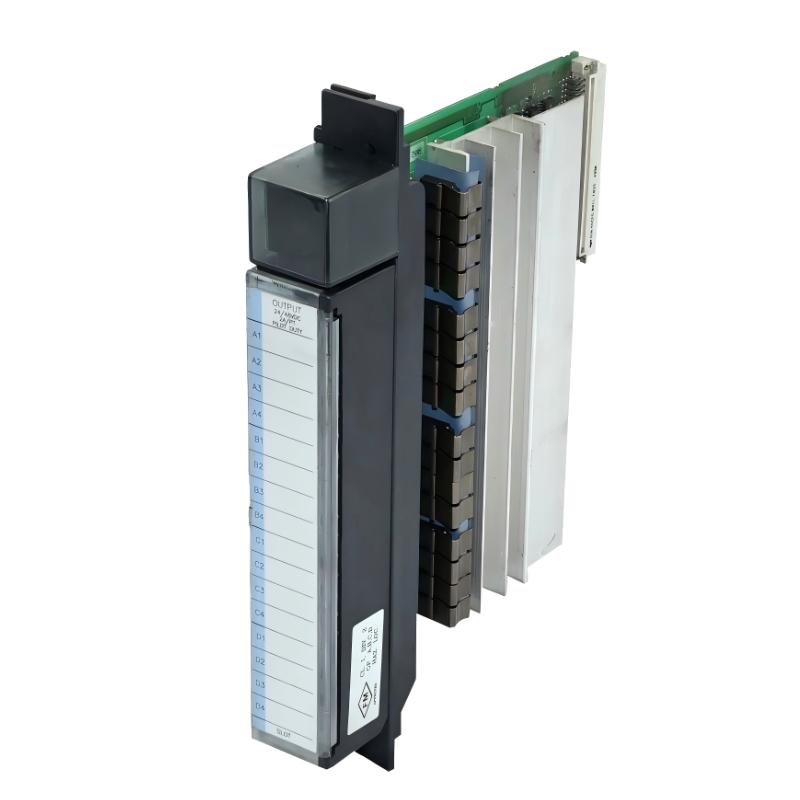
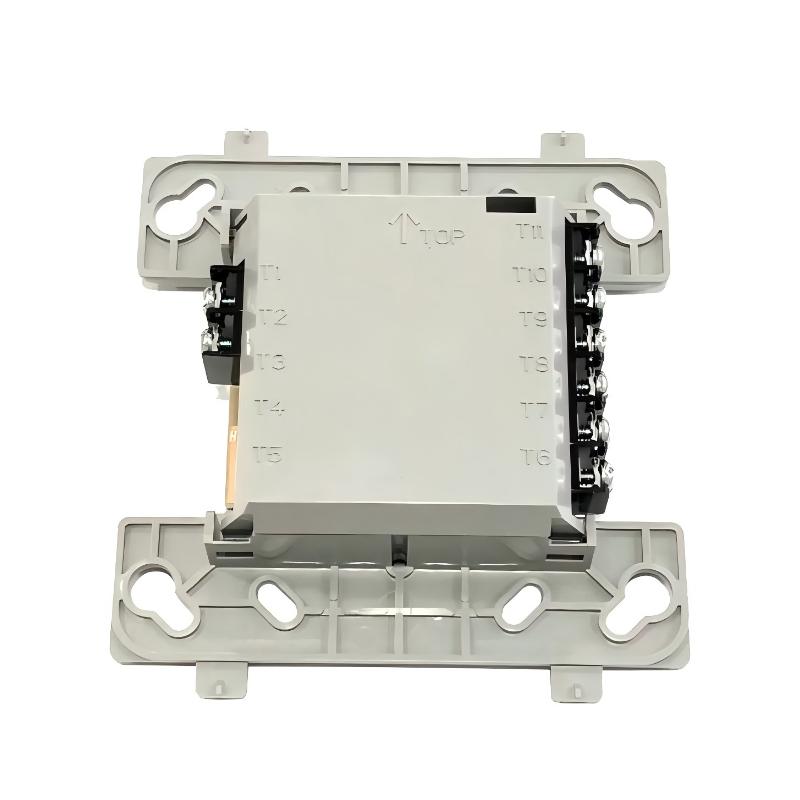
Brand:Foxboro Module Item No.:FBM207c Product Origin:USA Product Dimensions:127 x 80 x 125 mm Product Weight:0.272 kg Payment:T/T, Western Union, Credit Card Goods_stock:15 Shipping Port:Xiamen, China Lead Time:1-3 Days Condition:Brand New And Original Warranty:1 Year Certificate:COO
The Foxboro FBM207c P0917MF Compressed Terminal Components form part of the field-connection infrastructure used in industrial automation and process-control installations.
In a distributed control environment, reliable signal transmission starts with a reliable physical connection. Field devices generate the information needed by the control system, but that information must pass through cables, terminals, interface hardware, and control-system inputs before it becomes usable process data.
Terminal components therefore play an important supporting role. A secure terminal connection helps maintain electrical continuity, simplifies field wiring organization, and gives maintenance personnel a clearly defined point for inspection and testing.
The FBM207c P0917MF has supplied dimensions of 127 × 80 × 125 mm and a weight of 0.27 kg, making accurate identification important when planning replacement or installation work.
When troubleshooting a field signal that behaves intermittently or disappears completely, terminal connections should not be overlooked. Loose conductors, damaged terminals, incorrect wiring, corrosion, and mechanical stress can all create symptoms that initially appear to originate from an I/O module.
For maintenance and retrofit projects, the complete model designation FBM207c P0917MF should be checked against the installed hardware before replacement. Correct terminal configuration and wiring identification are essential for a clean commissioning process.
Technical Specifications
Parameter
Specification
Brand
Foxboro
Model
FBM207c P0917MF
Product Type
Compressed Terminal Components
Application
Industrial Control System
Function
Field Wiring / Terminal Connection
Installation
Control Cabinet / Field Interface Assembly
Dimensions
127 × 80 × 125 mm
Weight
0.27 kg (0.60 lb)
Dimensions: 127 × 80 × 125 mm Weight: 0.27 kg (0.60 lb)
Before installation, verify the terminal arrangement and field wiring against the approved system documentation. Conductors should be securely terminated, correctly identified, and protected from excessive mechanical stress.
Recommended Related Models
Model
Product Type
Application Relationship
FBM207c P0917MF
Compressed Terminal Components
Primary model
FBM207c P0917GY
Contact Sensor Input Interface Module
Related FBM207c configuration
FBM207c RH917GY
Contact Sensor Input Interface Module
Related FBM207c configuration
FBM207b P0916JS
Contact Sensor Input Interface Module
Related FBM207-series hardware
FBM207b RH914WH
Contact Sensor Input Interface Module
Related FBM207-series hardware
The related models may perform different functions and should not be treated as direct substitutes solely because they share the FBM207 family designation. Always verify the complete hardware and wiring requirements.
For replacement work, technicians should match the complete catalog designation and verify the physical terminal arrangement, field wiring, signal requirements, and system compatibility before installation.
Industrial Terminal and Field Wiring Applications
The Foxboro FBM207c P0917MF Compressed Terminal Components are intended for use within industrial control-system installations where reliable field wiring termination and organized signal connections are essential.
Terminal components may appear to be a small part of an automation system, but their mechanical integrity and electrical continuity directly affect the quality of field-device connections. In process-control installations, properly terminated wiring helps maintain stable communication between field instrumentation and the associated control hardware.
Typical applications include:
Distributed control system installations
Field wiring termination
Industrial I/O assemblies
Process instrumentation systems
Control cabinet wiring
Discrete signal interfaces
Equipment status connections
Maintenance and replacement projects
Industrial automation panels
Process plant electrical assemblies
The FBM207c P0917MF can be considered when maintaining or rebuilding compatible Foxboro field-interface assemblies where properly organized terminal connections are required.
Practical Installation Advantages
Reliable field termination
Properly installed terminal components provide a secure connection point for field wiring and help reduce problems associated with loose or poorly seated conductors.
Organized wiring architecture
A structured terminal arrangement makes field connections easier to identify, inspect, and maintain during commissioning and service work.
Supports stable signal paths
Good terminal integrity is essential for maintaining electrical continuity between field devices and connected control-system hardware.
Useful in distributed control installations
Terminal components can form part of the wiring infrastructure surrounding distributed I/O and process-control equipment.
Maintenance-friendly design
Clearly arranged terminal connections make it easier for technicians to trace individual field circuits and isolate wiring-related problems.
Compact assembly format
The supplied dimensions are 127 × 80 × 125 mm, providing a defined physical format for installation planning and replacement work.
Reduced wiring-related downtime
Secure and properly maintained terminals can help prevent intermittent signals, unexpected open circuits, and connection-related control faults.
Practical replacement value
For maintenance teams working with established Foxboro installations, using the correct terminal-component configuration helps preserve the intended wiring arrangement.
Technical FAQs
1. What is the purpose of compressed terminal components in an industrial control system?
They provide mechanical and electrical termination points for field conductors, helping establish secure and organized connections within an automation or process-control assembly.
2. Why is terminal quality important for discrete signals?
A poor terminal connection can introduce intermittent continuity, voltage drop, or complete signal loss. Even when the field device and input module are functioning correctly, a defective terminal can prevent the control system from receiving the expected signal.
3. What are common symptoms of a loose terminal connection?
Intermittent input states, unexpected alarms, fluctuating signals, or complete loss of a field circuit can indicate a loose or damaged connection.
4. How should a suspected terminal fault be diagnosed?
Inspect the terminal mechanically, verify conductor seating, check continuity according to the approved maintenance procedure, and compare the observed signal with the expected field condition.
5. Can vibration affect terminal connections?
Yes. Continuous mechanical vibration can gradually loosen connections or contribute to conductor and terminal fatigue. Proper installation and periodic inspection are important in vibration-prone equipment.
6. What should be checked before replacing a terminal component?
Confirm the exact hardware configuration, wiring arrangement, terminal identification, conductor type, and compatible installation method. The replacement should match the existing system architecture.
7. Why should field wiring be clearly labeled?
Clear identification reduces the possibility of cross-connection during commissioning and maintenance. It also makes troubleshooting significantly faster when multiple field circuits are involved.
8. Can a terminal problem cause intermittent control-system faults?
Yes. An unstable connection can repeatedly open and close as equipment vibrates or wiring moves, producing intermittent field states that may appear to be a module or controller problem.
9. What precautions should be taken during terminal maintenance?
Follow the plant's electrical isolation procedures, identify the correct circuit, verify the wiring before removal, and use suitable tools and torque practices for the installed terminal hardware.
10. How should a replacement terminal assembly be commissioned?
Confirm the physical installation, verify each conductor against the wiring documentation, inspect all connections, check continuity where required, and test the associated field signals before returning the system to normal operation.