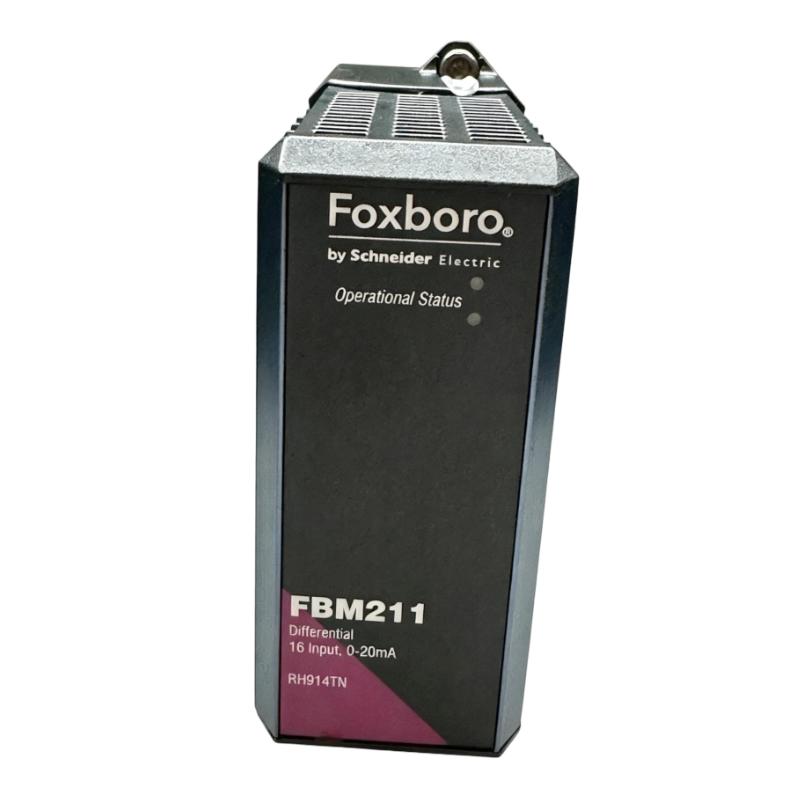
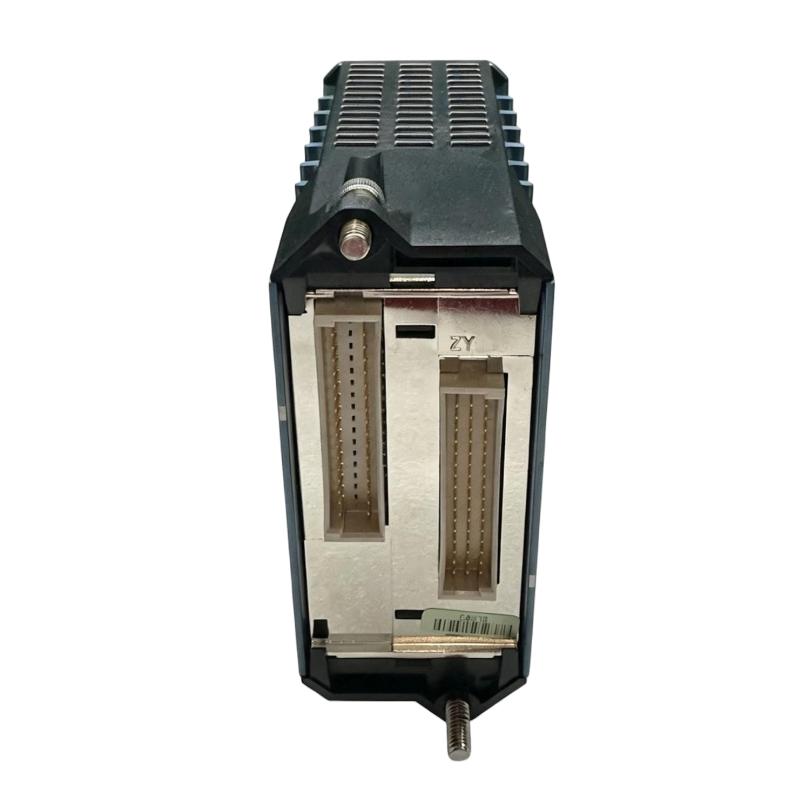
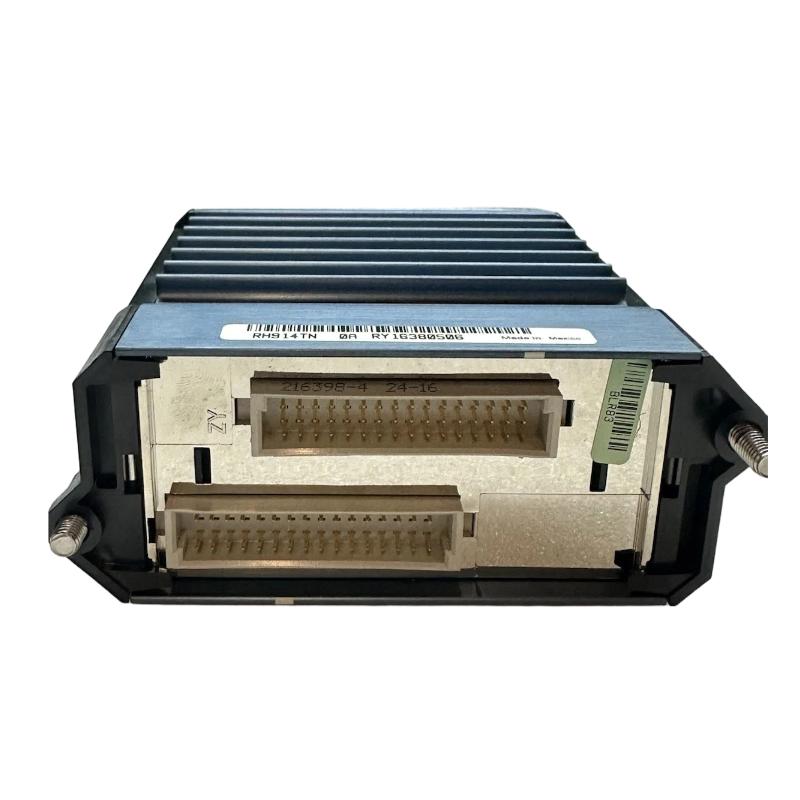
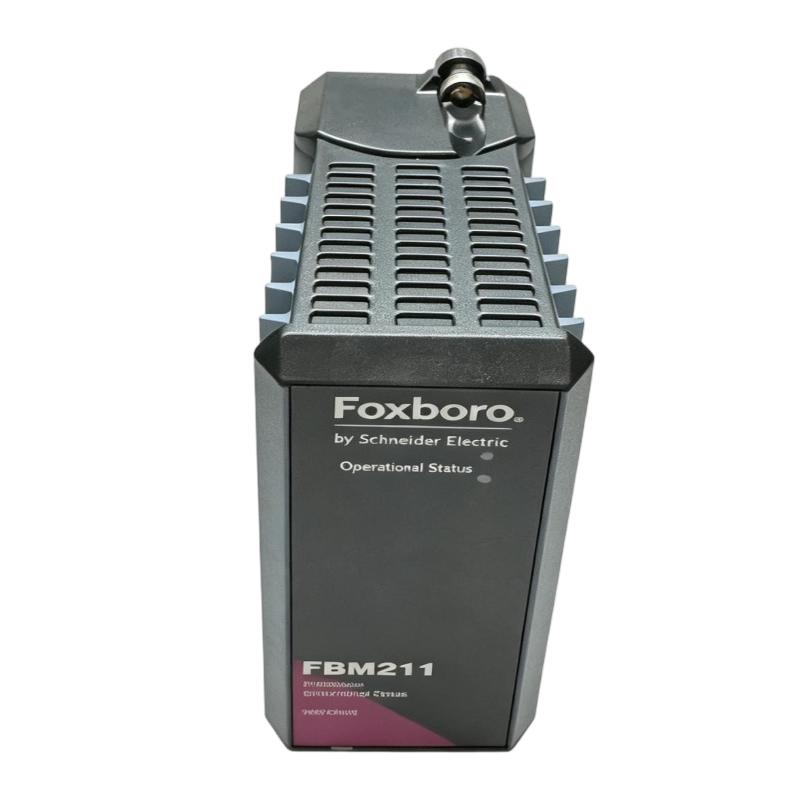
Brand:Foxboro Module Item No.:FBM211 Product Origin:USA Product Dimensions:114 x 45 x 104 mm Product Weight:0.284 kg Payment:T/T, Western Union, Credit Card Goods_stock:15 Shipping Port:Xiamen, China Lead Time:1-3 Days Condition:Brand New And Original Warranty:1 Year Certificate:COO
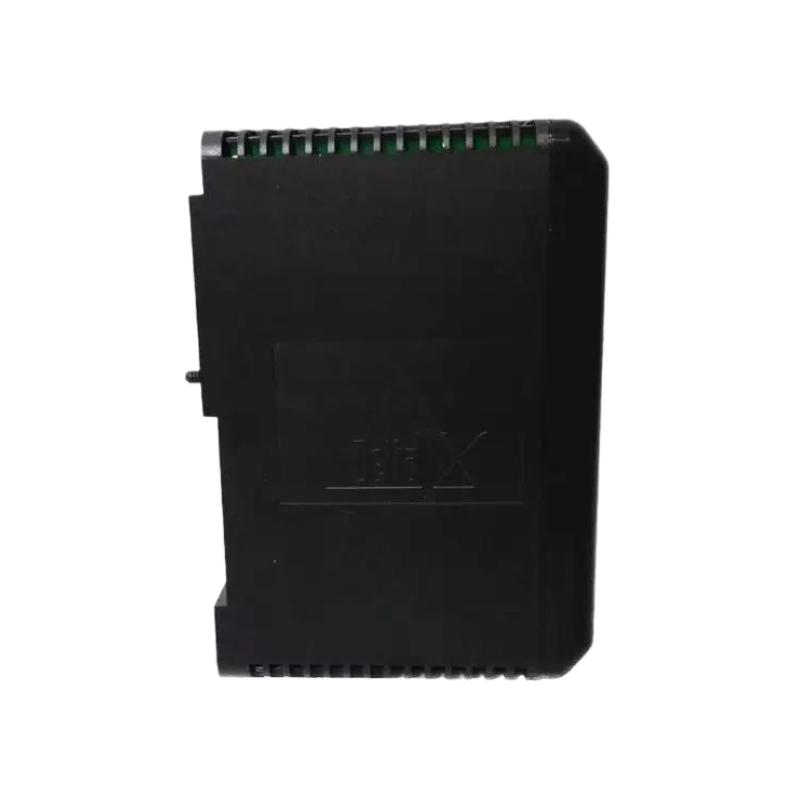
The Foxboro FBM211 RH914TN Input Interface Module provides an interface between field instrumentation and an industrial process-control system.
In a modern process plant, field instruments continuously provide information required for control and supervision. Whether the application involves monitoring equipment behavior, tracking process conditions, or generating alarms, the control system depends on reliable acquisition of field signals.
The FBM211 RH914TN forms part of this signal-acquisition layer. When correctly installed and configured, it allows field information to become available to the distributed control environment for operator monitoring and application logic.
Its 114 × 45 × 104 mm physical format is suitable for compact and organized control-system installations. The module can therefore be integrated into equipment assemblies where efficient use of cabinet space is important.
From a troubleshooting perspective, input faults should be approached systematically. An abnormal indication does not necessarily mean that the module itself has failed. Field instrumentation, cabling, terminal connections, channel configuration, and communication paths can all affect the final signal presented to the operator.
For replacement and maintenance work, the full designation FBM211 RH914TN should be checked carefully before installation. Matching the correct hardware configuration is essential for reliable commissioning and continued process operation.
Technical Specifications
Parameter
Specification
Brand
Foxboro
Model
FBM211 RH914TN
Product Type
Input Interface Module
Module Function
Field Input Signal Interface
Application
Industrial Process Control
System Architecture
Distributed Control System
Installation
Control / Field Interface Assembly
Dimensions
114 × 45 × 104 mm
Weight
0.28 kg (0.63 lb)
Dimensions: 114 × 45 × 104 mm Weight: 0.28 kg (0.63 lb)
Before installation, verify the required signal type and system configuration. Field wiring should be correctly identified and securely terminated, while the module should be installed according to the established control-system arrangement.
Recommended Related Models
Model
Product Type
Application Relationship
FBM211 RH914TN
Input Interface Module
Primary model
FBM207c RH917GY
Contact Sensor Input Interface Module
Related field input hardware
FBM207c P0917GY
Contact Sensor Input Interface Module
Related input interface
FBM207b P0916JS
Contact Sensor Input Interface Module
Related FBM field interface
FBM207b RH914WH
Contact Sensor Input Interface Module
Related FBM field interface
The related models may support different field signal configurations and should not be substituted solely based on physical similarity. Always verify signal requirements and control-system compatibility.
For replacement projects, confirm the complete catalog number, signal characteristics, channel configuration, wiring arrangement, and control-system compatibility before commissioning the replacement hardware.
Process Input and Field Signal Applications
The Foxboro FBM211 RH914TN Input Interface Module is designed for industrial process-control systems that require dependable acquisition of field input signals.
As part of a distributed control architecture, an input interface module provides the connection between field instrumentation and the control system. Properly integrated input signals allow operators and control logic to monitor process conditions, equipment states, and changing operating parameters.
The FBM211 RH914TN can be applied in automation environments such as:
Process instrumentation systems
Distributed control systems
Industrial equipment monitoring
Plant automation
Field signal acquisition
Process condition monitoring
Equipment status supervision
Control cabinet installations
Industrial measurement systems
Process plant retrofit projects
A dependable input interface is particularly valuable in applications where field information must reach the control system consistently for monitoring, alarming, sequencing, and operational decision-making.
Built for Practical Control-System Integration
Reliable field signal acquisition
The FBM211 RH914TN provides a dedicated interface between field-level signals and the associated control architecture, supporting stable process-data acquisition.
Designed for distributed automation
Its module format fits naturally into distributed control installations where field signals are collected through dedicated interface hardware.
Supports continuous process monitoring
Input information can be used by control logic and operator displays to monitor process conditions and equipment behavior.
Compact installation footprint
Measuring 114 × 45 × 104 mm, the module offers a space-efficient format for control-system assemblies.
Maintenance-friendly signal path
The input module provides technicians with a defined point for checking field wiring, signal continuity, channel behavior, and system configuration.
Suitable for plant modernization
For existing Foxboro installations, correctly matched interface hardware can help maintain established control-system infrastructure during maintenance or equipment replacement.
Clear hardware identification
The complete FBM211 RH914TN designation should be used when purchasing or replacing the module to avoid confusion with other FBM211 configurations.
Professional-grade automation component
For process plants where dependable field-to-control communication is essential, a properly configured input interface module provides an important layer of the overall automation architecture.
Technical FAQs
1. What is the function of the Foxboro FBM211 RH914TN?
It is an input interface module used to acquire field input signals and make the corresponding information available to the associated industrial control system.
2. Where is an input interface module normally installed?
It is typically installed as part of a distributed control or field-interface assembly, providing an organized connection between field devices and the control-system architecture.
3. What types of signals can an input interface module handle?
The exact supported signal types depend on the specific FBM configuration. The field device, signal characteristics, wiring arrangement, and system configuration should all be verified before connection.
4. What could cause a channel to show an incorrect process value?
Possible causes include incorrect field wiring, faulty instrumentation, signal interference, configuration errors, poor terminal connections, or problems within the input channel or associated system.
5. What should be checked when an input signal disappears?
Start with the field instrument and wiring, then inspect terminal connections, module status, channel configuration, and the control-system communication path.
6. Why is correct channel configuration important?
The control system must interpret the incoming field signal according to the correct channel and signal configuration. Incorrect configuration can result in invalid readings, unexpected states, or diagnostic alarms.
7. How can intermittent input problems be diagnosed?
Monitor the affected channel while checking the field device, wiring, terminals, and connectors. Compare the control-system indication with the actual field condition to determine where the signal becomes unstable.
8. Can wiring problems appear as module failures?
Yes. Open circuits, loose terminals, damaged conductors, grounding issues, and poor connections can all produce symptoms that resemble an input-module fault.
9. What should be verified before replacing the FBM211?
Confirm the complete model number, field signal requirements, system compatibility, wiring configuration, module status, and diagnostic information before installing a replacement.
10. What is the recommended commissioning approach?
Verify installation and wiring first, confirm the correct system configuration, test the input channels using known field conditions, and compare the resulting control-system values or states with the expected readings.