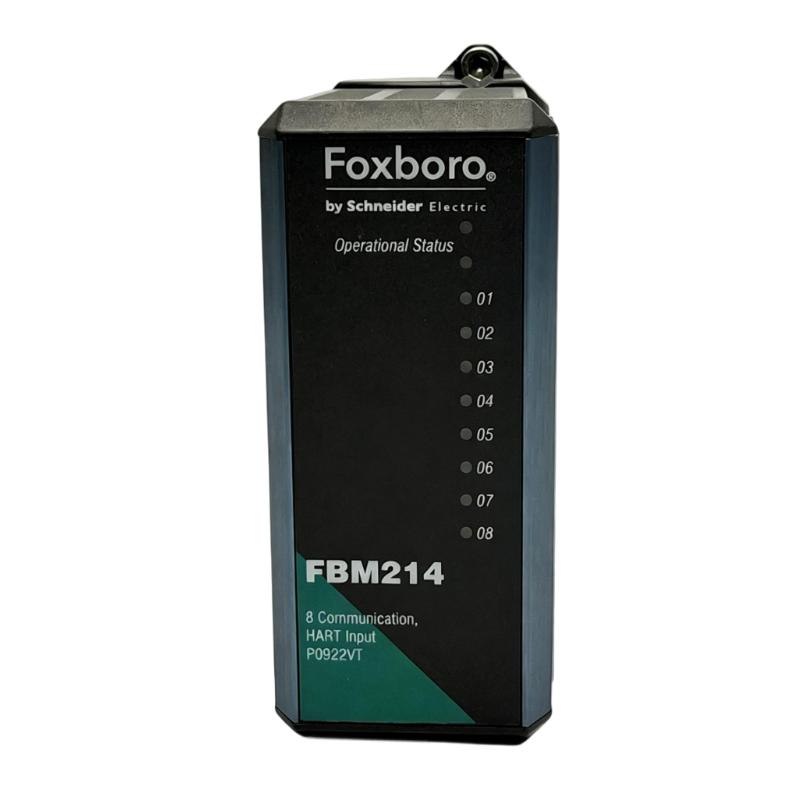
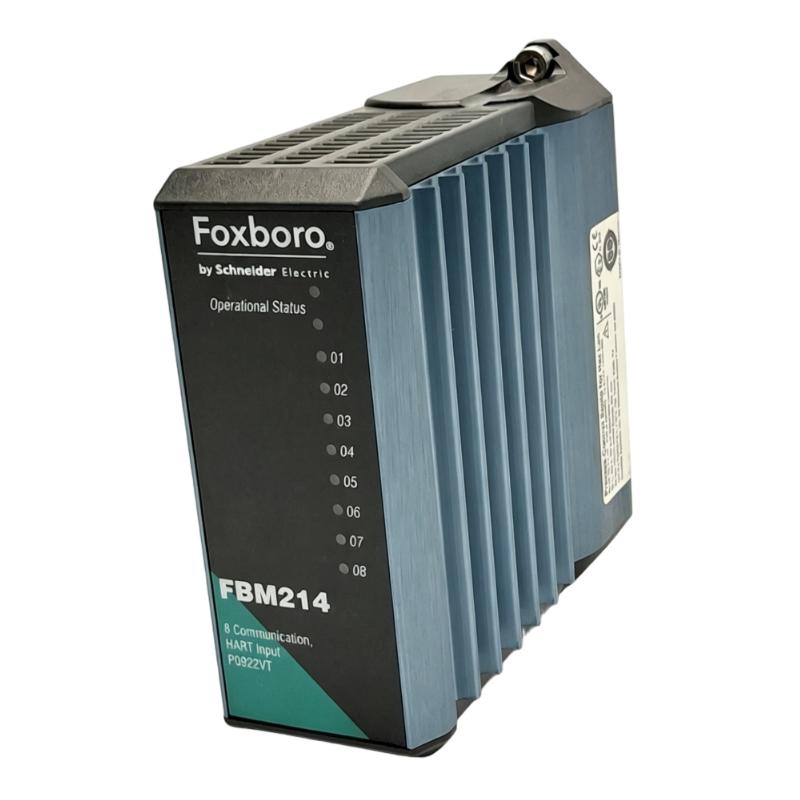
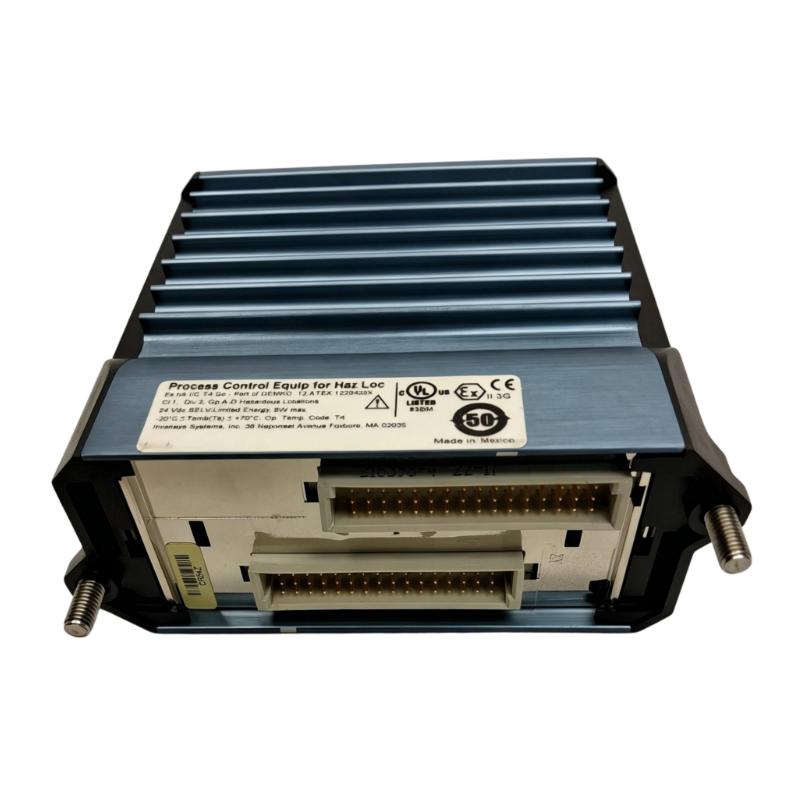
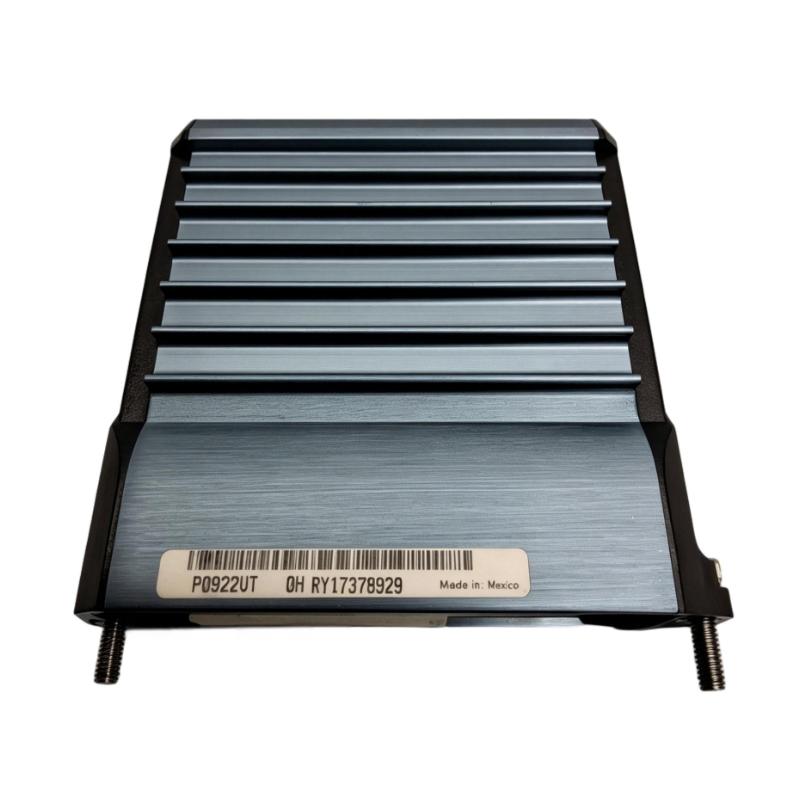
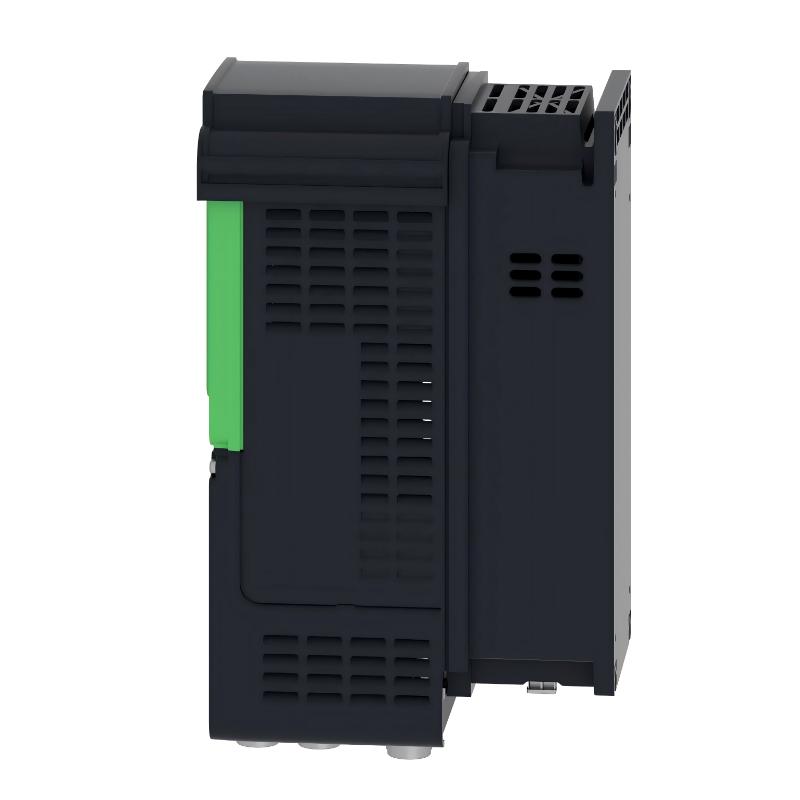
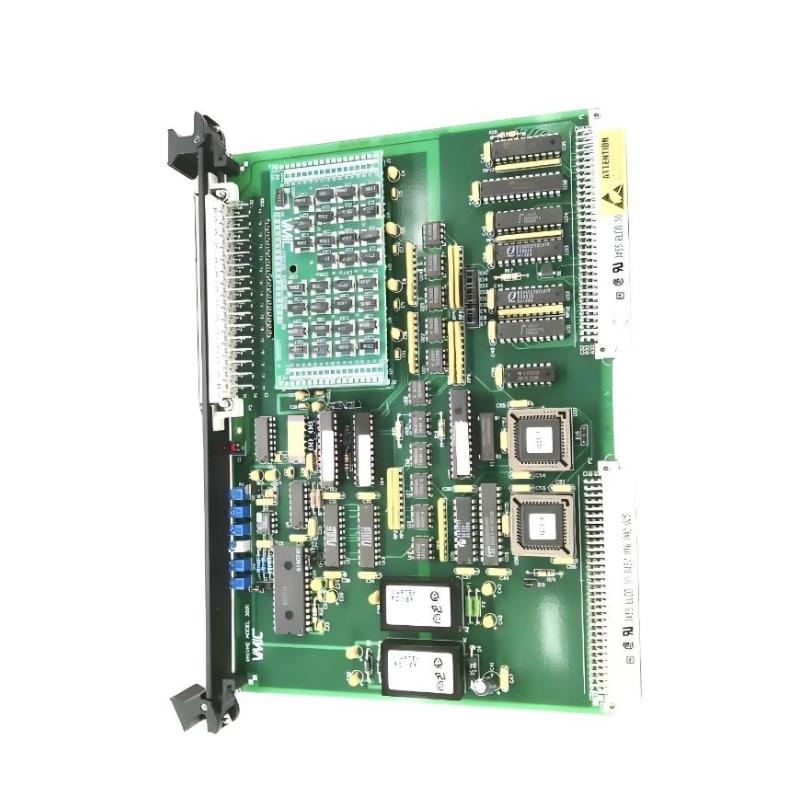
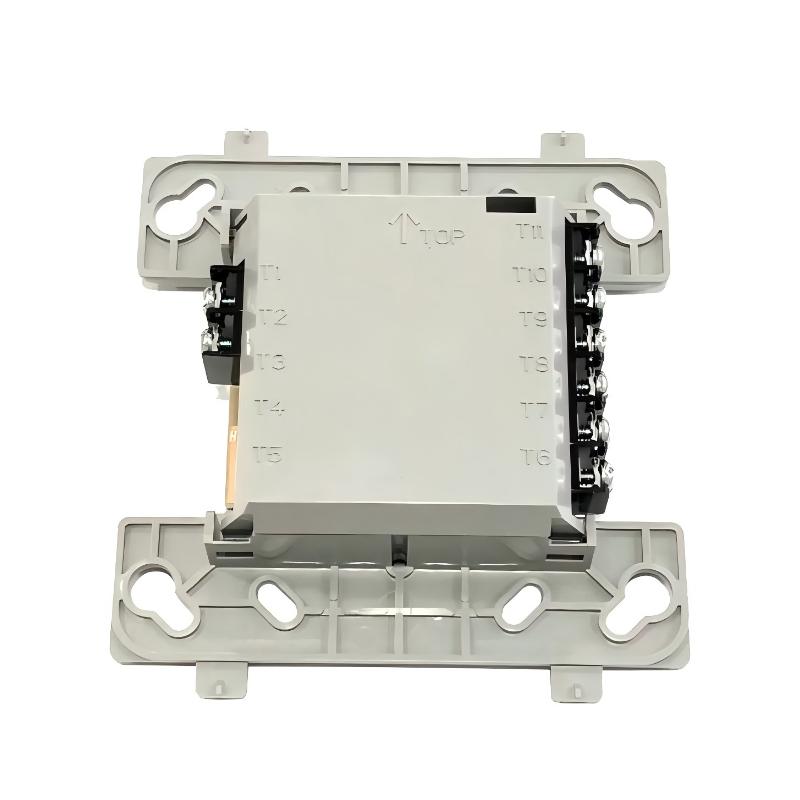
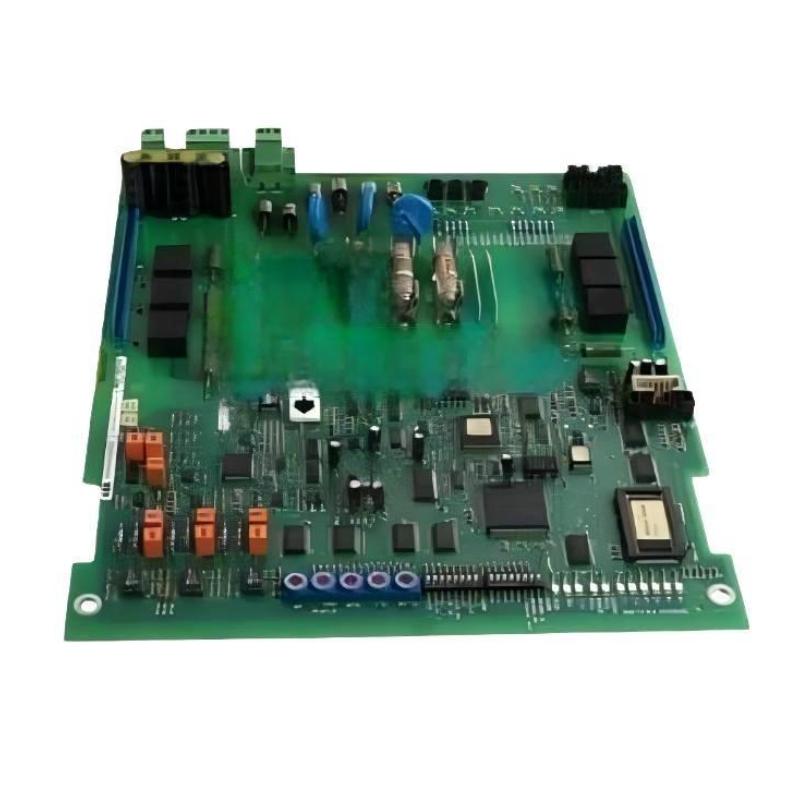
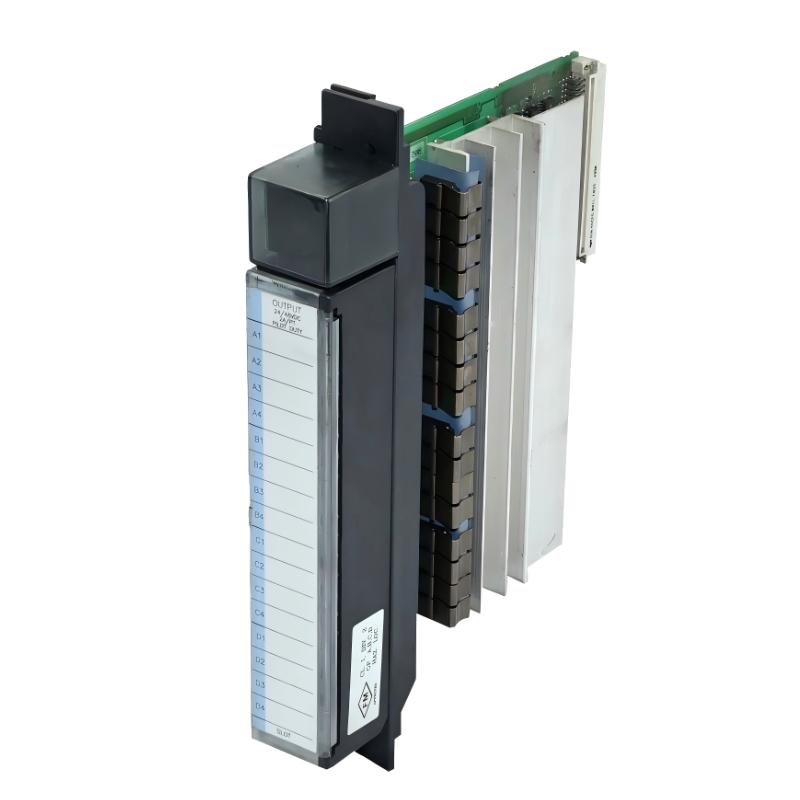
Foxboro FBM214 P0922VT Communication Input Interface Module
Foxboro FBM214 P0922VT Communication Input Interface Module
0.0
Points
Brand:Foxboro Module Item No.:FBM214 Product Origin:USA Product Dimensions:114 x 45 x 104 mm Product Weight:0.284 kg Payment:T/T, Western Union, Credit Card Goods_stock:15 Shipping Port:Xiamen, China Lead Time:1-3 Days Condition:Brand New And Original Warranty:1 Year Certificate:COO
The Foxboro FBM214 P0922VT Communication Input Interface Module is intended for industrial process-control installations where field input information must be integrated into a distributed automation environment.
Modern process plants rely on many layers of communication and input hardware. Field devices generate operating information, interface modules collect or condition that information, and the control system then uses it for monitoring, alarming, sequencing, and process supervision.
The FBM214 P0922VT serves within this broader interface architecture. Its role is particularly relevant to installations where reliable communication and input integration are required as part of a distributed control strategy.
With dimensions of 114 × 45 × 104 mm, the module provides a compact form factor for control-system assemblies. Its standardized physical format can be advantageous during equipment replacement and cabinet maintenance, provided the complete system configuration is matched correctly.
When troubleshooting, technicians should separate communication faults from field-device faults. An unavailable input may result from a failed instrument, damaged cable, poor terminal connection, incorrect configuration, communication interruption, or an actual module problem. Checking each stage of the signal path provides a more reliable diagnosis.
For replacement applications, the complete catalog number FBM214 P0922VT should be verified before installation. Correct hardware identification is essential when working with established process-control systems.
Technical Specifications
Parameter
Specification
Brand
Foxboro
Model
FBM214 P0922VT
Product Type
Communication Input Interface Module
Module Function
Input and Communication Interface
Application
Industrial Process Control
System Architecture
Distributed Control System
Installation
Control / Field Interface Assembly
Dimensions
114 × 45 × 104 mm
Weight
0.28 kg (0.63 lb)
Dimensions: 114 × 45 × 104 mm Weight: 0.28 kg (0.63 lb)
Installation should be performed with the system configuration and field wiring clearly identified. Verify all relevant connections and communication parameters before commissioning the module in the live control environment.
Recommended Related Models
Model
Product Type
Application Relationship
FBM214 P0922VT
Communication Input Interface Module
Primary model
FBM211 RH914TN
Input Interface Module
Related input-interface hardware
FBM207c RH917GY
Contact Sensor Input Interface Module
Related field input hardware
FBM207c P0917GY
Contact Sensor Input Interface Module
Related input interface
FBM207b RH914WH
Contact Sensor Input Interface Module
Related FBM field interface
The related modules may have different signal and communication functions. They should be evaluated according to the actual system architecture rather than selected solely on physical dimensions or family designation.
For replacement and retrofit projects, always verify the complete catalog number, system compatibility, field wiring, communication requirements, and channel configuration before commissioning.
Communication and Input Integration Applications
The Foxboro FBM214 P0922VT Communication Input Interface Module is designed for industrial process-control environments where dependable communication between field-level input signals and the control system is essential.
Within a distributed control architecture, communication-oriented input hardware helps connect field information with the broader automation system. It can support the collection and transfer of process-related information needed for monitoring, diagnostics, sequencing, and operational control.
Typical application areas include:
Distributed control system installations
Process instrumentation networks
Industrial input signal acquisition
Field communication interfaces
Process equipment monitoring
Plant automation systems
Control cabinet installations
Industrial data acquisition
Process monitoring and diagnostics
Automation system expansion and retrofit projects
For process plants operating large numbers of field devices, dependable input communication provides an important link between physical equipment and the control environment.
Integration Benefits for Process Automation
Reliable input-system interface
The FBM214 P0922VT provides an interface point for integrating compatible input information into a Foxboro process-control architecture.
Designed for distributed control environments
Its modular format is well suited to installations where field-level information is organized through dedicated interface hardware.
Supports process visibility
Input information can be made available to control and monitoring functions, helping operators and application logic understand equipment and process conditions.
Compact physical footprint
The module measures 114 × 45 × 104 mm, making it practical for structured control-system installations where cabinet space must be managed efficiently.
Useful for system diagnostics
A dedicated interface provides technicians with a logical point for examining communication and input-related problems during commissioning and maintenance.
Simplifies system expansion
Compatible modular input hardware can be valuable when extending established process-control systems or replacing aging field-interface equipment.
Maintenance-friendly identification
The complete FBM214 P0922VT designation provides a clear reference for purchasing, inventory control, and replacement work.
Built for professional automation environments
For industrial facilities where reliable data exchange is essential to process supervision, correctly matched interface hardware can contribute to stable system operation.
Technical FAQs
1. What is the function of the FBM214 P0922VT?
It is a communication input interface module intended to integrate compatible field input information with an industrial process-control system.
2. Why is communication important for distributed control systems?
A distributed control system depends on reliable exchange of information between field interfaces, controllers, engineering functions, and operator stations. Communication problems can prevent accurate process information from reaching the control application.
3. What can cause a communication input to become unavailable?
Possible causes include wiring faults, connection problems, incorrect configuration, communication interruptions, module faults, or problems elsewhere in the control-system communication path.
4. How should an intermittent communication problem be investigated?
Check connections first, then inspect the field wiring, module status, configuration, and communication diagnostics. Monitoring the system while the fault occurs can help identify whether the problem is physical or configuration-related.
5. Why is correct module configuration important?
The control system must recognize the installed hardware and interpret its signals correctly. Incorrect configuration can result in unavailable channels, invalid data, or diagnostic conditions.
6. What should be checked when input data is incorrect?
Verify the source device, field wiring, terminal connections, signal configuration, module status, and associated control-system parameters. Comparing the actual field condition with the displayed value can help isolate the problem.
7. Can wiring problems cause communication faults?
Yes. Damaged conductors, loose terminals, poor connections, grounding problems, or improperly routed cables can interfere with reliable signal or communication transmission.
8. Should a communication fault automatically be considered a module failure?
No. A communication fault can originate from the field device, wiring, connection hardware, configuration, or another component in the communication path. Systematic fault isolation is recommended before replacing the module.
9. What precautions should be taken during module replacement?
Follow the plant's approved maintenance and electrical isolation procedures, identify the correct module, verify wiring and configuration information, and confirm that the replacement hardware matches the existing system requirements.
10. How should the module be commissioned after replacement?
Verify physical installation and wiring, confirm the system recognizes the module, check communication diagnostics, validate input data, and test the associated field signals before returning the process to normal operation.