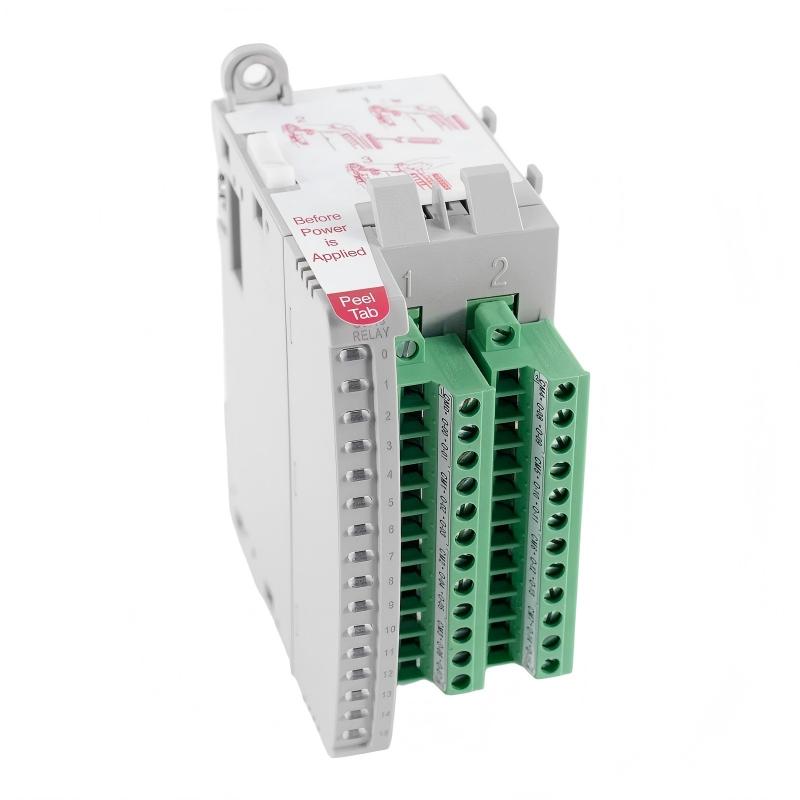
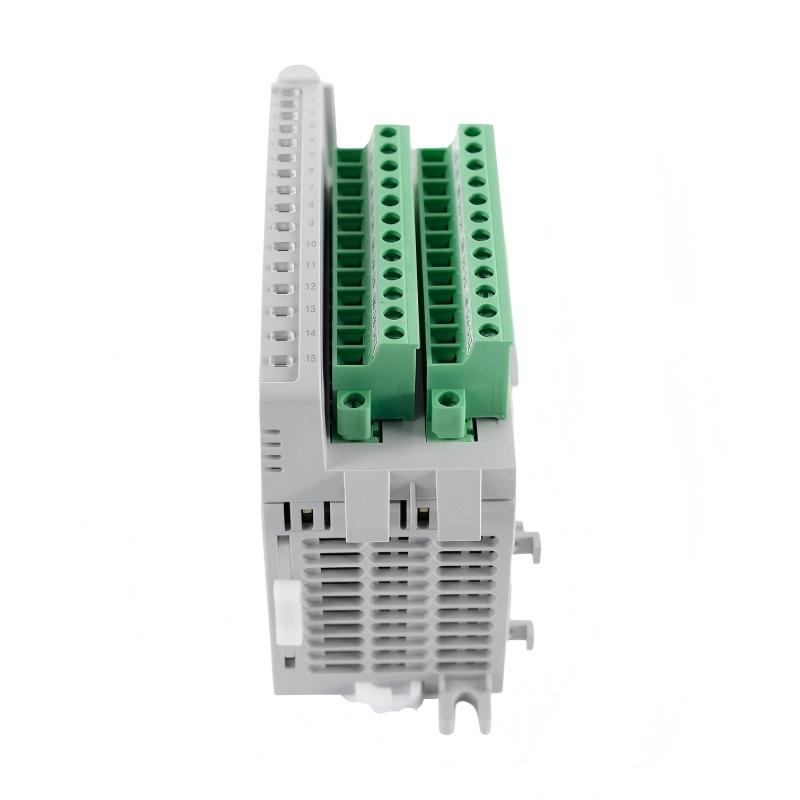
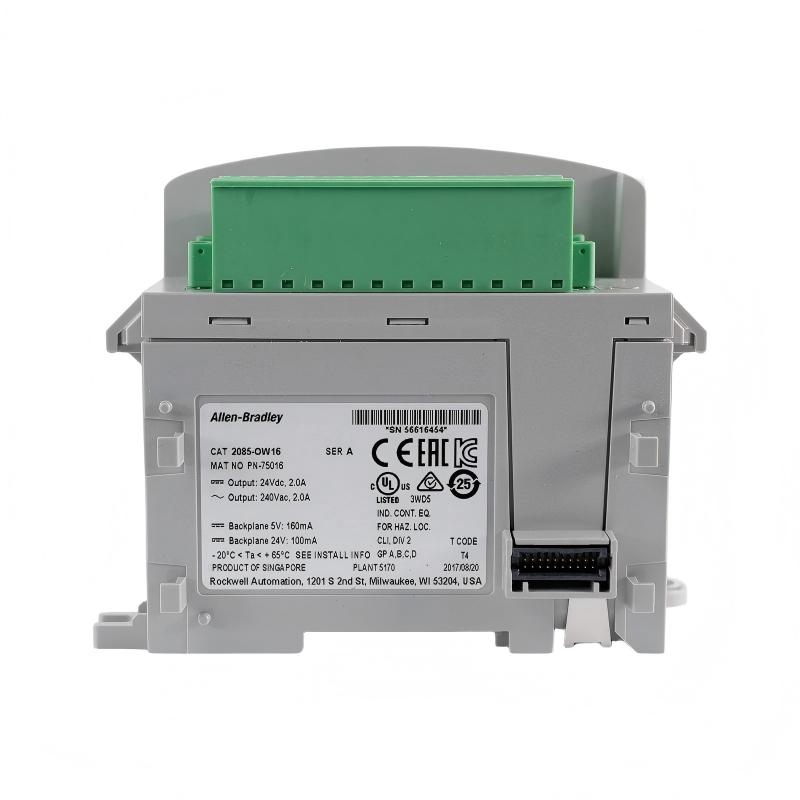
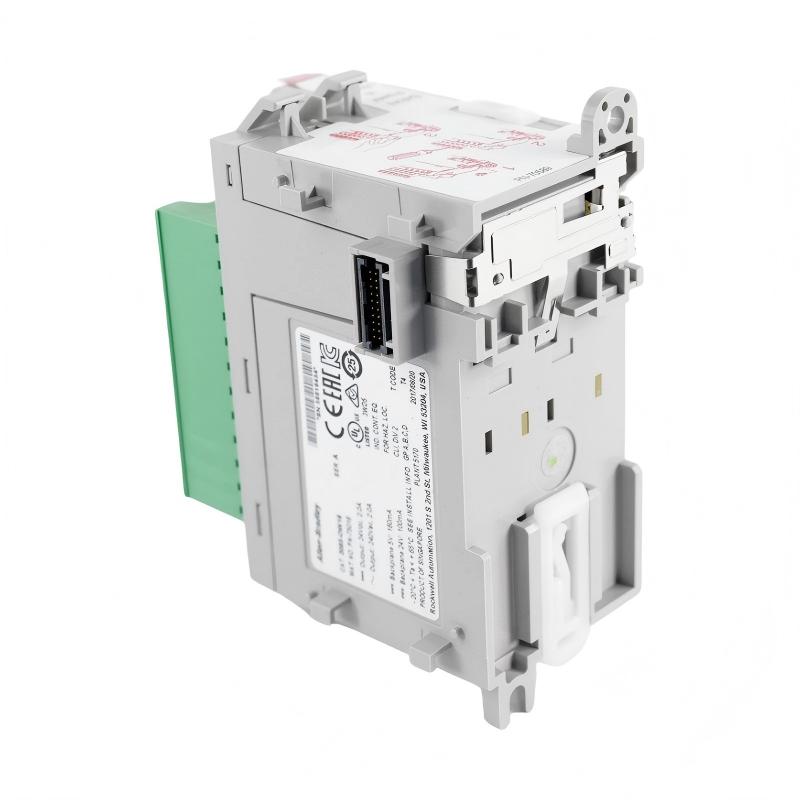
Allen Bradley 2085-OW16 Micro800 16-Point Relay Output Module
Allen Bradley 2085-OW16 Micro800 16-Point Relay Output Module
0.0
Points
Brand:Allen Bradley PLC Item No.:2085-OW16 Product Origin:USA Product Dimensions:90 x 44.5 x 87 mm Product Weight:0.22 kg Payment:T/T, Western Union, Credit Card Goods_stock:15 Shipping Port:Xiamen, China Lead Time:1-3 Days Condition:Brand New And Original Warranty:1 Year Certificate:COO
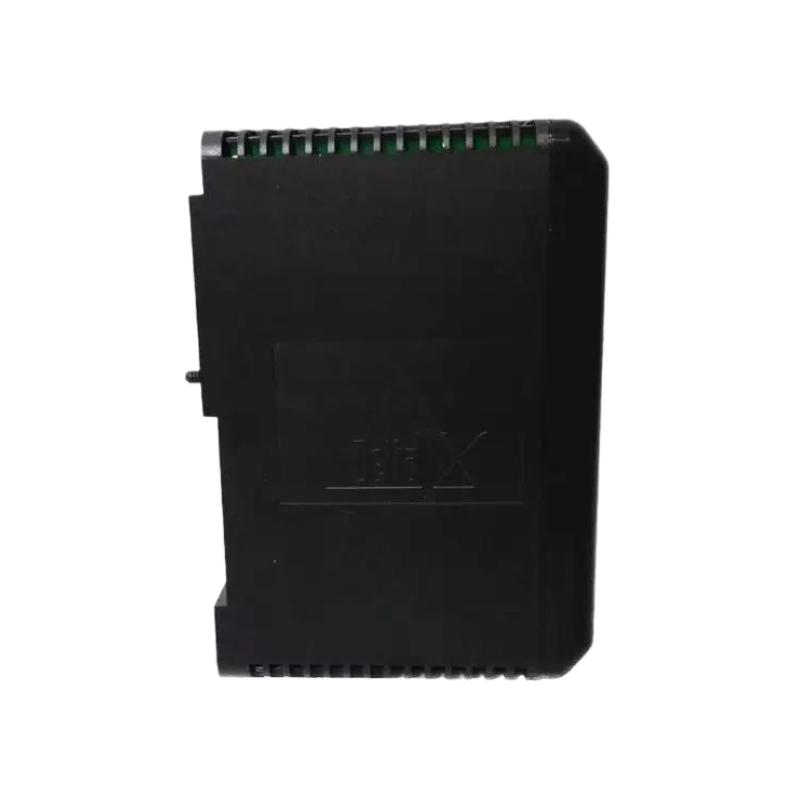
The Allen Bradley 2085-OW16 Micro800 16-Point Relay Output Module is a compact discrete-output solution for compatible Micro800 automation systems.
In a small machine, output capacity can become a limiting factor surprisingly quickly. A controller may initially have enough outputs for the basic machine sequence, but later modifications can introduce additional solenoid valves, contactors, alarms, indicator devices, or auxiliary mechanisms. Expanding the I/O system can be more practical than redesigning the entire controller architecture.
The 2085-OW16 addresses this requirement with 16 relay output points in a compact module.
Relay technology is useful when the application calls for flexible switching of appropriate discrete loads. Unlike a transistor output, a relay uses mechanical contacts, which can be advantageous for certain load types and electrical arrangements. At the same time, relay contacts have switching-life and load limitations, so the connected equipment must always be evaluated against the applicable electrical requirements.
Installation should begin by confirming that the Micro800 controller and system configuration support the module. The output addresses should then be planned before field wiring is completed. Clear labeling of every output point is strongly recommended, particularly when one module controls multiple machine functions.
During wiring, separate the control-system wiring from high-energy circuits where appropriate and ensure that connected loads remain within their permitted electrical characteristics. Inductive loads such as contactor coils and solenoids may require suitable suppression to reduce switching transients.
Commissioning is most effective when each output is tested individually. Command one output at a time, confirm that the controller recognizes the requested state, verify relay operation, and then check the physical response of the connected device.
If a commanded output does not operate, technicians should avoid immediately replacing the module. First confirm that the program is actually commanding the output. Then check addressing, controller status, field power, wiring, terminal connections, and the connected load.
An output that remains energized when the program commands it OFF requires a different diagnostic path. Check for forced states and programming conditions, then inspect the external circuit. If the controller status is correct but the physical contact remains closed, the relay contact itself may require further investigation.
For OEM machine builders, the 2085-OW16 offers a useful balance between output density and compact panel construction. Its 90 × 44.5 × 87 mm dimensions allow it to fit into space-conscious Micro800 control architectures, while its 0.22 kg (0.49 lb) weight keeps the overall assembly lightweight.
For replacement and spare-parts management, the complete catalog number 2085-OW16 should be recorded accurately. Matching the exact module designation is important when maintaining an existing Micro800 installation.
Technical Specifications
Parameter
Specification
Brand
Allen Bradley
Model
2085-OW16
Product Family
Micro800
Product Type
16-Point Relay Output Module
I/O Type
Relay Output
Number of Output Points
16
Application
Discrete Machine Control
Dimensions
90 × 44.5 × 87 mm
Weight
0.22 kg (0.49 lb)
Dimensions: 90 × 44.5 × 87 mm Weight: 0.22 kg (0.49 lb)
Before installation, verify controller compatibility, output electrical ratings, load characteristics, wiring requirements, protection measures, and applicable installation conditions.
Recommended Related Models
Model
Product Type
Application Relationship
2085-OW16
Micro800 16-Point Relay Output Module
Primary model
2085-OB16
Micro800 16-Point Digital Output Module
Related discrete output option
2085-IF8
Micro800 8-Channel Analog Input Module
Related I/O expansion
2085-OF4
Micro800 4-Channel Analog Output Module
Related I/O expansion
2085-IRT4
Micro800 4-Channel RTD/Resistance Input Module
Related specialty input module
The related modules provide different I/O functions and should not be treated as direct replacements for the 2085-OW16. Select the module according to the required signal type, load, controller compatibility, and application architecture.
Popular Related Models
Allen Bradley 2085-OB16 — Micro800 16-Point Digital Output Module
Allen Bradley 2085-IF8 — Micro800 8-Channel Analog Input Module
Allen Bradley 2085-OF4 — Micro800 4-Channel Analog Output Module
Allen Bradley 2085-IRT4 — Micro800 4-Channel RTD/Resistance Input Module
Allen Bradley 2085-IA8 — Micro800 8-Point AC Input Module
For replacement, expansion, or machine retrofit projects, verify the complete catalog number, Micro800 controller compatibility, output type, electrical load requirements, wiring configuration, and system addressing before commissioning.
Applications in Compact Control Systems
The Allen Bradley 2085-OW16 Micro800 16-Point Relay Output Module is designed to expand relay-based output capability in compatible Micro800 control systems. With 16 relay output points, it is well suited to compact machines that need to switch a variety of field devices without moving to a larger modular I/O platform.
Relay outputs are particularly useful where the controlled loads require flexible switching arrangements. In practical automation projects, the 2085-OW16 can support discrete devices such as contactors, pilot relays, solenoid valves, indicator equipment, and other suitable switched loads.
Common applications include:
Compact machine automation
Conveyor control
Packaging equipment
Pump and motor control
HVAC systems
Material-handling machinery
OEM control panels
Utility equipment
Lighting and signaling systems
Machine retrofit projects
For machine builders, the module provides a straightforward way to increase discrete output capacity while retaining the Micro800 control architecture.
Why Engineers Choose the 2085-OW16
16 relay output points
The module provides 16 discrete relay outputs, making it practical for machines with numerous switched devices.
Flexible load switching
Relay outputs can be useful when the application requires electrical isolation between the controller output circuitry and the connected field load, subject to the applicable electrical specifications.
Compact Micro800 expansion
The module extends the output capability of a compatible Micro800 system without requiring a large centralized I/O arrangement.
OEM-friendly design
Its compact format makes it attractive for machine manufacturers looking to keep control cabinets organized and efficient.
Straightforward troubleshooting
Discrete relay outputs make it relatively easy to trace the control path from the program through the output point and onward to the field device.
Suitable for mixed machine functions
Individual outputs can be assigned to different discrete functions, allowing one module to handle several machine-control requirements.
Efficient panel utilization
The supplied dimensions are 90 × 44.5 × 87 mm, providing 16 output points in a compact package.
Lightweight construction
The specified module weight is 0.22 kg (0.49 lb), helping minimize the mechanical load of compact control assemblies.
Technical FAQs
1. What is the Allen Bradley 2085-OW16 used for?
The 2085-OW16 is a 16-point relay output expansion module for compatible Micro800 control systems.
2. Why use relay outputs instead of transistor outputs?
Relay outputs can provide useful switching flexibility for suitable AC or DC loads. The correct output technology should be selected according to load characteristics, switching frequency, electrical requirements, and application conditions.
3. Can all 16 outputs switch loads simultaneously?
The actual allowable operating condition depends on the module's electrical ratings, load characteristics, environmental conditions, and applicable output derating requirements. The installation should remain within the specified limits.
4. What can cause a relay output to remain OFF?
Possible causes include incorrect program logic, an inactive controller condition, incorrect output addressing, wiring problems, insufficient field power, or a problem with the connected load.
5. What should be checked when an output remains ON?
Check the user program, output status, controller mode, forced states if applicable, field wiring, and the connected device. A failed or welded relay contact should also be considered when appropriate.
6. How can an intermittent output fault be diagnosed?
Compare the commanded output state with the physical relay behavior and field-device response. Inspect wiring and terminals, then determine whether the problem follows the output point or remains with the external load circuit.
7. Can a relay output directly control a motor?
A relay output should not be assumed to directly switch a motor unless the motor circuit falls within the applicable output ratings and switching requirements. In many machine applications, an intermediate contactor or relay is more appropriate.
8. What is important when connecting inductive loads?
Inductive loads can generate switching transients. Appropriate suppression and load-protection methods should be considered according to the connected device and electrical design.
9. How should an output channel be tested during commissioning?
Place the machine in a safe commissioning state, command the selected output, verify the controller status, check the relay action, and confirm the expected field-device response.
10. What should be checked before replacing the module?
Verify controller compatibility, output addressing, program logic, field wiring, load power, terminal connections, and the behavior of the affected channel. This helps distinguish a module fault from an external problem.