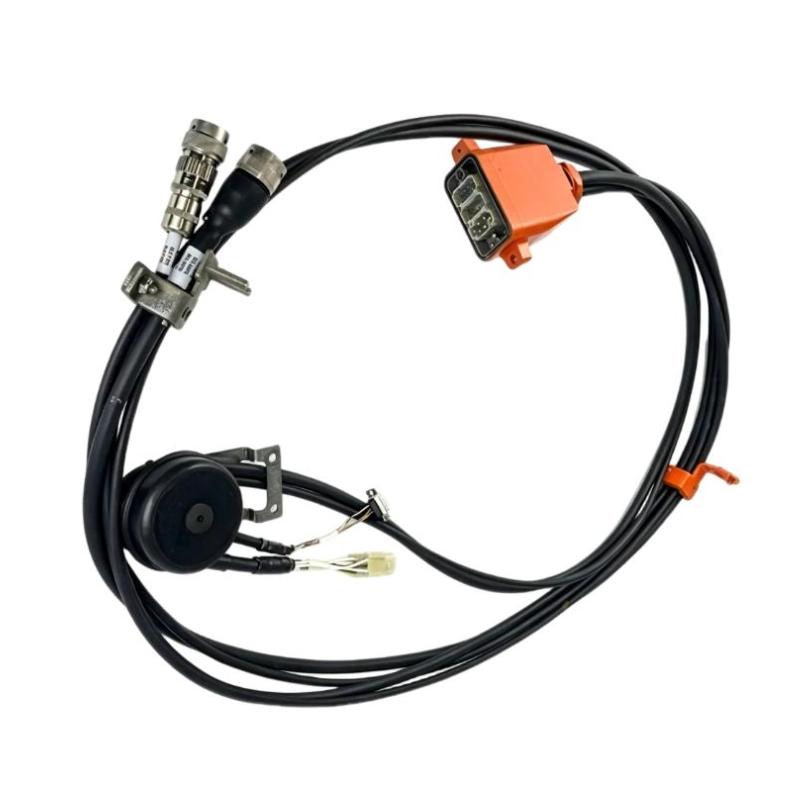
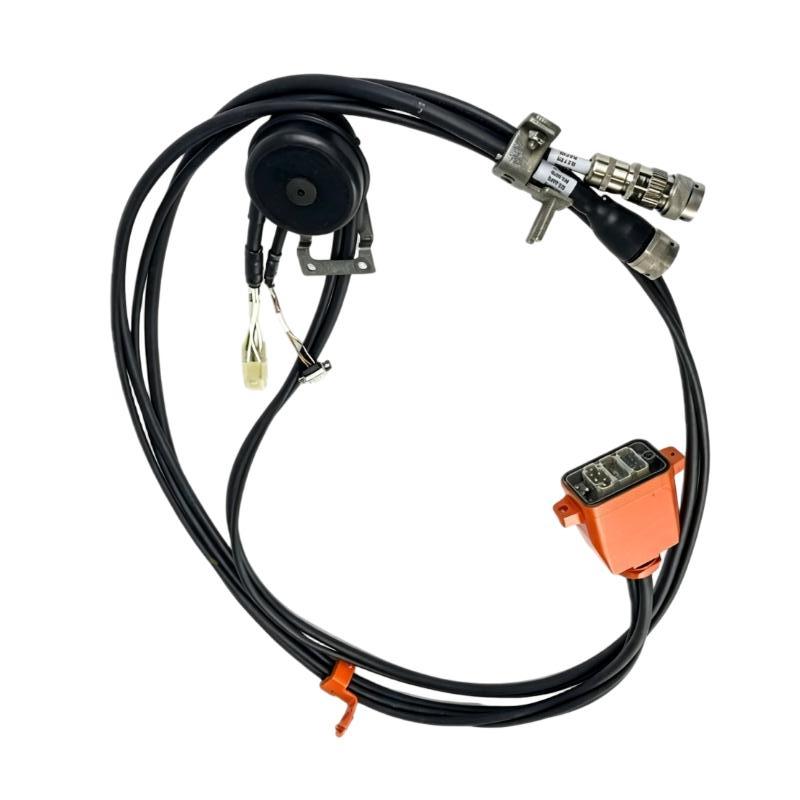
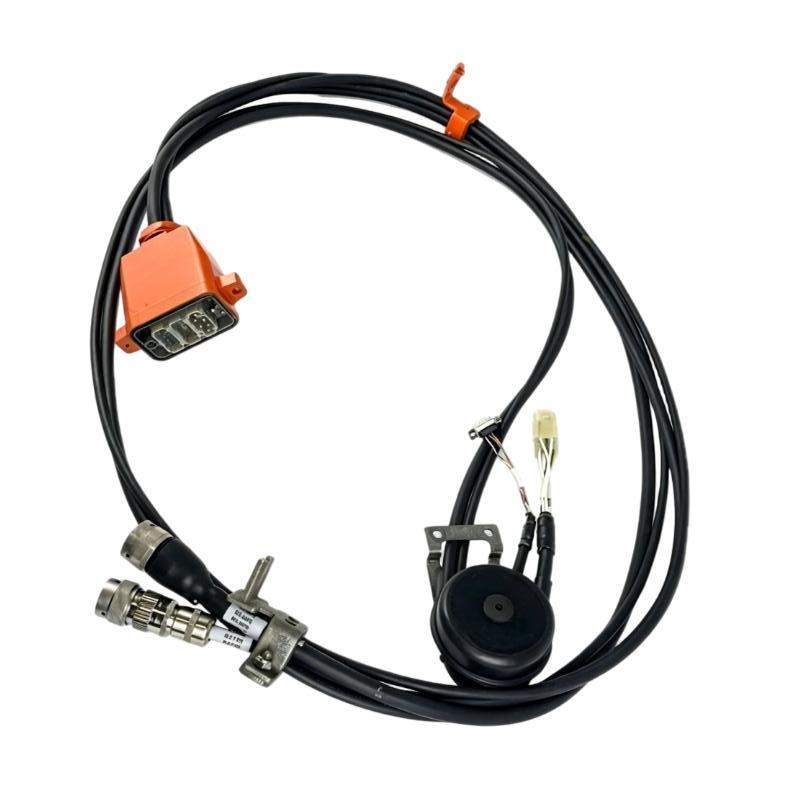
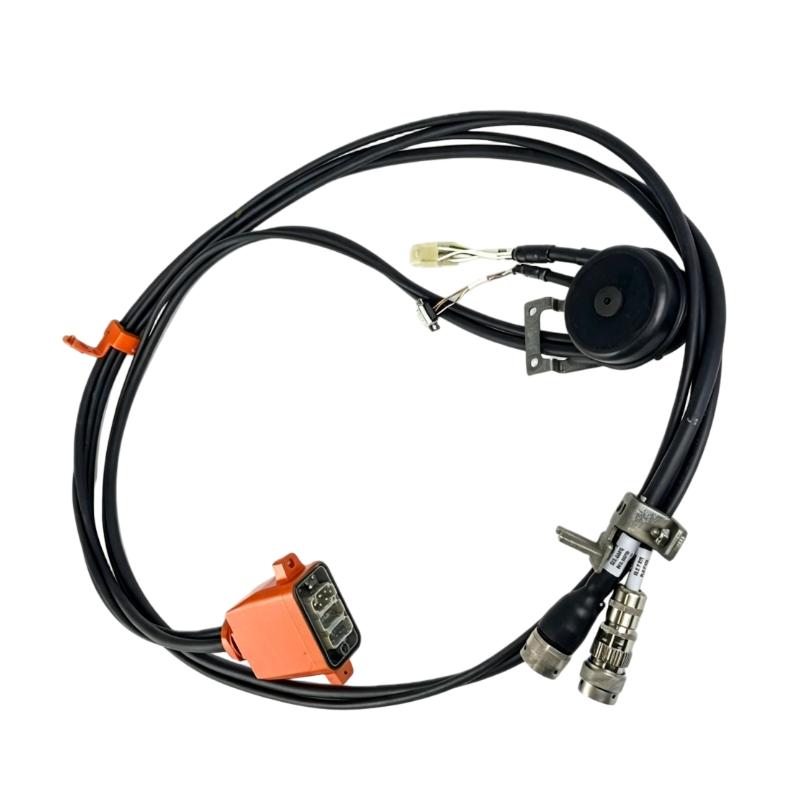
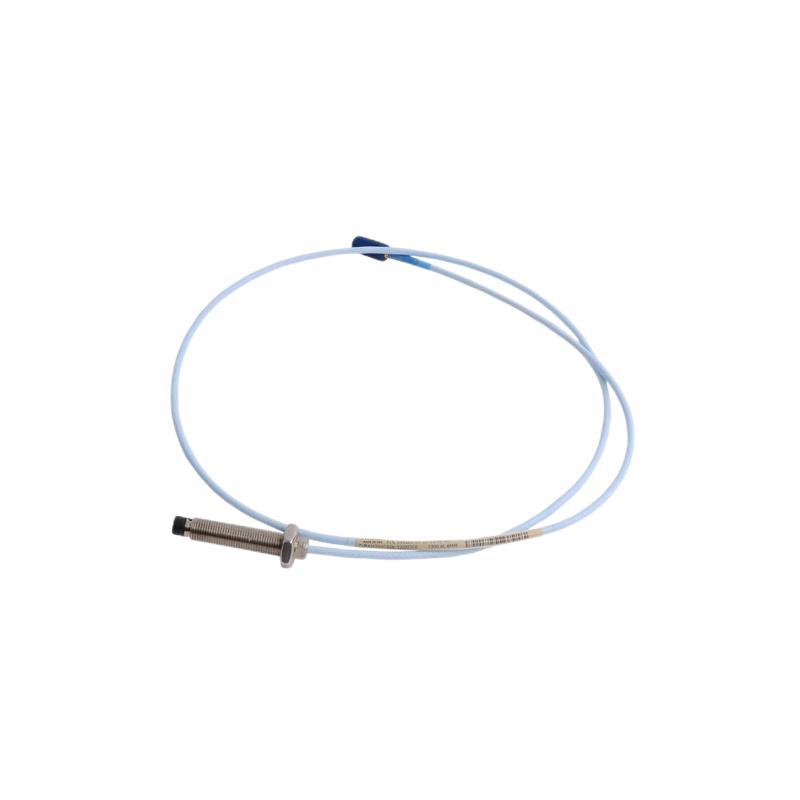
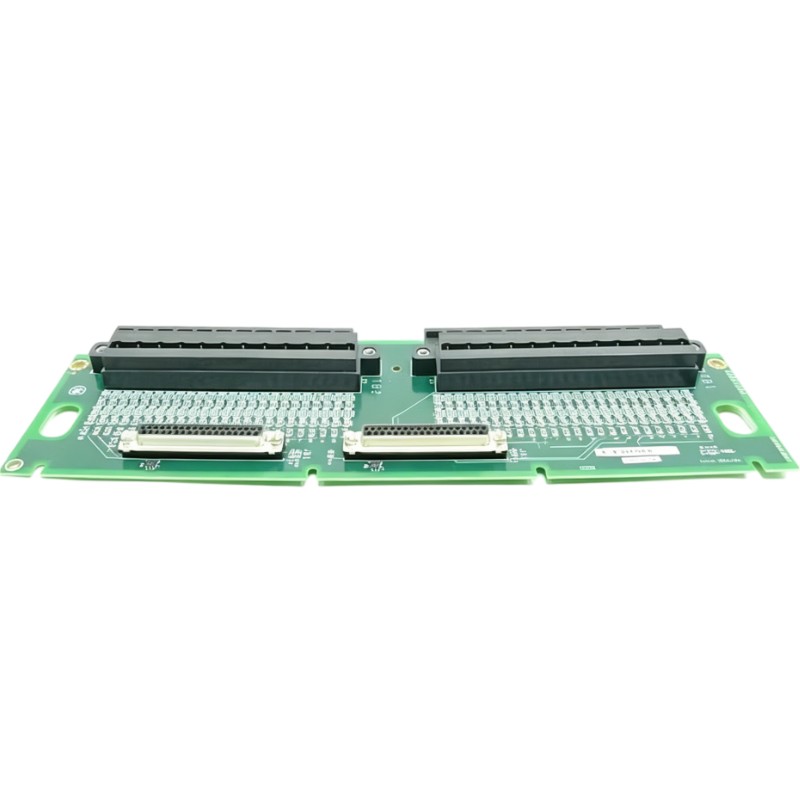
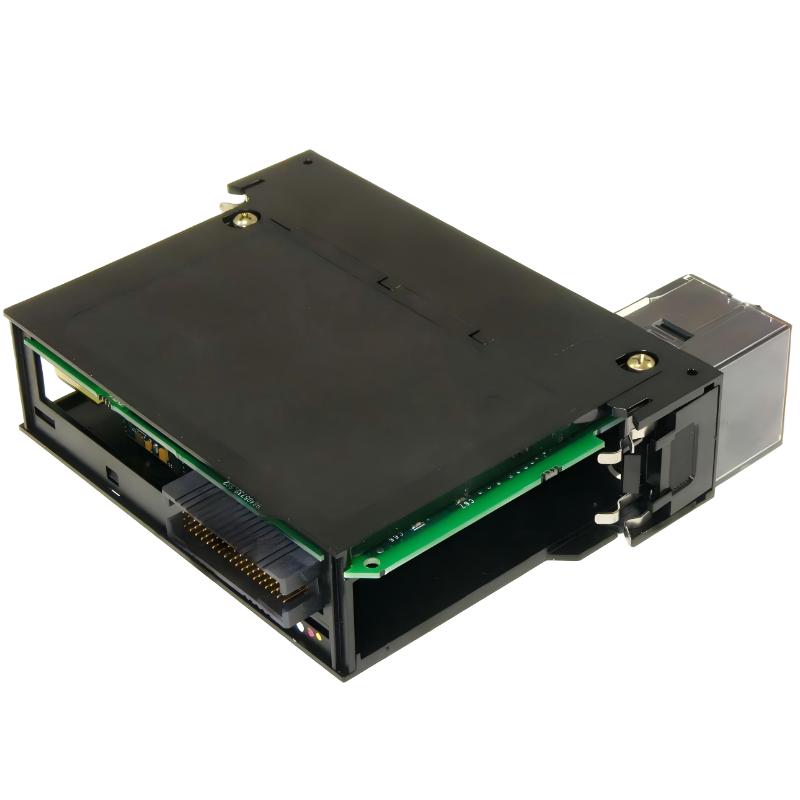
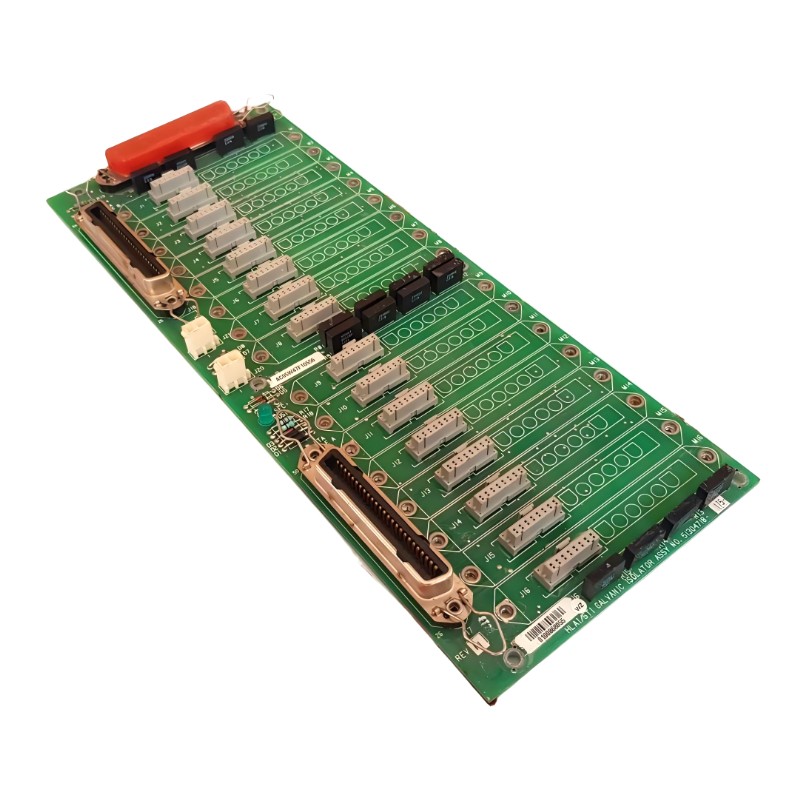
Brand:ABB PLC Item No.:3HAC14140-1 Product Origin:Sweden (SE) Product Dimensions:Cable Length: Optional Product Weight:Shipping Weight: 3 kg Payment:T/T, Western Union, Credit Card Goods_stock:15 Shipping Port:Xiamen, China Lead Time:1-3 Days Condition:Brand New And Original Warranty:1 Year Certificate:COO
The ABB 3HAC14140-1 Robotic Arm Wiring Harness is an important electrical infrastructure component within a robotic system. Unlike a controller or drive, the harness does not process information or control an axis directly. Its role is to provide dependable electrical pathways between the robot's moving assemblies and the associated control equipment.
This role becomes especially important because robot arms operate through repeated mechanical movement. During normal production, cables may experience thousands of movement cycles as the robot accelerates, changes direction, and moves through its programmed working envelope. Over time, this mechanical activity can contribute to conductor fatigue, insulation wear, connector deterioration, or damage caused by incorrect cable routing.
A complete replacement harness can therefore be an efficient maintenance solution when an existing cable assembly has reached the end of its service life. Instead of identifying and repairing individual conductors, maintenance personnel can restore the intended wiring arrangement using the appropriate harness assembly.
The 3HAC14140-1 is particularly relevant to plants maintaining established ABB robotic equipment. For these systems, retaining the original wiring architecture can make future troubleshooting easier and reduce uncertainty during maintenance.
The optional cable-length specification should also be considered during procurement. The correct length needs to accommodate the robot's complete movement range without creating excessive slack, tension, or sharp bending points.
For industrial automation buyers, accurate identification of the complete part number is essential. The ABB 3HAC14140-1 should be matched to the specific robot assembly before installation rather than selected solely according to connector appearance or cable dimensions.
Technical Specifications
Parameter
Specification
Brand
ABB
Part Number
3HAC14140-1
Product Type
Robotic Arm Wiring Harness
Component Category
Robot Cable Assembly
Application
ABB Industrial Robot Systems
Primary Function
Electrical Interconnection
Installation
Robotic Arm / Moving Assembly
Cable Length
Optional
Cable Configuration
Application-dependent
Dimensions
Cable dimensions depend on selected configuration
Shipping Weight
3.00 kg (6.61 lb)
Component Type
Passive Wiring Assembly
Application Environment
Industrial Automation
Maintenance Use
Replacement / Service
The supplied 3 kg shipping weight is expressed as 3.00 kg (6.61 lb). Because the cable length is optional, a fixed overall cable dimension cannot be stated accurately without specifying the selected configuration.
For procurement purposes, cable length and connector configuration should be confirmed before placing an order. Using an incorrect length can create unnecessary cable loops or excessive mechanical tension during robot movement.
Recommended Related ABB Models
Model
Product Description
Relationship
ABB 3HAC14139-1
Robot Wiring Harness
Related robotic cable assembly
ABB 3HAC14141-1
Robot Wiring Harness
Related harness configuration
ABB 3HAC021697-001
Connecting Cable
Related ABB cable component
ABB 3HAC021697-002
Connecting Cable
Related connection assembly
ABB 3HAC025917-001
FlexPendant
Related robot operator interface
ABB 3HAC044168-001
FlexPendant
Related robot control interface
Related cable assemblies should not be treated as automatic substitutes. The exact robot model, arm configuration, connector arrangement, and required cable routing must be verified before selecting an alternative.
Popular Related Models for ABB Robot Maintenance
Model
Product Description
Typical Application
ABB 3HAC14140-1
Robotic Arm Wiring Harness
Robot arm electrical connections
ABB 3HAC14139-1
Robot Wiring Harness
Robotic system maintenance
ABB 3HAC14141-1
Robot Wiring Harness
Robot cable replacement
ABB 3HAC021697-001
Connecting Cable
ABB equipment interconnection
ABB 3HAC021697-002
Connecting Cable
Industrial automation connections
ABB 3HAC025917-001
FlexPendant
Robot programming and operation
ABB 3HAC044168-001
FlexPendant
Robot control and maintenance
The ABB 3HAC14140-1 Robotic Arm Wiring Harness provides a practical replacement solution for compatible ABB robot systems where reliable cable routing and electrical connectivity are essential. Its optional cable-length configuration makes correct application matching especially important, while the complete part number provides a clear reference for maintenance, inventory management, and industrial spare-parts procurement.
Applications and Robotic System Integration
The ABB 3HAC14140-1 Robotic Arm Wiring Harness is a dedicated wiring assembly intended for use within compatible ABB industrial robot systems. A robot arm wiring harness provides the organized electrical pathways required to connect components mounted on or around the robot's mechanical structure with the relevant controller, drive, feedback, and auxiliary circuits.
Robotic wiring is exposed to conditions that are considerably more demanding than those found in stationary control cabinets. Continuous axis movement, vibration, repeated bending, acceleration, cable-chain movement, and contact with surrounding equipment can place considerable mechanical stress on the harness. A properly matched replacement harness helps maintain the original routing and connection arrangement of the robot.
The 3HAC14140-1 is particularly relevant to:
ABB industrial robot maintenance
Robotic arm wiring replacement
Robot controller service
Production-line refurbishment
Automotive automation systems
Material-handling robots
Robotic welding cells
Machine-tending applications
Preventive maintenance programs
Legacy ABB robot restoration
Because the cable length is specified as optional, the required configuration should be confirmed against the particular robot installation before ordering.
Key Benefits for Robot Maintenance
Designed for robotic cable applications
The 3HAC14140-1 is a dedicated ABB robotic wiring harness rather than a generic industrial cable. This makes correct part-number identification important when restoring an existing robot.
Organized multi-circuit wiring
A wiring harness combines the required conductors and connections into an organized assembly, helping simplify installation compared with rebuilding individual cables and wires in the field.
Supports reliable robot operation
A healthy wiring harness is essential for maintaining stable electrical connections between moving robot components and the rest of the control system.
Suitable for replacement work
Robot cables can deteriorate through repeated movement and mechanical stress. Replacing the complete harness can be more reliable than attempting to repair individual damaged conductors.
Adaptable cable-length configuration
The cable length is specified as optional, providing flexibility when matching the harness to the particular robot configuration and routing requirements.
Reduces maintenance complexity
Using a correctly identified harness can shorten installation time and reduce the possibility of wiring errors caused by manually recreating complex cable connections.
Useful for long-service ABB robots
Industrial robots often operate for many years. Replacement wiring harnesses are therefore important maintenance components for plants seeking to keep established robotic production equipment running reliably.
Technical FAQs: Robotic Arm Wiring Harness
1. What is the ABB 3HAC14140-1 used for?
The 3HAC14140-1 is a robotic arm wiring harness used to provide organized electrical connections within compatible ABB industrial robot equipment.
2. Why is a dedicated robot wiring harness important?
Robot wiring must accommodate both electrical requirements and mechanical movement. A dedicated harness is designed around the relevant robot assembly and helps maintain appropriate routing and connection arrangements.
3. Is the 3HAC14140-1 a communication module?
No. It is a passive wiring assembly. It does not contain a PLC processor, communication controller, drive electronics, or other active electronic circuitry.
4. Is the cable length fixed?
The supplied specification identifies the cable length as optional. The required length should be confirmed according to the specific robot configuration and installation arrangement.
5. What can cause a robot wiring harness to fail?
Common causes include repeated flexing, excessive bending, vibration, mechanical abrasion, improper routing, connector damage, contamination, heat exposure, and accidental crushing or pulling.
6. What symptoms may indicate a damaged robot harness?
Possible symptoms include intermittent axis faults, encoder or feedback errors, communication interruptions, unexpected robot alarms, loss of signals, or faults that appear only when the robot arm reaches certain positions.
7. Why can harness faults be intermittent?
A conductor may remain electrically connected when the robot is stationary but open or develop increased resistance when the cable is bent or moved. This can make wiring faults particularly difficult to diagnose.
8. How should a suspected wiring harness fault be investigated?
Inspect the harness routing and connector areas first. Look for damaged insulation, sharp bends, abrasion, loose connections, or unusual deformation. Appropriate continuity, insulation, and signal tests can then be performed with the robot safely isolated.
9. Can a generic industrial cable replace the 3HAC14140-1?
A generic cable should not automatically be considered an equivalent replacement. Conductor configuration, connector arrangement, shielding, flexibility, bending characteristics, electrical ratings, and mechanical routing requirements all need to match.
10. Does replacing a wiring harness require robot calibration?
Replacing a cable harness normally does not alter the robot's mechanical geometry. However, after installation, all affected connections and robot functions should be tested, and any relevant feedback or calibration-related functions should be verified according to the robot maintenance procedure.