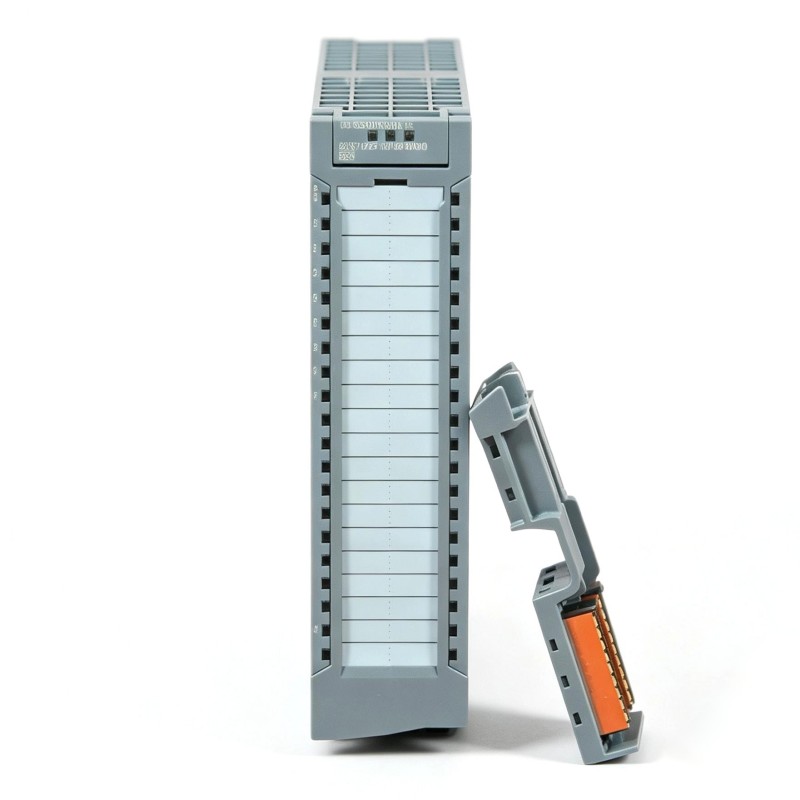
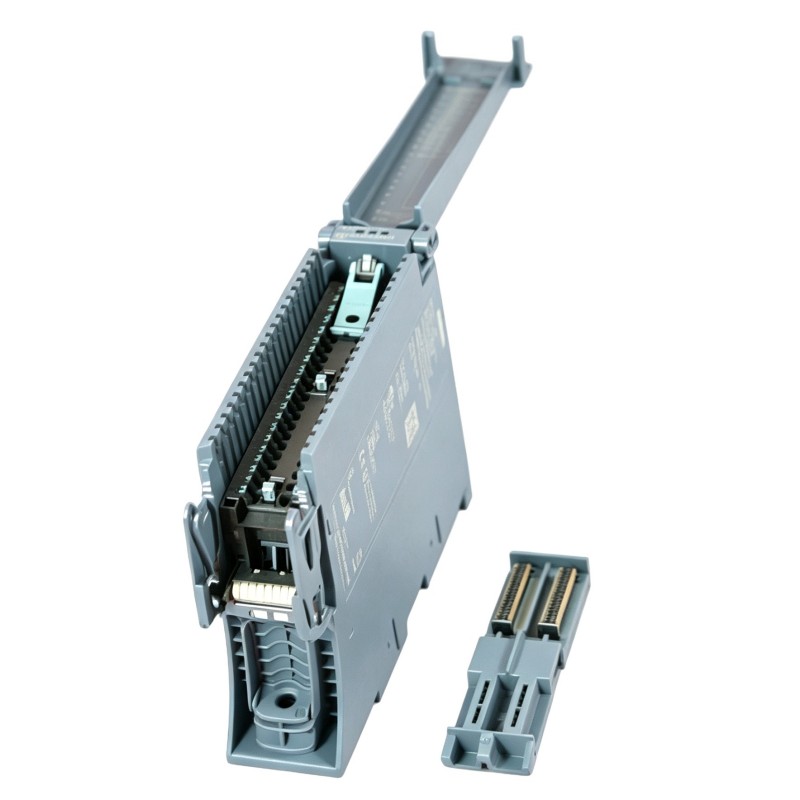
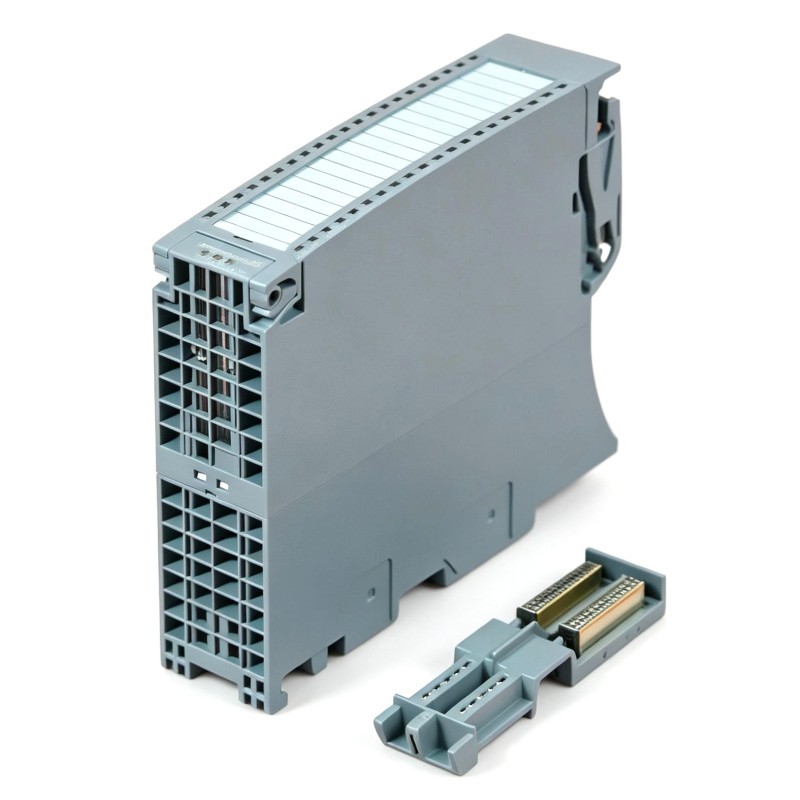
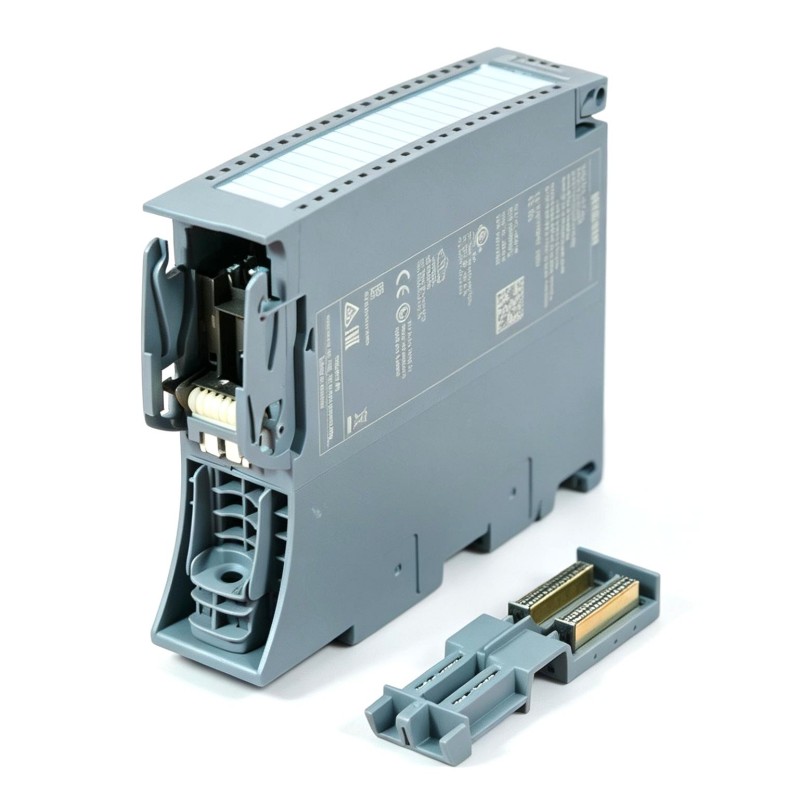
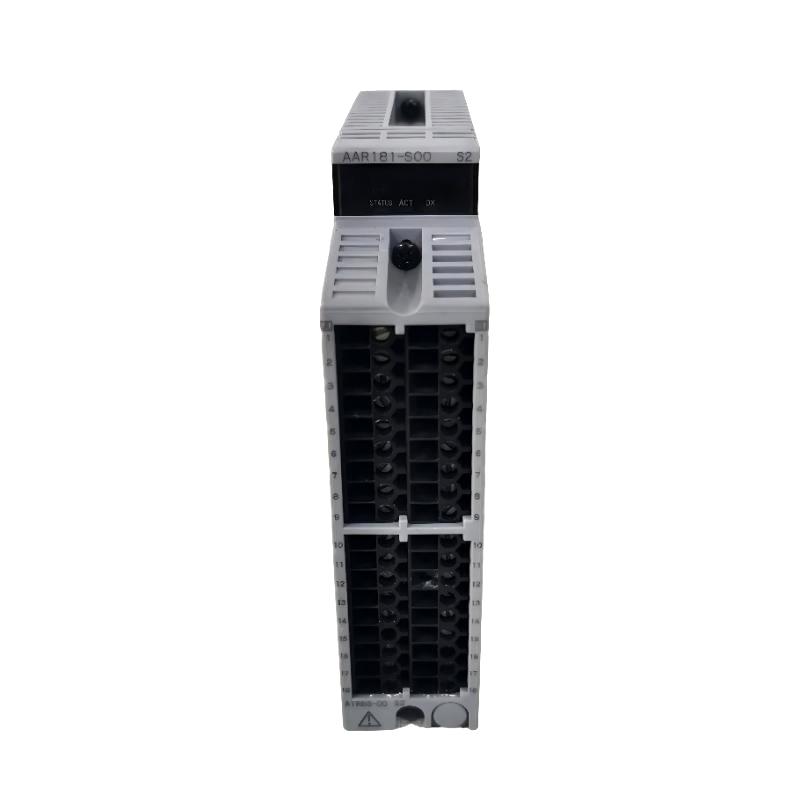
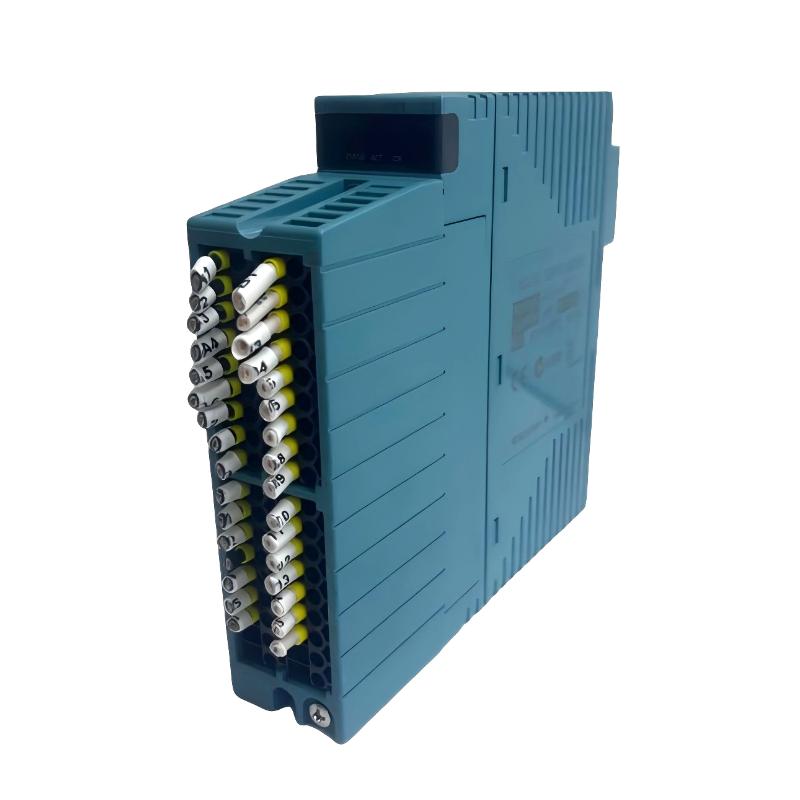
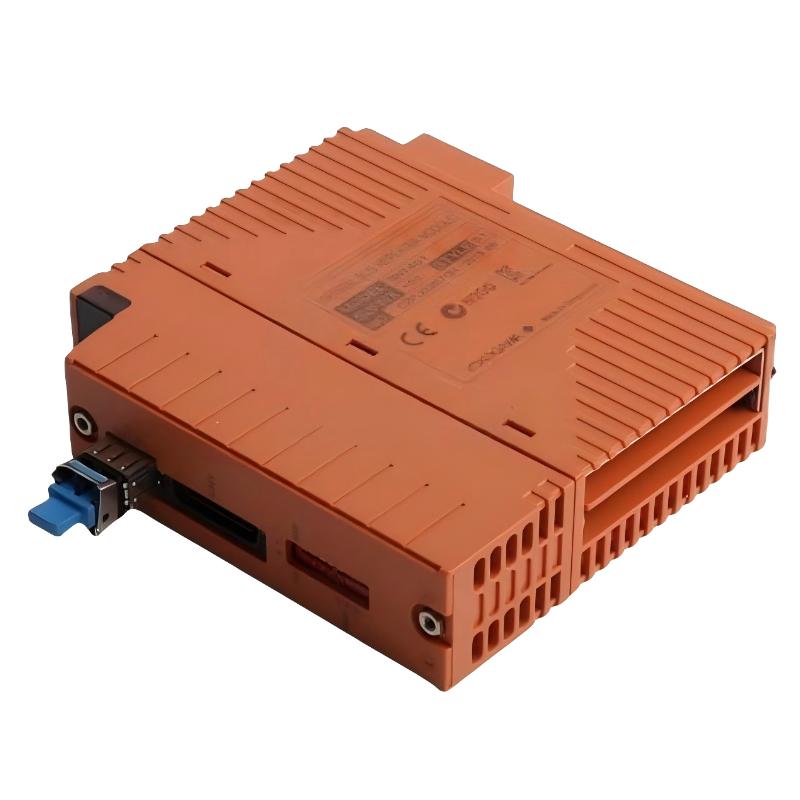
Brand:Siemens Item No.:6AG1522-1BF00-7AB0 Product Origin:Germany Product Dimensions:35 × 147 × 129 mm Product Weight:0.285 kg Payment:T/T, Western Union, Credit Card Goods_stock:15 Shipping Port:Xiamen, China Lead Time:1-3 Days Condition:Brand New And Original Warranty:1 Year Certificate:COO
The Siemens 6AG1522-1BF00-7AB0 Digital Output Module provides a dedicated interface for controlling discrete field devices in industrial automation systems. It receives commands from the PLC and transfers the corresponding output states to connected actuators and equipment.
Digital outputs are an essential part of machine and process control. Depending on the application, a PLC may need to switch valves, relays, contactors, indicators, or other binary devices according to programmed operating sequences. A dedicated output module provides an organized connection between the controller and these field-level loads.
The 6AG1522-1BF00-7AB0 can be incorporated into a modular Siemens automation architecture alongside compatible CPUs, digital input modules, communication equipment, and other I/O components. This allows system designers to separate input and output functions while maintaining a structured PLC installation.
For installation, replacement, or system expansion, engineers should verify the electrical characteristics of the connected loads, output configuration, wiring, PLC addressing, and complete system architecture before commissioning.
Technical Specifications
Specification
Details
Brand
Siemens
Model
6AG1522-1BF00-7AB0
Product Type
Digital Output Module
Product Family
Siemens SIPLUS / S7-1500
Application
Industrial digital signal control
Installation
Industrial control cabinet
Dimensions
35 × 147 × 129 mm
Weight
0.285 kg (0.63 lb)
Recommended Related Models
Model
Product Type
6AG1521-1BH00-7AB0
Digital Input Module
6AG1521-1BH50-7AA0
Digital Input Module
6AG1521-1BL00-7AB0
Digital Input Module
6AG1521-1FH00-7AA0
Digital Input Module
6AG1521-7EH00-7AB0
Digital Input Module
Popular Related Models
Model
Product Type
6AG1516-3AN02-2AB0
Central Processing Unit
6AG1517-3HP00-4AB0
Central Processing Unit
6AG1518-4AP00-4AB0
Central Processing Unit
6AG1518-4AX00-4AC0
Central Processing Unit
6AG1518-4FP00-4AB0
Central Processing Unit
Applications
The Siemens 6AG1522-1BF00-7AB0 Digital Output Module is designed for industrial automation systems that need reliable control of discrete field devices. It provides an interface between the PLC and compatible actuators, relays, contactors, indicators, valves, and other binary output devices.
Typical applications include:
Machine actuator control
Production-line automation
Solenoid and valve control
Relay and contactor switching
Motor control signals
Conveyor and material-handling systems
Stack lights and status indicators
Industrial equipment sequencing
The module allows the PLC to convert application logic into discrete output signals, enabling connected field devices to respond to machine and process conditions.
Advantages
Reliable digital output control
The 6AG1522-1BF00-7AB0 provides a dedicated interface for controlling discrete field devices, supporting consistent execution of PLC commands at the equipment level.
Efficient PLC integration
The module can be integrated into a compatible Siemens automation architecture, allowing output states to be controlled directly through the PLC application program.
Suitable for machine control
Digital outputs are widely used for controlling solenoids, relays, contactors, indicators, valves, and other devices that require discrete switching signals.
Compact modular design
Its 35 × 147 × 129 mm dimensions allow the module to be incorporated into organized industrial control cabinets alongside compatible Siemens automation components.
Industrial-oriented construction
As part of the Siemens 6AG SIPLUS product family, the module is intended for industrial applications where environmental robustness and dependable operation are important considerations.
Technical FAQs
1. What is the Siemens 6AG1522-1BF00-7AB0?
The 6AG1522-1BF00-7AB0 is a Siemens Digital Output Module designed to provide discrete control signals to compatible industrial field devices.
2. What devices can typically be controlled through a digital output module?
Typical applications include relays, contactors, solenoid valves, indicators, signal lamps, and other compatible binary actuators.
3. What is the role of the module in a PLC system?
The module receives output commands from the PLC and converts them into appropriate discrete output states for connected field devices.
4. Can the module be used to control valves?
Digital output modules are commonly used to control compatible solenoid-operated valves and similar discrete actuators, provided the electrical requirements of the field device match the output circuit.
5. What should be checked before connecting a field device?
Verify the output specifications, load requirements, wiring, terminal assignment, supply conditions, polarity where applicable, and protection requirements before connecting the device.
6. Why might a connected actuator fail to operate?
Possible causes include incorrect wiring, missing power, an incorrectly configured output address, excessive load, an unsuitable electrical characteristic, a protection device issue, or a problem with the field actuator.
7. How can an intermittent output problem be diagnosed?
Monitor the PLC output status while the control command is active and inspect the field wiring, terminals, power supply, load, and protection components. The controller and module diagnostics should also be reviewed.
8. Can this module be integrated with a modular Siemens PLC system?
Yes. It can be incorporated into a compatible Siemens automation architecture together with a CPU, input modules, communication components, and other system hardware.
9. What should be verified when replacing the output module?
Confirm the exact model, hardware compatibility, output configuration, field wiring, PLC output assignments, project configuration, and applicable firmware or system requirements.
10. How should digital outputs be tested during commissioning?
Test each configured output individually under controlled conditions. Confirm that the PLC command produces the expected output state and that the connected field device responds correctly without abnormal electrical or mechanical behavior.