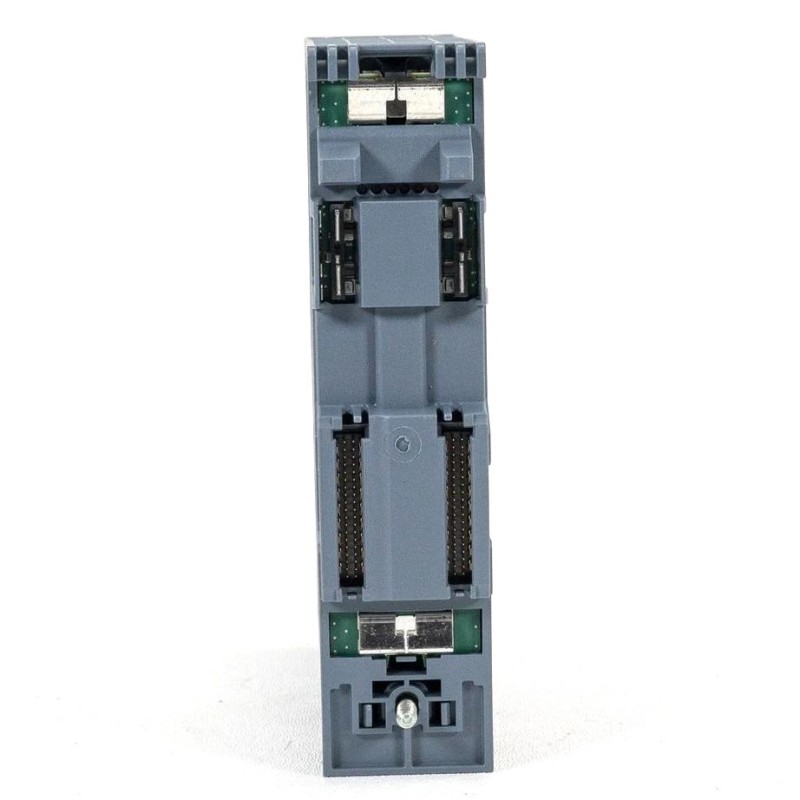
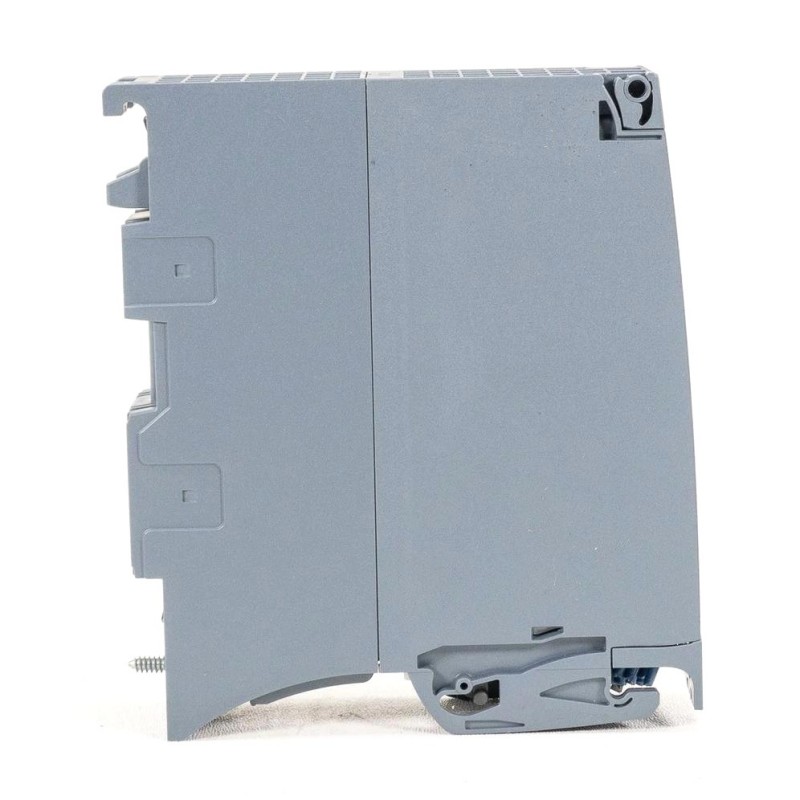
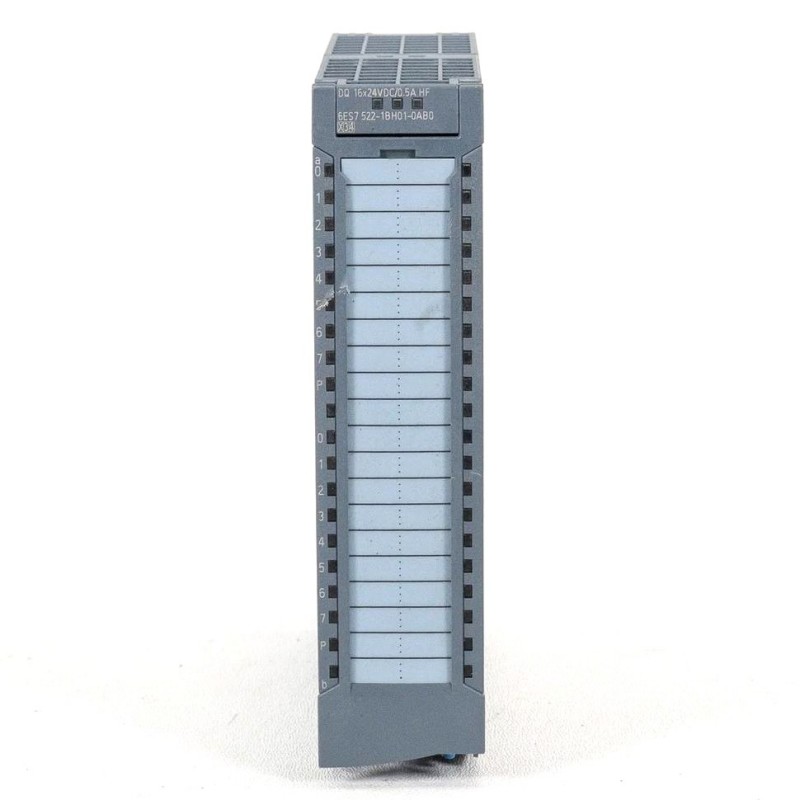
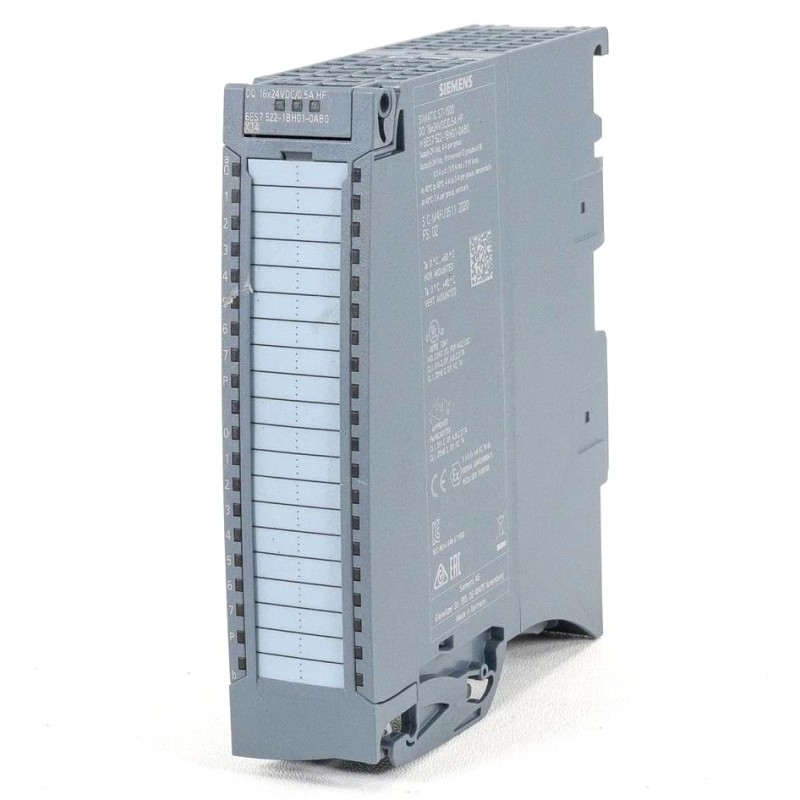
Brand:Siemens Item No.:6AG4010-6AC21-0DX5 Product Origin: Germany Product Dimensions:605 × 177 × 483 mm Product Weight:17.2 kg Payment:T/T, Western Union, Credit Card Goods_stock:15 Shipping Port:Xiamen, China Lead Time:1-3 Days Condition:Brand New And Original Warranty:1 Year Certificate:COO
The Siemens 6AG4010-6AC21-0DX5 is an industrial computing platform intended for automation environments where reliable PC-based processing is part of the overall control architecture. It can provide the computing resources required for visualization, supervisory applications, engineering tasks, production information, and communication with automation equipment.
In a production system, the industrial PC can complement PLC-based control by handling functions that require a more flexible computing environment. Operators can use it for process visualization and monitoring, while engineers can use the same platform for configuration, diagnostics, and maintenance applications.
The 6AG4010-6AC21-0DX5 can also be considered in modernization projects where an older industrial computer needs to be replaced without redesigning the complete automation system. Before installation, the existing software, interfaces, network structure, cabinet arrangement, and application requirements should be checked carefully to ensure a smooth transition.
Technical Specifications
Specification
Details
Product type
Industrial PC
Manufacturer
Siemens
MLFB / Order Number
6AG4010-6AC21-0DX5
Product family
SIMATIC IPC
Primary application
Industrial automation computing
Typical functions
HMI, SCADA, visualization, engineering, supervisory control
Computer architecture
Industrial x86 PC platform
Network integration
Ethernet-based industrial communication
Software environment
Industrial Windows-based applications, depending on configuration
Siemens automation and industrial communication environments
Maintenance
Industrial diagnostics and service procedures
Recommended Companion Models
Model
Product Name
6AG4010-6AC21-0AX5
Siemens SIMATIC IPC Industrial PC
6AG4010-6AC21-0FX5
Siemens SIMATIC IPC Industrial PC
6AG4010-6AC21-0XX5
Siemens SIMATIC IPC Industrial PC
6AG4010-6AC20-0DX5
Siemens SIMATIC IPC Industrial PC
Frequently Selected Alternatives
Model
Product Name
6AG4010-6AB51-0DX5
Siemens SIMATIC IPC Industrial PC
6AG4010-6AB50-0DX5
Siemens SIMATIC IPC Industrial PC
6AG4010-6AB41-0DX5
Siemens SIMATIC IPC Industrial PC
6AG4010-6AB40-0DX5
Siemens SIMATIC IPC Industrial PC
Where It Excels in Industrial Use
• Industrial automation installations requiring a dedicated PC platform for visualization, supervisory control, engineering, and production information.
• Machine-building projects where centralized computing must work alongside PLCs, operator interfaces, drives, and industrial networks.
• Manufacturing environments that require continuous access to process information, diagnostics, and engineering applications.
• Control cabinets and industrial workstations where dependable construction and long-term maintainability are key considerations.
• Modernization projects where existing automation software and communication structures need to be supported by an industrial computing platform.
Key Strengths at a Glance
• Designed for industrial automation applications rather than conventional office computing.
• Suitable for HMI, SCADA, visualization, engineering, and supervisory-control workloads.
• Provides a practical computing layer between automation controllers and higher-level production applications.
• Supports integration into Siemens-oriented automation architectures through suitable communication interfaces and software.
• Well suited to installations requiring extended operating periods and structured maintenance.
• Can support both new system designs and replacement projects following a complete compatibility assessment.
Technical FAQs
1. What is the Siemens 6AG4010-6AC21-0DX5 used for?
The 6AG4010-6AC21-0DX5 is intended for industrial PC applications such as HMI, SCADA, visualization, engineering, supervisory control, and industrial data processing.
2. Can this model be connected to Siemens PLC systems?
Yes, it can be connected to compatible Siemens PLC systems through supported Ethernet communication interfaces and appropriate automation software.
3. Can the 6AG4010-6AC21-0DX5 operate as a SCADA computer?
Yes, it can provide the computing platform for SCADA applications when the installed hardware and operating-system configuration satisfy the software requirements.
4. Can it be used as an engineering workstation?
Yes, it can be configured as an engineering workstation for compatible Siemens and third-party industrial engineering applications.
5. What role does this industrial PC typically play in an automation architecture?
It typically provides higher-level computing functions such as visualization, operator interaction, engineering, data processing, and supervisory monitoring above the PLC control layer.
6. What should be considered when connecting it to an industrial network?
The network design should consider IP addressing, PLC communication, engineering access, plant-network segmentation, bandwidth, redundancy requirements, and industrial cybersecurity practices.
7. Can this PC be integrated into an existing control cabinet?
Yes, it can be integrated when the cabinet provides sufficient mounting space, ventilation, power capacity, cable clearance, and suitable environmental conditions.
8. What software compatibility checks should be completed before commissioning?
The operating system, application versions, communication drivers, licenses, storage requirements, and compatibility with the existing automation project should all be verified before commissioning.
9. Is this model suitable for industrial PC replacement projects?
It can be suitable for replacement projects when its hardware, interfaces, software environment, mounting arrangement, and performance are compatible with the equipment being replaced.
10. What maintenance practices are recommended for long-term operation?
Recommended practices include maintaining current system backups, monitoring storage and hardware condition, controlling software updates, checking network communication, and documenting configuration changes.