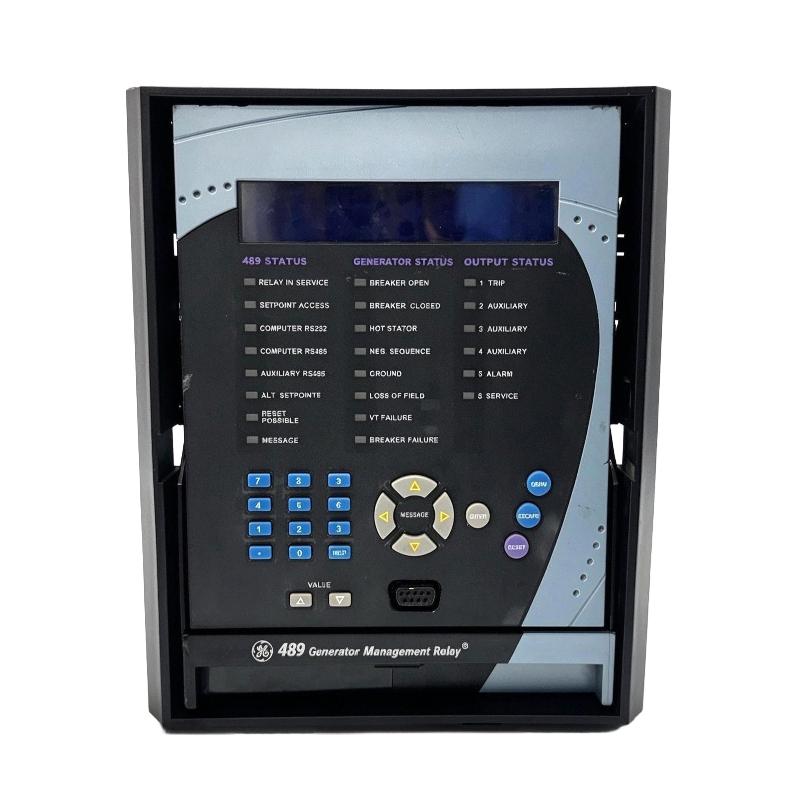
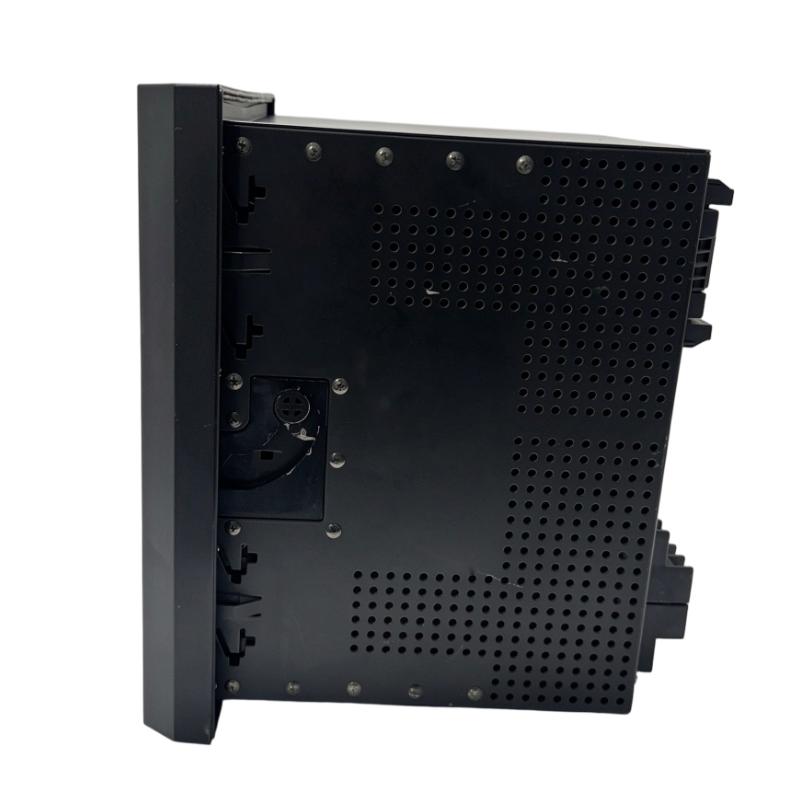
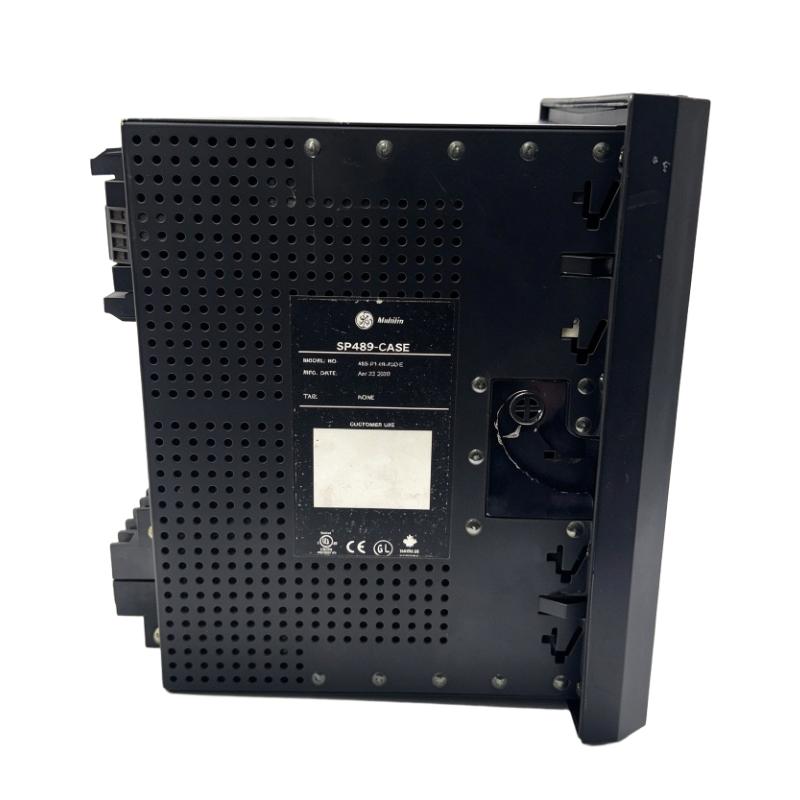
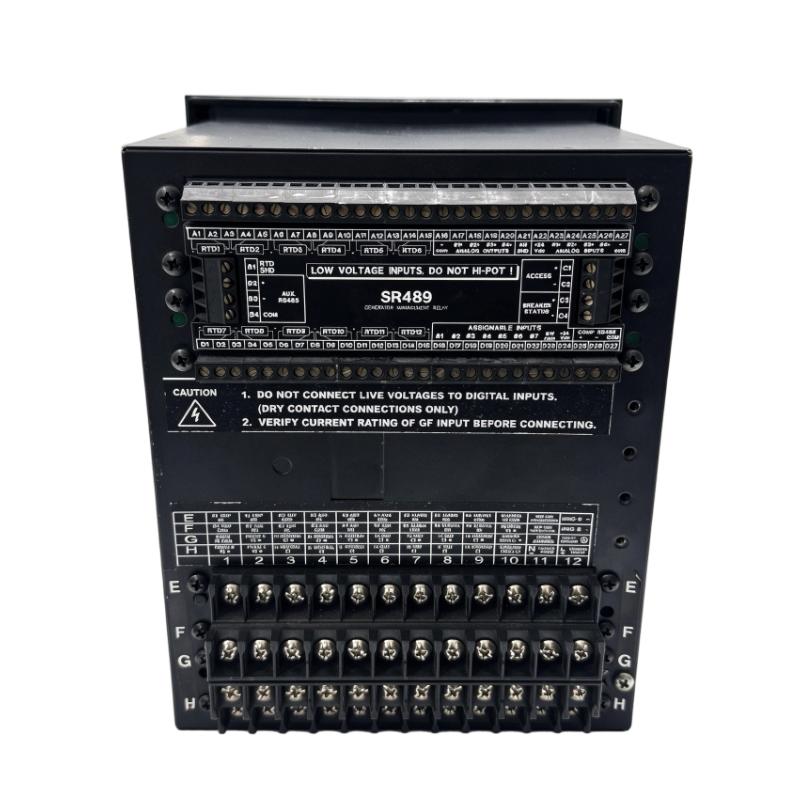
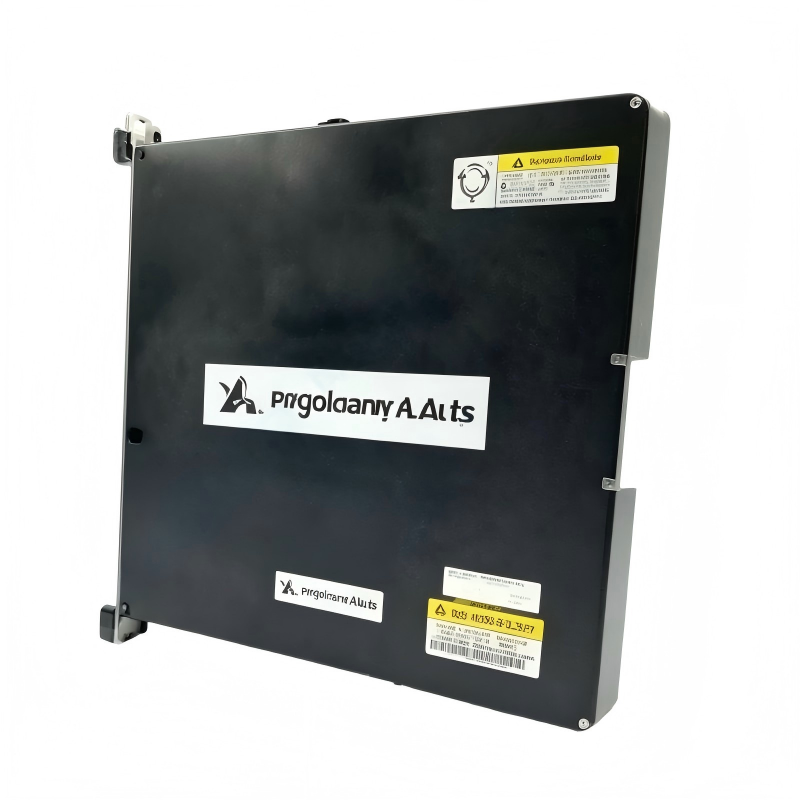
GE SR489-RELAY 489-P1-HI-A20-E Generator Management Relay
GE SR489-RELAY 489-P1-HI-A20-E Generator Management Relay
0.0
Points
Brand:GE Fanuc PLC Item No.:SR489-RELAY 489-P1-HI-A20-E Product Origin:USA Product Dimensions:252 x 216 x 224 mm Product Weight:7.7 kg Payment:T/T, Western Union, Credit Card Goods_stock:15 Shipping Port:Xiamen, China Lead Time:1-3 Days Condition:Brand New And Original Warranty:1 Year Certificate:COO
Introduction to the SR489 Generator Management Relay
The GE SR489-RELAY 489-P1-HI-A20-E Generator Management Relay provides an integrated approach to generator protection and supervision. In modern industrial power systems, generators often support critical processes, emergency loads, or essential plant operations. Protecting these assets requires a reliable system capable of identifying abnormal conditions and providing operators with meaningful information about generator performance.
The SR489 platform is purpose-built for this type of application. Instead of relying on a collection of independent monitoring and protection devices, the generator management relay provides a centralized platform for generator-related protection and operational information. This can help simplify panel architecture while making the overall protection strategy easier to manage.
The relay is particularly valuable in generator switchgear and industrial protection panels. When abnormal electrical conditions occur, appropriate protection action is essential for limiting the potential impact on the generator and connected equipment. At the same time, information associated with the event can be valuable for determining why the protection system operated.
For maintenance and engineering teams, this diagnostic perspective is an important part of generator management. It supports more efficient troubleshooting and helps personnel make informed decisions when returning equipment to service.
The SR489-RELAY 489-P1-HI-A20-E is therefore a strong option for generator protection projects that prioritize dependable electrical supervision, integrated functionality, and long-term system maintainability.
Technical Specifications
Specification
Details
Brand
GE
Model
SR489-RELAY 489-P1-HI-A20-E
Product Type
Generator Management Relay
Product Family
SR489
Primary Function
Generator Protection and Management
Application
Generator Monitoring, Control and Protection
Dimensions
252 × 216 × 224 mm
Weight
7.70 kg (16.98 lb)
Installation Role
Generator Protection and Control System
Application Environment
Industrial Power Generation and Electrical Distribution
Recommended Related Models
For engineers evaluating alternative configurations or replacement options within the GE generator protection family, the following models are relevant:
GE SR489-P5-HI-A20 — Generator Management Relay
GE SR489-P5-HI-A20-E — Generator Management Relay
GE SR489-P5-LO-A20 — Generator Management Relay
GE SR489-P5-LO-A20-E — Generator Management Relay
GE SR489-CASE — Generator Management Relay Case
The exact replacement should be selected by comparing the complete model designation, hardware configuration, protection requirements, and existing generator system architecture.
Popular Related Models
GE SR489-P5-HI-A20 — Generator Management Relay
GE SR489-P5-HI-A20-E — Generator Management Relay
GE SR489-P5-LO-A20 — Generator Management Relay
GE SR489-P5-LO-A20-E — Generator Management Relay
GE SR489-CASE — Generator Management Relay Case
GE Multilin SR489 — Generator Management Relay
GE Multilin 369 — Motor Management Relay
The GE SR489-RELAY 489-P1-HI-A20-E offers a professional generator management platform for applications where integrated protection, continuous supervision, and reliable electrical system performance are essential.
Applications in Industrial Power Systems
The GE SR489-RELAY 489-P1-HI-A20-E can be integrated into generator protection and control architectures where reliable electrical supervision is a primary requirement.
Typical applications include:
Industrial generator protection
Generator switchgear and control panels
Standby and emergency power systems
Cogeneration plants
Distributed generation systems
Industrial power generation
Critical facility electrical systems
Generator monitoring and fault analysis
Electrical distribution protection
Generator modernization projects
Within a generator protection panel, the relay can provide an important layer of electrical supervision between the generator, switchgear, and wider plant control system.
Key Advantages and Engineering Value
Dedicated generator management
The SR489 platform is designed specifically for generator applications, providing a protection architecture tailored to the electrical characteristics and operational requirements of generator systems.
Integrated protection functions
Bringing generator protection and monitoring functions together can reduce system complexity and help engineers create a more organized protection scheme.
Enhanced system visibility
The relay provides useful operational and protection information, allowing operators to better understand generator status and abnormal operating conditions.
Effective event investigation
Protection and event information can assist engineers in identifying the circumstances surrounding generator trips and other electrical disturbances.
Centralized generator supervision
A dedicated management relay provides a central point for generator protection and monitoring, making it easier to coordinate the generator with associated switchgear and electrical control equipment.
Maintenance-oriented functionality
Access to generator operating and protection information can support troubleshooting, preventive maintenance, and post-event analysis.
Suitable for demanding applications
The SR489 family is designed for professional generator management applications where electrical reliability, equipment protection, and operational continuity are important.
Technical FAQs
1. What is the GE SR489-RELAY 489-P1-HI-A20-E designed to do?
It is a generator management relay intended to provide protection, monitoring, control, and diagnostic functions for generator applications.
2. What makes a generator management relay different from a standard protective relay?
A generator management relay is designed around generator-specific operating conditions and can combine multiple protection and monitoring functions required for generator applications.
3. Can the 489-P1-HI-A20-E be used in industrial generator systems?
Yes. It is suitable for generator protection architectures used in industrial power generation, standby power, and electrical distribution systems.
4. Why should generator protection be coordinated with other electrical protection devices?
Coordination helps ensure that the appropriate protective device responds to a fault while minimizing unnecessary interruption to healthy portions of the electrical system.
5. What parameters are important when engineering generator protection?
Generator rated current and voltage, frequency, fault levels, grounding arrangement, operating characteristics, system configuration, and coordination requirements are important considerations.
6. How can a generator relay assist with troubleshooting?
Protection and event information can help engineers reconstruct abnormal operating conditions and identify the factors that resulted in a generator protection operation.
7. Can the relay be incorporated into generator switchgear?
Yes. Generator management relays are commonly installed as part of generator switchgear and dedicated generator protection panels.
8. What is the benefit of centralized generator monitoring?
Centralized monitoring gives operators a consistent view of generator status and protection conditions, helping improve operational awareness and simplify fault investigation.
9. Can generator protection information be used for maintenance planning?
Yes. Historical operating and protection information can help maintenance personnel identify recurring abnormalities and determine whether additional inspection or corrective action is necessary.
10. What should be checked when replacing an existing SR489 relay?
The exact model designation, hardware configuration, electrical requirements, wiring, I/O arrangement, communication architecture, and existing protection settings should be verified before installing a replacement unit.