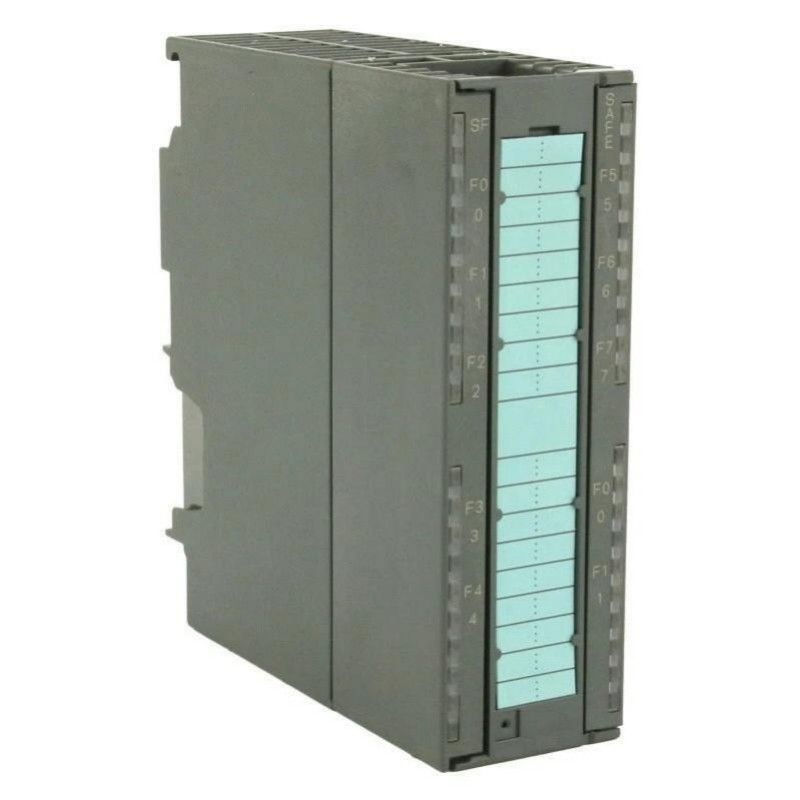
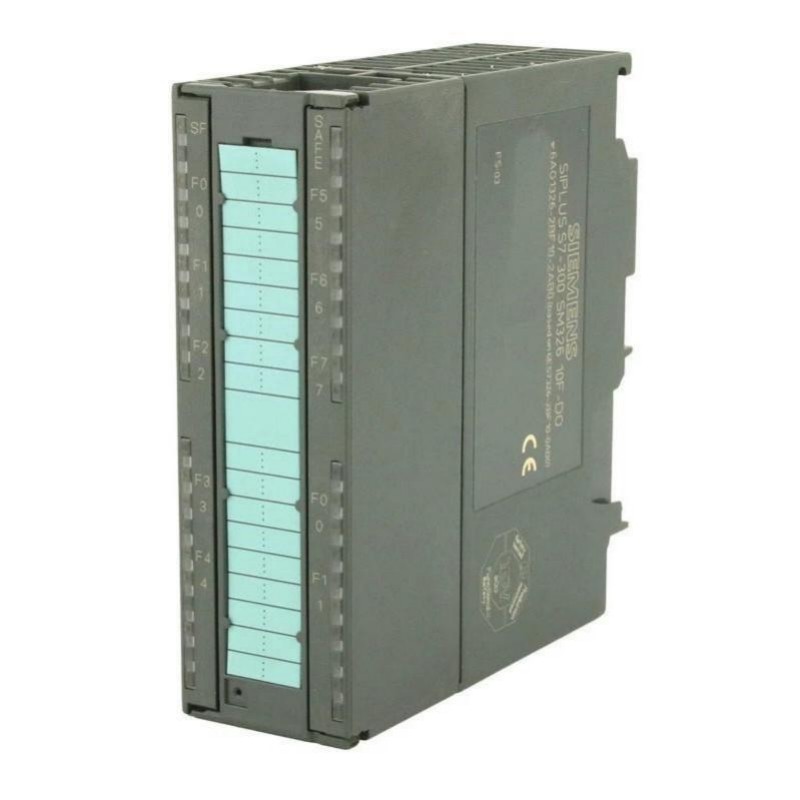
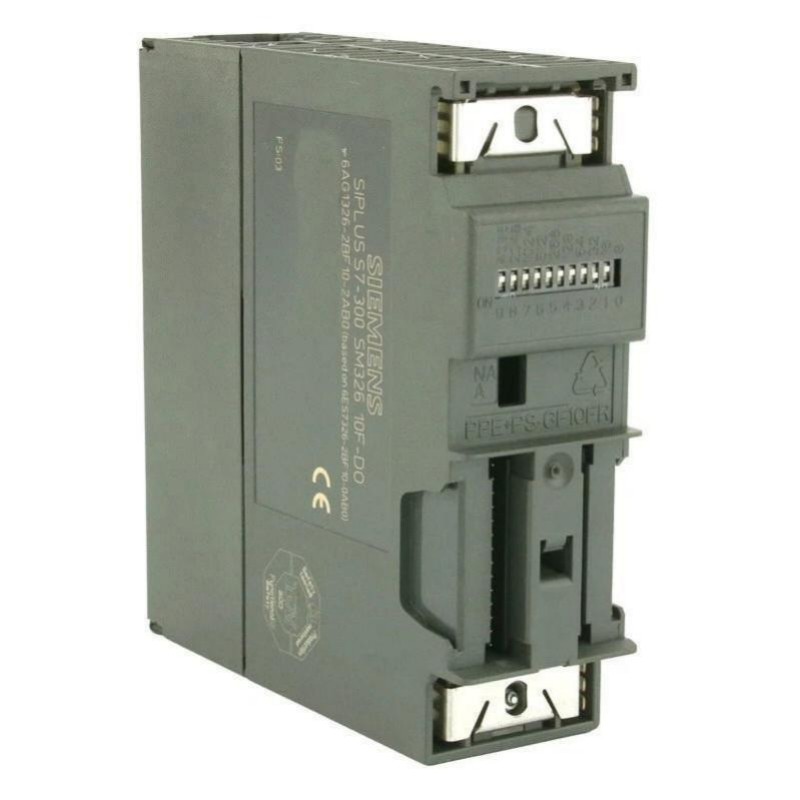
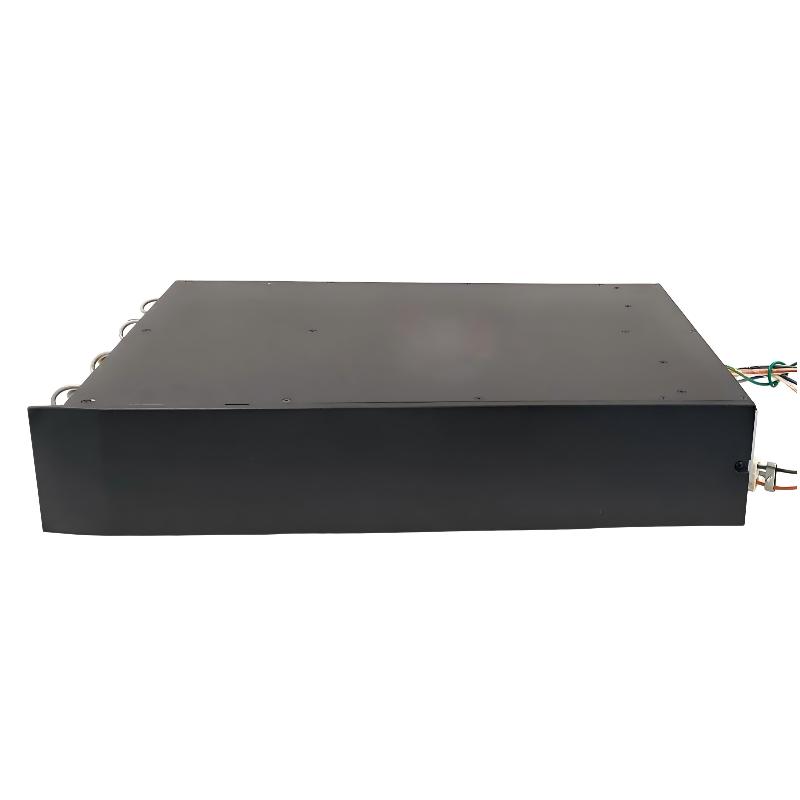
Brand:Siemens Item No.:6AG4010-6AD51-0XX5 Product Origin: Germany Product Dimensions:481 × 176 × 509mm Product Weight:17 kg Payment:T/T, Western Union, Credit Card Goods_stock:15 Shipping Port:Xiamen, China Lead Time:1-3 Days Condition:Brand New And Original Warranty:1 Year Certificate:COO
The Siemens 6AG4010-6AD51-0XX5 SIMATIC IPC3000 SMART V3 is an industrial automation computer designed for centralized computing in production and control environments. Its rack-oriented architecture makes it suitable for installation in control cabinets, equipment racks, operator stations, and centralized automation systems.
The IPC3000 SMART platform combines multiple industrial interfaces with conventional PC expansion capability. Siemens documentation identifies two Gigabit Ethernet interfaces, six USB ports, serial communication, VGA and DVI-D display interfaces, and PCI/PCI Express expansion options.
For the specific 6AG4010-6AD51-0XX5, publicly searchable sources do not provide enough reliable information to establish its exact CPU, memory, storage, operating system, or individual power-supply configuration. Keeping these values unassigned is preferable to incorrectly transferring specifications from another Siemens order number.
To be confirmed for this order number; 350 W / 500 W variants exist within the 6AG4010-6 family
Operating system
To be confirmed for this order number
Dimensions (W × H × D)
481 × 176 × 509 mm with handles; 430 × 176 × 466 mm without handles
Weight
13.3–17 kg, depending on configuration
Siemens’ 2020 operating instructions specify 481 × 176 × 509 mm (W × H × D) and 13.3–17 kg depending on the selected configuration for the 6AG4010-6....-.... range. The same documentation identifies 350 W and 500 W power-supply variants.
Recommended Companion Models
Model
Product Name
6AG4010-6AD50-0XX5
Siemens SIMATIC IPC3000 SMART V3 Rack-Mount Computing System
6AG4010-6AD50-0FX5
Siemens SIMATIC IPC3000 SMART V3 Automation Computing System
• Factory automation supervision: The 6AG4010-6AD51-0XX5 is designed for industrial computing duties such as supervisory control, machine monitoring, production tracking, and automation-system management.
• Control-room visualization: Its rack-mounted IPC architecture makes it a strong fit for centralized operator stations, HMI visualization, process monitoring, and engineering applications.
• Industrial communication: The IPC3000 SMART platform provides Ethernet, USB, serial, and display connectivity for linking controllers, industrial networks, monitors, and peripheral equipment.
• Cabinet-based computing: Its standardized rack format allows the computer to be installed alongside PLCs, communication equipment, and other automation hardware in a structured control cabinet.
• Production data processing: The platform can serve as a local computing node for supervisory software, diagnostic tools, production information, and other industrial applications that benefit from dedicated hardware.
Key Strengths at a Glance
• 19-inch rack architecture: The IPC3000 SMART design provides a practical form factor for centralized industrial installations and equipment racks.
• Wide-ranging connectivity: The family supports Ethernet, USB, serial communication, display, audio, and peripheral interfaces, giving integrators considerable connection flexibility.
• Expansion-ready platform: Siemens documentation for the IPC3000 SMART family describes PCI and PCI Express expansion options, allowing additional hardware interfaces to be incorporated when required.
• Service-friendly interface layout: Front and rear connections make it easier to separate frequently accessed service interfaces from permanently installed industrial connections.
• Industrial-focused computing: The SIMATIC IPC3000 SMART platform is designed around automation and industrial installation requirements, making it better suited to control environments than a conventional office PC.
Technical FAQs
1. What type of industrial computer is the Siemens 6AG4010-6AD51-0XX5?
The 6AG4010-6AD51-0XX5 belongs to the SIMATIC IPC3000 SMART industrial computing family and is intended for rack-mounted automation and industrial computing applications.
2. What type of rack installation is supported by the IPC3000 SMART platform?
The IPC3000 SMART family uses a 19-inch rack-oriented chassis, with the 6AG4010-6 series documented in a 4U-class configuration.
3. How many Ethernet interfaces are available on the IPC3000 SMART platform?
The documented IPC3000 SMART architecture provides two RJ45 Ethernet interfaces supporting 10/100/1000 Mbps communication.
4. What USB connectivity is provided?
The documented platform provides six USB interfaces, with two positioned on the front and four on the rear of the IPC.
5. Does the IPC3000 SMART support serial communication?
Yes. The documented platform provides two COM interfaces, including RS232 and RS422/RS485 communication functions.
6. Which display interfaces are available?
The IPC3000 SMART documentation identifies VGA and DVI-D display interfaces for connecting compatible industrial monitors.
7. Can expansion cards be installed in the IPC3000 SMART?
Yes. The platform supports PCI and PCI Express expansion options, allowing additional communication, acquisition, or specialized interface cards to be integrated.
8. What power-supply options exist within the 6AG4010-6 family?
Siemens documents both 350 W and 500 W power-supply variants for the 6AG4010-6 family. Both are specified for 100–240 VAC input, while the exact supply fitted to an individual order number depends on its configuration.
9. Is the exact CPU configuration of 6AG4010-6AD51-0XX5 confirmed?
No reliable public record was located for the complete 6AG4010-6AD51-0XX5 order number. The processor should therefore be verified from the original Siemens order documentation or the equipment identification label.
10. Is the 6AG4010-6AD51-0XX5 suitable for industrial visualization applications?
Yes. The IPC3000 SMART architecture combines industrial networking, display connectivity, USB, serial communication, and expansion capability, making the platform suitable for visualization, supervisory monitoring, diagnostics, and automation-related computing.