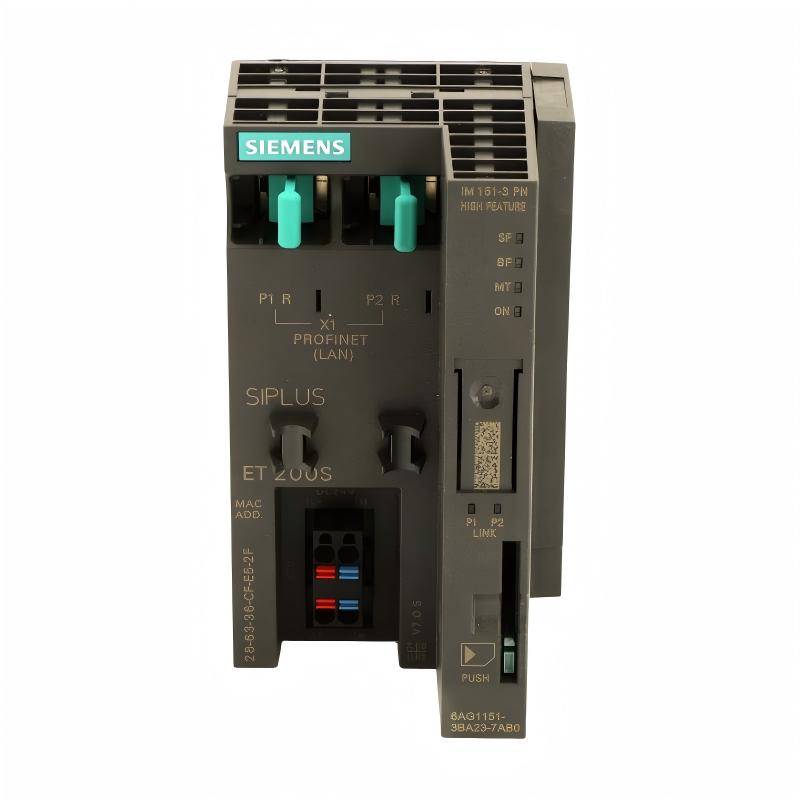
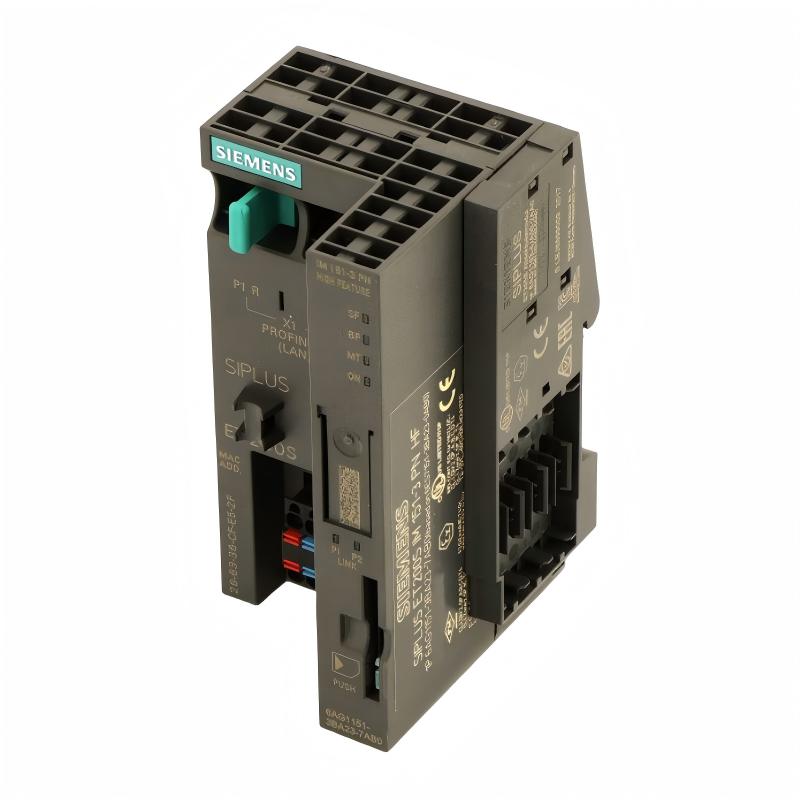
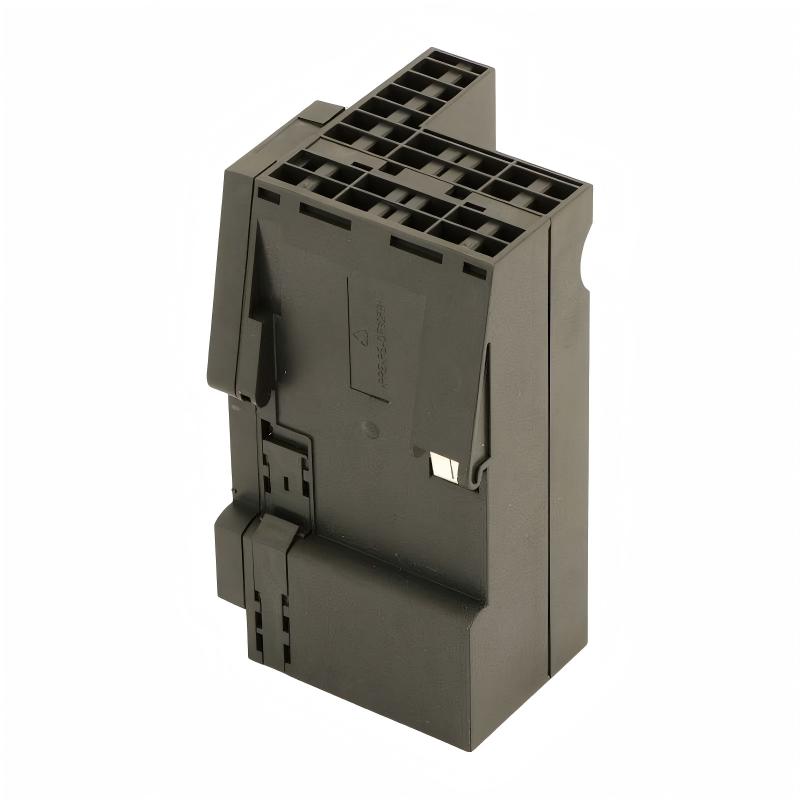
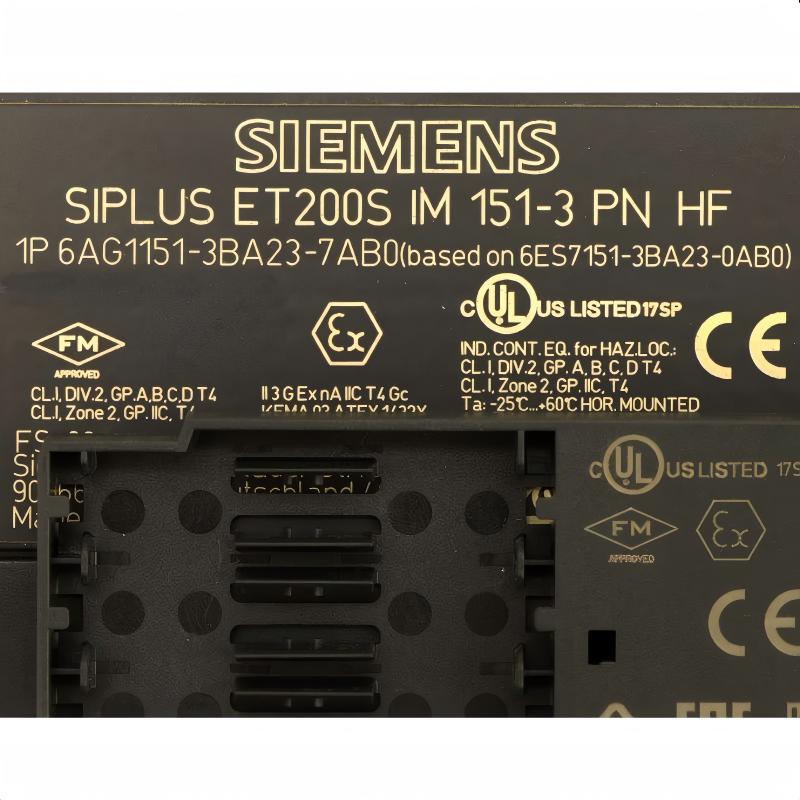
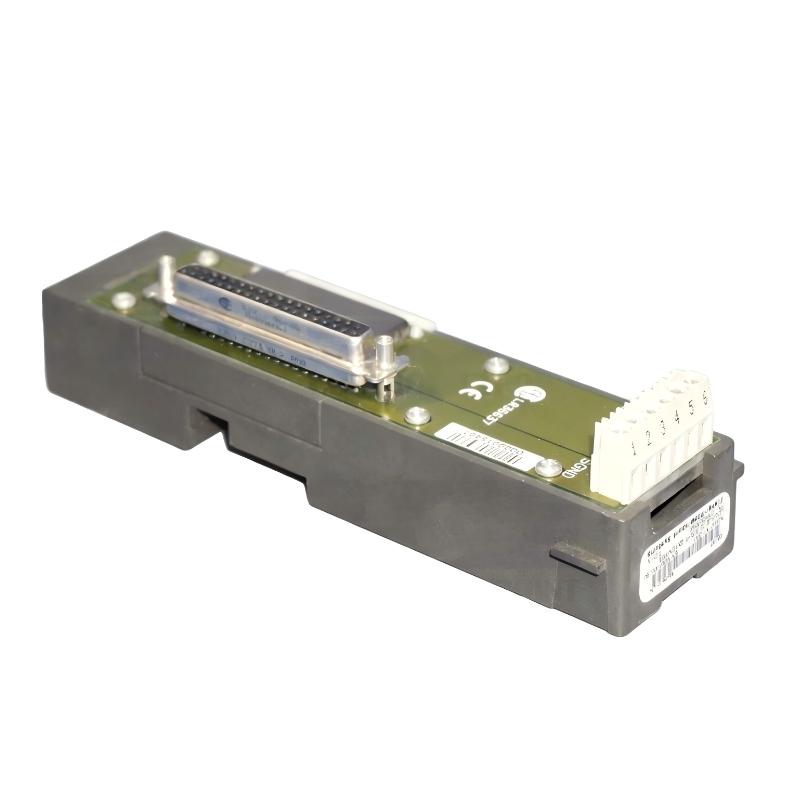
Brand:Siemens Item No.:6AG1151-3BA23-7AB0 Product Origin:Germany Product Dimensions:60 × 119.5 × 75 mm Product Weight:0.205 kg Payment:T/T, Western Union, Credit Card Goods_stock:15 Shipping Port:Xiamen, China Lead Time:1-3 Days Condition:Brand New And Original Warranty:1 Year Certificate:COO
The Siemens 6AG1151-3BA23-7AB0 Interface Module is presented for industrial automation applications that require reliable integration between compatible control-system components. Interface modules contribute to the organization of modular automation hardware by providing connections between system elements and enabling the intended exchange of data.
For industrial users, system integrators, and maintenance teams, selecting the correct interface module is essential to maintaining system compatibility and reducing unnecessary commissioning work. Before choosing this model, users should verify its supported automation platform, communication characteristics, and installation requirements using Siemens technical documentation.
The dimensions and weight provided for this listing offer a reference for inventory management, purchasing, and preliminary control-cabinet planning.
Technical Specifications
Parameter
Specification
Brand
Siemens
Model
6AG1151-3BA23-7AB0
Product Type
Interface Module
Dimensions (W × H × D)
60 × 119.5 × 75 mm
Weight
0.205 kg (0.45 lb)
Product Category
Industrial Automation
Main Function
Interface and system integration, subject to verification
Communication Protocol
Confirm with official Siemens documentation
Mounting Details
Refer to the product installation instructions
System Compatibility
Verify against the intended controller and I/O system
Recommended Related Models
The following Siemens interface modules are relevant references for researching distributed I/O and automation connectivity. They are not confirmed direct replacements for the 6AG1151-3BA23-7AB0.
Model
Product Type
Selection Consideration
6ES7151-1AA06-0AB0
SIMATIC ET 200S Interface Module
Verify the supported ET 200S configuration and communication requirements.
6ES7151-3BA23-0AB0
SIMATIC ET 200S Interface Module
Compare the complete model number and supported system configuration.
6ES7155-6AU01-0BN0
SIMATIC ET 200SP Interface Module
Relevant when evaluating a compatible ET 200SP distributed I/O architecture.
6ES7155-6AA01-0BN0
SIMATIC ET 200SP Interface Module
Check the required station configuration and supported I/O components.
Popular Related Models
These Siemens components may be useful when sourcing equipment for compatible distributed automation systems. Their suitability depends on the selected platform and configuration.
Model
Product Type
Typical Application
6ES7193-6BP00-0BA0
SIMATIC ET 200SP BaseUnit
Base component for compatible ET 200SP I/O modules.
6ES7134-6GF00-0AA1
SIMATIC ET 200SP Analog Input Module
Acquisition of analog field signals in a compatible I/O station.
6ES7132-6BH01-0BA0
SIMATIC ET 200SP Digital Output Module
Digital output control for compatible industrial equipment.
6ES7151-1BA02-0AB0
SIMATIC ET 200S Interface Module
Reference for evaluating ET 200S interface hardware.
Ordering note:The supplied dimensions and weight are included as provided. Before purchase or replacement, verify the exact identity, system compatibility, and technical specifications of Siemens 6AG1151-3BA23-7AB0 against official product documentation.
Applications
The Siemens 6AG1151-3BA23-7AB0 Interface Module is listed for industrial automation applications involving communication and integration between compatible control-system components. Interface modules are important elements of modular automation architectures, helping connect distributed I/O equipment with higher-level controllers and supporting coordinated data exchange.
Typical application areas include:
Distributed automation systems:Connecting compatible field-level I/O equipment within a structured control architecture.
Manufacturing and production lines:Supporting communication between automation components in machinery and production equipment.
Industrial control cabinets:Integrating modular hardware into organized control-panel installations.
Process automation:Supporting system connectivity where the module's communication capabilities match the application.
Maintenance and equipment replacement:Helping maintenance teams identify and source the correct interface hardware for an existing installation.
The exact system family, communication interface, and supported configuration should be verified against Siemens documentation before the module is specified for a project.
Key Advantages
Compact design:The supplied dimensions of 60 × 119.5 × 75 mm support space planning in industrial control cabinets.
Modular integration:Interface modules help organize connections between compatible automation components.
Industrial automation application:Suitable for evaluation in control and distributed I/O architectures once compatibility is confirmed.
Convenient part identification:The complete Siemens catalog number supports more accurate procurement and maintenance records.
Replacement planning:Physical specifications help engineers assess installation space when evaluating a replacement component.
Technical FAQs
Q1: What is the purpose of the Siemens 6AG1151-3BA23-7AB0 Interface Module?
It is identified as an interface module for industrial automation. The exact communication role and supported hardware platform should be confirmed from the official Siemens product data.
Q2: Which automation systems can use this module?
Compatibility depends on the module's intended Siemens system family, communication interface, and supported hardware configuration. Verify these details before connecting it to a PLC or distributed I/O station.
Q3: What communication protocol does the module support?
The specific protocol cannot be reliably established from the part number alone in this listing. Consult the official technical documentation for supported communication standards and network requirements.
Q4: Does the module require software configuration?
Depending on its platform and role, an interface module may need to be configured in the applicable Siemens engineering software. Follow the instructions for the confirmed hardware model.
Q5: Can this module be used in a distributed I/O system?
It may be suitable if the intended distributed I/O platform and system architecture are supported. Check the official compatibility information before installation.
Q6: What should be checked before replacing an existing interface module?
Compare the complete catalog number, hardware revision where applicable, connector arrangement, communication capabilities, system compatibility, and configuration requirements.
Q7: What are common causes of interface communication faults?
Potential causes include incorrect wiring, incompatible configurations, network interruptions, power-supply issues, and faults in connected equipment. Use system diagnostics to identify the actual cause.
Q8: Can this module be installed in an existing control cabinet?
Check the available mounting space, installation orientation, wiring clearances, environmental requirements, and mounting method against the official product documentation.
Q9: Is this module suitable for a new automation project?
It should be selected only after its technical capabilities, supported platform, product status, and compatibility with the proposed system have been confirmed.
Q10: How can buyers ensure they order the correct model?
Verify the full catalog number on the equipment nameplate or original documentation. Do not rely on similar model numbers alone, because interface modules may differ in communication functions and system compatibility.