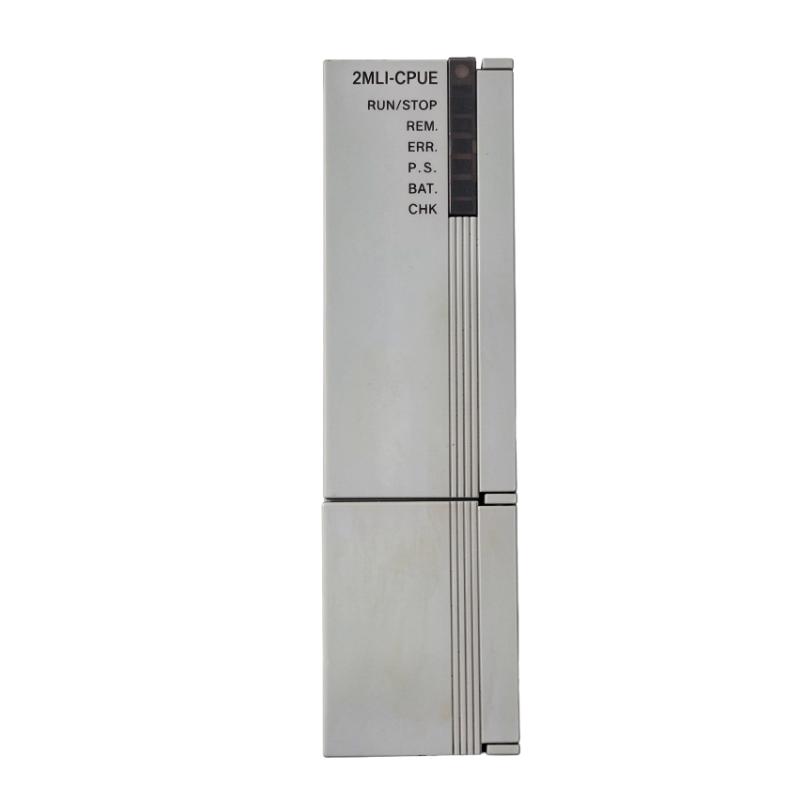
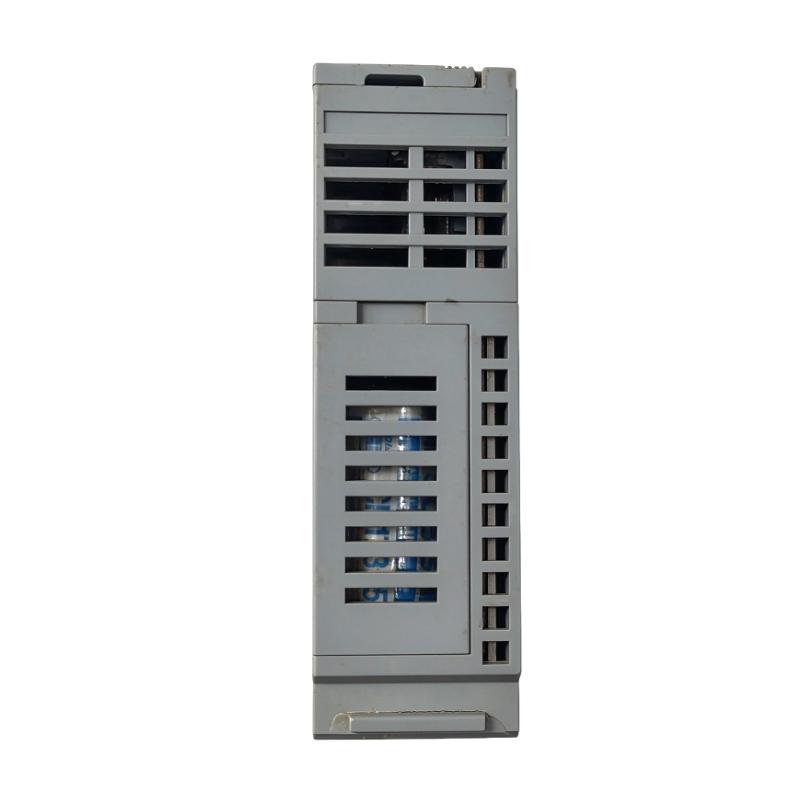
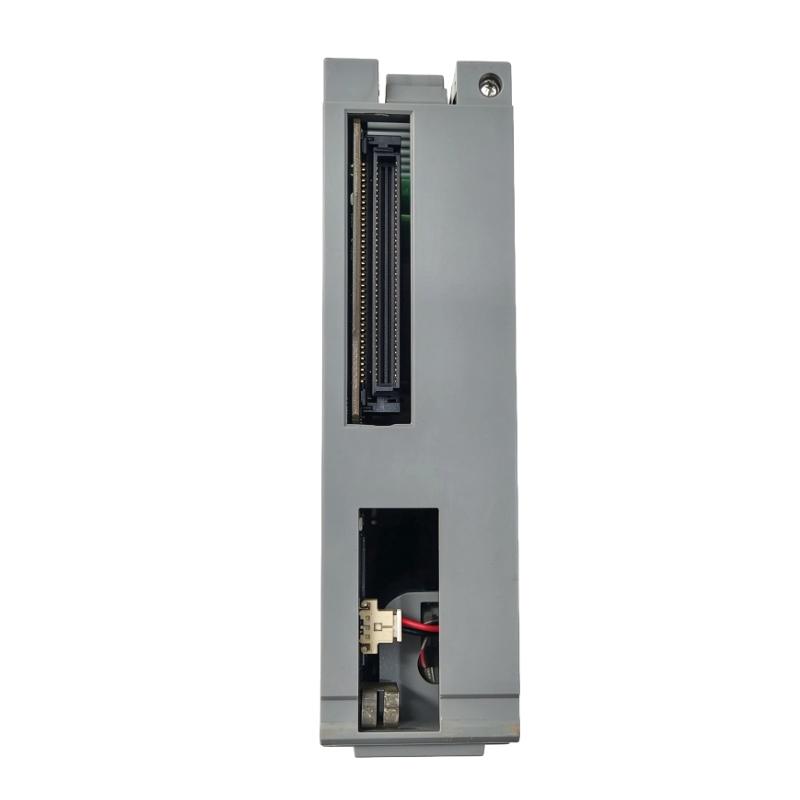
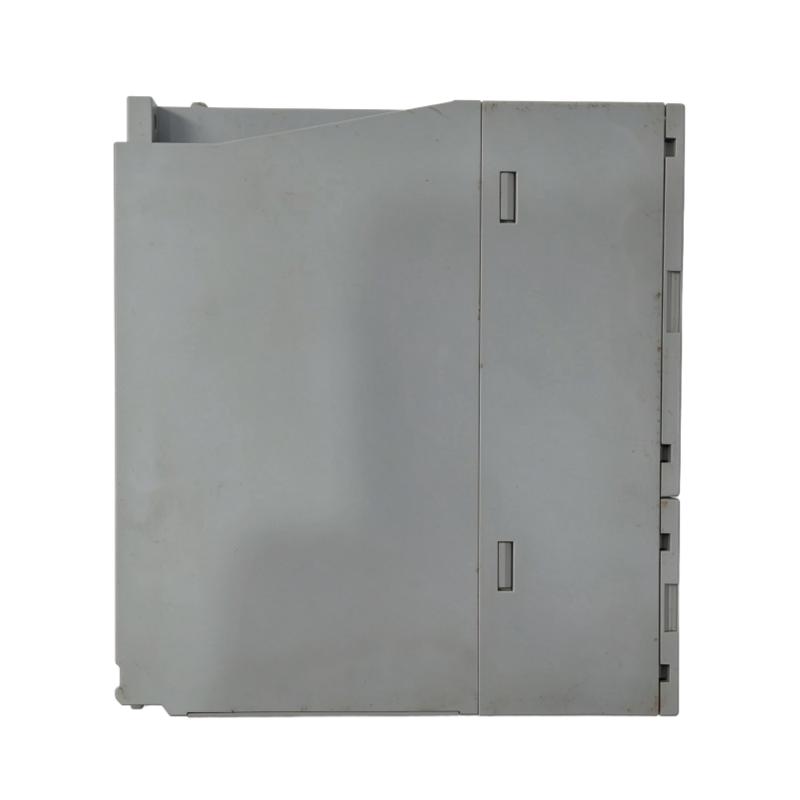
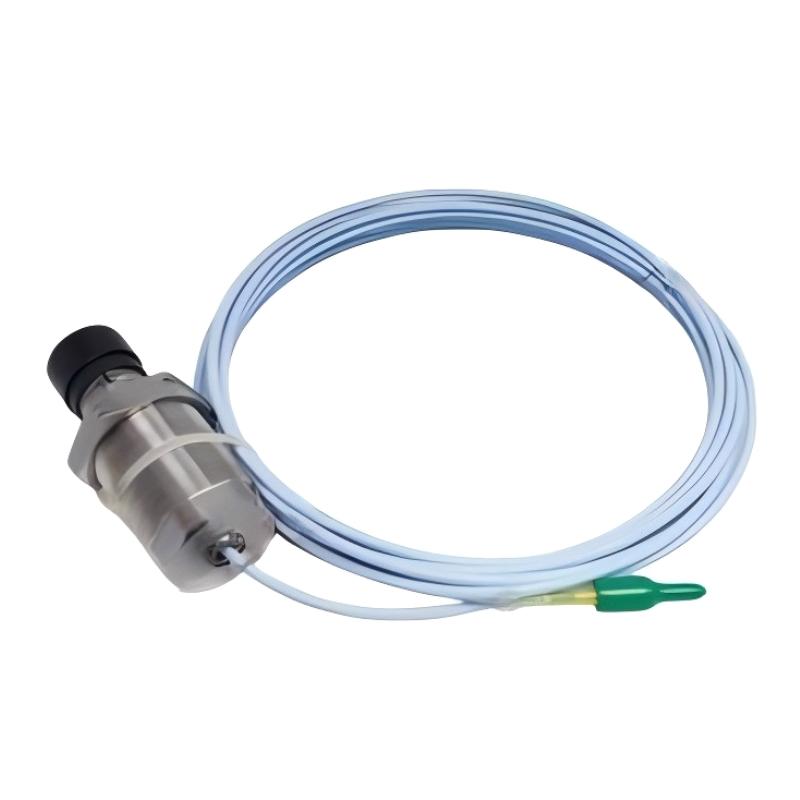
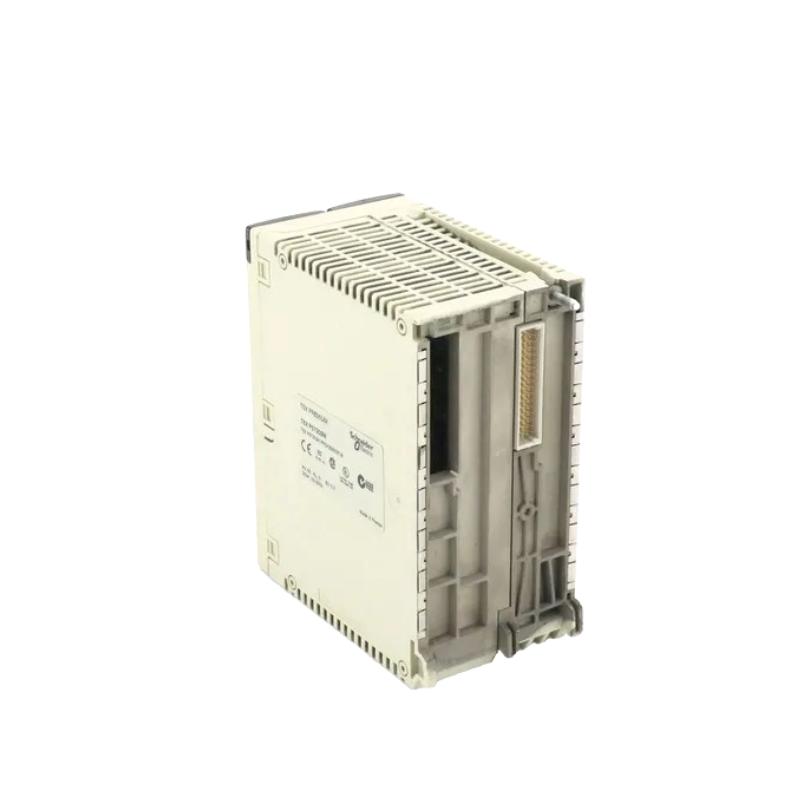
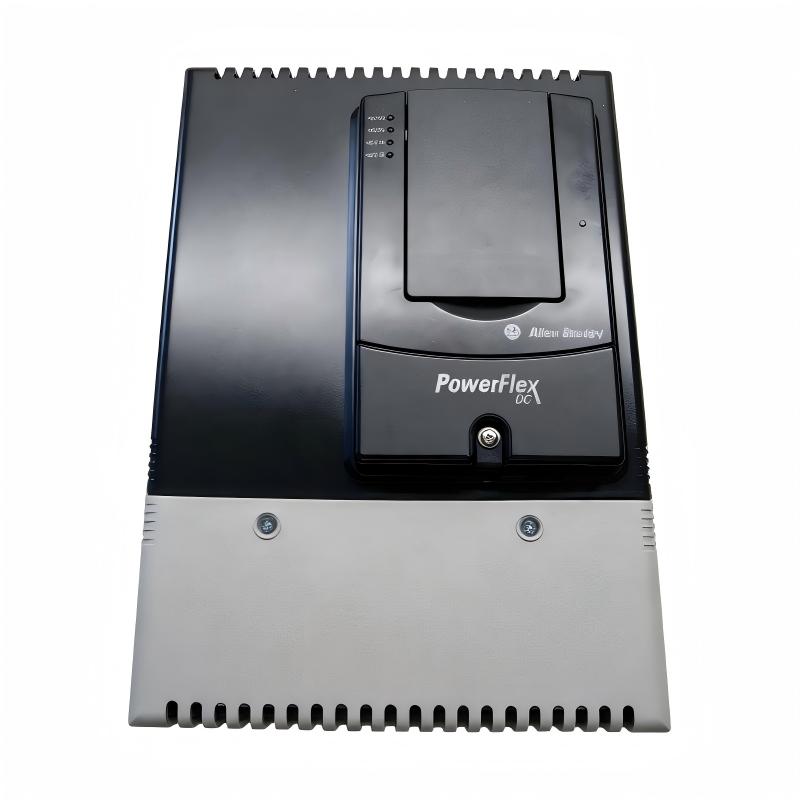
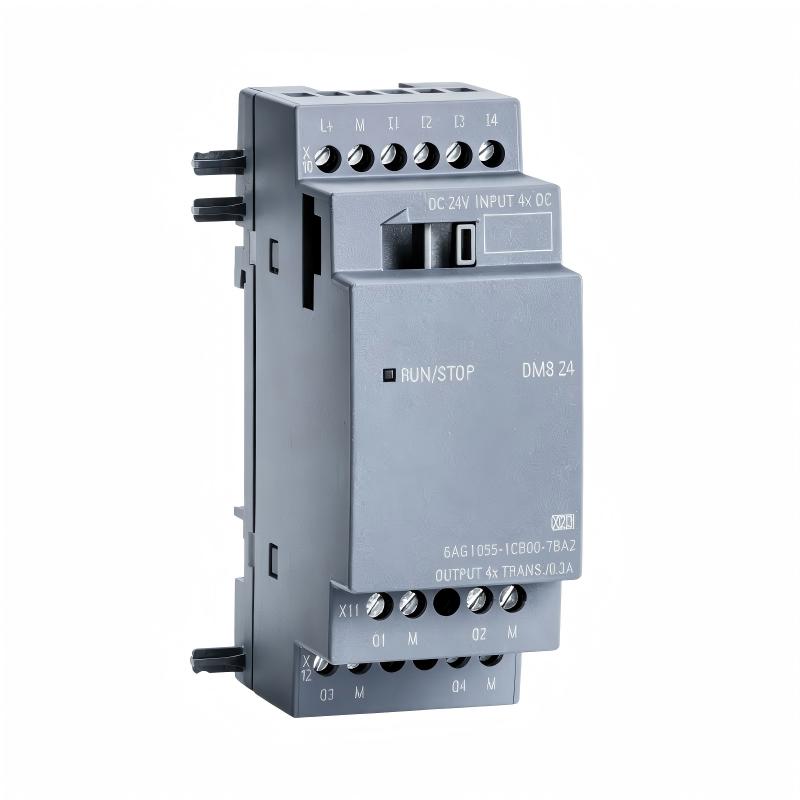
Brand:Honeywell DCS Item No.:2MLI-CPUE Product Origin:USA Product Dimensions:120 x 25 x 110 mm Product Weight:0.13 kg Payment:T/T, Western Union, Credit Card Goods_stock:15 Shipping Port:Xiamen, China Lead Time:1-3 Days Condition:Brand New And Original Warranty:1 Year Certificate:COO
The Honeywell 2MLI-CPUE CPU Module was supplied for this product listing as an industrial automation controller component. However, the exact model number could not be independently confirmed in the available Honeywell documentation. Honeywell's MasterLogic-200 product literature identifies other CPU models, including 2MLI-CPUS, 2MLI-CPUH, and 2MLI-CPUU.
Before publishing detailed performance claims or offering the module as a replacement part, verify the model number against the physical label or original purchasing documentation. This helps prevent ordering errors and ensures that the CPU matches the installed PLC architecture.
Technical Specifications
Parameter
Specification
Brand
Honeywell
Supplied Model Number
2MLI-CPUE
Product Type
CPU Module (as supplied)
PLC Series
Not confirmed for this exact model
Processor Performance
Not confirmed
Program Memory
Not confirmed
Maximum I/O Capacity
Not confirmed
Communication Interfaces
Not confirmed
Redundancy Support
Not confirmed
Dimensions
120 × 25 × 110 mm
Weight
0.13 kg / 0.29 lb
Dimensions and weight are based on the information supplied. Other technical specifications remain unconfirmed for the exact model number.
Recommended Related Models
The following are documented Honeywell MasterLogic-200 CPU models. They are related product references, not confirmed direct substitutes for 2MLI-CPUE.
Honeywell 2MLI-CPUS CPU Module — Standard-performance CPU for the MasterLogic-200 platform.
Honeywell 2MLI-CPUH CPU Module — High-performance CPU model.
Honeywell 2MLI-CPUU CPU Module — Enhanced CPU model for a non-redundant MasterLogic-200 system.
Honeywell 2MLR-CPUH/T CPU Module — Redundant-system CPU with a twisted-pair/CAT5 interface.
Honeywell 2MLR-CPUH/F CPU Module — Redundant-system CPU with a fiber-optic interface.
Popular Related Models
Model
Product Description
Honeywell 2MLI-CPUS
Standard CPU Module
Honeywell 2MLI-CPUH
High-Performance CPU Module
Honeywell 2MLI-CPUU
Enhanced CPU Module
Honeywell 2MLR-CPUH/T
Redundant CPU Module, Twisted-Pair Interface
Honeywell 2MLR-CPUH/F
Redundant CPU Module, Fiber-Optic Interface
Honeywell 2MLB-M04A
4-Slot Main CPU Base
Honeywell 2MLB-M06A
6-Slot Main CPU Base
Honeywell 2MLP-ACF1
PLC Power Supply Module
Applications
The Honeywell 2MLI-CPUE CPU Module is identified by the supplied part number as a central processing unit for industrial automation. However, the exact model designation 2MLI-CPUE could not be verified in the available Honeywell MasterLogic-200 documentation. Honeywell documentation lists CPU models including 2MLI-CPUS, 2MLI-CPUH, and 2MLI-CPUU. Please confirm the complete part number before using this description for procurement or system replacement.
In a compatible PLC system, a CPU module typically performs the following functions:
Logic execution: Processes programmed instructions to control machinery and industrial processes.
I/O coordination: Exchanges data with compatible digital and analog input/output modules.
Process monitoring: Evaluates input signals and updates control outputs according to the application program.
Communication management: Exchanges information with supported devices and supervisory systems.
System diagnostics: Helps monitor controller status and identify operational faults.
Advantages
The following are general advantages of a compatible industrial PLC CPU; they are not confirmed specifications of the exact 2MLI-CPUE model.
Centralized control: Executes the control program and coordinates connected automation modules.
Modular system integration: Can form part of a PLC architecture with compatible I/O, power supply, and communication modules.
Flexible automation: Supports application-specific control logic for industrial equipment.
Maintenance support: A replaceable CPU can simplify servicing when the replacement is approved for the existing system.
Scalable architecture: Compatible PLC systems can be configured for different I/O requirements using supported modules and bases.
Technical FAQs
Q1: What is the Honeywell 2MLI-CPUE CPU Module used for?
A CPU module normally executes PLC programs and manages control operations. However, the exact function and official identity of the 2MLI-CPUE require confirmation.
Q2: Is 2MLI-CPUE an official Honeywell model number?
I could not verify this exact designation in the available MasterLogic-200 documentation. Related documented models include 2MLI-CPUS, 2MLI-CPUH, and 2MLI-CPUU.
Q3: Which PLC platform may be relevant to this model?
The 2MLI prefix appears in Honeywell MasterLogic-200 CPU model numbers. Confirm the complete part number and hardware label before associating the supplied model with this platform.
Q4: What does a PLC CPU do?
A PLC CPU executes programmed logic, processes input data, updates outputs, and coordinates supported communication and control functions.
Q5: Can this module be used with digital and analog I/O modules?
That depends on the exact CPU model, system base, and supported I/O architecture. Compatibility should be checked against the manufacturer's documentation.
Q6: Does the CPU support redundant operation?
Redundancy depends on the specific controller architecture. Honeywell documentation distinguishes non-redundant 2MLI CPU models from redundant 2MLR CPU models. Redundant operation should not be assumed for 2MLI-CPUE.
Q7: What should be checked before replacing a CPU module?
Verify the exact model, firmware requirements, program compatibility, base configuration, power supply, communication setup, and I/O compatibility.
Q8: Can the existing PLC program be reused with a replacement CPU?
Possibly, but this depends on the original and replacement CPU models, supported programming environment, firmware, and program configuration. Back up the application before replacement.
Q9: What symptoms may indicate a CPU fault?
Possible symptoms include CPU fault indicators, unexpected controller stops, communication loss, or failure to execute the control program. Troubleshooting should follow the controller's diagnostic procedures.
Q10: How can the correct 2MLI-CPUE specification be confirmed?
Check the product label, order documentation, and the full model number printed on the module. A clear photo of the nameplate can help distinguish a valid part number from a typing error.