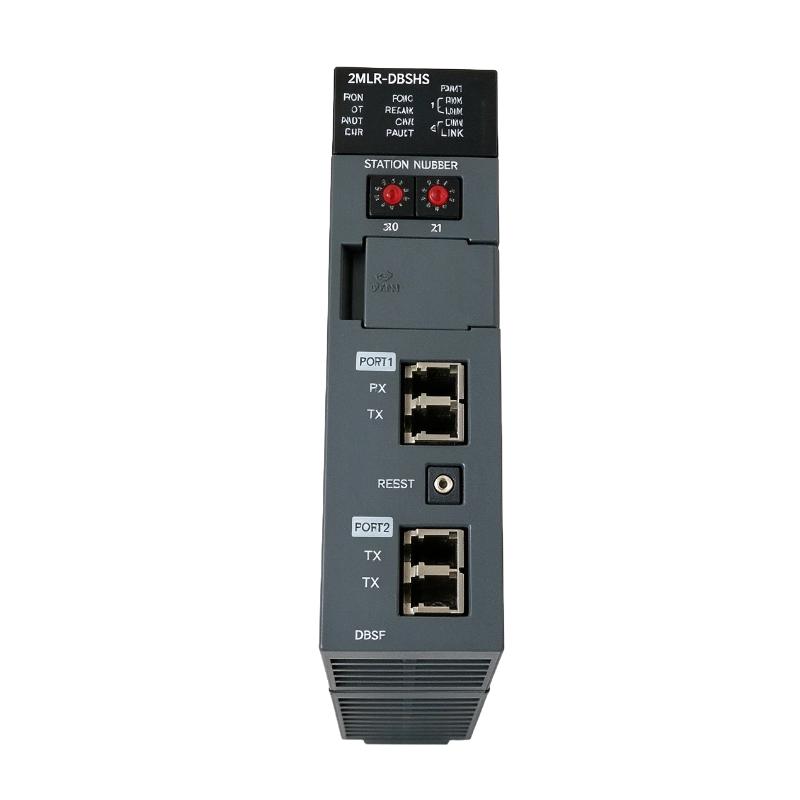
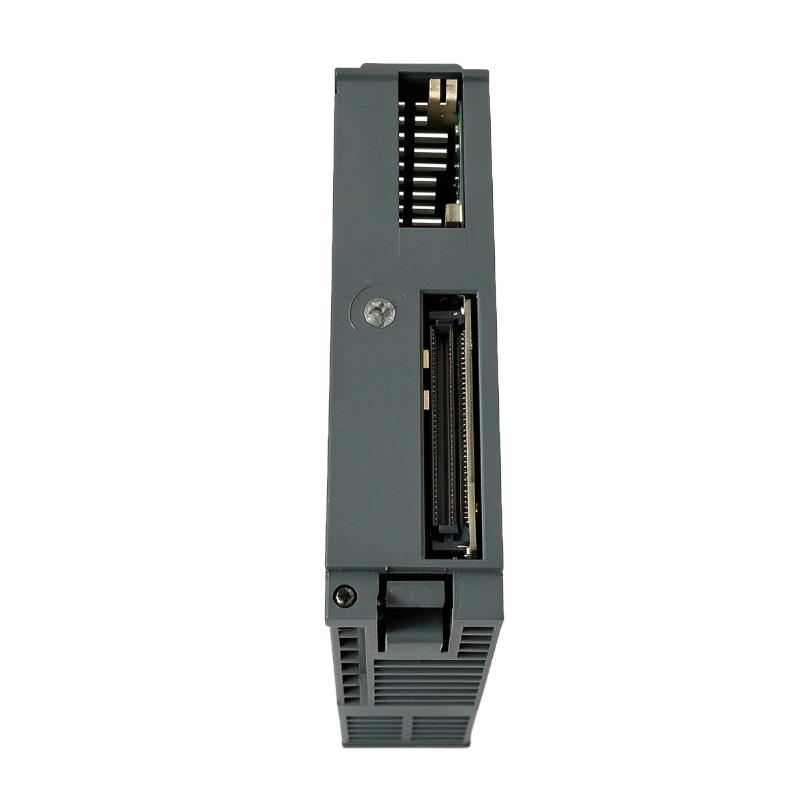
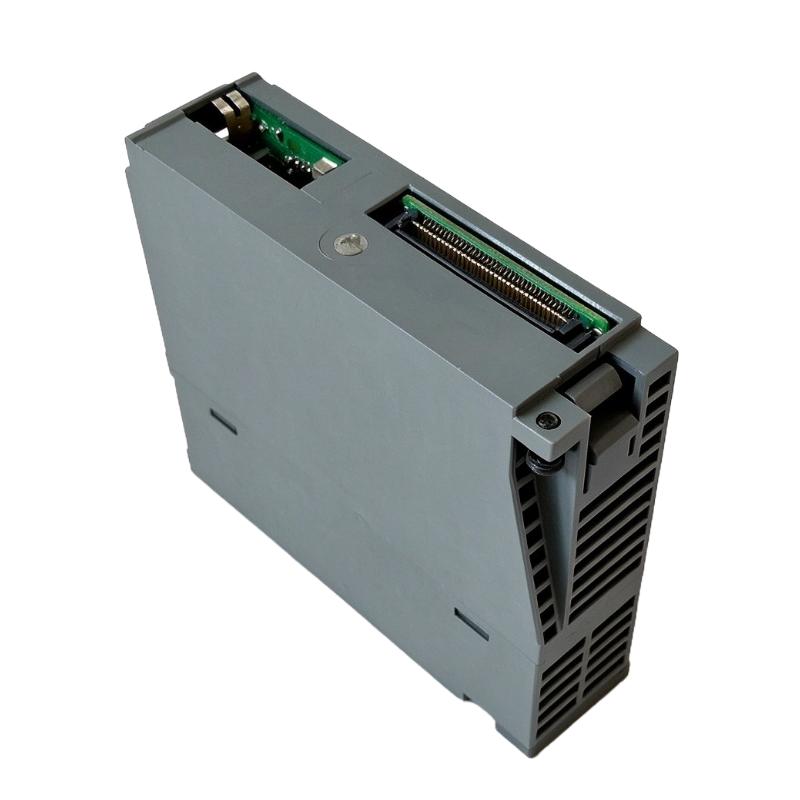
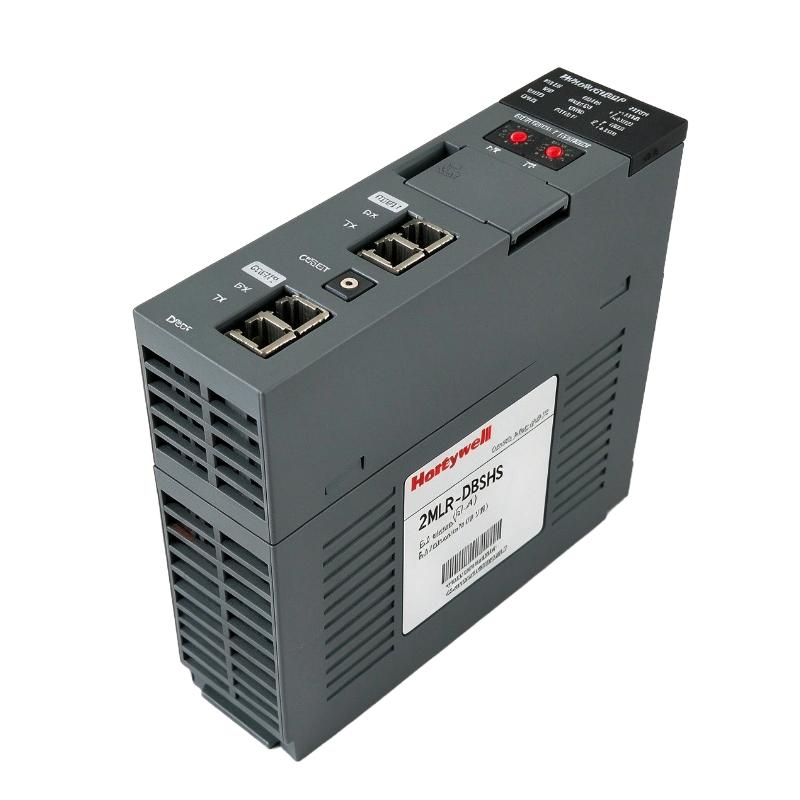
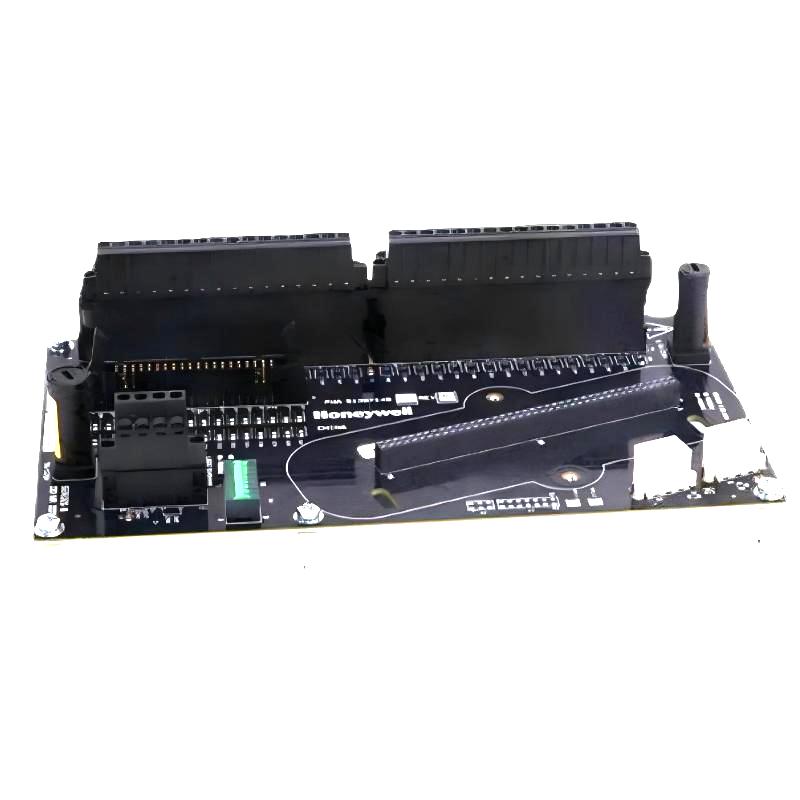
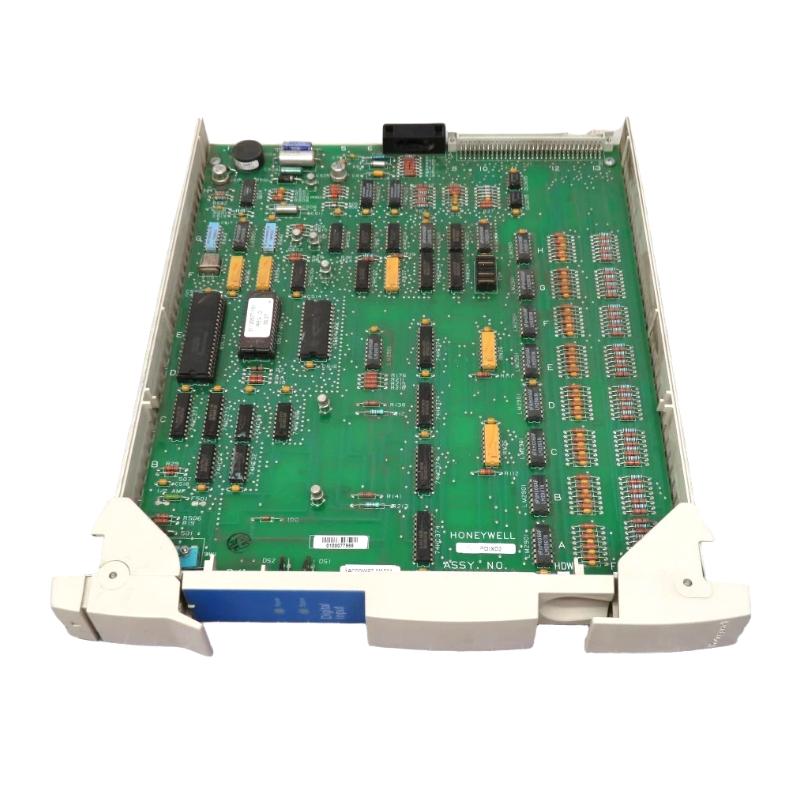
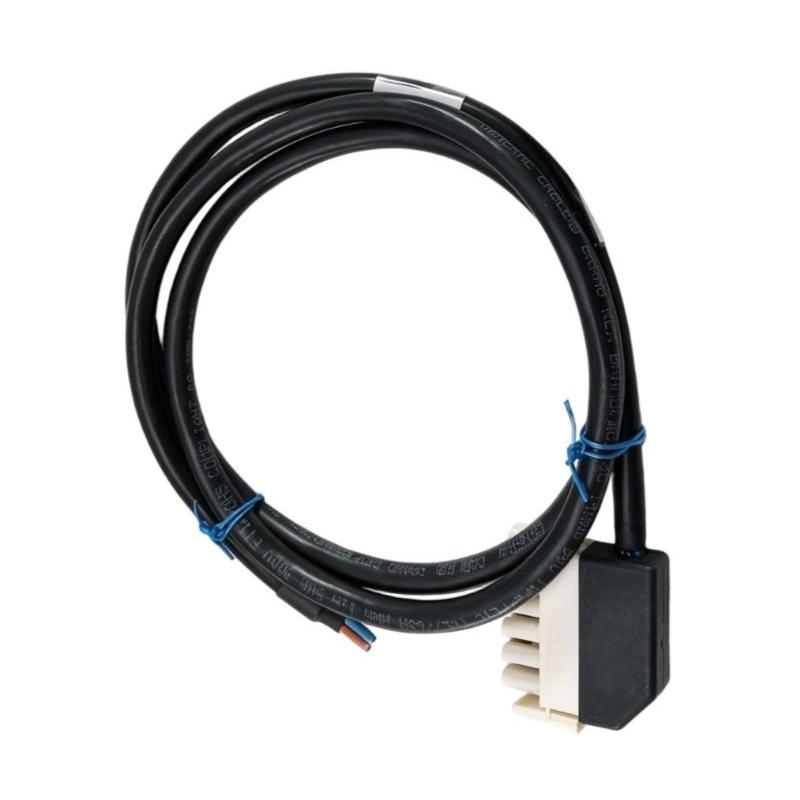
Brand:Honeywell DCS Item No.:2MLR-DBSHS Product Origin:USA Product Dimensions:150 x 25 x 100 mm Product Weight:0.12 kg Payment:T/T, Western Union, Credit Card Goods_stock:15 Shipping Port:Xiamen, China Lead Time:1-3 Days Condition:Brand New And Original Warranty:1 Year Certificate:COO
Expansion is a normal part of the life cycle of industrial automation equipment. A machine that initially requires a limited number of functions may later need additional hardware as production requirements change. A properly designed expansion architecture allows these modifications to be made in a controlled and organized manner.
The Honeywell 2MLR-DBSHS is an Expansion Drive Module intended to support this type of system development within a compatible Honeywell automation architecture. Rather than treating expansion as an improvised addition, a dedicated module provides a more structured approach to integrating additional control-system hardware.
The module's physical design is particularly suitable for space-conscious installations. Measuring 150 × 25 × 100 mm, it has a slim profile that can help engineers maintain a more efficient cabinet arrangement. At 0.12 kg (0.26 lb), it is also lightweight and convenient for handling during system assembly or maintenance.
For OEMs and system integrators, expansion capability can provide valuable flexibility throughout the equipment life cycle. Additional functions can be introduced without necessarily replacing the entire automation architecture, provided that the controller and expansion hardware remain within their supported configuration.
For maintenance teams, the 2MLR-DBSHS can also serve as an important replacement component when an existing expansion module requires service. Correct model identification and system compatibility remain essential before installation.
Overall, the 2MLR-DBSHS is a compact solution for maintaining a modular and expandable approach to compatible Honeywell industrial automation systems.
Technical Specifications
Parameter
Specification
Brand
Honeywell
Model
2MLR-DBSHS
Product Type
Expansion Drive Module
Module Function
System Expansion
Application
Industrial Automation
System Role
Expansion Interface
Installation
Modular Control Cabinet
Dimensions
150 × 25 × 100 mm
Weight
0.12 kg (0.26 lb)
Recommended Related Models
Model
Product Type
Typical Role
Honeywell 2MLR-DBSFS
Expansion Drive Module
Related expansion module
Honeywell 2MLR-AC12
Power Supply Module
PLC system power
Honeywell 2MLR-AC22
Power Supply Module
Alternative PLC power supply
Honeywell 2MLQ-TR4A
Transistor Output Module
Digital output control
Honeywell 2MLQ-TR4B
Transistor Output Module
Alternative transistor output
Honeywell 2MLI-D24A
Digital Input Module
Digital input expansion
Popular Related Models
Model
Product Type
Honeywell 2MLR-DBSFS
Expansion Drive Module
Honeywell 2MLR-DBSHS
Expansion Drive Module
Honeywell 2MLR-AC12
Power Supply Module
Honeywell 2MLR-AC22
Power Supply Module
Honeywell 2MLI-D24A
Digital Input Module
Honeywell 2MLI-D24B
Digital Input Module
Honeywell 2MLQ-TR4A
Transistor Output Module
Honeywell 2MLQ-TR4B
Transistor Output Module
Honeywell 2MLQ-TR8A
Transistor Output Module
Applications
The 2MLR-DBSHS is suited to expansion projects where additional hardware needs to be incorporated into a compatible industrial automation architecture.
PLC system expansion – Provides an expansion interface for compatible automation hardware.
Industrial control panels – Helps extend system functionality while maintaining an organized cabinet layout.
Machine automation – Useful when additional system components are required as machine functions evolve.
OEM equipment – Supports expandable control architectures for custom-built machinery.
Production-line modernization – Can be considered when existing automation systems require additional capability.
Modular control systems – Helps maintain a structured approach to hardware expansion.
Maintenance and replacement projects – Suitable for replacing a compatible expansion drive module in an established system.
Automation system integration – Provides a dedicated expansion component for supported control architectures.
Before installation, the complete hardware configuration should be reviewed to ensure that the module is compatible with the intended controller and associated expansion components.
Where the 2MLR-DBSHS Adds Value
Dedicated expansion function The 2MLR-DBSHS is designed specifically for system expansion, giving engineers a structured method of incorporating additional hardware into a compatible automation architecture.
Slim cabinet profile Its 25 mm thickness helps conserve valuable panel space. With overall dimensions of 150 × 25 × 100 mm, the module is particularly suitable for densely arranged control cabinets.
Lightweight construction At 0.12 kg, the module is easy to handle during installation and service work, especially when technicians are working inside compact or crowded electrical enclosures.
Supports modular engineering An expandable control architecture allows machine builders and system integrators to plan for future additions instead of designing a fixed system that may become difficult to modify later.
Simplifies system upgrades When additional functionality is needed, an appropriate expansion module can help extend the existing architecture while minimizing unnecessary changes to the original control system.
Organized system integration Using a purpose-designed expansion interface helps maintain a clearer relationship between the main PLC hardware and additional system components.
Maintenance-friendly design The compact construction and dedicated function make the module practical for replacement and maintenance operations within compatible installations.
Technical FAQs
1. What is the Honeywell 2MLR-DBSHS? The 2MLR-DBSHS is an Expansion Drive Module designed for use within a compatible Honeywell industrial automation architecture.
2. What is the primary purpose of an expansion drive module? Its purpose is to provide an appropriate interface for extending a supported control system with additional hardware or system functionality.
3. Can the 2MLR-DBSHS be installed in any Honeywell PLC system? No. The module should only be used where its hardware and expansion architecture are supported. Controller compatibility and the complete system configuration should be verified before installation.
4. What information should be checked before adding the module to an existing system? Check the controller model, expansion architecture, associated modules, connection requirements, power requirements, installation position, and system configuration.
5. What can cause an expansion module to remain unrecognized by the PLC? Possible causes include an incompatible hardware configuration, incorrect installation, poor connections, insufficient system power, incorrect configuration, or a hardware fault.
6. How should an expansion-related communication or connection fault be diagnosed? Inspect the physical installation and all associated connections first. Then verify system power, controller configuration, module recognition, and available diagnostic information. Testing the system one section at a time can help isolate the problem.
7. Can a loose connection affect the operation of the 2MLR-DBSHS? Yes. An improperly seated connector or poor electrical connection can interrupt the expansion path and prevent the associated hardware from operating correctly.
8. Does adding an expansion module automatically increase the PLC's available capacity? Not necessarily. The actual expansion capability depends on the controller, supported architecture, system limits, and the specific hardware connected to the expansion interface.
9. Is PLC configuration required when replacing the module? The required configuration depends on the overall system architecture. After replacement, engineers should verify that the PLC recognizes the hardware correctly and that the system configuration matches the installed equipment.
10. What is the recommended commissioning procedure after installation? Verify the physical installation, connections, power conditions, and controller configuration first. Then check hardware recognition and diagnostic status before performing functional tests with the associated automation equipment.