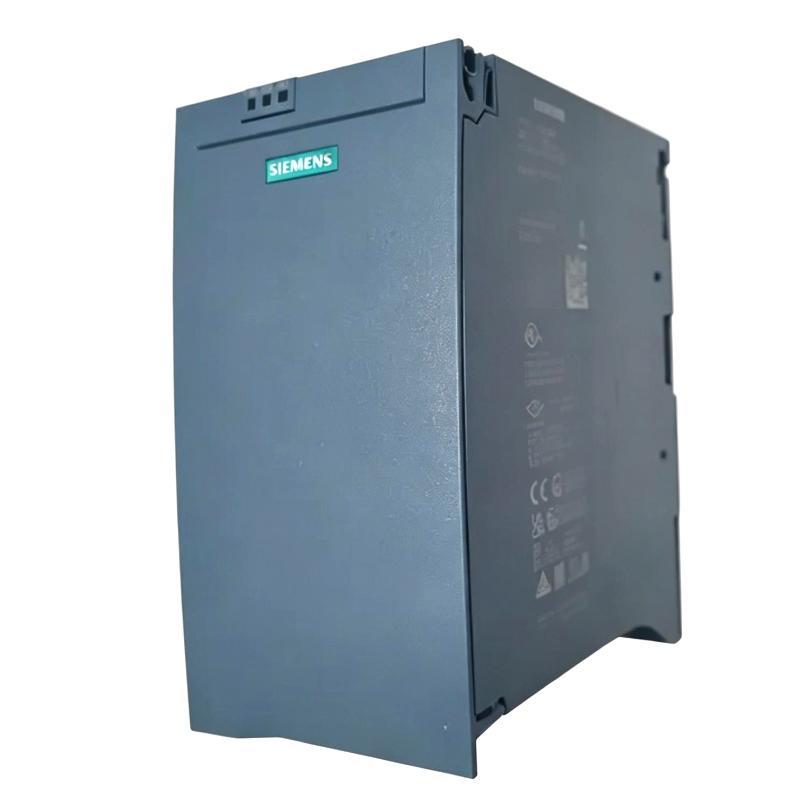
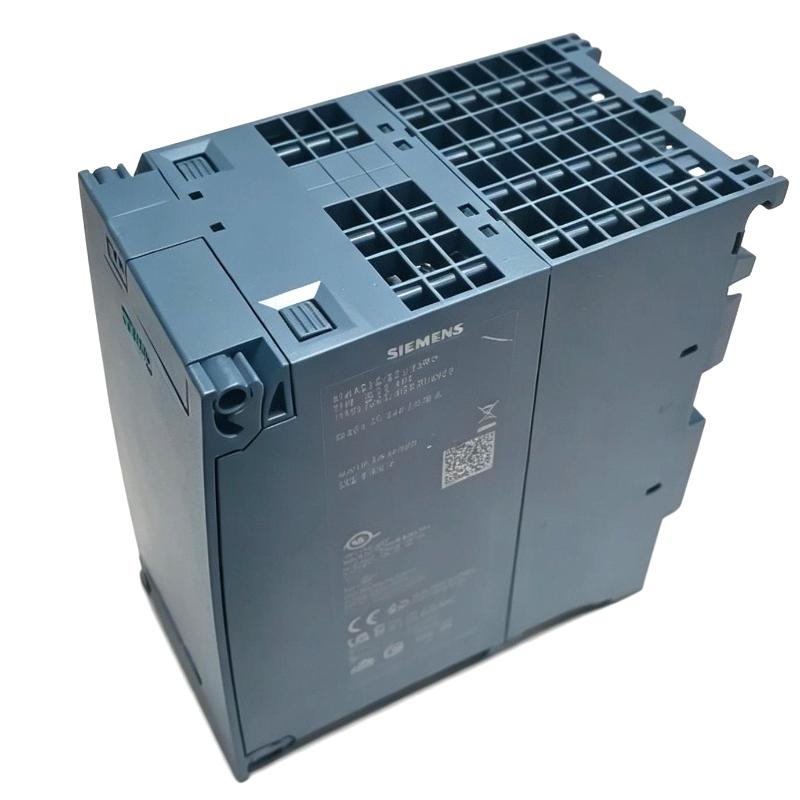
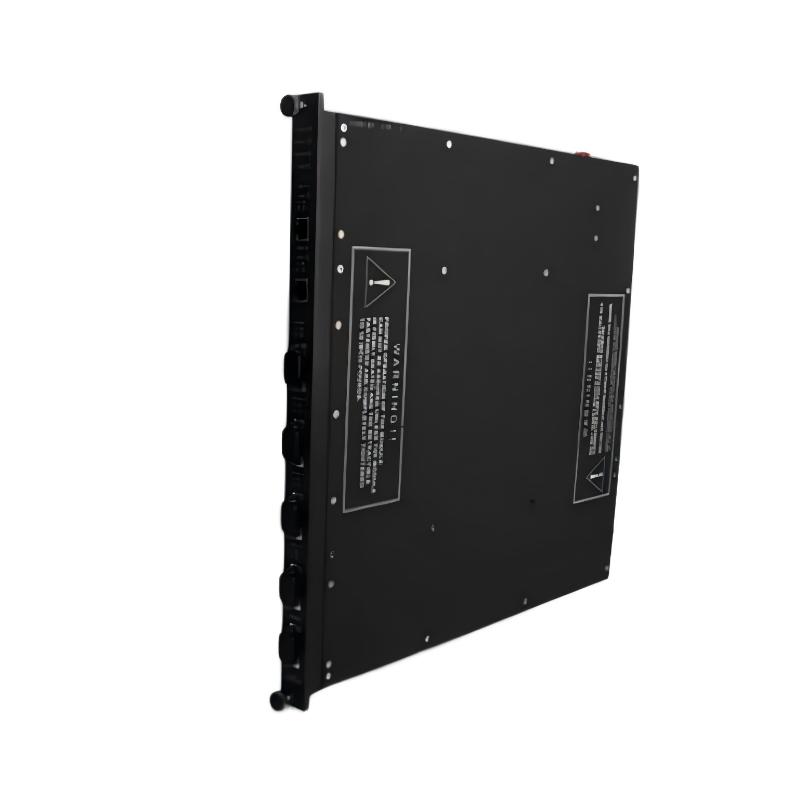
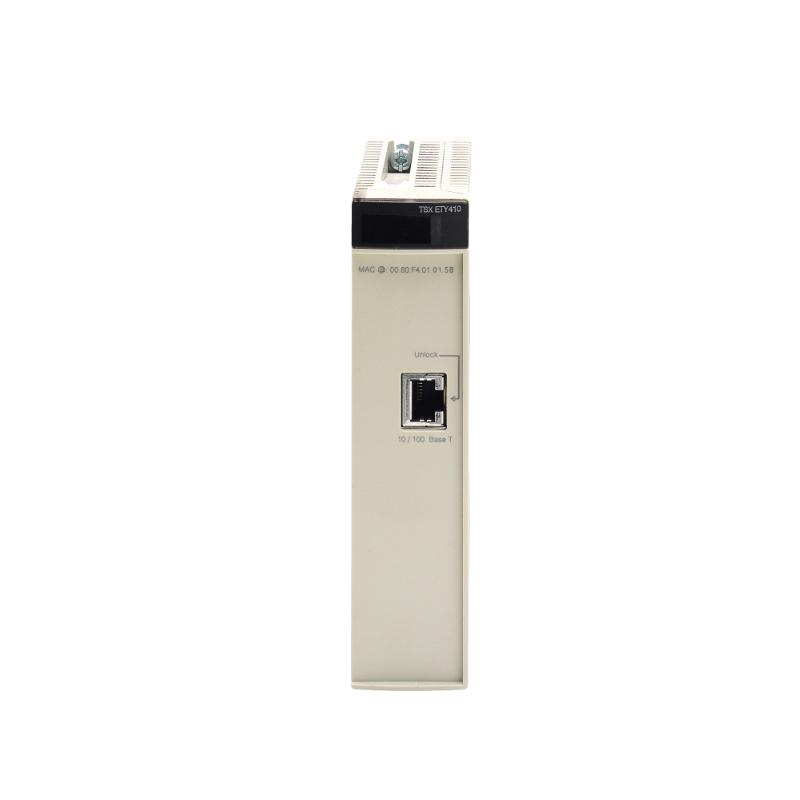
Brand:Siemens Item No.:6AG1543-1MX00-7XE0 Product Origin:Germany Product Dimensions:70 × 147 × 129 mm Product Weight:0.607 kg Payment:T/T, Western Union, Credit Card Goods_stock:15 Shipping Port:Xiamen, China Lead Time:1-3 Days Condition:Brand New And Original Warranty:1 Year Certificate:COO
Communication is a critical layer of modern industrial automation. A sophisticated production system may contain several controllers, distributed I/O stations, drives, HMIs, engineering systems, and supervisory platforms. These components must exchange information efficiently if the machine or plant is expected to operate as a coordinated whole.
The Siemens 6AG1543-1MX00-7XE0 is a SIPLUS S7-1500 Communication Module designed for communication-oriented applications within compatible Siemens automation architectures. Its modular format allows engineers to incorporate communication functionality into a structured control system while retaining the advantages of a standardized PLC platform.
In practical automation projects, communication may be responsible for transmitting machine status, process information, control commands, diagnostic messages, or other data between different system components. The importance of this function increases as production systems become more distributed and interconnected.
For machine builders, the modular concept also provides engineering flexibility. Communication requirements can vary considerably between machine models. A well-planned modular architecture allows the basic control platform to remain consistent while communication resources are selected according to the specific application.
The module's 70 mm width distinguishes it physically from narrower communication modules in the same general platform. This should be considered when planning cabinet layouts, module spacing, wiring access, and service clearance.
As with any industrial communication component, overall system performance depends on more than the module itself. Network configuration, cabling, connectors, addressing, grounding, shielding, electromagnetic conditions, power quality, and connected equipment all need to be considered during design and commissioning.
The SIPLUS platform is also relevant where environmental conditions influence equipment selection. Industrial installations can expose control hardware to temperature variation, humidity, vibration, contamination, and other site-specific conditions. Engineers should verify the actual application against the applicable product requirements.
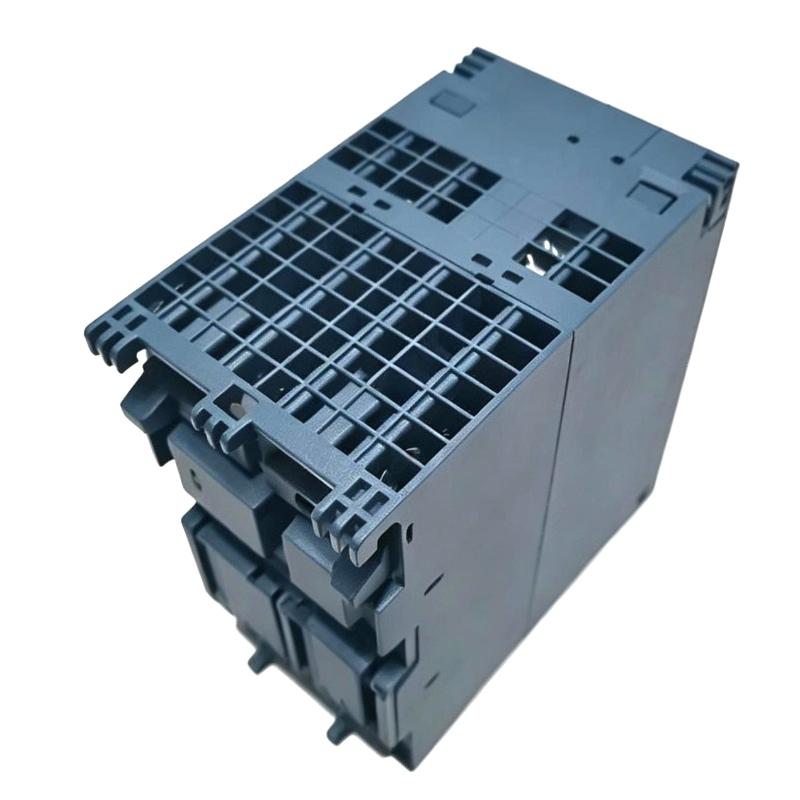
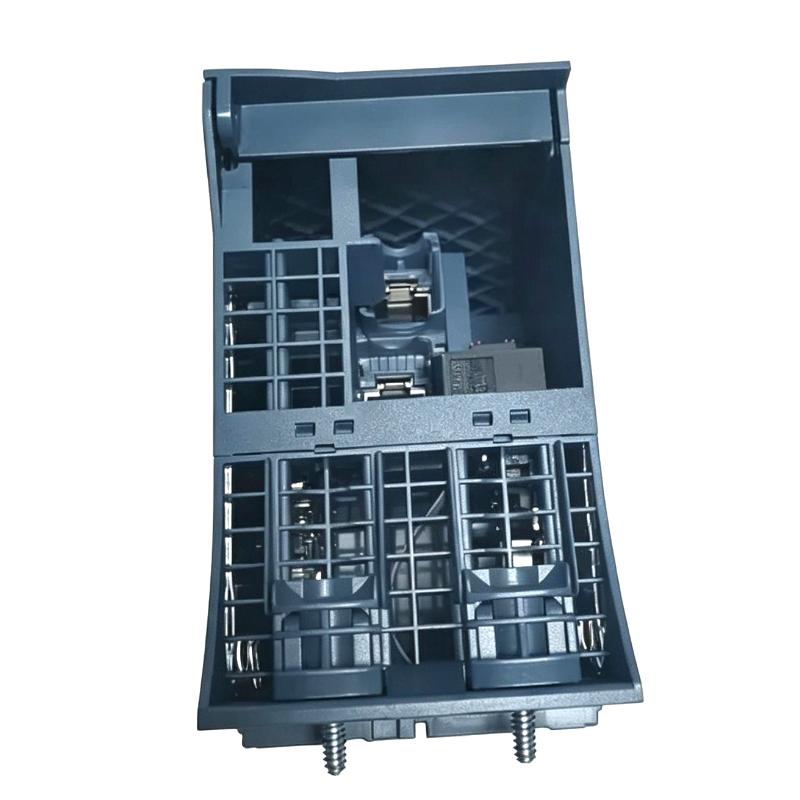
The Siemens 6AG1543-1MX00-7XE0 measures 70 × 147 × 129 mm and weighs 0.607 kg (1.34 lb). Its robust physical profile and modular construction make it appropriate for carefully planned industrial control cabinets where communication capability is a significant part of the system architecture.
For OEMs, automation integrators, and industrial control engineers, the module combines SIPLUS platform characteristics, modular S7-1500 integration, communication expansion, and professional cabinet-based installation. It is a strong candidate for appropriately engineered automation systems where dependable communication and scalable architecture are important design priorities.
Technical Specifications
Parameter
Specification
Brand
Siemens
Model
6AG1543-1MX00-7XE0
Product Family
SIPLUS S7-1500
Product Type
Communication Module
Module Function
Industrial Communication
Application
Industrial Automation
PLC Platform
S7-1500
Product Platform
SIPLUS
Installation
Modular PLC System
Dimensions
70 × 147 × 129 mm
Weight
0.607 kg (1.34 lb)
Recommended Related Models
Model
Product Type
Typical Role
Siemens 6AG1543-1AX00-2XE0
SIPLUS S7-1500 Communication Module
Communication expansion
Siemens 6AG1542-5DX00-7XE0
SIPLUS S7-1500 Communication Module
Communication expansion
Siemens 6AG1541-1AD00-7AB0
SIPLUS S7-1500 Communication Module
Communication expansion
Siemens 6AG1541-1AB00-7AB0
SIPLUS S7-1500 Communication Module
Communication expansion
Siemens 6AG1540-1AD00-7AA0
SIPLUS S7-1500 Communication Module
Communication expansion
Siemens 6AG1443-5DX05-4XE0
Communication Processor
Industrial communication
Popular Related Models
Model
Product Type
Siemens 6AG1543-1MX00-7XE0
SIPLUS S7-1500 Communication Module
Siemens 6AG1543-1AX00-2XE0
SIPLUS S7-1500 Communication Module
Siemens 6AG1542-5DX00-7XE0
SIPLUS S7-1500 Communication Module
Siemens 6AG1541-1AD00-7AB0
SIPLUS S7-1500 Communication Module
Siemens 6AG1541-1AB00-7AB0
SIPLUS S7-1500 Communication Module
Siemens 6AG1540-1AD00-7AA0
SIPLUS S7-1500 Communication Module
Siemens 6AG1540-1AB00-7AA0
SIPLUS S7-1500 Communication Module
Siemens 6AG1443-5DX05-4XE0
Communication Processor
Siemens 6AG1511-1AK02-2AB0
SIPLUS S7-1500 CPU Module
Applications
The 6AG1543-1MX00-7XE0 can be incorporated into compatible Siemens automation systems where expanded or specialized communication capability is required.
Industrial PLC communication – Supports structured communication within suitable Siemens control architectures.
Distributed automation systems – Helps connect controllers and automation components across larger machine or plant installations.
Production-line networking – Supports information exchange between interconnected automation stations.
Machine-to-machine communication – Provides communication resources for coordinated operation between compatible control systems.
Industrial control infrastructure – Can serve as part of a larger communication architecture supporting process automation.
OEM machine building – Offers additional flexibility when designing communication-rich machine platforms.
System integration – Supports communication expansion in appropriately engineered Siemens-based automation projects.
Process data exchange – Helps facilitate the transfer of operational and diagnostic information between compatible devices.
Automation modernization – Can be considered when an existing compatible system requires greater communication capability.
Where the Module Adds Practical Engineering Value
Expanded communication capacity The module provides additional communication resources for appropriately designed automation architectures, giving engineers more flexibility when connecting multiple industrial devices.
S7-1500 modular integration Its modular design fits the general architecture of the S7-1500 family, allowing communication functions to be incorporated alongside processing and I/O components.
SIPLUS platform positioning The SIPLUS product family is intended for applications where environmental conditions are an important consideration. Actual installation requirements should always be evaluated against the applicable product specifications.
Designed for interconnected systems Modern machines often depend on continuous data exchange. A dedicated communication module can help establish a more structured path for operational, control, and diagnostic information.
Suitable for larger control architectures The 70 mm width provides a larger hardware footprint, which can be advantageous where the communication function requires a more substantial module arrangement.
Scalable automation engineering A modular communication strategy allows engineers to expand system connectivity as machinery becomes more sophisticated or additional automation stations are introduced.
Service-friendly architecture Clearly separated communication functions can make commissioning and troubleshooting more systematic, helping technicians distinguish between network, configuration, and device-level problems.
Professional OEM solution For machine manufacturers and integrators, modular communication hardware can support repeatable engineering practices while accommodating different machine and plant configurations.
Technical FAQs
1. What is the Siemens 6AG1543-1MX00-7XE0? It is a SIPLUS S7-1500 Communication Module intended for communication-related functions within compatible Siemens industrial automation architectures.
2. Why would a larger automation system require dedicated communication hardware? As the number of controllers and connected devices increases, dedicated communication resources can help organize data exchange and reduce unnecessary complexity in the overall architecture.
3. What information can an industrial communication system exchange? Depending on the communication technology and application, systems can exchange process values, operating states, commands, diagnostics, status information, and other structured data.
4. Why is communication configuration as important as physical wiring? A physical connection only establishes the communication path. Devices must also have compatible configuration, addressing, parameters, and communication methods to exchange data correctly.
5. What should be checked when the module reports a communication problem? Review module diagnostics and status indicators first. Then check physical connections, configuration parameters, addressing, network conditions, and the status of connected devices.
6. What can result in intermittent communication? Potential causes include poor cable connections, damaged cables, electromagnetic interference, unstable power, incorrect configuration, addressing conflicts, or faults in other network equipment.
7. How does electromagnetic interference affect communication? Electrical noise from motors, drives, contactors, and high-power circuits can interfere with communication signals. Proper routing, grounding, and shielding practices are therefore important.
8. How should a communication fault be approached during troubleshooting? Use a structured process: verify module diagnostics, inspect physical connections, confirm configuration, test communication with the remote device, and then examine other network components.
9. Why should the network architecture be documented? Documentation provides a reliable reference for commissioning and maintenance and helps technicians understand device relationships, configuration parameters, and communication paths.
10. What should be completed before commissioning the module? Verify hardware compatibility, system configuration, communication parameters, network connections, addressing where applicable, diagnostic status, and successful data exchange with the intended communication partners.