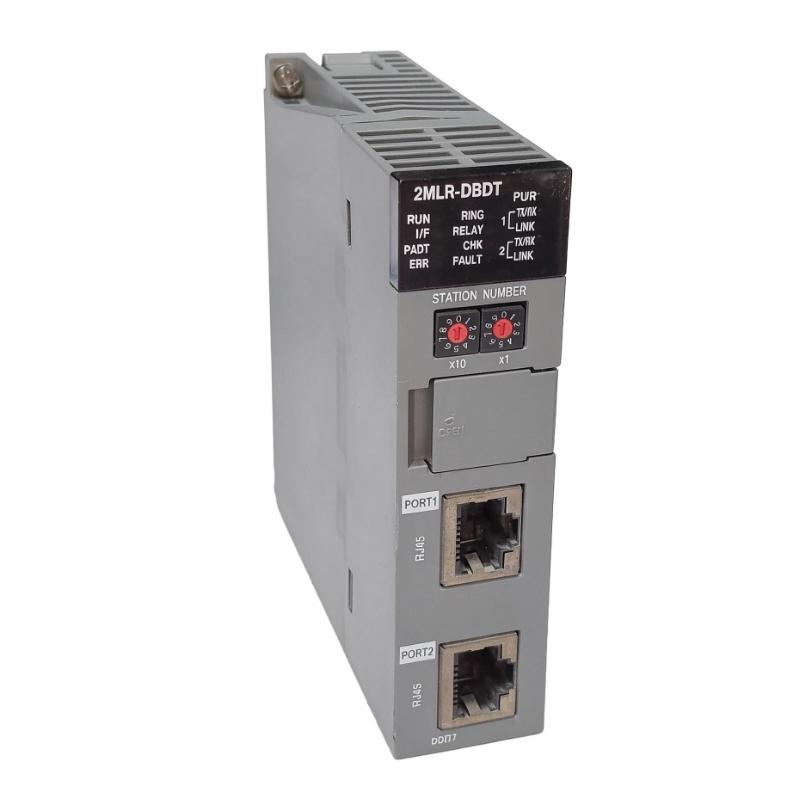
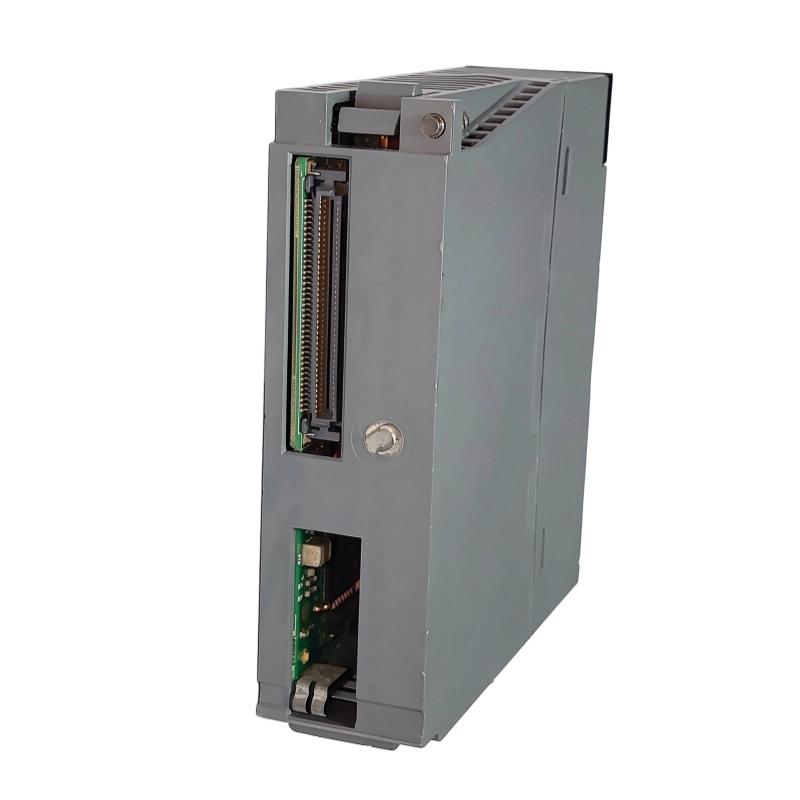
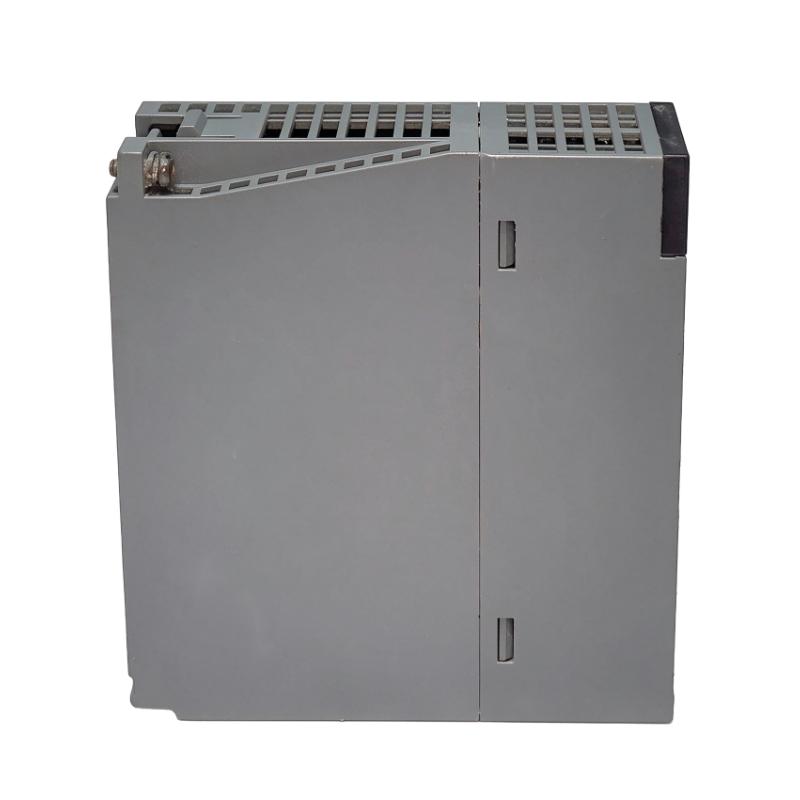
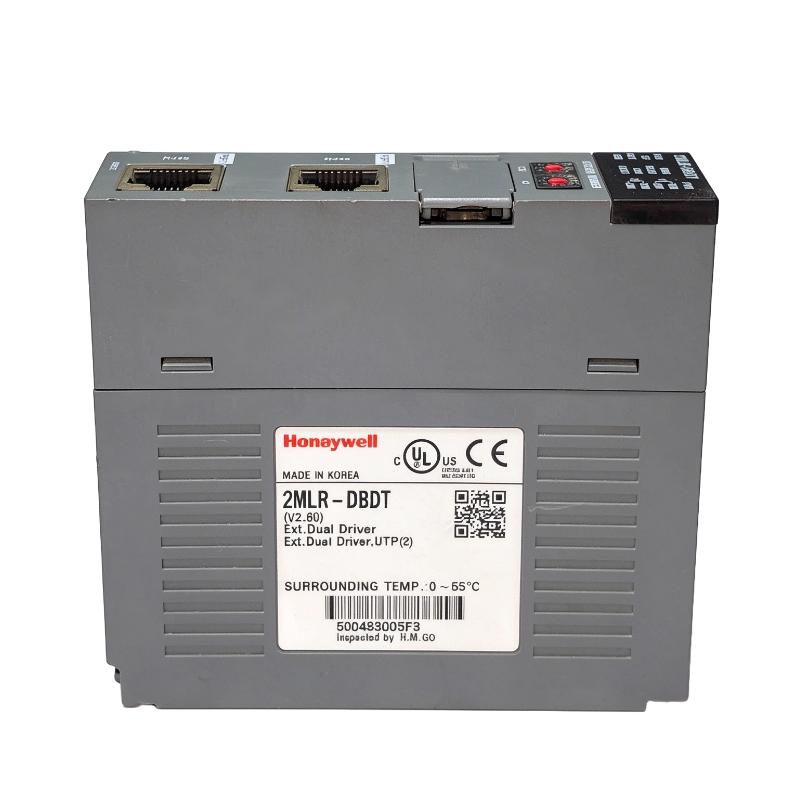
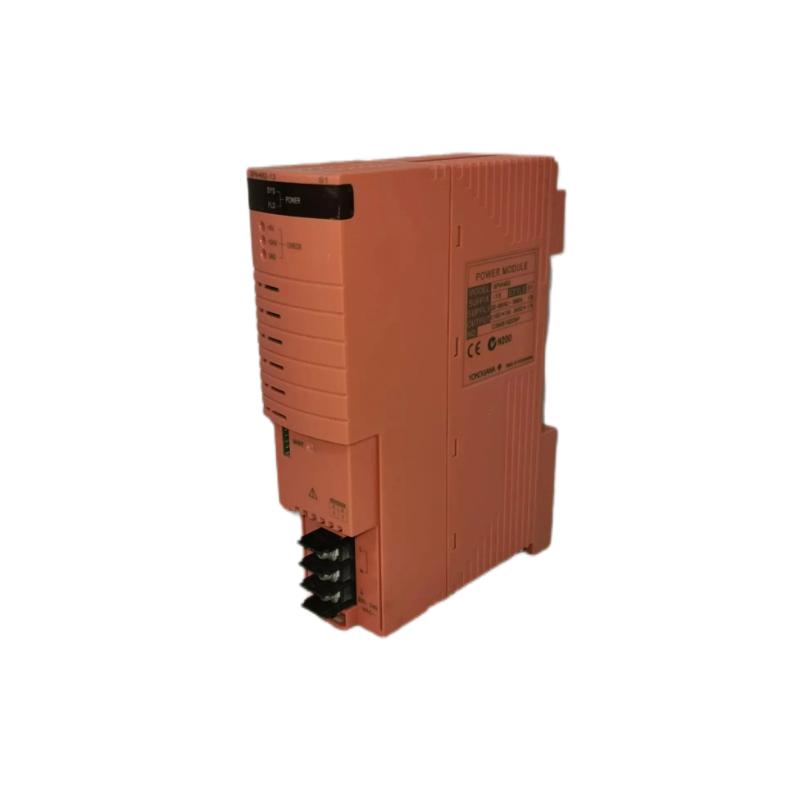
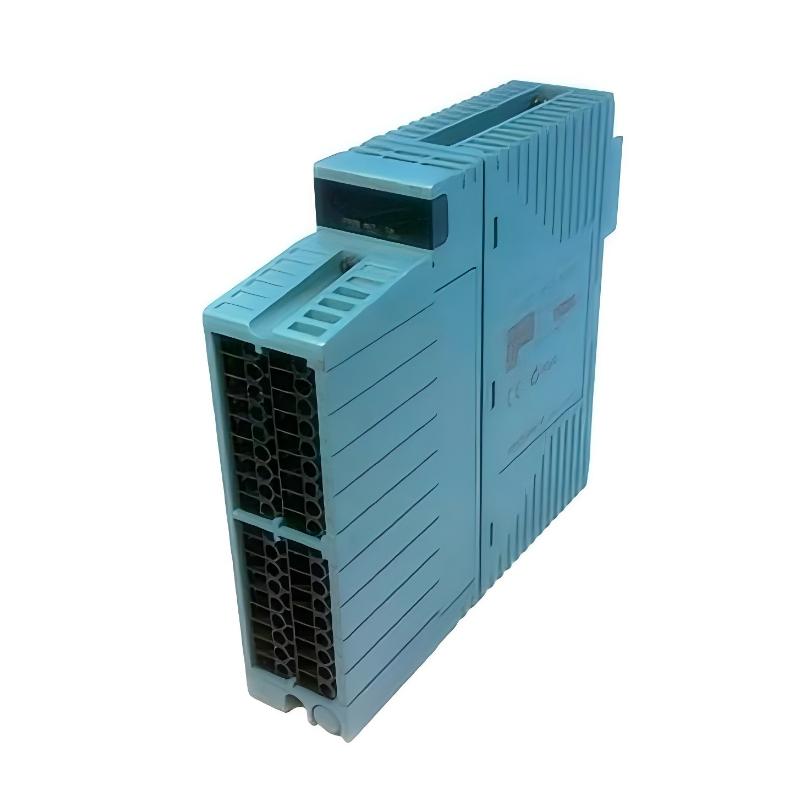
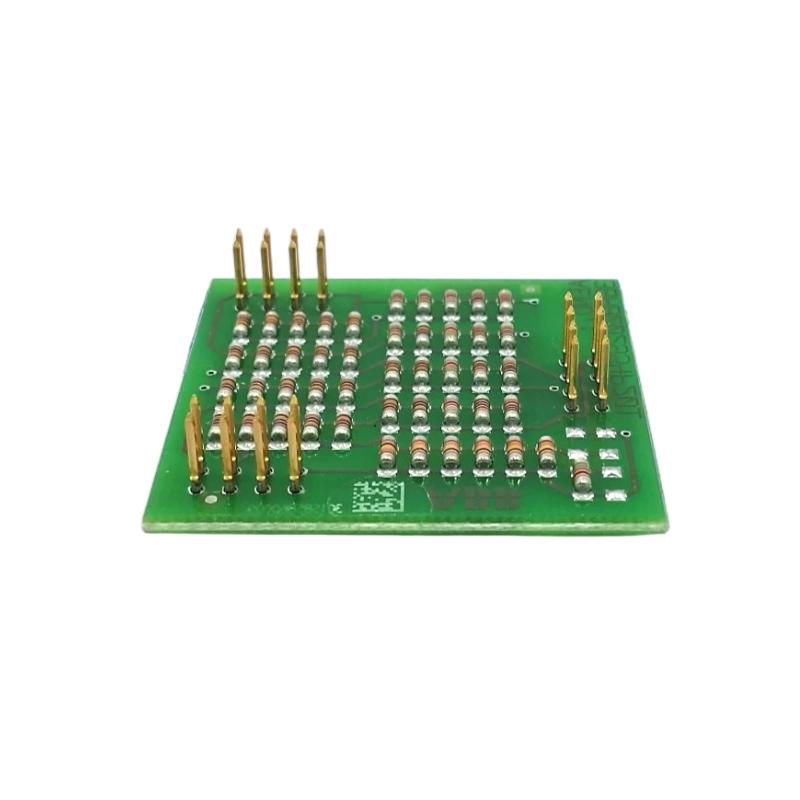
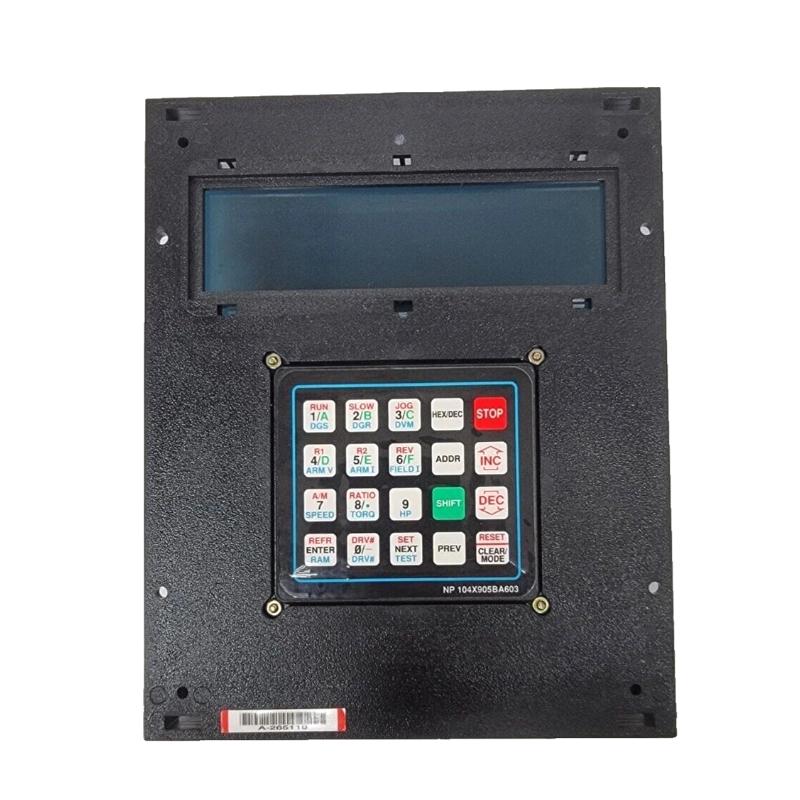
Brand:Honeywell DCS Item No.:2MLR-DBDT Product Origin:USA Product Dimensions:150 x 25 x 100 mm Product Weight:0.1 kg Payment:T/T, Western Union, Credit Card Goods_stock:15 Shipping Port:Xiamen, China Lead Time:1-3 Days Condition:Brand New And Original Warranty:1 Year Certificate:COO
The Honeywell 2MLR-DBDT Redundant Expansion Drive Module is an industrial automation component intended for use in a compatible Honeywell control system configuration. Expansion hardware forms part of the infrastructure that allows control systems to be assembled, maintained, and adapted to the requirements of an industrial installation. In systems designed for high availability, the compatibility of each component is particularly important because an incorrectly specified module can affect system operation or maintenance procedures.
Redundancy is an architectural concept rather than a feature that can be assumed from a product name alone. A redundant system typically requires coordinated hardware, supported configuration options, and appropriate fault-handling logic. For this reason, the 2MLR-DBDT should be evaluated against the intended controller platform and the manufacturer's specific guidance before it is used in a redundancy-critical application.
For plant engineers, system integrators, and industrial spare-parts buyers, accurate identification is a practical first step toward reliable equipment maintenance. Confirming the complete model number and the relevant hardware revision helps reduce the risk of ordering an unsuitable replacement or introducing an unsupported configuration.
The module's supplied compact dimensions and lightweight construction also make it convenient to account for during equipment planning and inventory management. For best results, installation, commissioning, and troubleshooting should be carried out according to the applicable Honeywell documentation and site procedures.
Technical Specifications
Parameter
Specification
Brand
Honeywell
Model
2MLR-DBDT
Product Type
Redundant Expansion Drive Module
Product Family
Verify against official Honeywell catalog documentation
Dimensions
150 × 25 × 100 mm
Weight
0.1 kg / 0.22 lb
Primary Function
Expansion-related hardware; verify exact function for this model
Redundancy Support
Confirm supported redundancy architecture and configuration
Compatible Controller/System
Verify from the official catalog and system documentation
Communication Interface
Verify from exact product documentation
Power Requirements
Verify from the module's technical documentation
Firmware Requirements
Confirm for the installed control system
Installation Requirements
Follow the manufacturer's instructions
Note: Dimensions and weight are based on the supplied product information. The exact functional role, system compatibility, electrical requirements, and redundancy capabilities should be verified against official documentation for the 2MLR-DBDT before purchase or installation.
Recommended Related Models
The following Honeywell models are worth reviewing when sourcing related control system hardware. Their inclusion does not establish direct compatibility or interchangeability with the 2MLR-DBDT.
Model
Product Type
Relevance
2MLR-DBSFS
Expansion Drive Module
Related expansion hardware model; verify exact function
2MLR-DBSHS
Expansion Drive Module
Related expansion hardware model; verify system compatibility
2MLR-AC12
Power Supply Module
Power-system component for applicable configurations
2MLR-AC22
Power Supply Module
Alternative power supply model for review
2MLQ-RY1D
Diagnostic Output Relay Module
Related industrial control hardware for diagnostic output applications
Popular Related Models
These Honeywell components may be relevant when maintaining or expanding an industrial control equipment inventory.
Model
Product Type
Typical Role
2MLR-DBDT
Redundant Expansion Drive Module
Specified expansion module
2MLR-DBSFS
Expansion Drive Module
Expansion hardware
2MLR-DBSHS
Expansion Drive Module
Expansion hardware
2MLR-AC12
Power Supply Module
Power supply
2MLR-AC22
Power Supply Module
Power supply
Ordering recommendation: Verify the full catalog number, the module's actual function, the supported Honeywell system family, and any redundancy or firmware requirements before purchasing. Related models may have different functions and should not be treated as direct replacements without documented confirmation.
Applications
The Honeywell 2MLR-DBDT Redundant Expansion Drive Module is an industrial automation component intended for use in compatible control system expansion and redundancy-related configurations. In process automation environments, expansion hardware helps support the integration of additional system components, while redundancy-oriented architectures are designed to improve system availability when a properly engineered backup arrangement is implemented.
The exact role of the 2MLR-DBDT depends on the controller platform, associated hardware, and system configuration. Before installation or replacement, engineers should confirm the module's official function, supported system family, and compatibility requirements using the product's catalog documentation.
Typical application areas to evaluate include:
Industrial control system expansion: Supporting approved expansion arrangements within a compatible Honeywell control system.
Process automation infrastructure: Use in suitable control architectures for continuous industrial operations.
Redundancy-related installations: Consideration in systems designed to maintain availability through supported redundant hardware configurations.
Control cabinet maintenance: Replacement of an installed module after verifying the full catalog number and hardware revision.
Industrial spare-parts management: Stocking identified components for planned maintenance and equipment lifecycle support.
Key Advantages of the Honeywell 2MLR-DBDT
1. Designed for a Specific Control System Configuration
Using the correct expansion module helps maintain the intended hardware arrangement of a compatible automation platform. Exact model verification is essential because modules with similar names may serve different functions.
2. Supports Expansion Planning
Expansion hardware can help engineers organize the growth and maintenance of a control system. The module's precise expansion role and supported configuration should be checked against the manufacturer's documentation.
3. Relevant to Redundancy-Oriented Architectures
Redundant control architectures can improve availability when the controller, communication paths, power supplies, and associated modules are designed and configured to support redundancy. The presence of a module described as redundant does not by itself guarantee system-level redundancy.
4. Compact Physical Design
With supplied dimensions of 150 × 25 × 100 mm, the module has a relatively compact form factor for industrial equipment planning. Confirm the mounting orientation, installation clearance, and space requirements for the intended rack or cabinet.
5. Lightweight for Handling and Inventory
The supplied weight of 0.1 kg makes the module convenient to handle during spare-parts storage and maintenance activities. Installation should still follow the applicable electrostatic-discharge and electrical safety precautions.
6. Supports Planned Maintenance Workflows
Accurate catalog identification and compatibility checks can help maintenance teams source the intended component, reduce procurement errors, and prepare replacement work more efficiently.
Technical FAQs
Q1: What is the function of the Honeywell 2MLR-DBDT?
It is identified by the supplied product name as a Redundant Expansion Drive Module. Its precise role within the Honeywell control system should be confirmed from the official documentation for this catalog number before it is specified for an application.
Q2: Which Honeywell control system supports the 2MLR-DBDT?
Compatibility should be verified using the module's official catalog entry and the documentation for the target controller or system family. Do not assume that it is compatible with every Honeywell PLC, controller, or DCS platform.
Q3: Does the 2MLR-DBDT provide automatic redundancy?
A module alone does not guarantee automatic redundancy. Redundant operation depends on the supported hardware architecture, system configuration, firmware, communication paths, and appropriate engineering settings.
Q4: Can this module be installed in place of another expansion drive module?
Only if the alternative model is explicitly approved for the same application. Compare the complete catalog number, hardware revision, electrical characteristics, and system compatibility before substitution.
Q5: What should be checked before installing the module?
Confirm the intended slot or mounting arrangement, supported system family, power requirements, hardware revision, and any configuration or firmware prerequisites. Follow the manufacturer's installation instructions.
Q6: Is the module hot-swappable?
Hot swapping should not be assumed. Check the official installation manual to determine whether replacement under power is supported for the specific hardware and configuration. If not explicitly permitted, isolate the equipment according to site safety procedures before servicing.
Q7: What could cause a control system to fail to recognize the module?
Potential causes include an incompatible system configuration, improper installation, connection problems, unsupported firmware, or a defective component. Review system diagnostics and installation requirements before concluding that the module has failed.
Q8: Can the 2MLR-DBDT be used in a safety-related control function?
Do not assume that the module is safety-rated. Safety-related applications require explicit confirmation of the component's certification, approved use, and compatibility with the complete safety architecture.
Q9: What information should be recorded when replacing the module?
Record the full catalog number, hardware revision, installed system model, slot or mounting position, diagnostic information, and relevant configuration details. This helps maintenance personnel identify the correct replacement and assess the system after installation.
Q10: How can module-related faults be diagnosed?
Begin by reviewing controller diagnostics, status indicators, installation records, and any system alarms. Check physical seating and connections only under approved safety procedures. If a fault persists, compare the configuration against the official documentation and consult qualified service personnel.