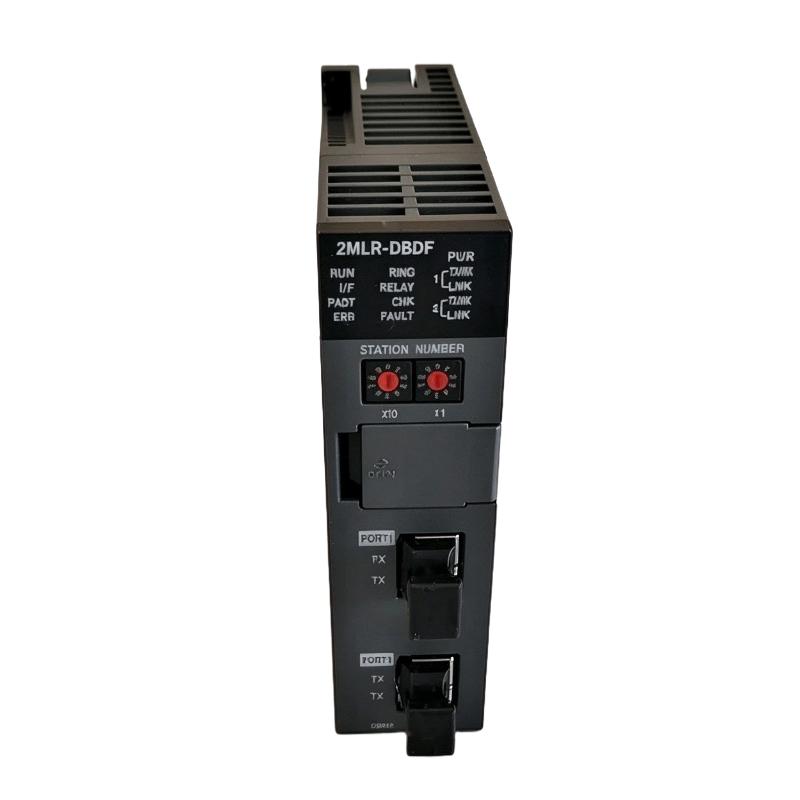
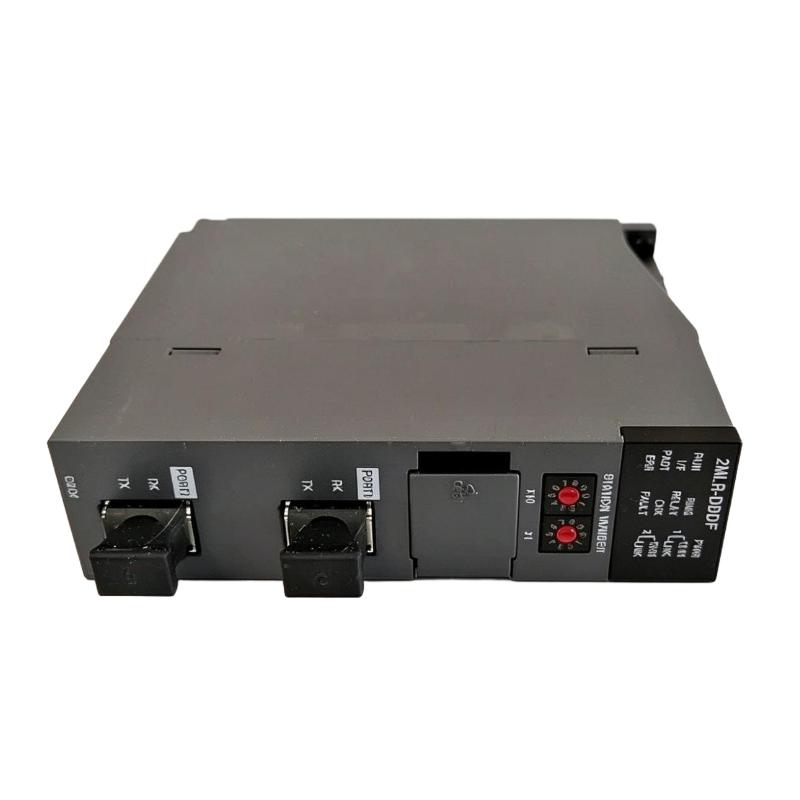
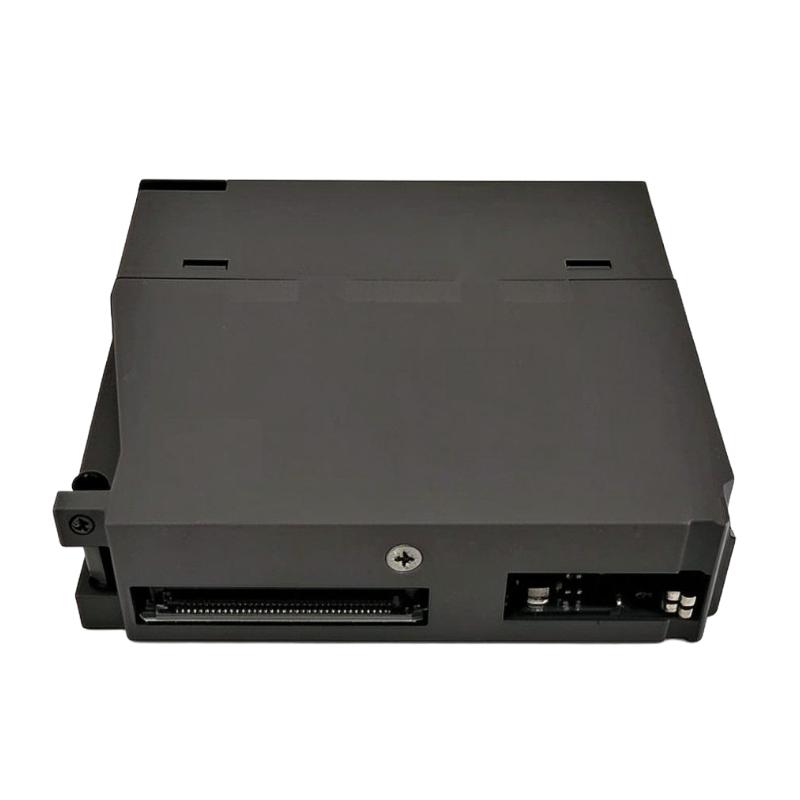
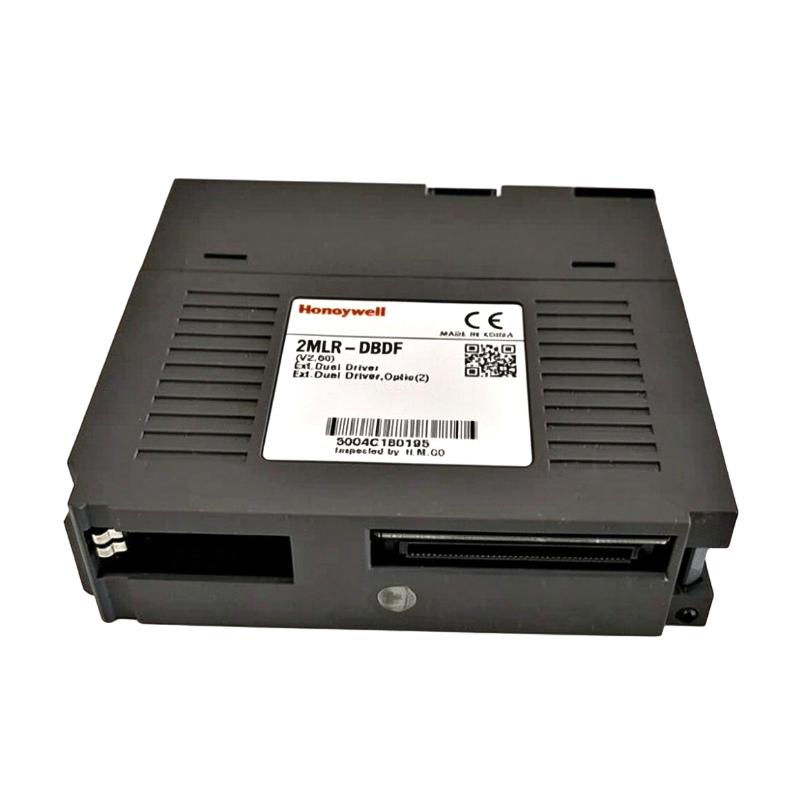
Brand:Honeywell DCS Item No.:2MLR-DBDF Product Origin:USA Product Dimensions:150 x 25 x 100 mm Product Weight:0.1 kg Payment:T/T, Western Union, Credit Card Goods_stock:15 Shipping Port:Xiamen, China Lead Time:1-3 Days Condition:Brand New And Original Warranty:1 Year Certificate:COO
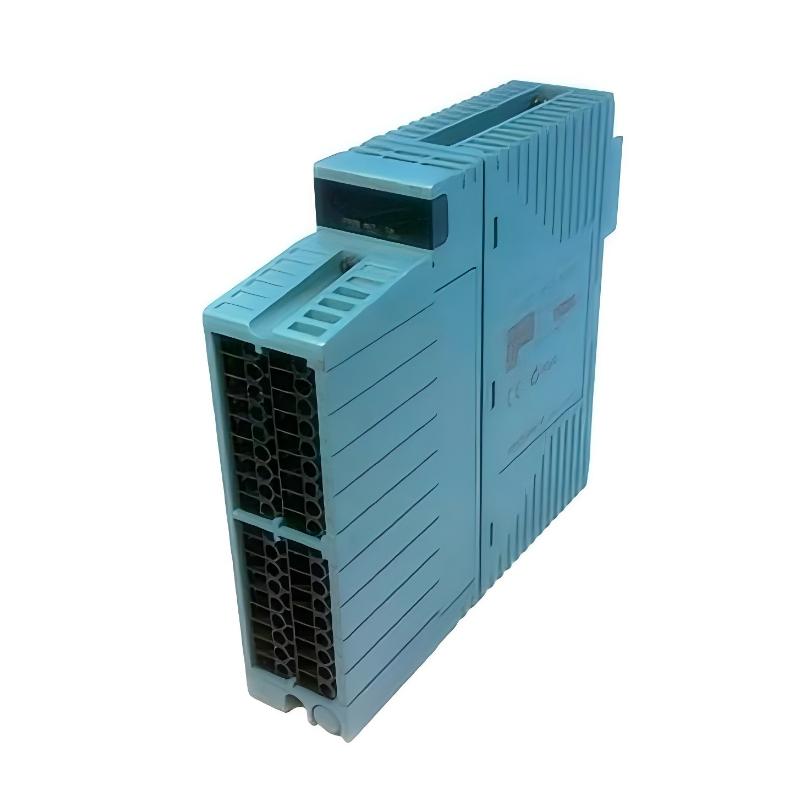
The Honeywell 2MLR-DBDF Redundant Expansion Drive Module is an industrial control component identified for a specific expansion-related application. In automation environments, the selection of suitable hardware is important for maintaining a consistent system configuration, supporting planned maintenance, and avoiding unnecessary interruptions during replacement work.
For installations involving redundancy, component selection requires particular care. Redundant control architectures rely on compatible hardware and a supported system design; a similarly named module is not necessarily a suitable substitute. Before using the 2MLR-DBDF in a new installation or an existing system, engineers should confirm its precise function, supported equipment, and configuration requirements from the applicable Honeywell documentation.
For maintenance engineers, system integrators, and industrial spare-parts purchasers, accurate catalog identification is an essential part of procurement. Verifying the model number and hardware revision helps reduce the risk of compatibility problems and simplifies communication between purchasing, engineering, and maintenance teams.
The supplied dimensions of 150 × 25 × 100 mm and weight of 0.1 kg also provide useful information for storage and equipment planning. Final installation and commissioning should follow the manufacturer's instructions and the site's established electrical safety procedures.
Technical Specifications
Parameter
Specification
Brand
Honeywell
Model
2MLR-DBDF
Product Type
Redundant Expansion Drive Module
Product Family
Verify against official Honeywell documentation
Dimensions
150 × 25 × 100 mm
Weight
0.1 kg / 0.22 lb
Primary Function
Expansion-related control hardware; verify exact function
Redundancy Role
Confirm from official system documentation
Compatible Control System
Verify the exact supported system family
Communication Interface
Confirm from the product specifications
Power Requirements
Confirm from the official technical documentation
Firmware Requirements
Verify for the target system configuration
Installation Requirements
Follow the manufacturer's instructions
Note: Dimensions and weight are based on the supplied product information. The exact functional role, electrical characteristics, supported hardware, and redundancy capabilities should be confirmed from the official documentation for the 2MLR-DBDF before ordering or installation.
Recommended Related Models
The following Honeywell models may be relevant when reviewing related control system hardware. Their inclusion does not establish direct compatibility with the 2MLR-DBDF.
Model
Product Type
Relevance
2MLR-DBDT
Redundant Expansion Drive Module
Related model for catalog comparison; verify the exact function
2MLR-DBSFS
Expansion Drive Module
Expansion hardware for review
2MLR-DBSHS
Expansion Drive Module
Related expansion hardware
2MLR-AC12
Power Supply Module
Power supply hardware for applicable configurations
2MLR-AC22
Power Supply Module
Alternative power supply model for comparison
Popular Related Models
These Honeywell catalog numbers may be useful when reviewing industrial control spare-parts requirements. Confirm each model's specifications and application before purchasing.
Model
Product Type
Typical Role
2MLR-DBDF
Redundant Expansion Drive Module
Specified component
2MLR-DBDT
Redundant Expansion Drive Module
Related catalog model
2MLR-DBSFS
Expansion Drive Module
Expansion hardware
2MLR-DBSHS
Expansion Drive Module
Expansion hardware
2MLR-AC12
Power Supply Module
Power supply
Ordering recommendation: Confirm the exact catalog number, supported Honeywell platform, hardware revision, and documented function before purchase. In particular, do not assume that the 2MLR-DBDF and 2MLR-DBDT are interchangeable without explicit compatibility confirmation.
Applications
The Honeywell 2MLR-DBDF Redundant Expansion Drive Module is identified as an industrial automation component intended for a specific control system configuration. Expansion hardware can support the organization and extension of industrial control installations, while redundancy-related components may form part of architectures designed to improve system availability.
The exact function of the 2MLR-DBDF, including its relationship to redundant expansion hardware, should be confirmed against the manufacturer's documentation for this precise catalog number. This is particularly important when selecting components for an existing Honeywell system, where hardware compatibility and supported configuration options can affect commissioning and operational reliability.
Potential application areas to evaluate include:
Industrial control system maintenance: Sourcing a specified component for servicing compatible control equipment.
Control system expansion: Supporting approved hardware arrangements where the module is documented for use.
Process automation infrastructure: Maintaining the hardware configuration of industrial process control installations.
Redundancy-oriented system designs: Evaluating the module for a supported redundant configuration after confirming its official function.
Industrial spare-parts management: Keeping accurately identified replacement components available for planned maintenance.
Key Advantages of the Honeywell 2MLR-DBDF
1. Model-Specific Hardware Selection
Using the correct catalog number helps ensure that the selected component matches the intended system configuration. Exact model verification is essential when similar product numbers may represent different hardware variants.
2. Supports Organized System Maintenance
Clearly identified control system components make maintenance planning and replacement work more manageable. Recording the complete model number and hardware revision helps reduce ordering errors.
3. Relevant to Expansion Hardware Planning
Expansion components can be important when maintaining or modifying an industrial control installation. The supported system family and precise role of this module should be verified before incorporating it into a design.
4. Consideration for Redundancy-Related Applications
Redundant architectures are designed to maintain availability under defined failure conditions. Whether the 2MLR-DBDF participates in a particular redundant arrangement must be established from the official system documentation; the module name alone does not confirm a specific redundancy function.
5. Compact Physical Dimensions
The supplied dimensions of 150 × 25 × 100 mm help engineers estimate storage requirements and plan physical space. Actual mounting orientation and required installation clearance should be checked before fitting the module.
6. Lightweight Construction
With a supplied weight of 0.1 kg, the module is easy to handle during inventory management and routine maintenance. Appropriate electrical safety and electrostatic-discharge precautions should still be followed.
Technical FAQs
Q1: What is the Honeywell 2MLR-DBDF used for?
The supplied product description identifies it as a Redundant Expansion Drive Module. Its precise function and supported applications should be confirmed from official Honeywell documentation for the exact catalog number.
Q2: Which Honeywell control systems support this module?
Compatibility depends on the intended control platform and the system's hardware configuration. Verify the model against the controller or system manual rather than assuming that it works across all Honeywell PLC and DCS products.
Q3: Does the 2MLR-DBDF provide system redundancy by itself?
No redundancy capability should be assumed from the module name alone. System redundancy generally depends on supported hardware combinations, configuration settings, and the overall control architecture.
Q4: Can the 2MLR-DBDF replace the 2MLR-DBDT?
Do not treat the two models as interchangeable without documented confirmation. Compare their official specifications, hardware functions, supported configurations, and revision requirements before selecting a replacement.
Q5: What should be verified before installation?
Confirm the full catalog number, supported system family, installation position, electrical requirements, hardware revision, and any required configuration or firmware prerequisites.
Q6: Is hot swapping supported?
Hot swapping must not be assumed. Consult the module's installation documentation to determine whether powered replacement is permitted for the specific system. Otherwise, follow the approved shutdown and isolation procedure before servicing.
Q7: What could cause the system not to recognize the module?
Possible causes include an unsupported configuration, incorrect installation, connection problems, incompatible hardware revisions, or a component fault. Use the system's diagnostic information and official troubleshooting procedures to identify the cause.
Q8: Can this module be used in a safety-critical application?
Do not assume that it is safety-rated. Confirm the applicable certifications and approved use before including it in any safety-related design.
Q9: What details should be recorded when ordering a replacement?
Record the complete catalog number, hardware revision, existing system model, installation position, and any relevant diagnostic information. This helps ensure the replacement is selected for the correct application.
Q10: How should a suspected module fault be investigated?
Review system alarms and diagnostic indicators first. Under approved safety procedures, inspect installation and connections, then verify hardware compatibility and configuration. If the fault remains unresolved, follow the manufacturer's service procedure.