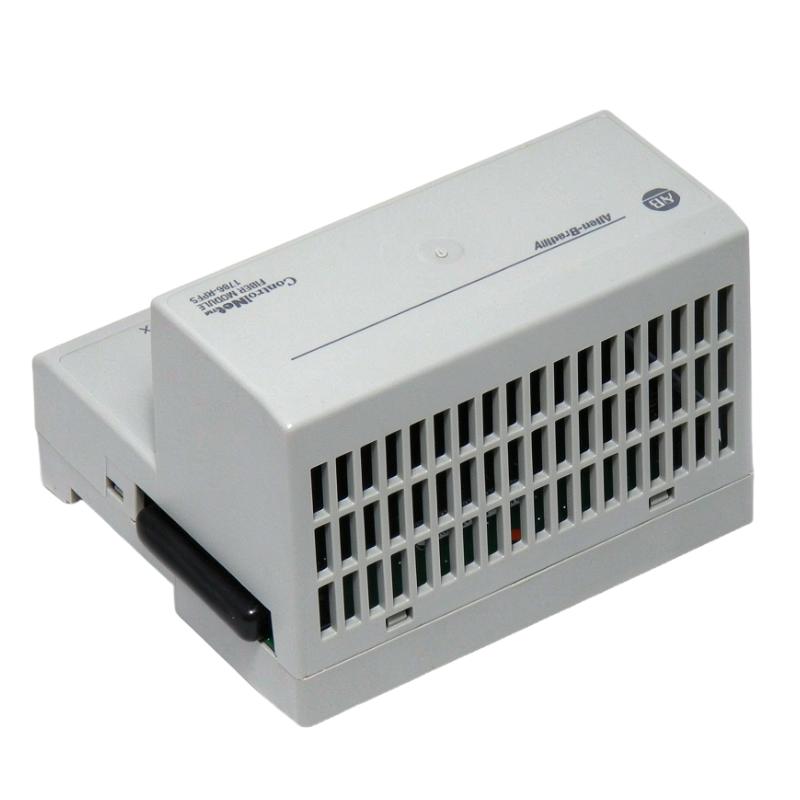
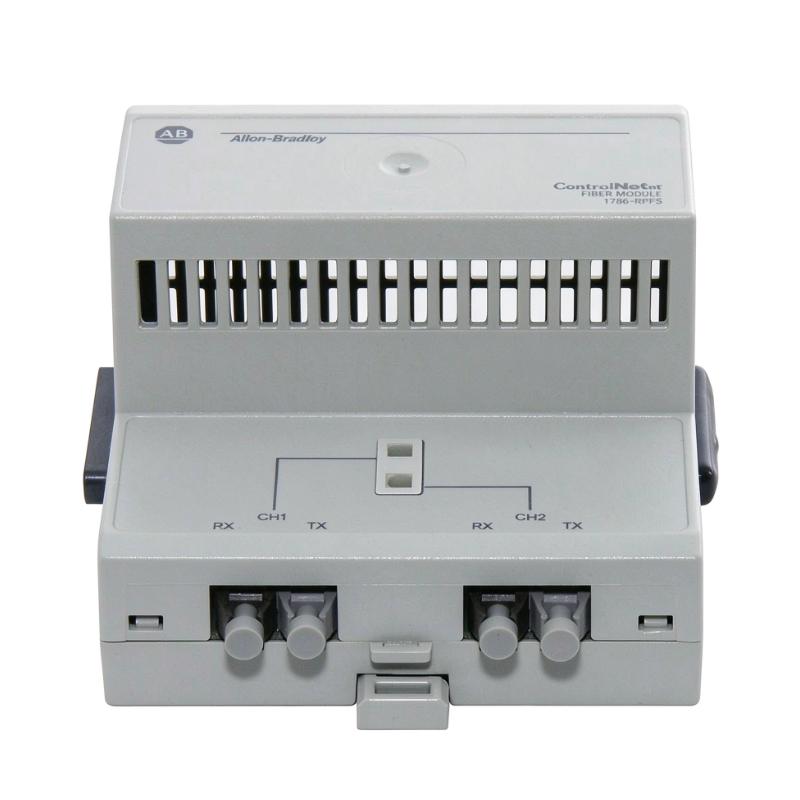
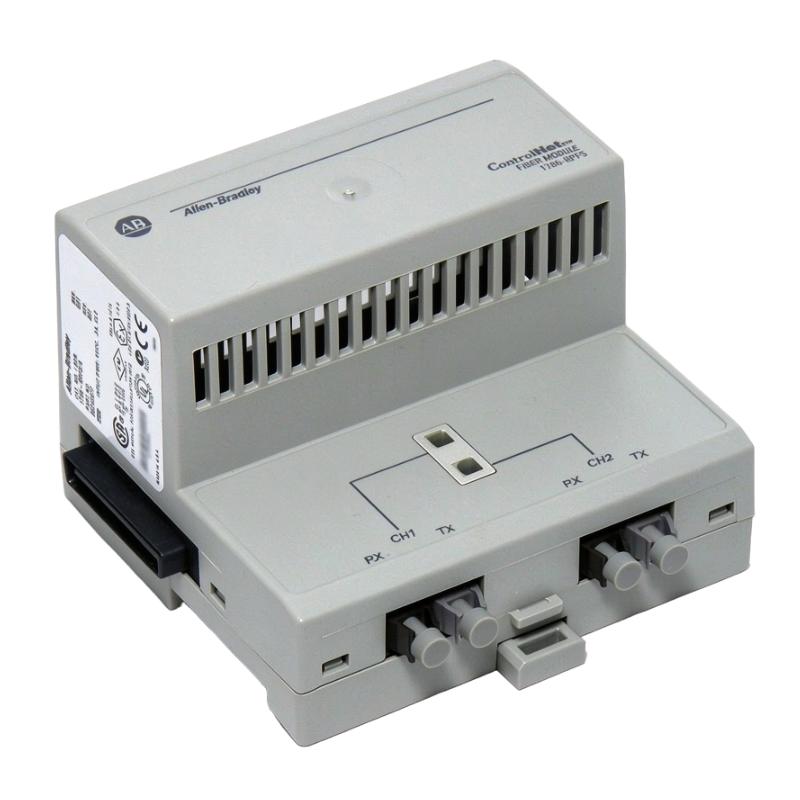
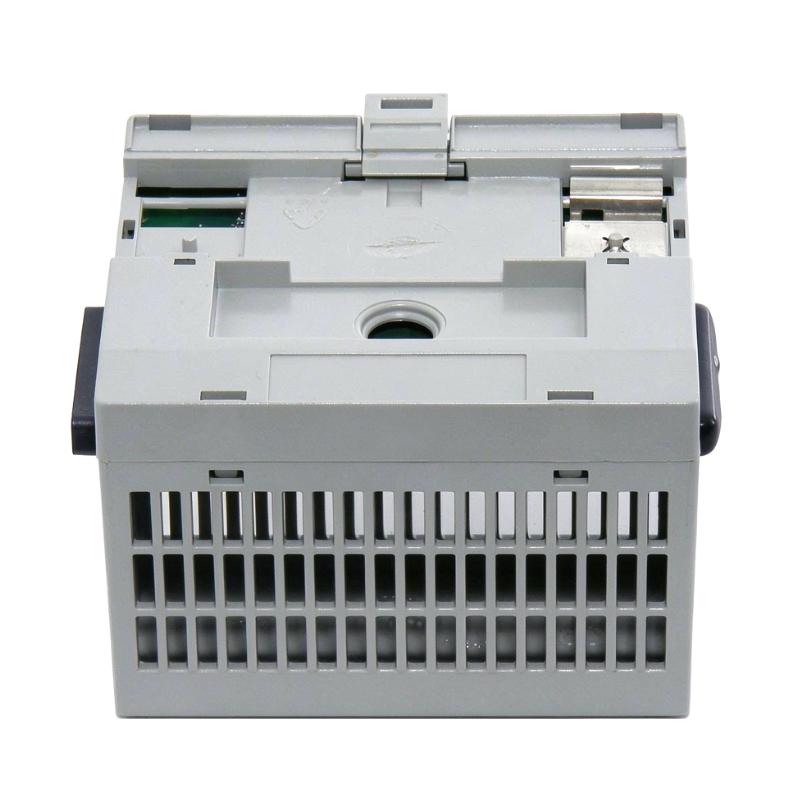
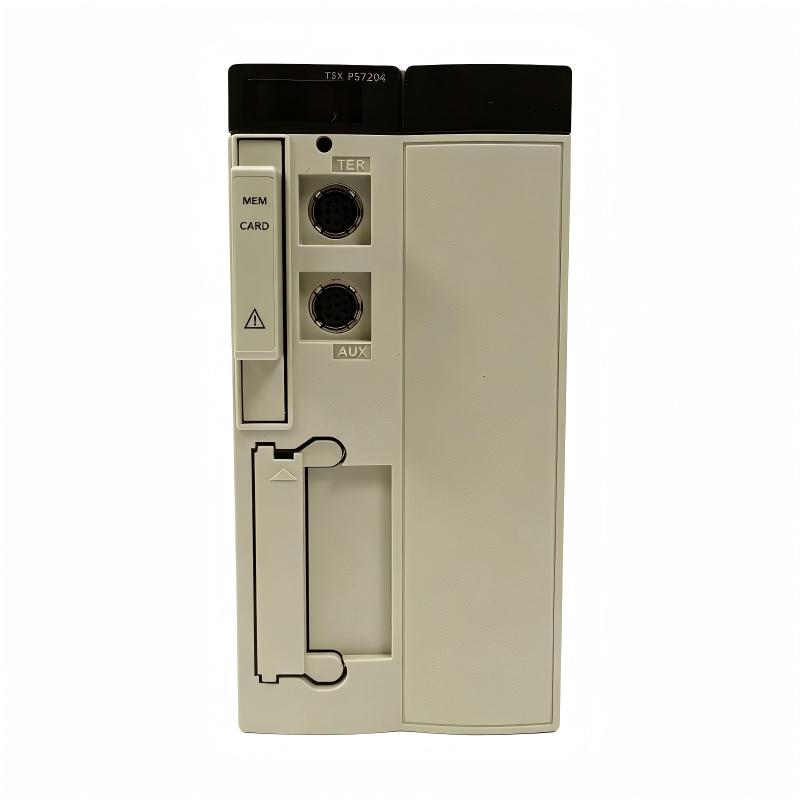
Allen Bradley 1786-RPFS ControlNet Short-Range Fiber-Optic Repeater Module
Allen Bradley 1786-RPFS ControlNet Short-Range Fiber-Optic Repeater Module
0.0
Points
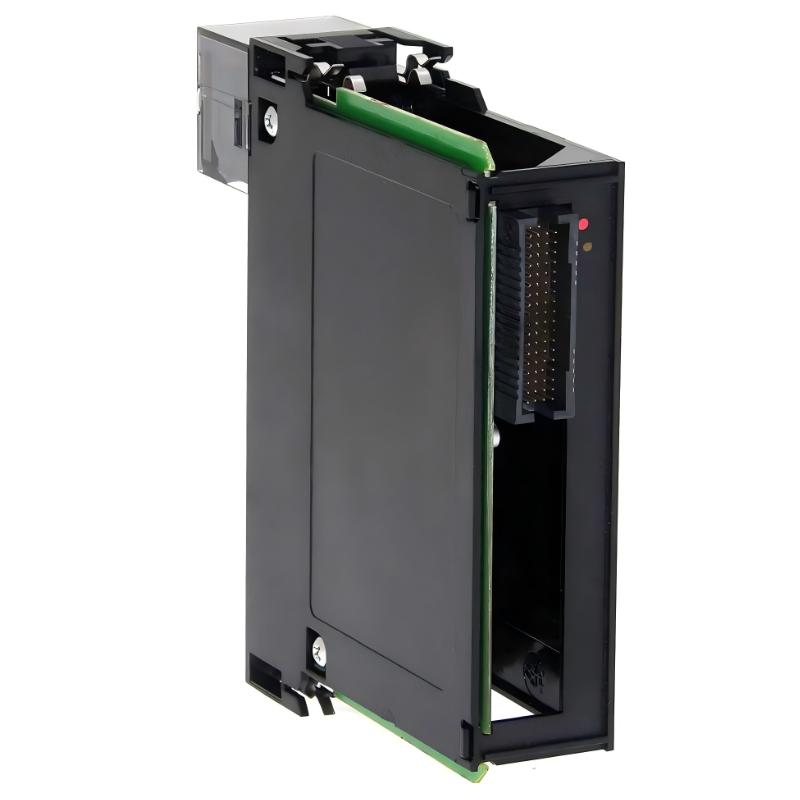
Brand:Allen Bradley PLC Item No.:1786-RPFS Product Origin:USA Product Dimensions:111 x 69 x 96.8 mm Product Weight:0.11 kg Payment:T/T, Western Union, Credit Card Goods_stock:15 Shipping Port:Xiamen, China Lead Time:1-3 Days Condition:Brand New And Original Warranty:1 Year Certificate:COO
The Allen Bradley 1786-RPFS ControlNet Short-Range Fiber-Optic Repeater Module is intended for industrial communication systems that use compatible ControlNet fiber-optic interfaces. It provides a network component for applications requiring optical communication between supported network sections.
In industrial automation, network reliability is important for coordinating PLCs, distributed equipment, and control-system communication. Fiber-optic links can be beneficial in installations with significant electromagnetic interference or where electrical isolation between network sections is desirable.
The 1786-RPFS may be considered for maintenance, replacement, or network expansion projects involving compatible ControlNet infrastructure. Before purchasing, confirm the full catalog number, optical specifications, required accessories, and compatibility with the existing network architecture.
Fiber-optic network communication and repeater functions
Optical Interface
Verify against product documentation
Supported Fiber Type
Confirm the exact specification
Power Requirements
Verify against the module's electrical documentation
Network Compatibility
Confirm the installed ControlNet configuration
The dimensions and weight are based on the supplied product information. Confirm the module's electrical and optical specifications before procurement or installation.
Recommended Related Models
The following Allen Bradley ControlNet components may be relevant when planning network maintenance or evaluating alternative communication arrangements. They are not confirmed direct replacements for the 1786-RPFS.
Model
Product Type
Selection Consideration
Allen Bradley 1786-RPFM
ControlNet Fiber Repeater Module
Verify optical specifications and network compatibility
Allen Bradley 1786-RPA
ControlNet Repeater Adapter
Confirm the supported repeater architecture
Allen Bradley 1786-FS10
ControlNet Fiber-Optic Cable Assembly
Verify cable length and connector requirements
Allen Bradley 1786-FS20
ControlNet Fiber-Optic Cable Assembly
Check optical interface and installation distance
Always verify connector types, supported fiber characteristics, and hardware compatibility before selecting related components.
Popular Related Models
These Allen Bradley products may also be relevant to ControlNet network installation, maintenance, and expansion.
Model
Product Type
Typical Role
Allen Bradley 1786-FS40
ControlNet Fiber-Optic Cable Assembly
Fiber-optic network interconnection
Allen Bradley 1786-FS60
ControlNet Fiber-Optic Cable Assembly
Fiber-optic communication cabling
Allen Bradley 1786-TPR
ControlNet T-Tap
Coaxial network connection
Allen Bradley 1786-TPYR
ControlNet Y-Tap
Branch connection in supported network configurations
These products perform different functions and are not interchangeable with the 1786-RPFS. Confirm the network topology, required optical or coaxial interfaces, and product specifications before ordering.
Applications
The Allen Bradley 1786-RPFS ControlNet Short-Range Fiber-Optic Repeater Module is designed to support fiber-optic communication in compatible ControlNet industrial networks. Fiber-optic repeaters provide a way to extend or adapt network communication links between supported devices while offering electrical isolation between connected sections.
In industrial automation environments, fiber-optic communication can be particularly useful when equipment is distributed across separate cabinets, production areas, or electrically noisy locations. The 1786-RPFS can be considered for network designs requiring a compatible short-range fiber-optic link.
Industrial Equipment Interconnection: Connecting supported network sections where optical communication is required.
Electrically Noisy Environments: Using fiber-optic transmission to reduce susceptibility to electromagnetic interference along the optical path.
Distributed Control Systems: Supporting communication between automation equipment installed in separate locations.
Network Maintenance and Replacement: Providing a replacement module for existing installations after catalog number and system compatibility are verified.
Before deployment, confirm the optical interface, supported fiber type, network topology, and compatibility with the installed ControlNet equipment.
Advantages
Fiber-Optic Communication: Supports optical transmission for compatible ControlNet network applications.
Electrical Isolation: Helps isolate connected network sections electrically through the optical communication path.
Reduced EMI Susceptibility: Fiber-optic links are not affected by electromagnetic interference in the same manner as copper communication cables.
Network Design Flexibility: Can support suitable network layouts where optical connections are required.
Compact Physical Design: The supplied dimensions of 111 × 69 × 96.8 mm allow straightforward evaluation of installation space.
Maintenance Support: A correctly identified spare module can help simplify replacement planning and reduce troubleshooting delays.
Actual communication range, optical specifications, power requirements, and supported network configurations should be verified against the exact product documentation.
Technical FAQs
Q1: What is the primary function of the Allen Bradley 1786-RPFS?
The 1786-RPFS is identified as a ControlNet short-range fiber-optic repeater module. It supports optical communication within compatible ControlNet network configurations.
Q2: Why use a fiber-optic repeater in an industrial network?
A fiber-optic repeater can support communication between network sections through an optical link. This can be useful where electrical isolation or improved resistance to electromagnetic interference is required.
Q3: What does short-range fiber-optic communication mean?
It refers to an optical link intended for a defined range rather than an unrestricted distance. The supported range depends on the repeater, fiber type, optical characteristics, and installation conditions.
Q4: Is the 1786-RPFS compatible with every ControlNet device?
No. Compatibility depends on the network architecture, supported interfaces, fiber specifications, and connected equipment. Confirm the applicable hardware documentation before installation.
Q5: What should be checked before connecting the fiber-optic cable?
Verify the connector type, fiber type, cable condition, connector cleanliness, and supported optical interface. Ensure that the selected cable meets the requirements of the repeater and network design.
Q6: Can fiber-optic communication eliminate all industrial network interference?
No. Fiber-optic transmission is resistant to electromagnetic interference along the optical path, but communication can still be affected by damaged cables, contaminated connectors, unsuitable optical components, or equipment faults.
Q7: What should be checked if the fiber link does not establish communication?
Inspect the cable and connectors, check the module's power and diagnostic indicators, verify the connected interfaces, and review the network configuration. Follow the manufacturer's troubleshooting instructions.
Q8: Does the repeater require a separate power source?
The module requires power according to its specified installation arrangement. Verify the power supply requirements, terminal connections, and electrical ratings in the applicable documentation.
Q9: What precautions are necessary when handling fiber-optic connectors?
Avoid touching connector end faces, protect disconnected connectors with suitable caps, and use approved inspection and cleaning procedures. Follow the cable manufacturer's bend-radius requirements.
Q10: What should be considered when replacing an existing 1786-RPFS?
Verify the exact catalog number, hardware condition, connector compatibility, power requirements, fiber type, and network configuration. After replacement, check diagnostic indicators and confirm communication across the affected network segment.