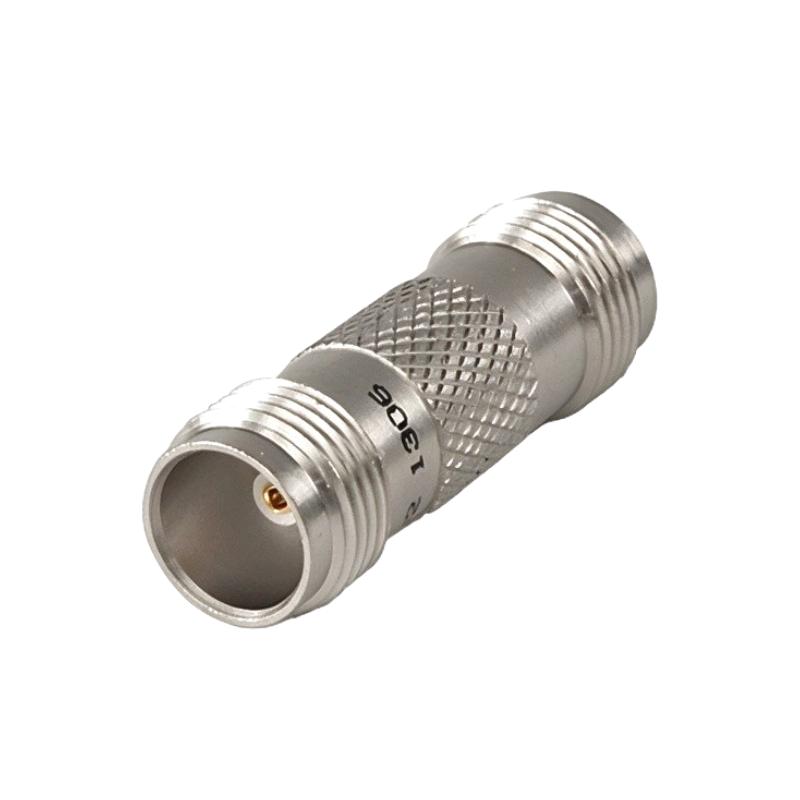
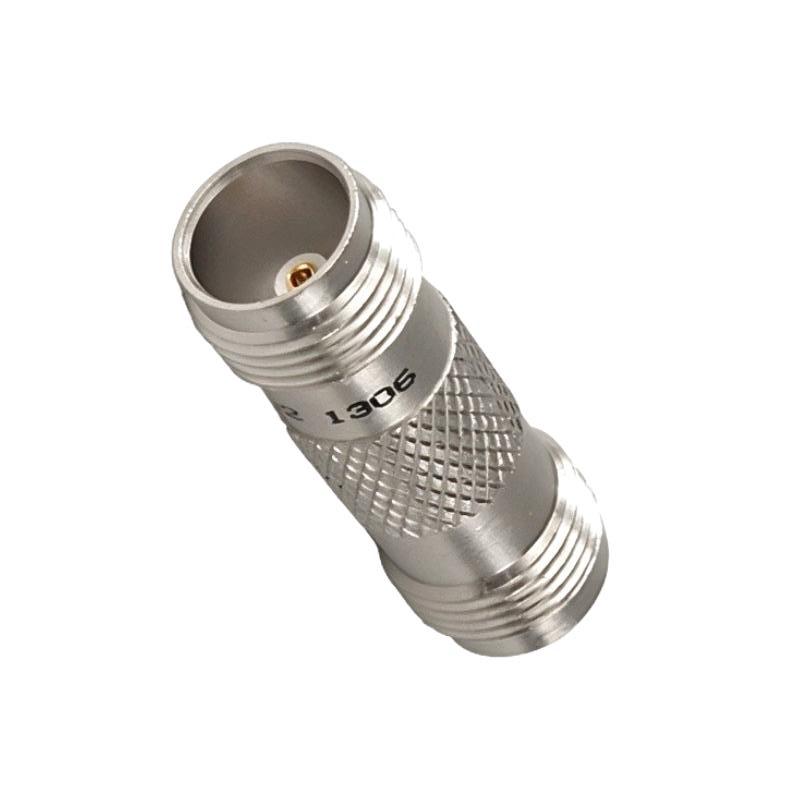
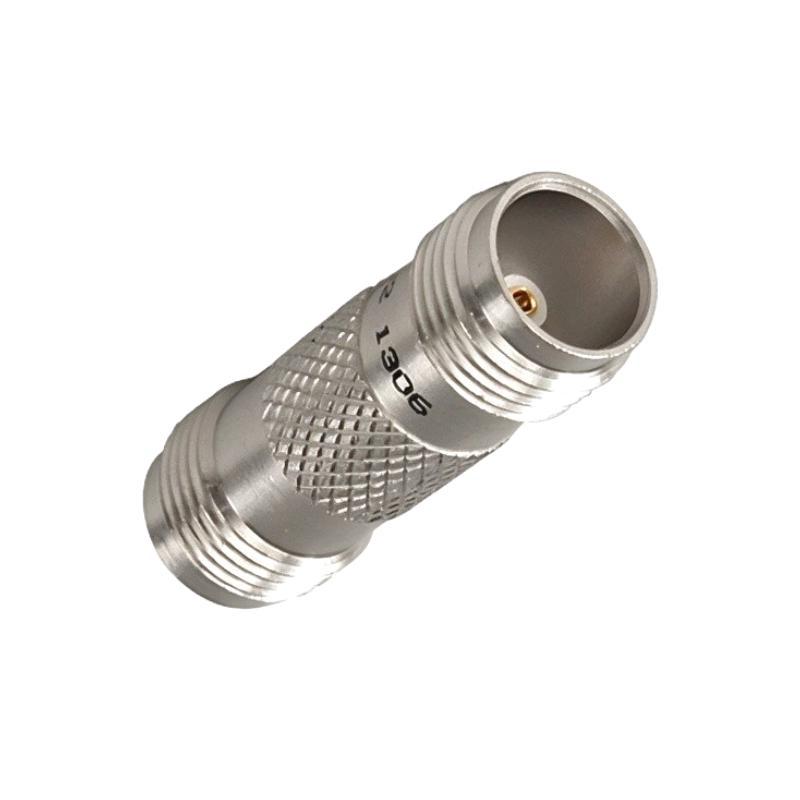
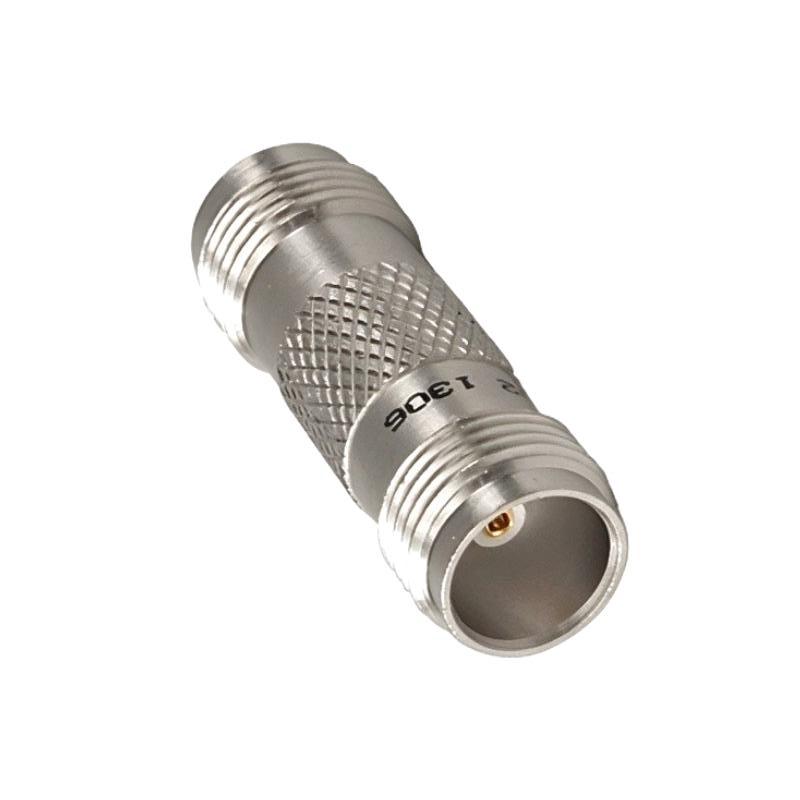
Allen Bradley 1786-TNCJ4 ControlNet TNC Coaxial Connector
Allen Bradley 1786-TNCJ4 ControlNet TNC Coaxial Connector
0.0
Points
Brand:Allen Bradley PLC Item No.:1786-TNCJ4 Product Origin:USA Product Dimensions:50 x 20 x 40 mm Product Weight:0.1 kg Payment:T/T, Western Union, Credit Card Goods_stock:15 Shipping Port:Xiamen, China Lead Time:1-3 Days Condition:Brand New And Original Warranty:1 Year Certificate:COO
The Allen Bradley 1786-TNCJ4 ControlNet TNC Coaxial Connector is intended for compatible industrial communication installations that use coaxial network connections. As part of the physical network infrastructure, the connector helps interface coaxial cabling with designated connection points in an automation system.
In industrial environments, proper connector selection and installation contribute to dependable communication between controllers and other network components. Incorrect connector types, poor cable termination, or loose connections can result in signal problems and additional troubleshooting work.
The 1786-TNCJ4 is listed with dimensions of 50 × 20 × 40 mm and a weight of 0.1 kg. For replacement or maintenance projects, verify the connector configuration and compatibility with the installed ControlNet equipment before ordering.
Technical Specifications
Parameter
Specification
Brand
Allen Bradley
Model
1786-TNCJ4
Product Type
ControlNet TNC Coaxial Connector
Product Category
Industrial Network Connector
Network Application
ControlNet
Connector Interface
TNC coaxial
Dimensions
50 × 20 × 40 mm
Weight
0.1 kg / 0.22 lb
Cable Compatibility
Verify against product documentation
Characteristic Impedance
Confirm from manufacturer specifications
Termination Method
Verify for the exact connector design
Application
Industrial coaxial network connections
The dimensions and weight are based on the supplied product information. Confirm the exact connector interface and electrical characteristics before procurement or installation.
Recommended Related Models
The following Allen Bradley products may be relevant when sourcing ControlNet coaxial network components. Their functions differ, so verify compatibility before selecting a related part.
Model
Product Type
Selection Consideration
Allen Bradley 1786-RG6
ControlNet Coaxial Cable
Verify cable specifications and connector requirements
Allen Bradley 1786-TJPR
ControlNet Coaxial Cable Jumper
Confirm cable length and connection compatibility
Allen Bradley 1786-TPR
ControlNet T-Tap
Check the required network connection arrangement
Allen Bradley 1786-TPYR
ControlNet Y-Tap
Verify compatibility with the intended network topology
These products are not direct substitutes for the 1786-TNCJ4. Confirm the required connector type and application before ordering.
Popular Related Models
Other Allen Bradley ControlNet components may be useful when maintaining or expanding industrial communication networks.
Model
Product Type
Typical Role
Allen Bradley 1786-XT
ControlNet Terminator
Provides termination where specified by the network design
Allen Bradley 1786-RPA
ControlNet Repeater Adapter
Supports compatible repeater configurations
Allen Bradley 1786-RPFM
ControlNet Fiber Repeater Module
Supports fiber-optic communication in compatible systems
These components perform different functions within a ControlNet installation. Verify the network topology, connector requirements, and product specifications before procurement.
Applications
The Allen Bradley 1786-TNCJ4 ControlNet TNC Coaxial Connector is an industrial network connection component intended for compatible ControlNet coaxial communication systems. Coaxial connectors provide the physical interface between network cables and supported equipment, helping establish secure connections for industrial data transmission.
In PLC-based automation systems, reliable coaxial connections are important for maintaining network signal integrity and reducing communication interruptions. The 1786-TNCJ4 can be considered for installation, maintenance, and replacement tasks where its connector configuration matches the existing network hardware.
Industrial Control Cabinets: Supporting coaxial cable connections within automation panels and communication enclosures.
Network Maintenance: Replacing damaged or worn connectors in compatible ControlNet installations.
Manufacturing Automation: Supporting network cabling infrastructure used by industrial controllers and communication devices.
Troubleshooting and Repairs: Helping restore physical network connections when the connector is confirmed as the source of a fault.
Before installation, verify the connector's exact interface, cable compatibility, and intended use against the documentation for the installed ControlNet equipment.
Advantages
Dedicated Coaxial Interface: Designed for applications involving compatible TNC coaxial connections.
ControlNet Network Application: Supports the physical cabling infrastructure used in compatible ControlNet installations.
Compact Dimensions: The supplied dimensions of 50 × 20 × 40 mm support installation-space planning.
Maintenance Convenience: A clearly identified catalog number helps simplify replacement and spare-parts procurement.
Connection Reliability: Correct connector selection and installation help maintain the electrical continuity and signal characteristics required by the network.
Industrial Integration: Suitable for consideration in industrial communication maintenance and network installation projects.
Connector gender, cable termination method, impedance, and other electrical characteristics should be verified before purchasing. A connector with a similar appearance is not necessarily compatible with the intended network.
Technical FAQs
Q1: What is the primary function of the Allen Bradley 1786-TNCJ4?
It is identified as a ControlNet TNC coaxial connector. Its function is to provide a physical coaxial connection for compatible network cabling and equipment.
Q2: What does TNC mean in a coaxial connector?
TNC stands for Threaded Neill–Concelman. It is a threaded coaxial connector interface designed to provide a mechanically secured connection.
Q3: Can this connector be used with any coaxial cable?
No. Compatibility depends on the connector interface, cable dimensions, termination method, and electrical characteristics. Confirm the cable specification before installation.
Q4: Why is characteristic impedance important for ControlNet connections?
The connector and cable must meet the network's impedance requirements to minimize signal reflections and preserve communication quality.
Q5: What should be checked before installing the connector?
Inspect the connector body and contact surfaces, verify the cable type and termination requirements, and confirm the correct installation procedure for the specified assembly.
Q6: Can a loose coaxial connector cause network faults?
Yes. A loose or incorrectly installed connector can cause intermittent communication, signal degradation, or complete loss of connectivity.
Q7: Does the connector require a special installation tool?
The required tools depend on the connector's termination design and the manufacturer's installation instructions. Use the specified tools and procedures to avoid damaging the cable or connector.
Q8: How can connector-related communication problems be diagnosed?
Inspect the connector for physical damage, looseness, contamination, or incorrect termination. Check the network diagnostics and test the cable assembly using appropriate procedures.
Q9: Is this connector a substitute for a ControlNet terminator?
No such substitution should be assumed. A connector provides a physical interface, while a terminator performs a defined electrical function in the network. Follow the approved ControlNet topology and termination requirements.
Q10: What information should be confirmed when ordering a replacement?
Verify the complete catalog number, connector interface, cable compatibility, termination method, electrical characteristics, and condition of the supplied part.