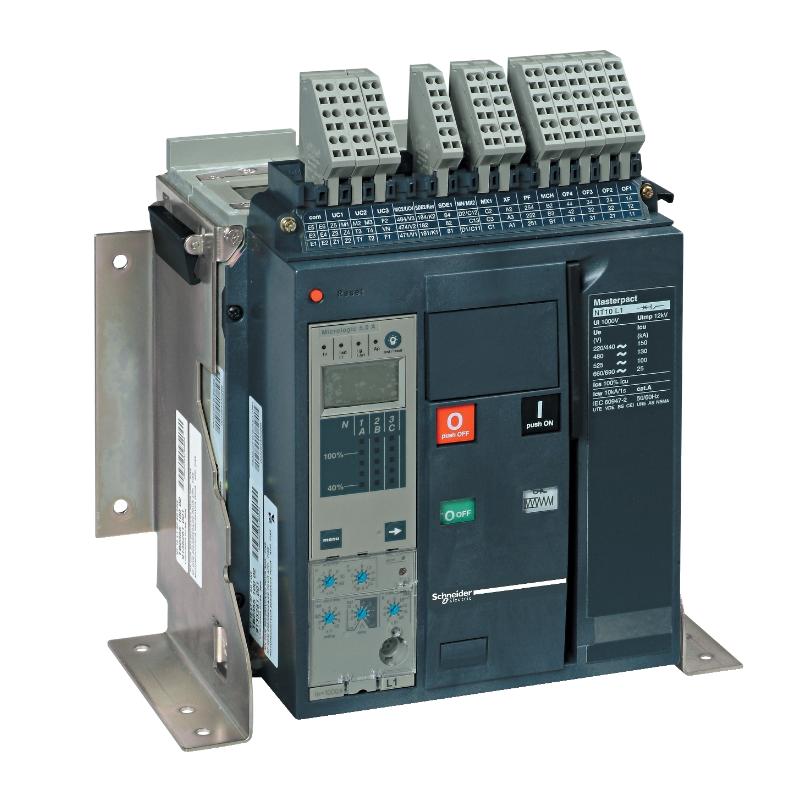
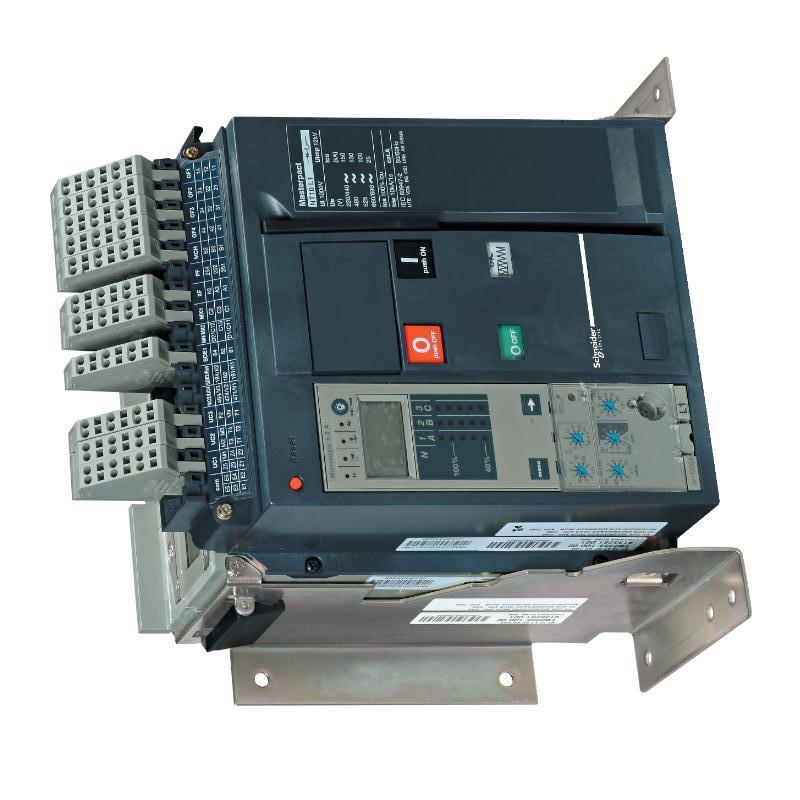
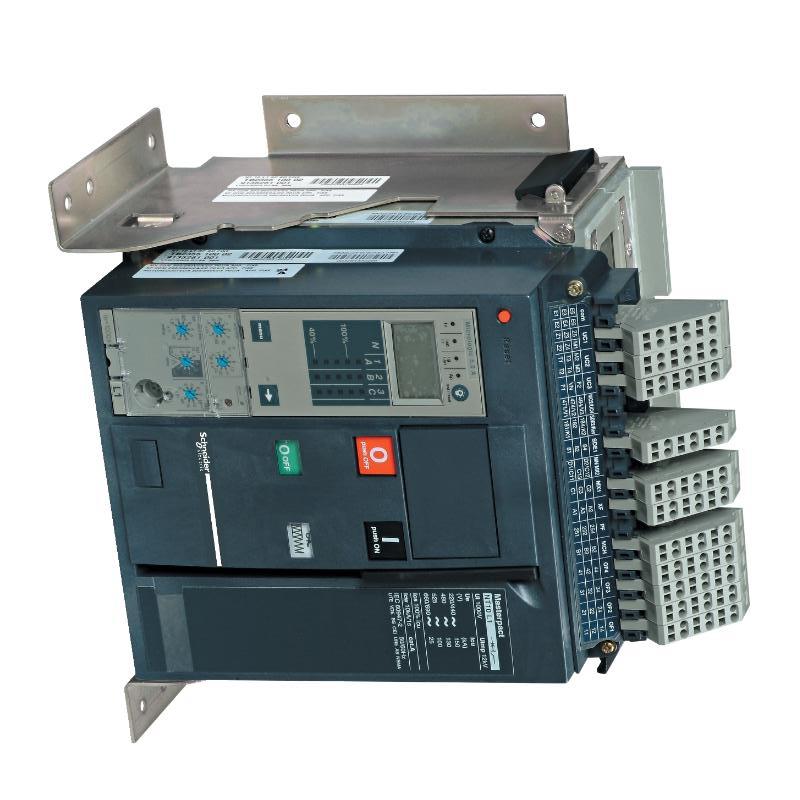
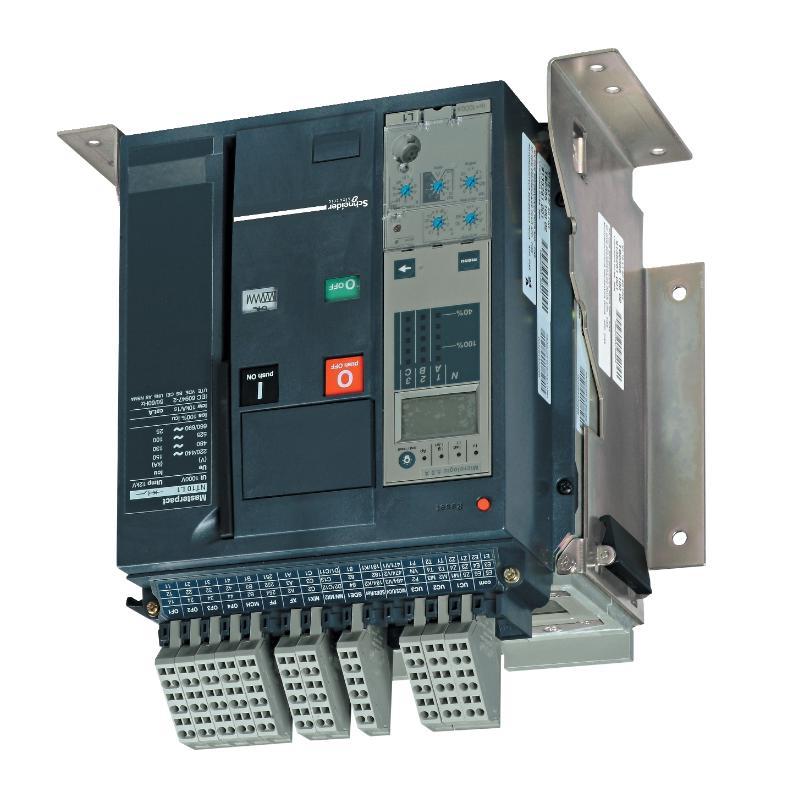
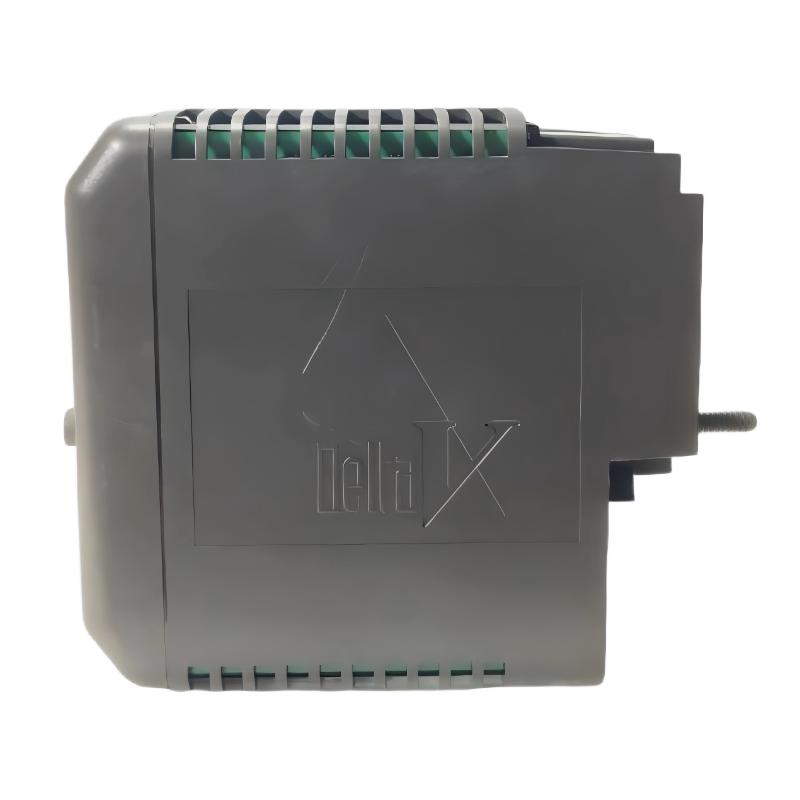
Brand:Schneider PLC Item No.:MT08NA Product Origin:France Product Dimensions:301 x 196 x 276 mm Product Weight:14 kg Payment:T/T, Western Union, Credit Card Goods_stock:15 Shipping Port:Xiamen, China Lead Time:1-3 Days Condition:Brand New And Original Warranty:1 Year Certificate:COO
Introduction: Industrial Circuit Protection for Demanding Applications
The Schneider MT08NA Circuit Breaker is a product designation to evaluate when sourcing circuit protection equipment for industrial electrical distribution systems. Selecting an appropriate breaker requires careful consideration of operating conditions, fault-current levels, protection coordination, and compatibility with the installation.
For industrial operators, a suitable circuit breaker is part of a broader strategy for protecting electrical infrastructure and maintaining equipment availability. Correct selection can help establish dependable protection arrangements, while proper commissioning and maintenance support long-term operational reliability.
The MT08NA may be considered for replacement or project procurement when its exact specifications match the intended application. Buyers should confirm the nameplate information, product configuration, and relevant technical documentation before placing an order.
For maintenance departments and equipment distributors, accurate model verification is particularly important when working with older switchgear or sourcing replacement parts. Checking the complete designation and configuration helps reduce compatibility risks and supports more efficient procurement.
Technical Specifications
The table below presents the available identification and physical data for the Schneider MT08NA Circuit Breaker. Unconfirmed electrical characteristics are identified for verification rather than estimated.
Parameter
Specification
Brand
Schneider Electric
Model
MT08NA
Product Type
Circuit Breaker
Product Category
Industrial Electrical Protection
Dimensions (W × H × D)
301 × 196 × 276 mm
Weight
14 kg (30.86 lb)
Rated Current
Verify against the product nameplate
Rated Operational Voltage
Verify against the product nameplate
Number of Poles
Confirm from the exact configuration
Rated Short-Circuit Breaking Capacity
Confirm from technical documentation
Trip Unit
Verify the installed configuration
Mounting Type
Confirm before replacement or installation
Product Condition
Confirm with the supplier
Specification note: The dimensions and weight are based on the information provided for this product. Confirm the actual configuration and manufacturer's specifications before installation or use.
Recommended Related Models
The following Schneider Electric MT-series model designations are candidates for comparison when sourcing related circuit breakers. They should not be regarded as direct substitutes without a technical compatibility check.
Model
Product Type
Reason to Consider
Schneider MT06N1
Circuit Breaker
Related MT-series model for configuration comparison
Schneider MT08N1
Circuit Breaker
Related model designation to evaluate
Schneider MT10N1
Circuit Breaker
Alternative rating configuration to investigate
Schneider MT12N1
Circuit Breaker
Another MT-series option for project evaluation
Schneider MT16N1
Circuit Breaker
Alternative frame-rating designation to review
When comparing these models, verify rated current, breaking capacity, trip-unit characteristics, pole configuration, and mounting requirements. The closest numerical designation is not necessarily the correct replacement.
Popular Related Models
For broader industrial circuit breaker sourcing, the following models may be useful starting points for a Schneider Electric MT-series product comparison.
Model
Series
Procurement Consideration
Schneider MT06N1
Masterpact MT
Compare electrical and mechanical compatibility
Schneider MT08N1
Masterpact MT
Check the complete model designation
Schneider MT10N1
Masterpact MT
Verify required protection ratings
Schneider MT12N1
Masterpact MT
Review switchgear and trip-unit configuration
Schneider MT16N1
Masterpact MT
Confirm suitability for the intended installation
Before purchasing, provide the complete model number and clear photographs of the product nameplate when available. Confirm the required electrical specifications, accessories, and product condition with the supplier. This approach helps industrial buyers select a suitable circuit breaker and reduce the risk of ordering an incompatible component.
Applications
The Schneider MT08NA Circuit Breaker is intended for consideration in industrial power distribution and electrical protection systems where equipment compatibility and dependable circuit interruption are important. For maintenance engineers, electrical contractors, and industrial procurement teams, selecting a suitable breaker helps maintain a properly coordinated distribution system and supports safe equipment operation.
Typical application areas include:
Industrial Switchgear: Integration into compatible switchgear assemblies for power distribution and circuit protection.
Manufacturing and Processing Plants: Use in electrical distribution systems supplying production machinery and auxiliary equipment, provided the breaker ratings meet the application requirements.
Power Distribution Panels: Installation in compatible distribution assemblies where the specified voltage, current, and fault-interruption ratings are appropriate.
Industrial Equipment Maintenance: Evaluation as a replacement component during planned maintenance or electrical system refurbishment.
Electrical Infrastructure Projects: Consideration for industrial facilities requiring coordinated protection across incoming feeders and downstream circuits.
Before selecting the MT08NA for any of these applications, confirm its complete catalog designation and technical ratings. The model name alone is insufficient to establish its rated current, breaking capacity, pole configuration, or compatibility with a particular switchgear assembly.
Key Advantages and Selection Benefits
1. Supports Reliable Electrical Protection
A correctly selected circuit breaker helps protect electrical circuits by interrupting current under specified overload or short-circuit conditions. Its effectiveness depends on the device's verified ratings and the coordination of the complete protection system.
2. Integration with Compatible Switchgear
For panel builders and system integrators, verifying mechanical dimensions, mounting arrangements, and terminal connections is essential to achieving a suitable installation.
3. Practical for Industrial Replacement Projects
Accurate model identification helps maintenance teams identify suitable replacement candidates and reduces the risk of ordering a breaker with incompatible electrical or mechanical characteristics.
4. Facilitates Maintenance Planning
Maintaining records of breaker models, nameplate ratings, trip-unit configurations, and installation locations supports more organized spare-parts management.
5. Supports Protection Coordination
The selected breaker should coordinate with upstream and downstream protective devices to help limit the effects of electrical faults and avoid unnecessary interruptions where the system design permits.
6. More Efficient Procurement Verification
Confirming product identity, condition, and configuration before purchase helps buyers make informed sourcing decisions and plan maintenance activities with greater confidence.
Technical FAQs
Q1. What is the main function of the Schneider MT08NA Circuit Breaker?
Its exact protection functions should be confirmed from the applicable product documentation. Generally, a circuit breaker interrupts electrical current when specified operating or fault conditions require disconnection.
Q2. How do I determine the correct rated current?
Read the product nameplate and consult the technical documentation for the exact configuration. Do not assume that the model designation alone identifies the rated current.
Q3. How should I verify the short-circuit breaking capacity?
Compare the breaker’s rated breaking capacity with the prospective short-circuit current at the installation point. The breaker must meet the requirements of the electrical system and applicable installation standards.
Q4. Is the MT08NA suitable for three-phase power distribution?
Suitability depends on the number of poles, voltage rating, connection arrangement, and intended application. Verify these parameters before installing the breaker in a three-phase system.
Q5. What is the role of a trip unit in a circuit breaker?
A trip unit detects specified abnormal current conditions and initiates the opening mechanism. Depending on the design, protection may include long-time, short-time, instantaneous, or ground-fault functions.
Q6. Can the MT08NA replace another Masterpact MT breaker?
Only after confirming the electrical ratings, frame compatibility, trip-unit characteristics, mounting arrangement, terminal configuration, and accessory requirements. Similar model names do not guarantee interchangeability.
Q7. What causes nuisance tripping in an industrial circuit?
Possible causes include transient current peaks, incorrect protection settings, sustained overload, wiring faults, or problems with downstream equipment. Diagnose the cause before changing settings or returning the breaker to service.
Q8. How should protection settings be selected?
Settings should be determined through an appropriate protection-coordination study that considers conductor ratings, connected loads, fault-current levels, and upstream and downstream devices. Only qualified personnel should make adjustments.
Q9. What inspections are recommended during maintenance?
Follow the manufacturer's maintenance instructions and the facility's electrical safety procedures. Depending on the breaker design, checks may include terminal condition, mechanical operation, insulation condition, trip-unit functionality, and evidence of overheating or damage.
Q10. What should be checked before commissioning?
Verify the complete model number, rated voltage, current rating, breaking capacity, pole configuration, wiring, terminal tightness, protection settings, and compatibility with the switchgear assembly. Follow applicable safety procedures before energizing the equipment.