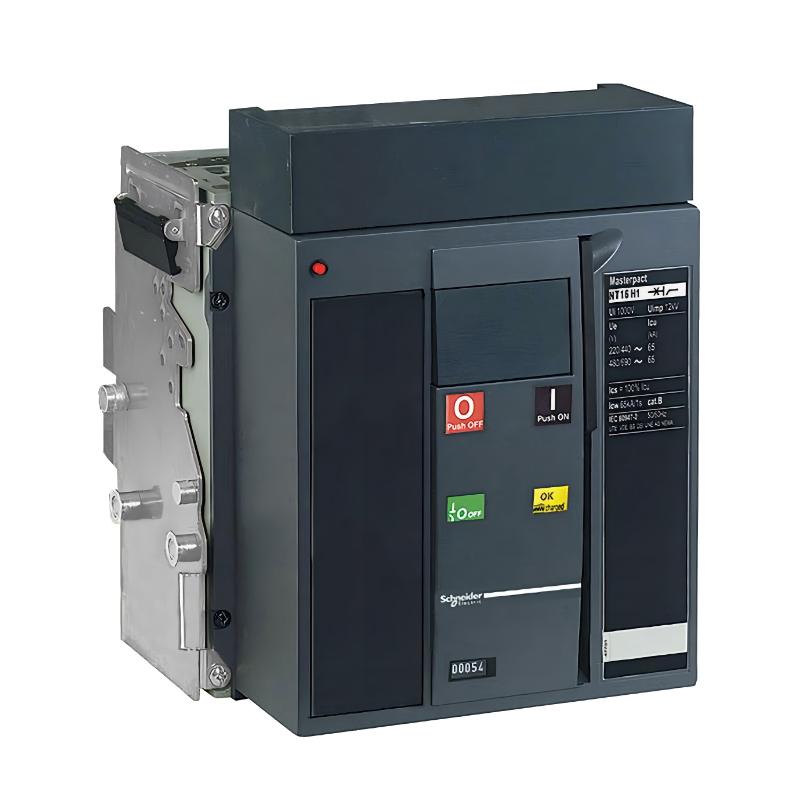
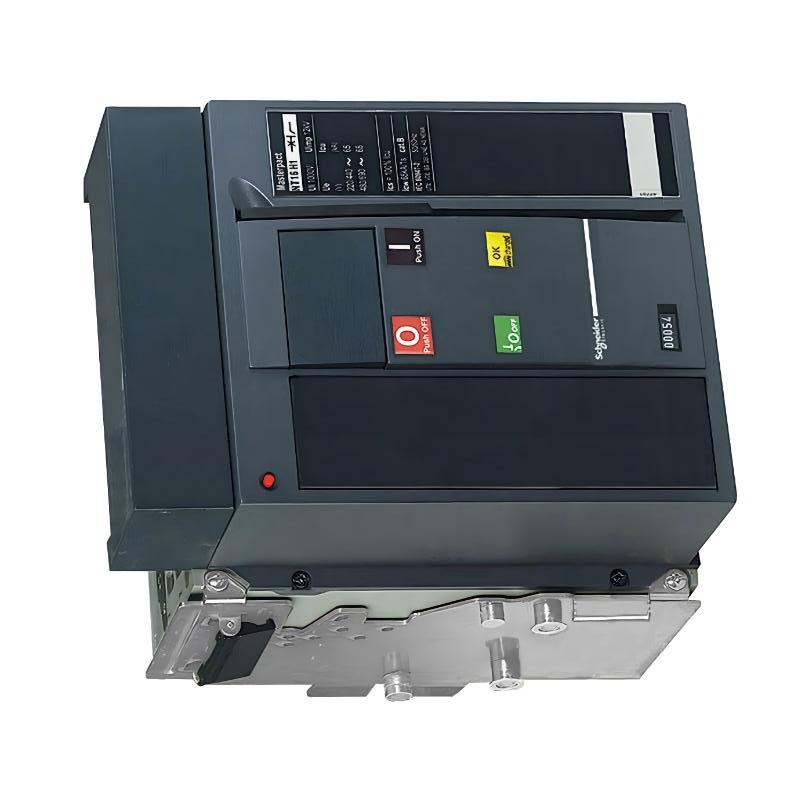
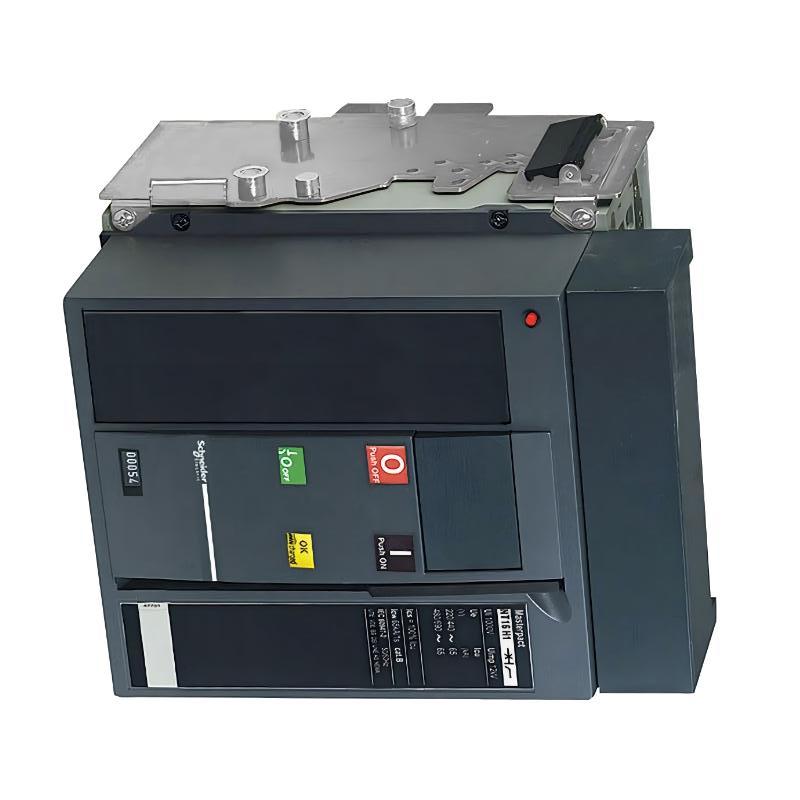
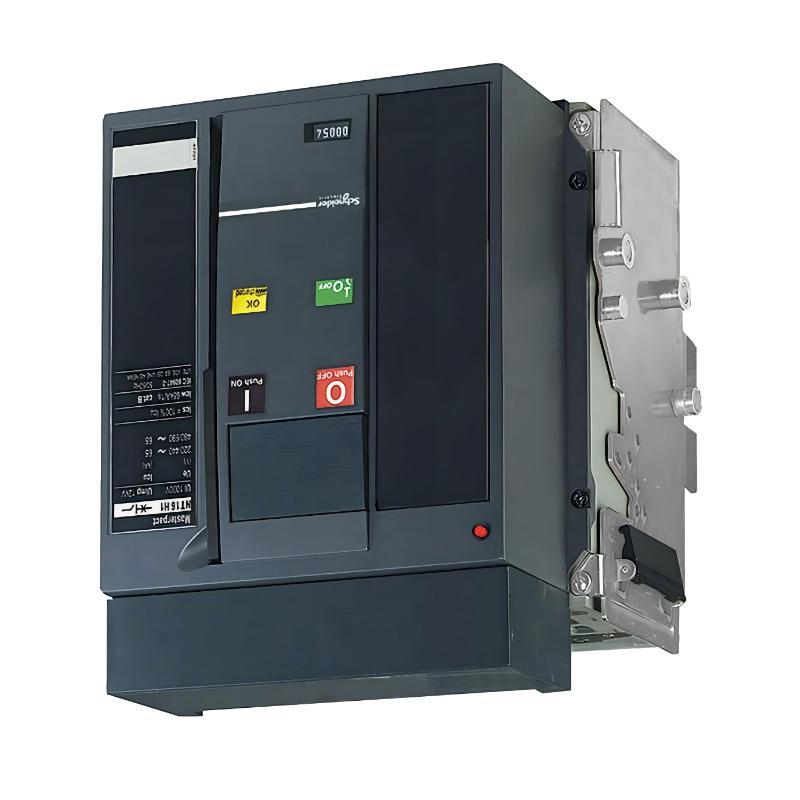
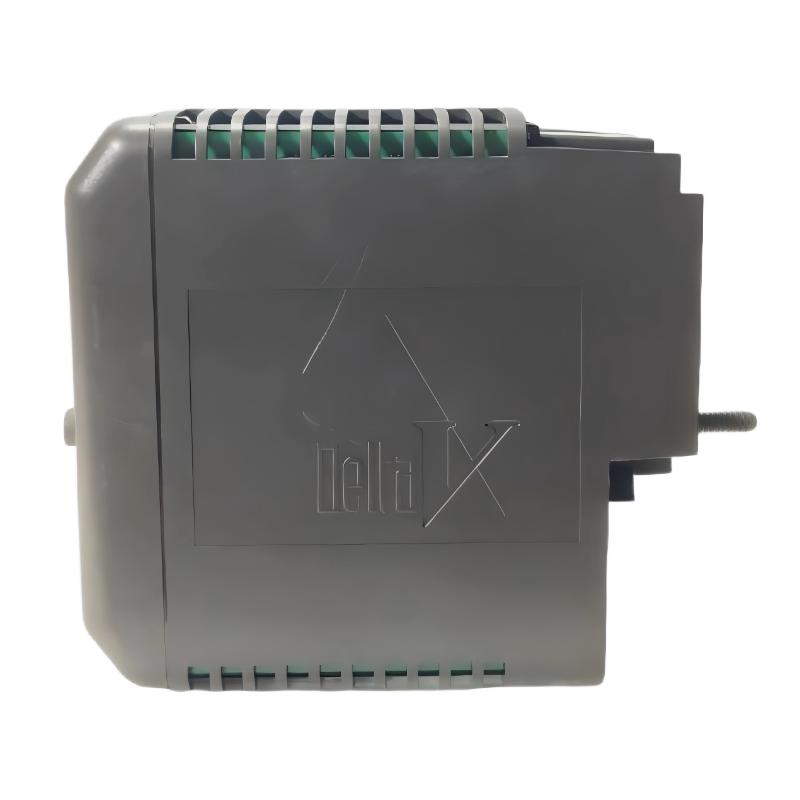
Brand:Schneider PLC Item No.:MT12NA Product Origin:France Product Dimensions:301 x 196 x 276 mm Product Weight:14 kg Payment:T/T, Western Union, Credit Card Goods_stock:15 Shipping Port:Xiamen, China Lead Time:1-3 Days Condition:Brand New And Original Warranty:1 Year Certificate:COO
The Schneider MT12NA Circuit Breaker is a product designation to evaluate when sourcing electrical protection equipment for industrial applications. For maintenance engineers, electrical contractors, and procurement specialists, the key to a successful selection is confirming that the device matches the installation's electrical and mechanical requirements.
Industrial circuit breakers are part of a wider protection system that includes cables, loads, distribution equipment, and other protective devices. Their suitability depends on rated current, operating voltage, fault-interruption capability, protection settings, and coordination with the rest of the system.
When sourcing the MT12NA for a replacement project, verify the complete product designation and compare the existing unit's nameplate with the proposed replacement. This helps reduce the likelihood of ordering equipment that cannot be installed or does not meet the system's protection requirements.
For new installations, engineering review should establish the required breaker characteristics before procurement. For existing facilities, maintaining accurate equipment records can make future servicing and spare-parts purchasing more efficient.
A careful verification process helps buyers make informed decisions while supporting safe installation, reliable operation, and effective lifecycle management.
Technical Specifications
The table below summarizes the product identification and physical information supplied for the Schneider MT12NA Circuit Breaker. Electrical characteristics not provided in the supplied data are marked for confirmation.
Parameter
Specification
Brand
Schneider Electric
Model
MT12NA
Product Type
Circuit Breaker
Application
Industrial Electrical Distribution
Dimensions (W × H × D)
301 × 196 × 276 mm
Weight
14 kg (30.86 lb)
Rated Current
Verify against the product nameplate
Rated Operational Voltage
Verify against the product nameplate
Number of Poles
Confirm the exact configuration
Short-Circuit Breaking Capacity
Confirm from applicable technical documentation
Trip-Unit Configuration
Verify the installed unit
Mounting Arrangement
Confirm before installation
Product Condition
Confirm with the supplier
Specification note: The dimensions and weight are based on the information supplied for this product. Verify the actual configuration and manufacturer specifications before installation or replacement.
Recommended Related Models
The following Schneider Electric model designations may be useful when comparing circuit breakers for industrial distribution projects. They are related models for evaluation, not confirmed direct replacements for the MT12NA.
Model
Product Type
Evaluation Focus
Schneider MT06N1
Circuit Breaker
Compare ratings and mounting compatibility
Schneider MT08N1
Circuit Breaker
Review configuration and protection requirements
Schneider MT10N1
Circuit Breaker
Verify suitability for the target circuit
Schneider MT16N1
Circuit Breaker
Compare frame and electrical specifications
Schneider MT25H2
Circuit Breaker
Evaluate alternative MT-series configuration
Before choosing a replacement, compare the complete catalog designation, rated current, breaking capacity, pole arrangement, trip-unit characteristics, and switchgear interface. Model-family similarity alone does not establish interchangeability.
Popular Related Models
For broader Schneider Electric circuit breaker sourcing, the following models may be considered during product-family research and technical comparison.
Model
Series
Key Consideration
Schneider MT06N1
MT Series
Verify electrical and mechanical compatibility
Schneider MT08N1
MT Series
Confirm the required protection characteristics
Schneider MT10N1
MT Series
Review the intended circuit application
Schneider MT16N1
MT Series
Check frame configuration and ratings
Schneider MT25H2
MT Series
Verify complete product specifications
For industrial purchasing, provide the exact model number and nameplate details when requesting a quotation. Confirm product identity, condition, electrical ratings, and compatibility with the intended installation before placing an order. This approach helps reduce procurement errors and supports more efficient maintenance planning.
Applications
The Schneider MT12NA Circuit Breaker is a model designation for industrial electrical distribution and circuit protection procurement. In facilities where power distribution equipment must operate reliably under demanding conditions, selecting a breaker with the correct electrical ratings and installation configuration is essential to protecting connected systems.
Potential application areas include:
Industrial Distribution Networks: Used as a circuit protection component in compatible electrical distribution assemblies.
Factory Power Systems: Considered for distribution circuits supplying production machinery, auxiliary equipment, and industrial infrastructure.
Switchgear Assemblies: Evaluated for integration into compatible switchgear where mounting and electrical requirements have been verified.
Electrical Modernization Projects: Assessed during the replacement or refurbishment of existing distribution equipment.
Maintenance and Spare-Parts Planning: Identified as a potential replacement component when the original equipment designation and technical specifications match.
Industrial Infrastructure: Considered for electrical installations requiring coordinated protection against specified overload and short-circuit conditions.
The appropriate application depends on the exact breaker configuration. Before installation, engineers should confirm the rated current, operating voltage, short-circuit breaking capacity, pole arrangement, and trip-unit characteristics against the applicable product documentation.
Advantages and Operational Considerations
1. Supports Dependable Circuit Protection
A correctly selected circuit breaker provides a means of interrupting current under specified abnormal operating conditions. Its protective performance depends on the verified characteristics of the device and the design of the electrical installation.
2. Helps Maintain Switchgear Compatibility
Checking the mechanical interface, terminal arrangement, mounting method, and accessory configuration before installation helps reduce compatibility issues during electrical maintenance and system integration.
3. Suitable for Specification-Based Procurement
Complete model identification and accurate technical records allow procurement teams to compare replacement candidates more effectively and reduce the risk of selecting an unsuitable component.
4. Supports Protection Coordination
A breaker should be coordinated with upstream and downstream protective devices to help ensure that fault conditions are handled appropriately. Correct coordination is particularly important in complex industrial distribution systems.
5. Improves Maintenance Preparation
Recording product details and installed protection settings supports maintenance scheduling, spare-parts inventory management, and future replacement planning.
6. Helps Reduce Installation Uncertainty
Verifying the exact product configuration before purchase allows engineers to identify differences in ratings, connections, and accessories before equipment reaches the installation site.
7. Practical for Industrial Equipment Sourcing
For maintenance contractors and industrial equipment distributors, confirming the nameplate details and product condition helps establish a clearer basis for quotation, technical review, and purchasing decisions.
Technical FAQs
Q1. What is the primary function of the Schneider MT12NA Circuit Breaker?
Its exact protection functions must be confirmed from the applicable technical documentation. In general, a circuit breaker interrupts an electrical circuit when specified overload or fault conditions require disconnection.
Q2. How do I identify the rated current of the MT12NA?
Check the product nameplate and the relevant technical specification. The rated current should not be inferred from the model number alone.
Q3. Why must short-circuit breaking capacity be verified?
The breaker must be capable of interrupting the prospective fault current at its installation point under the specified conditions. An insufficient breaking capacity can create serious electrical safety risks.
Q4. Can the breaker be installed in a three-phase distribution system?
This depends on its pole configuration, rated voltage, connection arrangement, and intended application. Confirm these characteristics before using it in a three-phase installation.
Q5. What is the difference between a circuit breaker and a contactor?
A circuit breaker provides circuit interruption and specified protective functions, while a contactor is primarily designed for frequent switching of electrical loads. They may be used together in a motor-control system, depending on the design.
Q6. What factors determine compatibility with an existing switchgear assembly?
Important factors include the complete model designation, frame compatibility, mounting arrangement, terminal configuration, electrical ratings, trip unit, and accessory requirements.
Q7. What should be investigated if the breaker trips unexpectedly?
Check for possible overloads, short circuits, ground faults, unsuitable protection settings, or problems with connected equipment. The cause should be identified before resetting or returning the circuit to service.
Q8. How should breaker protection settings be determined?
Settings should be based on a protection-coordination study that considers load characteristics, conductor ratings, available fault current, and the requirements of other protective devices. Adjustments should be made only by qualified personnel.
Q9. Does the circuit breaker require routine maintenance?
Maintenance should follow the manufacturer's instructions and the facility's electrical maintenance program. Inspection requirements depend on the breaker design, operating environment, and service conditions.
Q10. What information is needed to order a compatible replacement?
Provide the complete catalog number, nameplate information, rated electrical characteristics, pole configuration, trip-unit details, mounting arrangement, and relevant accessory information. Photographs of the installed unit can also help with identification.