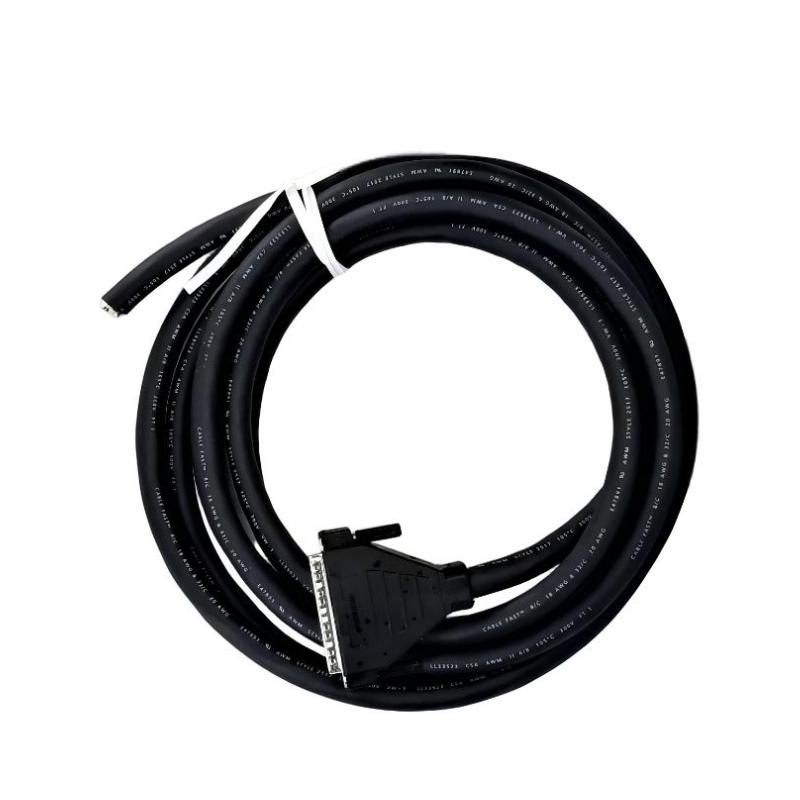
Brand:ABB PLC Item No.:DSAO 130 Product Origin:Sweden (SE) Product Dimensions:324 x 18 x 225 mm Product Weight:0.45 kg Payment:T/T, Western Union, Credit Card Goods_stock:15 Shipping Port:Xiamen, China Lead Time:1-3 Days Condition:Brand New And Original Warranty:1 Year Certificate:COO
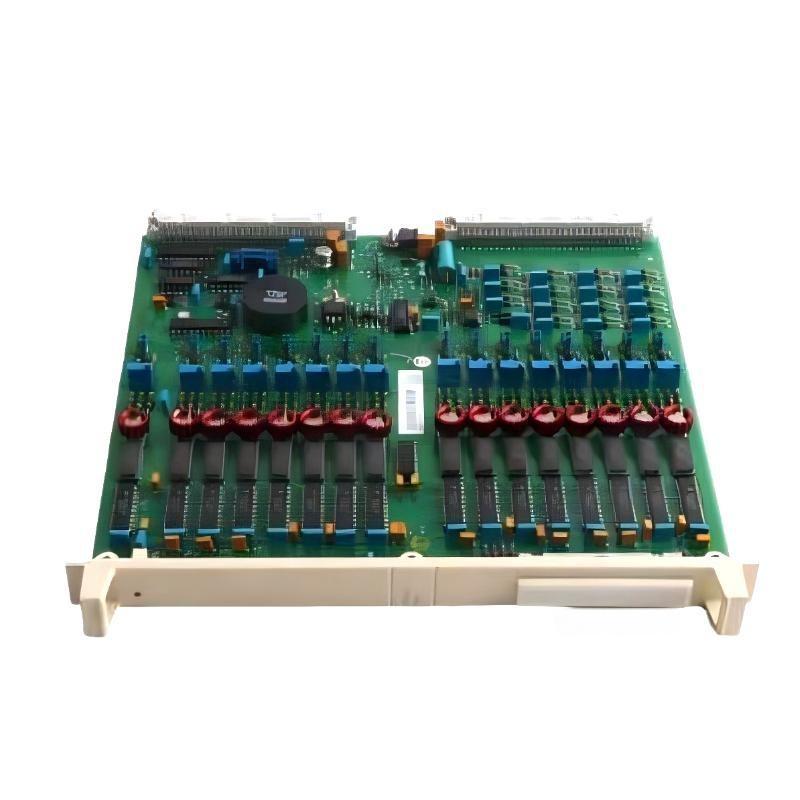
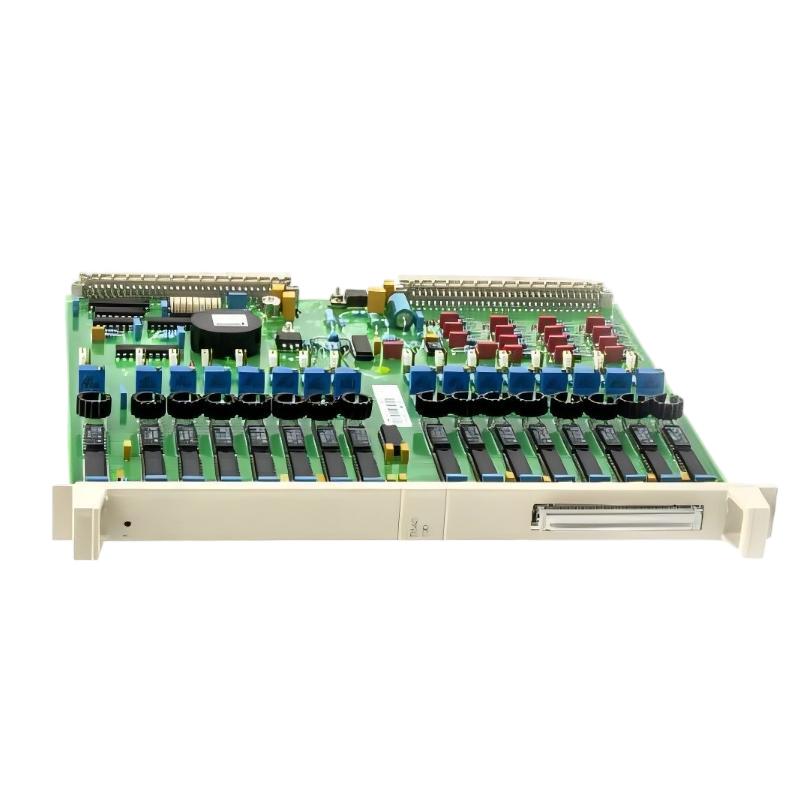
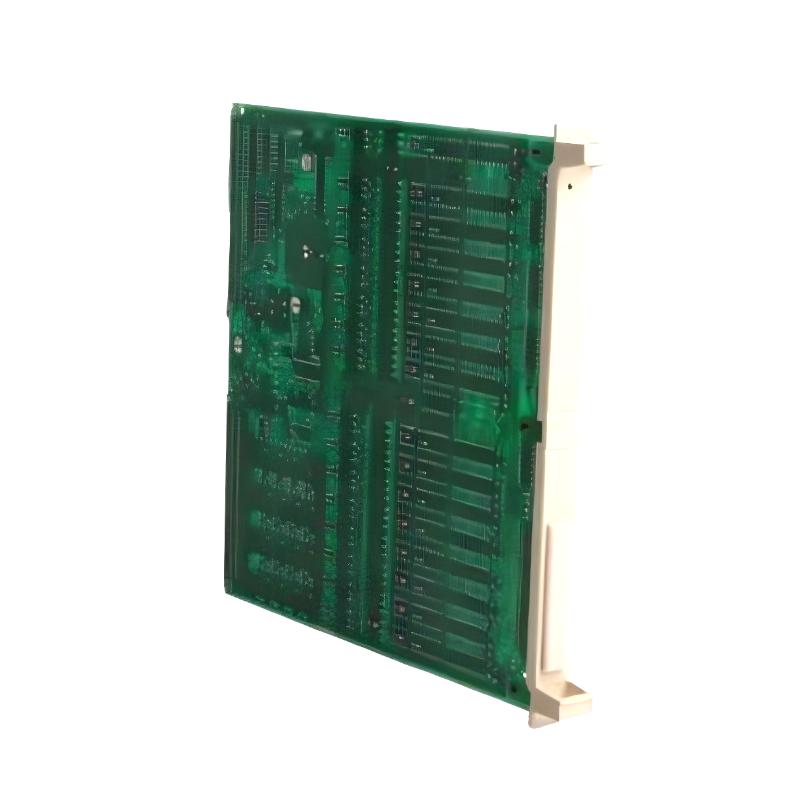
The ABB DSAO 130 57120001-FG DS Analog Output Board is a compact and high-performance module designed for reliable analog signal output in ABB control systems. With its slim profile and industrial-grade construction, it ensures accurate control of actuators and field instruments. Seamlessly integrated into ABB distributed control architectures, the DSAO 130 delivers stable and efficient automation performance in demanding industrial environments.
Technical Specifications
Parameter
Description
Model
DSAO 130
Part Number
57120001-FG
Product Type
Analog Output Board
Function
Digital-to-analog signal conversion for field device control
Installation
Control Cabinet / I/O Rack
System Compatibility
ABB Distributed Control Systems
Dimensions
324 × 18 × 225 mm
Weight
0.45 kg
Operating Environment
Industrial Indoor Use
Recommended Related Models
ABB DSAI 130 Analog Input Unit
ABB DSAI 146 Analog Input Unit
ABB DI810 Digital Input Module
ABB DO810 Digital Output Module
ABB CI840 Communication Interface Module
Popular Related Models
ABB AI810 Analog Input Module
ABB AO810 Analog Output Module
ABB CI854A Communication Interface
ABB PM861A Processor Module
ABB TU810 Terminal Unit
Application Scenarios
The ABB DSAO 130 57120001-FG DS Analog Output Board is designed to provide precise analog output control within ABB distributed control systems (DCS). It converts digital control signals into analog outputs for driving field devices such as control valves, actuators, and other process instruments.
It is commonly used in:
ABB distributed control systems (DCS)
Oil & gas, chemical, and petrochemical plants
Power generation and energy management systems
Water and wastewater treatment facilities
Industrial automation processes requiring accurate analog output regulation
Key Advantages
Accurate Signal Conversion – Converts digital control signals into stable analog outputs
Slim Modular Design – Compact 18 mm width for efficient cabinet space utilization
Reliable Industrial Performance – Engineered for continuous 24/7 operation
Seamless Integration – Fully compatible with ABB control architectures
Robust Construction – Suitable for demanding industrial environments
Technical FAQs
1. What is the primary function of the DSAO 130?
It generates analog output signals to control field devices in ABB DCS systems.
2. Which systems is it compatible with?
ABB distributed control systems and related automation platforms.
3. Where is it installed?
Mounted in control cabinets or I/O racks as part of the analog output configuration.
4. Can it operate continuously?
Yes, it is designed for reliable 24/7 industrial use.
5. What types of devices does it control?
Control valves, actuators, and other analog-driven field instruments.
6. What are its dimensions and weight?
324 × 18 × 225 mm; 0.45 kg.
7. Why is an analog output board important in DCS?
It enables precise control of field devices by converting digital commands into analog signals.
8. Can it be used in critical process environments?
Yes, it is suitable for mission-critical industrial applications.
9. Does it integrate with other ABB modules?
Yes, it works seamlessly with ABB I/O and processor modules.
10. What industries commonly use this board?
Oil & gas, petrochemical, chemical processing, power generation, and water treatment industries.