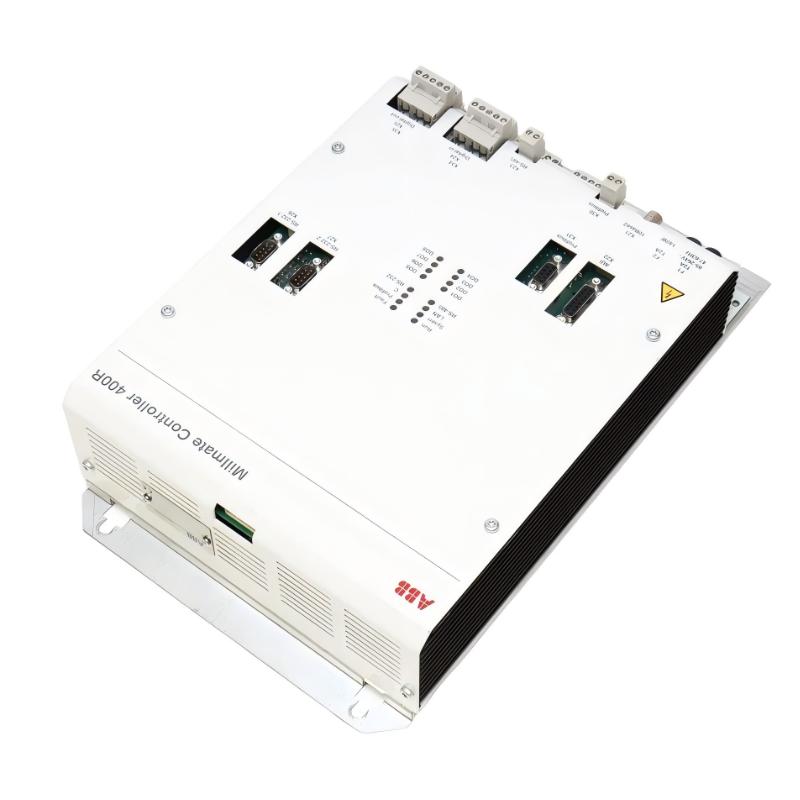
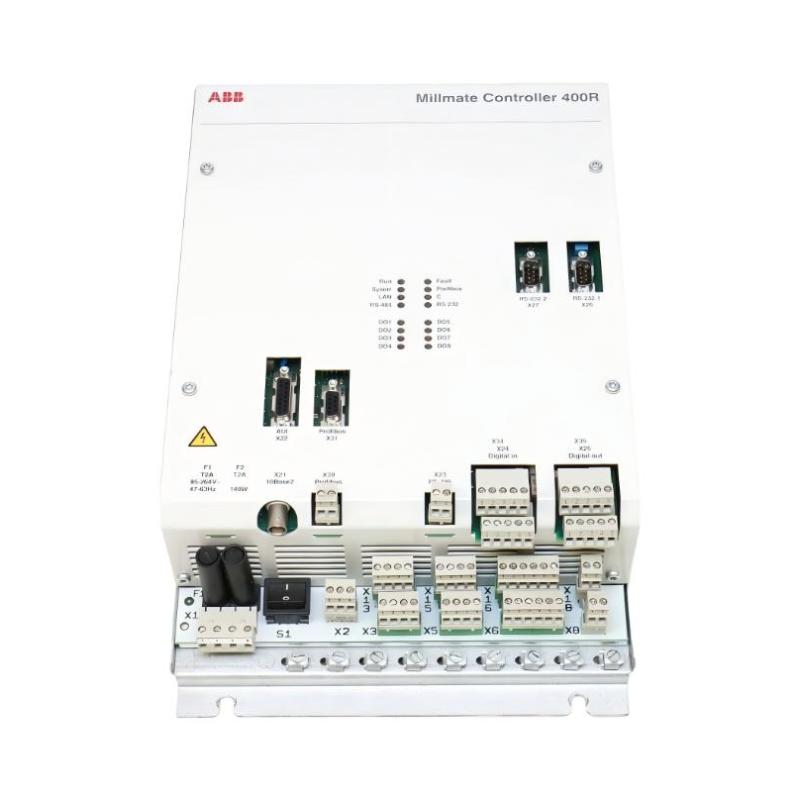
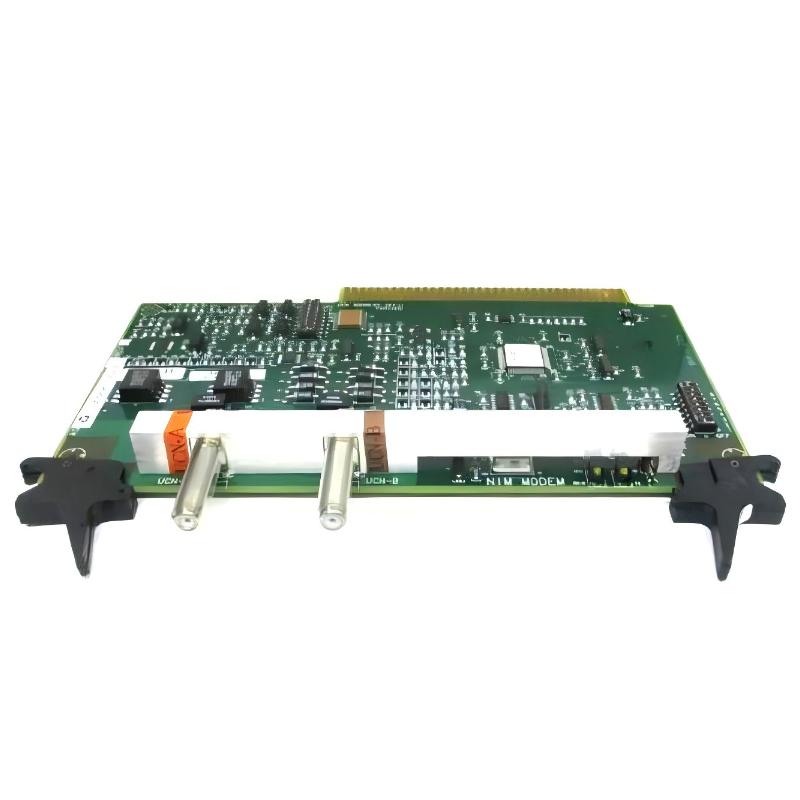
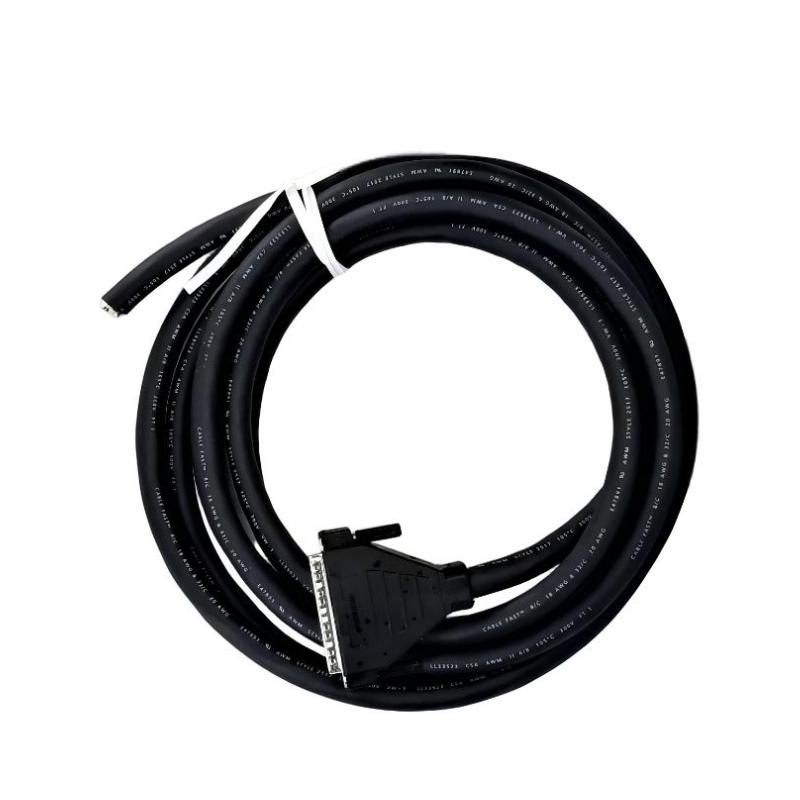
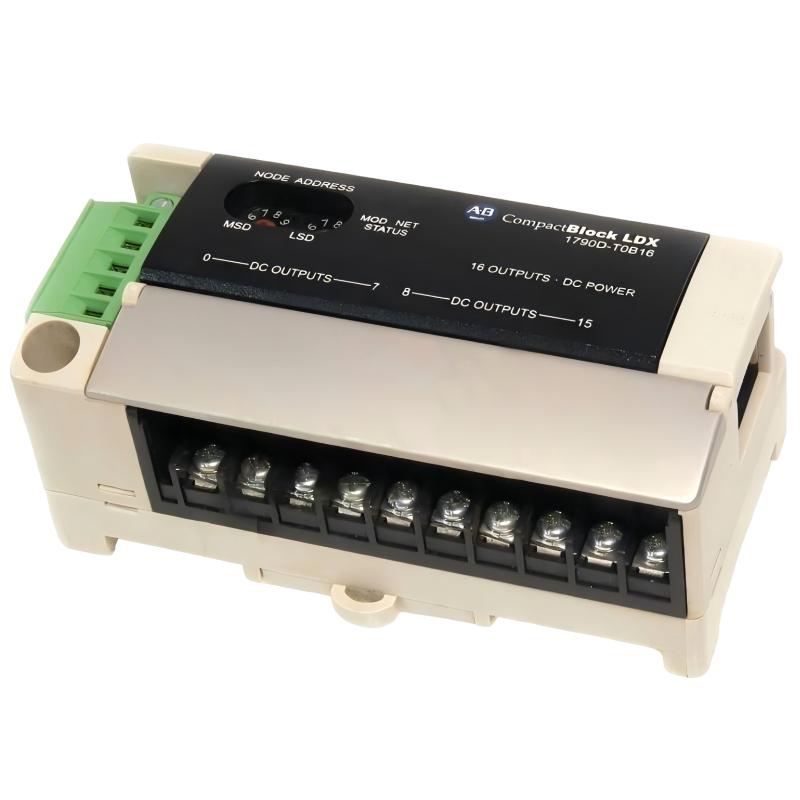
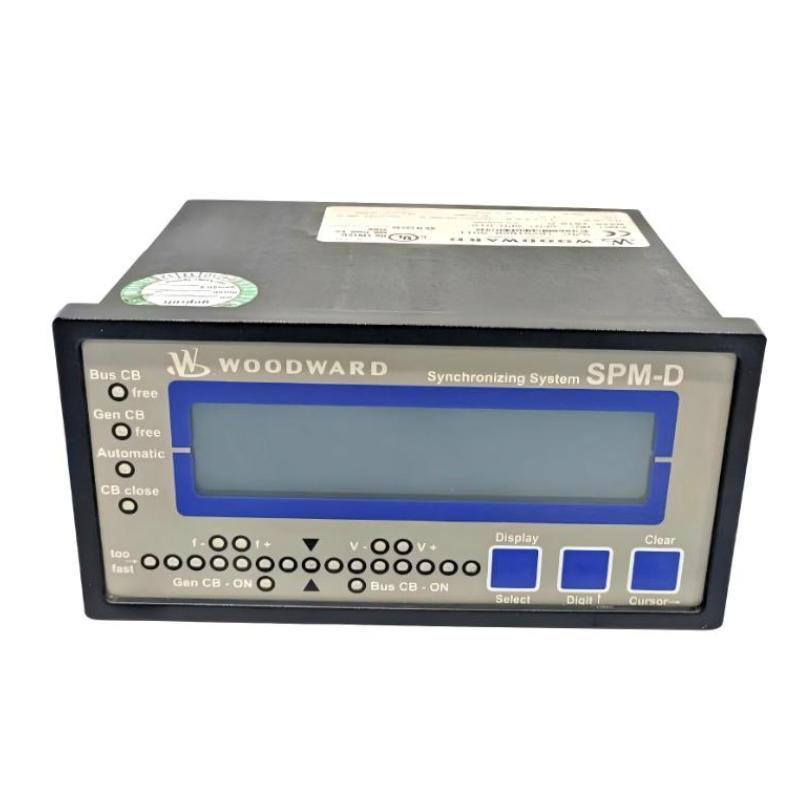
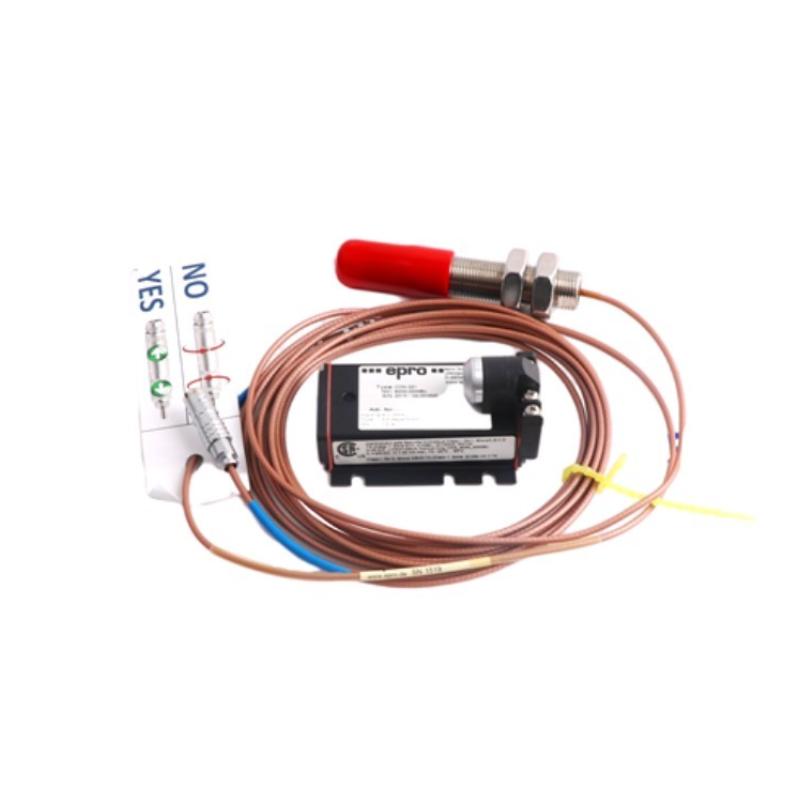
Brand:ABB PLC Item No.:PXAA 401 Product Origin:Sweden (SE) Product Dimensions:380 x 235 x 110 mm Product Weight:5.0 kg Payment:T/T, Western Union, Credit Card Goods_stock:15 Shipping Port:Xiamen, China Lead Time:1-3 Days Condition:Brand New And Original Warranty:1 Year Certificate:COO
The ABB PXAA 401 DCS Control System is designed to deliver dependable process control and coordinated automation management across large industrial facilities. Acting as a vital component within distributed control architectures, it enables efficient communication between system layers while maintaining precise operational control.
Built with ABB’s proven engineering standards, the PXAA 401 supports long-term operational stability and scalable automation strategies. Its solid construction and reliable performance make it a preferred solution for facilities seeking consistent control capability with minimal downtime risk.
Technical Specifications
Parameter
Specification
Manufacturer
ABB
Product Type
DCS Control System Module
Model
PXAA 401
Order Number
3BSE017233R1
System Type
Distributed Control System (DCS)
Installation
Control Cabinet / DCS Rack Mounting
Application
Industrial Process Control
Operating Mode
Continuous Industrial Operation
Dimensions
380 × 235 × 110 mm
Weight
5 kg
Recommended Related Models
ABB PM866K02 — High-performance processor unit for distributed control systems
ABB CI854A — PROFIBUS communication interface module for field network integration
ABB AI810 — Analog input module for process signal acquisition
ABB SA811F — Power supply module for ABB control system platforms
Popular Related Models
ABB PM861AK01 — AC 800M controller processor for advanced automation control
ABB DI810 — Digital input module used for industrial signal monitoring
ABB DO810 — Digital output module for actuator and device control
ABB CI840A — Communication interface module supporting industrial Ethernet connectivity
Industrial Deployment Scenarios
The ABB PXAA 401 DCS Control System is engineered as a core control component within distributed control system architectures, delivering stable supervision and coordinated process management across complex industrial operations. Designed for reliability and scalability, it supports continuous monitoring and precise control in environments where operational consistency is essential.
Typical application scenarios include:
Distributed control systems in process industries
Power generation and energy distribution facilities
Oil and gas processing operations
Chemical and petrochemical automation plants
Large-scale manufacturing control environments
Plant-wide monitoring and supervisory automation systems
Operational Advantages and System Value
The PXAA 401 combines ABB’s established control technology with durable industrial design, enabling dependable system operation across demanding applications. Its architecture focuses on stable communication, efficient processing, and long lifecycle usability.
Key operational advantages include:
Reliable distributed control performance for continuous processes
High system stability supporting mission-critical operations
Efficient coordination between controllers and field devices
Robust hardware construction for industrial environments
Seamless compatibility within ABB DCS infrastructures
Ideal solution for system expansion and modernization projects
Technical FAQs
1. What is the primary role of the PXAA 401 module?
It functions as a control system component within ABB distributed control system environments.
2. Is this unit suitable for continuous plant operation?
Yes, it is designed for uninterrupted industrial service.
3. Which industries typically use this DCS module?
Power, chemical, manufacturing, and process industries commonly deploy it.
4. Does it support distributed automation architecture?
Yes, it is intended for integration within distributed control networks.
5. Where is the module installed?
It is mounted inside industrial control cabinets or DCS racks.
6. Can it be integrated into existing ABB systems?
Yes, it is compatible with ABB distributed control platforms.
7. What operational benefit does a DCS provide?
It enables centralized monitoring with distributed execution for improved process reliability.
8. Is the system suitable for plant upgrades?
Yes, it is frequently used in modernization and replacement projects.
9. Does the module require specialized maintenance?
Routine inspection and standard industrial maintenance procedures are sufficient.
10. What makes this control system reliable for industrial use?
Its industrial-grade design ensures stable performance under continuous operational loads.