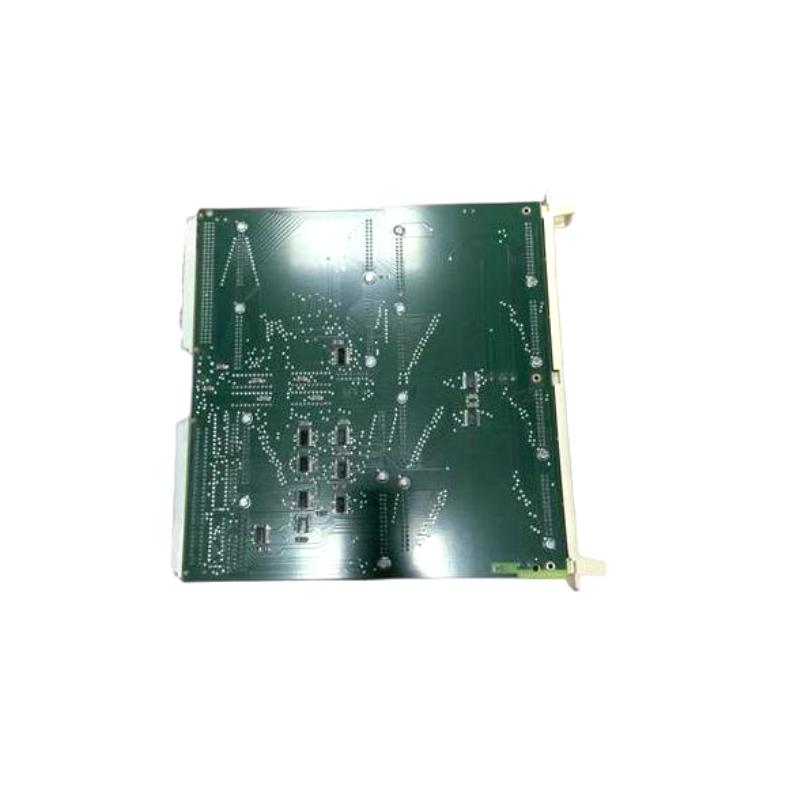
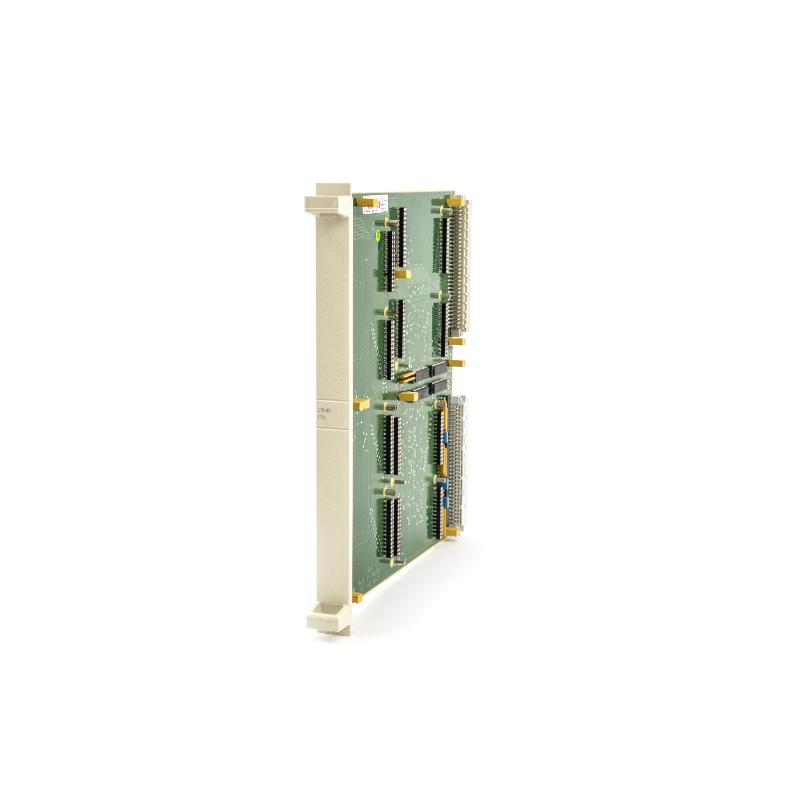
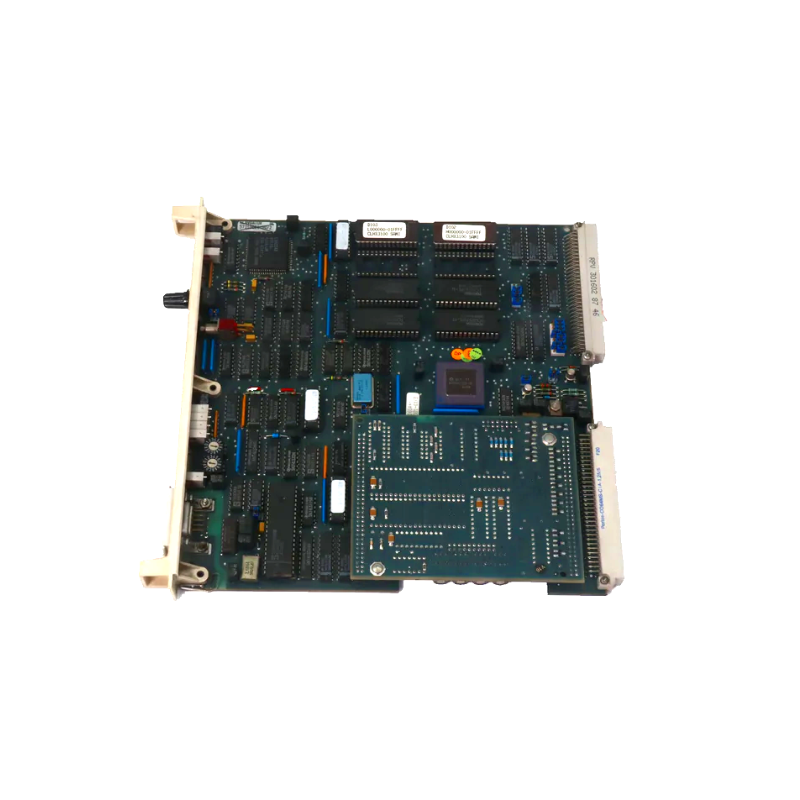
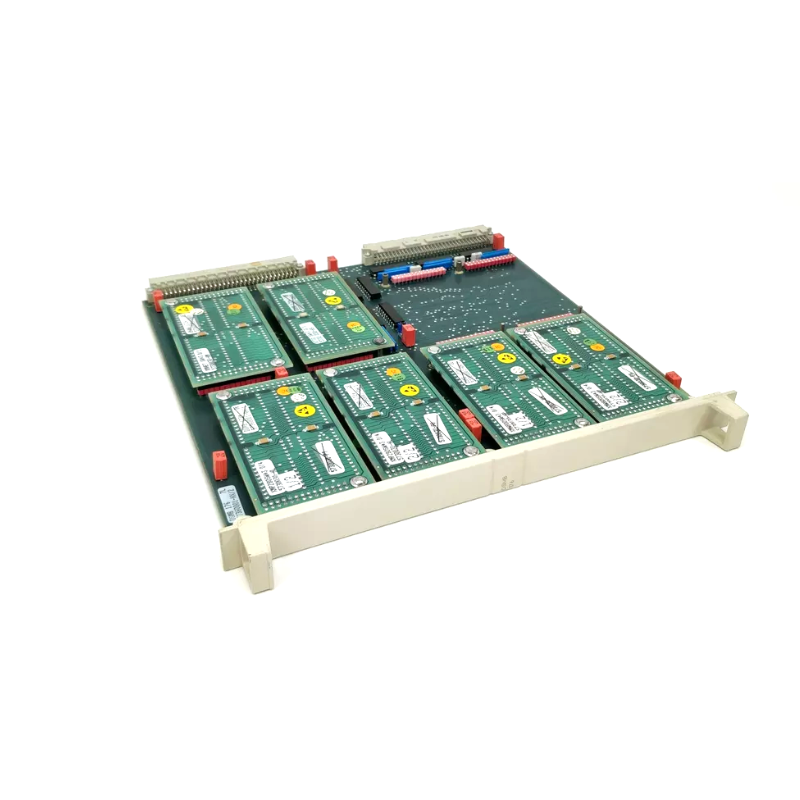
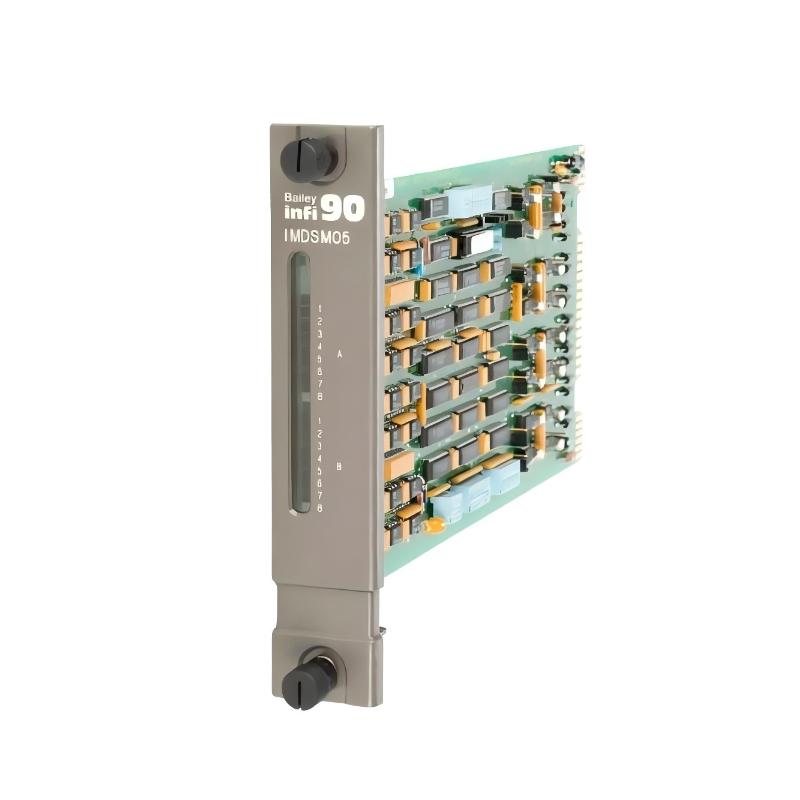
ABB DSMB 176 System Bus Master Module for Scalable Industrial Automation and High-Integrity Control
ABB DSMB 176 System Bus Master Module for Scalable Industrial Automation and High-Integrity Control
0.0
Points
Brand:ABB PLC Item No.:ABB DSMB 176 Product Origin:Sweden Product Dimensions:45 × 125 × 115 mm Product Weight:0.52 kg Payment:T/T, Western Union, Credit Card Goods_stock:15 Shipping Port:Xiamen, China Lead Time:1-3 Days Condition:Brand New And Original Warranty:1 Year Certificate:COO
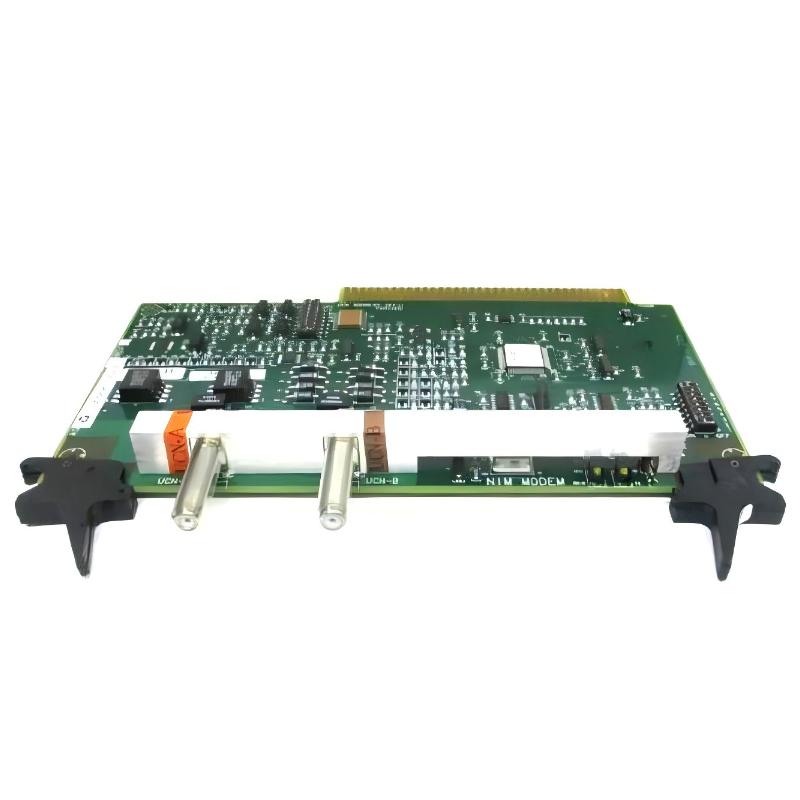
The ABB DSMB 176 is a robust System Bus Master Module engineered to serve as the central communication controller within ABB Distributed Control Systems (DCS) and large-scale automation networks. As the master of bus data traffic, this module manages deterministic exchanges between controllers, I/O modules, and field devices—ensuring synchronized communication, real-time diagnostics, and reliable control logic execution across the system.
Designed for industrial environments that demand continuous uptime and strong data coherence, the DSMB 176 delivers dependable performance under heavy workloads. Its rugged engineering, seamless system compatibility, and scalable capabilities make it ideal for complex process automation, energy production, petrochemical systems, and modernization projects requiring enhanced communication coordination.
Technical Specifications
Specification
Details
Brand
ABB
Model
DSMB 176
Module Type
System Bus Master Module
System Platform
ABB Distributed Control Systems
Controller Function
Central Bus Management & Coordination
Operating Temperature
−25 °C to +60 °C
Storage Temperature
−40 °C to +85 °C
Relative Humidity
5–95 % (non-condensing)
Cooling Method
Passive (Natural Convection)
Dimensions (W × H × D)
Approx. 45 × 125 × 115 mm
Weight
Approx. 0.52 kg
Mechanical measurements are provided for system design and panel layout planning.
Recommended Related Models
For a complete ABB automation architecture with reliable bus control, communication, and I/O performance, these modules are commonly paired with the DSMB 176:
ABB DSBC 176 – Bus Extension Communication Module
ABB DSBB 172B – Communication Interface Module
ABB DSDI 120A – Digital Input Module
ABB DSDO 120 – Digital Output Module
ABB DSDC 110B – Digital Communication Module
Popular ABB Automation Modules
These ABB modules are widely adopted across industrial automation and complement the capabilities of system master hardware:
ABB PM866K01 – Processor Unit
ABB CI854A – Communication Interface Module
ABB AI810 – Analog Input Module
ABB DI810 – Digital Input Module
ABB DO810 – Digital Output Module
Applications
The ABB DSMB 176 is suited for automation environments where centralized bus control and dependable communication are essential:
Coordinated data exchange in large-scale distributed control systems
Central logic control in power generation and utilities infrastructure
Process automation in petrochemical and chemical plants
Manufacturing systems requiring synchronized operation
Retrofitting legacy automation platforms with scalable bus control
Expansion projects with high communication load and multi-node I/O networks
As the bus master, the DSMB 176 ensures that communication pathways operate smoothly, reducing latency and improving overall control performance.
Advantages
Centralized Bus Control – Master coordination of communication across system busses and modules
Deterministic Data Exchange – Ensures predictable and synchronized transfer of control data
Industrial-Grade Reliability – Built for continuous 24/7 operation in harsh environments
Scalable Control Support – Supports growth to large, complex automation installations
Seamless System Integration – Designed for plug-and-play compatibility within ABB DCS platforms
By centralizing bus management, the DSMB 176 enhances system coherence and strengthens automation performance.
Technical FAQs
1. What is the main role of the ABB DSMB 176?
It serves as the System Bus Master Module, coordinating communication between bus lines, I/O modules, and system controllers.
2. How is the module mounted?
It installs into a compatible ABB rack or control system backplane.
3. What operating environments is it designed for?
Industrial environments requiring continuous 24/7 uptime, such as utilities, manufacturing, and process plants.
4. What temperature range does it support?
It operates reliably from −25 °C to +60 °C.
5. Does it require an external power supply?
No — power is typically supplied through the system backplane.
6. Can it support system expansion?
Yes — it enables scalable bus communication control for larger and more complex systems.
7. What industries commonly deploy this module?
Energy, petrochemical, manufacturing, utilities, and process automation.
8. What cooling method does it use?
Passive natural convection — no active cooling components required.
9. Can it tolerate high humidity?
Yes — up to 95 % relative humidity (non‐condensing).
10. Why choose ABB DSMB 176?
Because it provides centralized bus coordination, robust system communication integrity, and seamless integration within ABB control ecosystems—making it a reliable choice for sophisticated automation infrastructures.